
Scandinavian Outdoor Saunas – Nordic Tradition, Built for Real Outdoor Living
Scandinavian outdoor saunas are not a trend, a lifestyle accessory, or a recent wellness invention. They are the result of centuries of Nordic culture, shaped by climate, landscape, and a deep understanding of how heat, wood, and the human body interact outdoors.
This page exists to explain what truly defines a Scandinavian outdoor sauna, why Nordic and Finnish sauna traditions matter, and why authentic outdoor saunas are fundamentally different from mass-produced wellness products. It is not a sales page. It is a statement of heritage, expertise, and design philosophy.
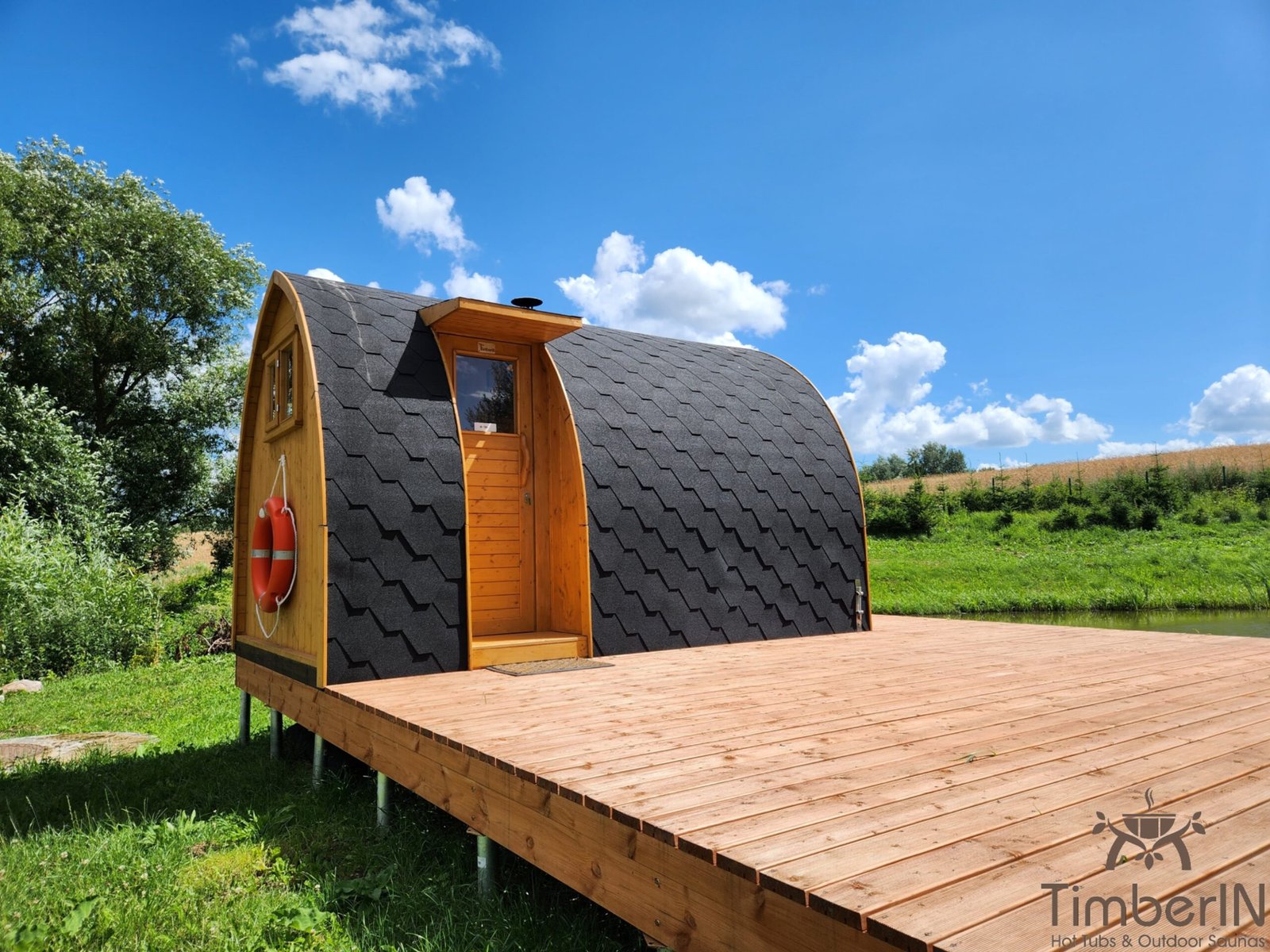


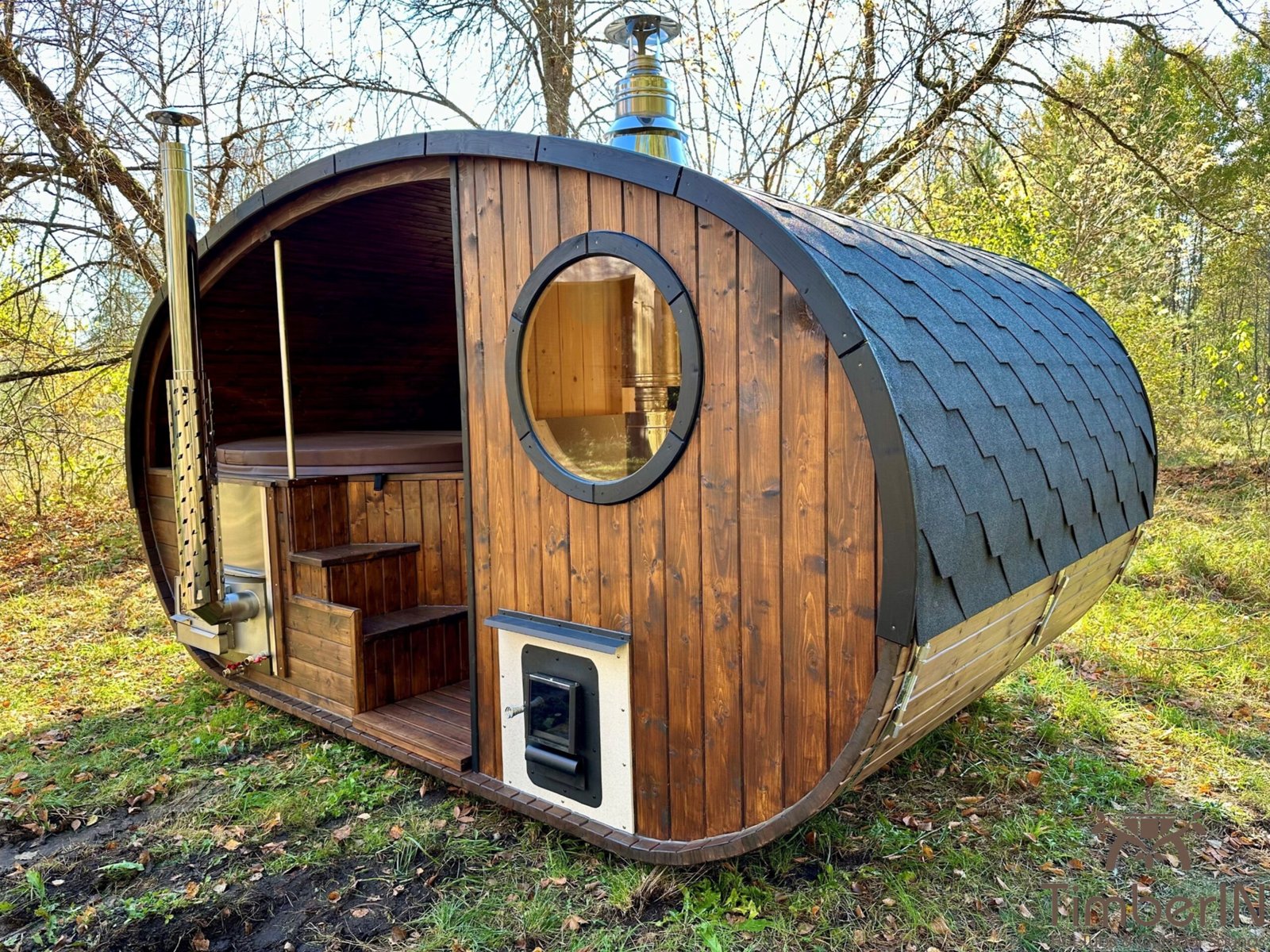
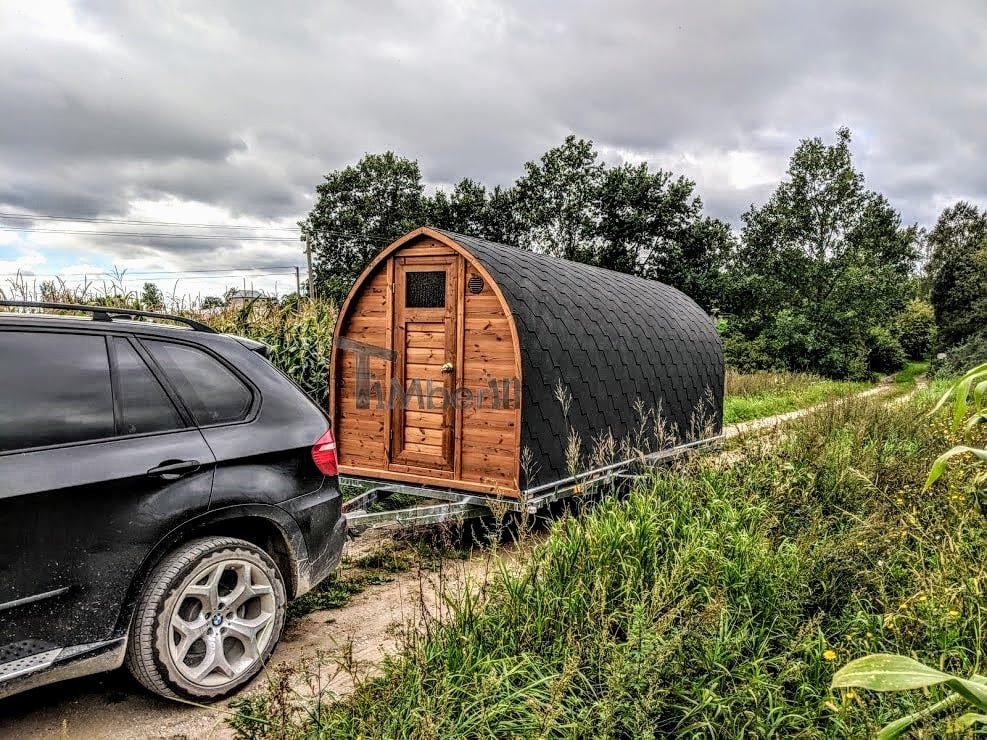
Scandinavian Outdoor Saunas
Start here
Related heating
The Origins of the Scandinavian Outdoor Sauna
In Scandinavia, the sauna has never been an indoor appliance. It has always been a place, often separate from the home, built close to nature and used in all seasons.
Historically, saunas were:
- Built outdoors or in detached buildings
- Heated with wood, stone, and fire
- Used for cleansing, recovery, childbirth, and social rituals
- Central to daily and seasonal life
In Nordic regions, bathing was not about luxury. It was about survival, health, and balance in a harsh climate. The outdoor sauna evolved as a practical response to long winters, limited daylight, and the need for deep, penetrating warmth.
Finnish Sauna Culture and Nordic Influence
While sauna traditions exist across Scandinavia and the Baltics, Finnish sauna culture has had the strongest influence on what we now recognise as the traditional outdoor sauna.
Core principles include:
- Dry heat with high temperatures
- Natural ventilation rather than mechanical systems
- Stone-based heat storage
- A strong contrast between hot and cold
These principles only work properly in solid, well-built outdoor structures, not thin-walled cabins or plastic enclosures. The Scandinavian outdoor sauna is therefore designed first for thermal performance, not visual trends.
Why Scandinavian Saunas Are Built Outdoors
In Nordic thinking, the sauna belongs outside.
There are clear reasons for this:
- Heat management is easier in a dedicated structure
- Moisture and steam are naturally ventilated
- Fire-based heating is safer in detached buildings
- The transition between hot sauna and cold air is essential
Stepping from a hot sauna into fresh outdoor air, snow, or cold water is not a bonus feature — it is the core of the experience. This is why authentic Scandinavian saunas are designed as outdoor buildings, not indoor rooms with heaters added.
The Role of Wood in Scandinavian Sauna Design
Wood is not a decorative choice in Nordic saunas. It is a functional material selected for specific properties.
Traditional Scandinavian outdoor saunas use wood because it:
- Regulates humidity naturally
- Remains comfortable to touch at high temperatures
- Absorbs and releases heat gradually
- Ages gracefully rather than failing suddenly
Different woods serve different roles, but the underlying principle is the same: the structure must tolerate extreme temperature cycles, moisture, and long-term outdoor exposure.
This is why Scandinavian saunas favour solid wood construction over composite panels or synthetic interiors.
Fire, Stone, and Heat – The Nordic Logic
At the heart of every traditional outdoor sauna is the relationship between fire and stone.
A proper sauna stove:
- Stores heat in stones
- Releases it gradually
- Allows water to be poured onto hot stones
- Creates a deep, enveloping heat rather than surface warmth
This approach contrasts strongly with many modern infrared or electric wellness products, which heat the body differently and are often designed for indoor use.
In Scandinavian sauna culture, heat is not instant. It is built, respected, and maintained.
What Makes a Scandinavian Outdoor Sauna Different Today
Many products are marketed as “Scandinavian” simply because they use wood or reference Nordic imagery. True Scandinavian outdoor saunas are defined by how they are designed and used, not how they are branded.
Authentic Nordic outdoor saunas typically feature:
- Solid timber construction
- High thermal mass
- Minimal electronics
- Long service life
- Repairable, modular components
They are designed to be used frequently, year after year, rather than replaced when trends change.
Scandinavian Saunas and Modern Living
Although rooted in tradition, Scandinavian outdoor saunas fit naturally into modern life.
They are commonly used today in:
- Private gardens
- Countryside homes
- Holiday cabins
- Wellness retreats
- Sauna and hot tub combinations
What has not changed is the underlying philosophy: the sauna is a place to slow down, disconnect from noise, and reconnect with physical sensation.
Technology is added only when it supports this goal — never when it distracts from it.
The Nordic Sauna and the Hot–Cold Cycle
One of the defining elements of Scandinavian sauna culture is the hot–cold cycle.
This involves:
- Heating the body deeply in the sauna
- Cooling down outdoors, in fresh air or cold water
- Resting before repeating the cycle
This ritual is not optional in Nordic sauna use. It is the reason outdoor placement matters and why sauna buildings are often paired with cold plunges, lakes, or outdoor showers.
The sauna is not complete without its environment.
Scandinavian Outdoor Saunas vs Modern Wellness Products
Modern wellness products often focus on:
- Convenience
- Automation
- Indoor compatibility
- Minimal user involvement
Scandinavian outdoor saunas focus on:
- Ritual
- Physical engagement
- Natural materials
- Environmental connection
Neither approach is inherently wrong, but they serve very different users. Those drawn to Scandinavian saunas usually seek authenticity, longevity, and meaning, not instant results.
Why Scandinavian Tradition Still Matters
In a market filled with mass-produced wellness cabins, Scandinavian outdoor saunas represent a counterpoint.
They matter because they:
- Preserve proven design principles
- Encourage sustainable material use
- Support long product lifespans
- Prioritise experience over features
This is why Scandinavian sauna design continues to influence premium outdoor sauna construction across Europe and beyond.
A Shared Nordic Philosophy: Sauna and Hot Tub
In Nordic countries, saunas and hot tubs are not separate concepts. They are part of the same outdoor wellness tradition.
Both rely on:
- Fire-based heat
- Outdoor placement
- Seasonal use
- Social and restorative rituals
Understanding Scandinavian outdoor saunas also explains why Nordic hot tubs exist — and why the two are so often used together as a complete bathing cycle.
Scandinavian Outdoor Saunas Today
A modern Scandinavian outdoor sauna is not a museum piece. It is a living structure, adapted to contemporary expectations while remaining faithful to its origins.
When built correctly, it becomes:
- A permanent outdoor space
- A year-round wellness tool
- A place of routine and ritual
- A long-term investment rather than a disposable product
This continuity between past and present is what gives Scandinavian outdoor saunas their enduring value.
More Than a Product: A Cultural Space
Ultimately, a Scandinavian outdoor sauna is not defined by size, shape, or accessories. It is defined by how it is used.
It is a place for:
- Quiet
- Recovery
- Conversation
- Reflection
- Physical and mental balance
These qualities cannot be added through marketing. They emerge naturally when a sauna is built according to Nordic principles and placed where it belongs — outdoors, in connection with nature.
The Meaning of Scandinavian Outdoor Saunas Today
In a fast, digital world, Scandinavian outdoor saunas remain deliberately slow. They ask for time, attention, and presence. This is precisely why they continue to matter.
They are not about excess.
They are not about shortcuts.
They are about doing one thing well, the way it has been done for generations.
That is what makes a Scandinavian outdoor sauna more than a structure — it makes it a tradition that still belongs in modern outdoor living.
Frequently Asked Questions – Scandinavian Outdoor Saunas
What is a Scandinavian outdoor sauna?
A Scandinavian outdoor sauna is a sauna building designed for outdoor use, based on Nordic and Finnish sauna traditions. It emphasises natural materials, solid wood construction, high heat, and a strong connection to the surrounding environment rather than convenience features or electronics.
How is a Scandinavian outdoor sauna different from a modern home sauna?
Scandinavian outdoor saunas are designed as dedicated outdoor structures, not indoor appliances. They focus on dry heat, natural ventilation, fire or stone-based heating, and long-term durability, whereas many modern home saunas prioritise compact size, automation, and indoor compatibility.
Are Scandinavian outdoor saunas always wood-fired?
Traditionally, yes. Wood-fired stoves are central to Nordic sauna culture because they create deep, stable heat stored in stones. Modern Scandinavian-style saunas may also use electric heaters, but the design philosophy remains rooted in traditional heat principles.
Why are Scandinavian saunas usually placed outdoors?
Outdoor placement allows proper ventilation, safer fire-based heating, and direct access to cold air or cold water between sauna sessions. The contrast between hot sauna and cold outdoor conditions is an essential part of the Nordic sauna ritual.
What role does Finnish sauna culture play in Scandinavian saunas?
Finnish sauna culture strongly influences Scandinavian outdoor sauna design. Core principles such as high temperatures, dry heat, stone-based stoves, and repeated hot–cold cycles originate from Finland and shape how authentic Nordic saunas are built and used.
What materials are traditionally used in Scandinavian outdoor saunas?
Wood is the primary material, chosen for its thermal properties, comfort at high temperatures, and ability to regulate humidity naturally. Solid timber construction is preferred over synthetic or composite materials to ensure durability and proper sauna conditions.
Can Scandinavian outdoor saunas be used all year round?
Yes. Scandinavian outdoor saunas are designed for year-round use, including winter. In Nordic tradition, sauna use during cold weather is considered especially beneficial and is often the most valued season for sauna bathing.
Are Scandinavian outdoor saunas mainly for wellness or relaxation?
They serve both purposes, but traditionally saunas were used for much more than relaxation. They were places for cleansing, recovery, social interaction, and even important life events. Modern use still reflects this holistic approach rather than purely leisure-focused wellness.
How do Scandinavian outdoor saunas relate to hot tubs?
In Nordic countries, outdoor saunas and hot tubs are often used together as part of a hot–cold bathing cycle. Both are based on outdoor placement, natural heating, and seasonal use, forming a complete Nordic bathing tradition.
Why are Scandinavian outdoor saunas considered long-term structures?
They are built with longevity in mind. Solid wood construction, simple systems, and repairable components allow Scandinavian outdoor saunas to remain functional for decades, rather than being replaced after a short product cycle.