
Wood Fired Heater for Hot Tub: External, Internal & Submersible Options
A wood fired heater for hot tub is the heart of a traditional outdoor bathing system. It heats the water by burning logs instead of relying only on electricity, creating the natural fire-heated experience that many people want from a wooden hot tub. Whether you call it a wood fired hot tub heater, hot tub stove, wooden hot tub heater or wood fired water heater for hot tub, the purpose is the same: to warm the water safely and efficiently using real fire.
Choosing the right heater is one of the most important decisions when buying, upgrading or repairing a wood fired hot tub. The heater affects heating time, bathing comfort, safety, wood consumption, available seating space and long-term reliability. A heater that is too small can make the tub slow and frustrating to use. A heater that is badly installed or unsuitable for water heating can create safety risks.
This guide explains the main types of wood fired hot tub heaters, including external wood fired heaters, internal or integrated heaters, submersible wood fired hot tub heaters and stainless steel hot tub stoves. It also covers how many kW may be needed, what affects heating time, safety considerations, compatibility with wooden hot tubs and when it makes sense to replace an old heater.
If you are choosing a complete hot tub rather than only a heater, you may also want to compare our main range of wood fired hot tubs.


What Is a Wood Fired Hot Tub Heater?
A wood fired hot tub heater is a stove or heat exchanger designed to transfer heat from burning wood into hot tub water. Instead of using an electric heating element, the system uses firewood as the main heat source. The heater may sit outside the tub, inside the tub, or be placed directly in the water depending on the design.
The basic principle is simple: logs burn inside the stove, the heater body becomes hot, and water absorbs the heat. In an external system, water usually circulates between the tub and the stove through pipe connections. In an internal system, the heater sits within the tub body and transfers heat directly to the surrounding water. In a submersible system, the heater is placed directly into the water, usually with a chimney rising above the tub.
Although the idea is simple, the design must be correct. A hot tub heater must be made from suitable materials, sized correctly for the water volume, installed safely and used with proper clearance around hot surfaces and the chimney.
Wood Fired Heater, Hot Tub Stove or Wood Burner: Are They the Same?
Many people use different names for the same type of product. A hot tub stove, wood fired heater, wood burner for hot tub and wood fired water heater usually describe a wood-burning system used to heat hot tub water.
The wording changes depending on what the buyer is focused on:
- Wood fired heater for hot tub usually describes the complete heating unit.
- Wood fired hot tub stove focuses on the stove/firebox element.
- Wooden hot tub heater usually means a heater used with a wooden or timber-clad hot tub.
- External hot tub stove describes a heater placed outside the bathing area.
- Submersible wood fired hot tub heater describes a heater placed directly into the water.
- Replacement hot tub heater is used when the original stove is old, damaged or inefficient.
The important point is not only the name, but whether the heater is safe, compatible and powerful enough for the hot tub.
External Wood Fired Heater for Hot Tub
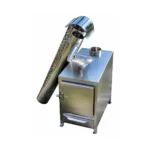
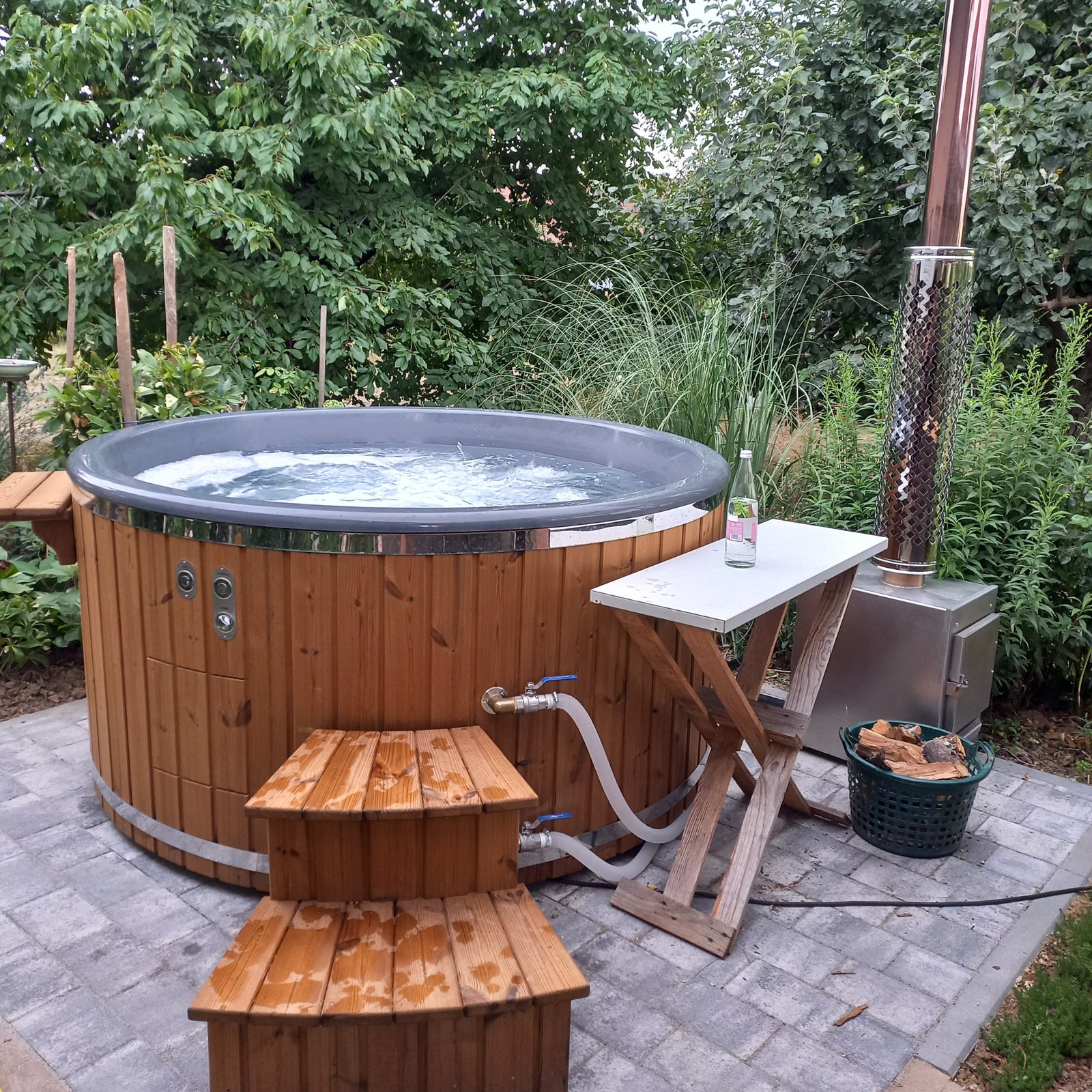
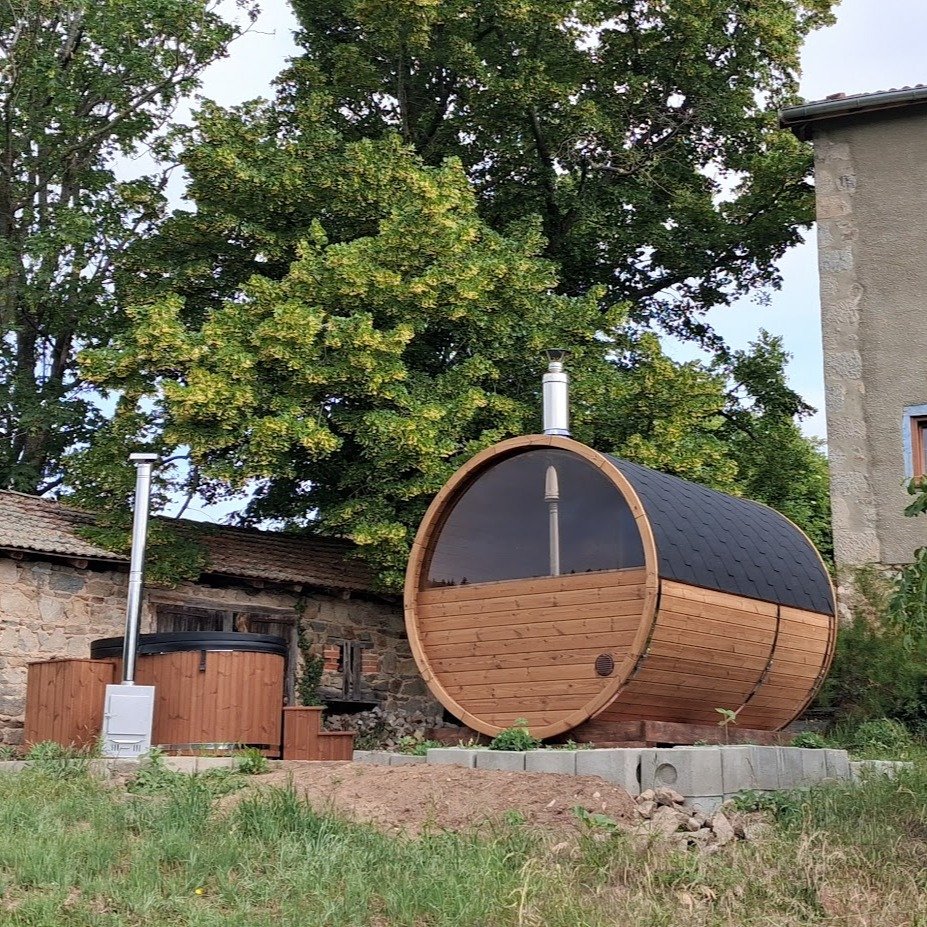
An external wood fired heater sits outside the hot tub and connects to the tub using water pipes. It is one of the most popular heater types for wooden hot tubs because it keeps the bathing area open and gives easier access to the stove from outside.
External heaters are often chosen for family-sized and larger hot tubs because they do not take up seating space inside the tub. The heater can be positioned beside the hot tub, with a chimney directing smoke upwards and away from the bathing area.
Advantages of an external hot tub stove
- more usable bathing space inside the tub
- easier access for adding logs
- heater can be serviced or inspected from outside
- good option for larger tubs and family use
- traditional wood-fired heating experience
- can be visually attractive beside a wooden hot tub
Things to consider
- requires space beside the hot tub
- pipe connections must be secure and leak-free
- heater must be correctly matched to the water volume
- chimney position and safe clearance are important
- external pipework may need protection from cold weather
An external wood fired heater is often the best choice if you want maximum seating space and easy stove operation. It is also a strong option when replacing an old external heater on an existing hot tub.
Internal or Integrated Wood Fired Hot Tub Heater
An internal or integrated wood fired hot tub heater is located inside the tub body. It is usually separated from the bathing area by a protective barrier. Because the heater sits directly in the water area, it can transfer heat efficiently and keeps the overall footprint compact.
This type of heater is often associated with traditional wooden hot tubs, especially compact models where a simple and classic design is preferred. It can be a good choice when the garden has limited space around the hot tub.
Advantages of an internal heater
- compact overall hot tub footprint
- traditional wood-fired appearance
- direct heat transfer to the water
- no external pipework beside the tub
- good for smaller or more rustic designs
Things to consider
- reduces internal bathing space
- must be safely separated from bathers
- may be less convenient to access than an external stove
- not always ideal for larger groups
- requires careful temperature monitoring
An internal heater can be a good choice for a compact traditional hot tub, but buyers should think carefully about seating capacity. If you want more room inside the tub, an external heater may be better.
Submersible Wood Fired Hot Tub Heater
A submersible wood fired hot tub heater is a stove placed directly into the water. It usually has a chimney extending above the waterline and burns wood inside a metal chamber. The surrounding water absorbs heat from the stove body.
Submersible heaters are often seen in simple or DIY-style hot tub setups because they can appear easy to use: place the heater in the water, light the fire and wait for the tub to warm. However, they require careful safety planning because the heater body can become very hot and sits close to the bathing area.
Advantages of submersible heaters
- simple concept
- direct heat transfer into the water
- can be used with some basic tub designs
- does not require the same external pipework layout
Things to consider
- hot surfaces must be safely separated from users
- can reduce usable bathing space
- may be less refined than a built-in system
- temperature control can be more manual
- must be stable and correctly positioned
- not suitable for every hot tub material or layout
A submersible heater may suit some simple outdoor bathing projects, but for regular family use, guest use or a polished garden installation, a purpose-built wood fired hot tub with a matched heater is usually more practical.
Stainless Steel Wood Fired Hot Tub Heater
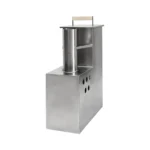
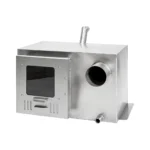
Many good wood fired hot tub heaters are made from stainless steel because the heater must cope with heat, water and outdoor conditions. Stainless steel is commonly used for hot tub stoves because it resists corrosion better than many ordinary metals and can provide long service life when used correctly.
A stainless steel hot tub heater can be internal or external. The key is the quality of the material, welds, design and compatibility with the water system. A heater should not only look strong; it must be suitable for repeated heating, cooling and outdoor exposure.
When comparing stainless steel heaters, consider:
- steel grade and construction quality
- weld quality
- heater capacity
- chimney design
- door and ash management
- pipe connection size
- ease of cleaning
- compatibility with the hot tub shell
A cheap stove made from unsuitable metal may look attractive at first, but it can corrode, leak or become unsafe. For long-term use, the heater quality matters as much as the tub itself.
How Many kW Does a Wood Fired Hot Tub Heater Need?
The right heater power depends on the water volume, outside temperature, starting water temperature, insulation, cover quality and desired heating time. There is no single kW figure that is perfect for every hot tub. A compact two-person tub needs less heating power than a large family hot tub or commercial guest tub.
As a general rule, larger water volume needs more heating capacity. Better insulation and a good cover reduce heat loss, while cold weather, wind exposure and uninsulated walls increase the heating demand.
When estimating heater size, consider:
- total water volume
- number of bathers
- outside temperature
- starting water temperature
- target bathing temperature
- insulation level
- cover quality
- heater design and efficiency
- quality and dryness of firewood
- whether the tub is used privately or commercially
A heater that is too small may heat slowly and require constant refuelling. A heater that is too powerful may make temperature control harder if the tub is small. The best solution is to match the heater to the hot tub size from the beginning.
Wood Fired Hot Tub Heating Time
Heating time is one of the most common questions buyers ask about wood fired hot tub heaters. The answer depends on several factors, especially tub size, heater power, water temperature and insulation.
A smaller hot tub with a well-matched heater and good cover will usually heat faster than a large uninsulated tub. Cold winter water takes longer to heat than warmer summer water. Wet or poor-quality logs also reduce performance.
Factors that affect heating time include:
- water volume
- heater capacity
- outside air temperature
- starting water temperature
- wind exposure
- cover use during heating
- insulation quality
- firewood quality
- how well the fire is managed
- whether water is circulated or stirred
To reduce heating time, use dry logs, keep the fire burning steadily, use a cover while heating where appropriate, protect the tub from strong wind and choose a heater that is correctly sized for the water volume.
Safety: What to Know Before Using a Hot Tub Stove
A hot tub stove uses real fire, hot metal and hot water, so safety is essential. The heater must be installed and used correctly, with enough clearance from combustible materials and safe access for the person adding logs.
Important safety points include:
- keep children away from the stove and chimney
- do not touch hot metal surfaces
- place the heater away from fences, walls and flammable materials
- use a suitable chimney and chimney cap where required
- do not use unsuitable fuels or treated wood
- monitor water temperature before bathing
- do not overheat the water
- make sure water is above the required level before lighting the stove
- follow manufacturer instructions for lighting and operation
- allow safe access around the stove door
A wood fired heater should never be treated like a casual campfire. It is a heating system connected to a body of water used by people. Correct design, installation and operation matter.
Compatibility with Wooden Hot Tubs
Not every heater is compatible with every wooden hot tub. The heater must match the tubโs water volume, connection layout, materials and intended use. If the tub has a fibreglass liner, wooden shell, plastic insert or existing pipework, compatibility should be checked before buying a replacement heater.
Compatibility questions include:
- Is the heater powerful enough for the water volume?
- Are the pipe connections the correct size?
- Is the heater suitable for internal or external installation?
- Will the heater fit safely beside or inside the tub?
- Is the chimney position safe?
- Will the tub material tolerate the heating system?
- Is there enough space for access and maintenance?
- Can the existing drain, filter or jet system remain compatible?
If you are buying a complete TimberIN hot tub, the heater is selected as part of the overall system. If you are replacing a heater on an older or different brand hot tub, check compatibility carefully before purchasing.
For full hot tub options, see our wooden hot tubs and wood fired hot tubs.
Replacement Wood Fired Heater for an Old Hot Tub
If your old hot tub stove is damaged, corroded, leaking or slow to heat, you may need a replacement wood fired heater. Replacing the heater can sometimes extend the life of an older hot tub, but it is important to check the condition of the whole tub before investing in a new stove.
You may need a replacement heater if:
- the old heater is leaking
- the firebox is heavily corroded
- welds are cracked
- the stove door no longer seals properly
- the chimney is damaged or missing
- heating time has become much longer
- the heater is too small for the tub
- the original heater is unsafe or badly modified
Before replacing the heater, inspect the tub shell, liner, fittings, drain and pipework. If the tub itself is also leaking or badly worn, a complete new hot tub may be better value than replacing only the stove.
If you are comparing repair versus replacement, our guides to second hand wood fired hot tubs and wood fired hot tub prices may help you judge the total cost.
Can You Add a Wood Fired Heater to a DIY Hot Tub?
Some people want to add a wood fired heater to a DIY hot tub, stock tank, barrel, outdoor bath or homemade soaking tub. This may be possible in some cases, but it must be done carefully. The heater must be suitable for water heating, the tub material must tolerate hot water, and the pipework must allow safe circulation.
DIY heater installations can create problems if the stove is not designed for hot tub use. Common risks include poor water flow, overheating, leaks, unsafe hot surfaces, unstable chimney position and incompatible materials.
Before adding a heater to a DIY project, consider:
- whether the tub material is suitable for hot water
- how water will circulate through the heater
- whether the heater has safe clearance
- how the chimney will be supported
- how leaks will be prevented
- whether the heater is too powerful or too weak
- how users will be protected from hot metal
- how the water temperature will be monitored
If your main goal is a reliable long-term garden hot tub, a complete ready-made system is often safer and more practical than adapting a homemade container.
For more detail, see our guide to a DIY wood fired hot tub.
Wood Fired Heater vs Electric Heater
A wood fired heater and an electric heater create different ownership experiences. A wood fired heater gives the traditional fire-heated atmosphere and can reduce dependence on electricity. An electric heater gives easier temperature control and can be more convenient for frequent use.
| Feature | Wood fired heater | Electric heater |
|---|---|---|
| Heating source | Firewood | Electricity |
| Experience | Traditional, natural, atmospheric | Convenient and automated |
| Control | Manual fire management | Thermostat-controlled |
| Best for | Outdoor ritual, cabins, rural gardens, off-grid use | Regular use and simple operation |
| Setup | Requires stove and chimney safety | Requires suitable electrical supply |
If you want the atmosphere of fire, a wood fired heater is the natural choice. If you want convenience and automated temperature management, compare our electric wooden hot tubs.
Wood Fired Heater for Off-Grid Hot Tubs
A wood fired heater is one of the best heating choices for off-grid hot tubs because the main heat source is firewood. This makes it useful for cabins, rural gardens, remote plots and properties where a strong electrical supply is not available.
However, a fully featured hot tub may still need electricity for jets, filtration, lighting or pumps. If you want a simple off-grid setup, choose the features carefully and decide whether you need the tub to operate completely without mains electricity or only reduce electric heating use.
For more advice, see our off-grid hot tubs.
Maintenance of a Wood Fired Hot Tub Stove
A wood fired hot tub stove needs regular basic care. Proper maintenance helps the heater work efficiently and last longer. The firebox, ash area, chimney and water connections should be checked periodically, especially if the tub is used often.
Basic maintenance may include:
- removing ash after use when safe
- checking the chimney for blockages
- inspecting the stove for corrosion
- checking pipe connections for leaks
- using dry, suitable firewood
- avoiding treated or painted wood
- draining or protecting systems as required in cold weather
- checking that the stove door and chimney parts are secure
Do not ignore small leaks, unusual smoke behaviour or signs of damage. Heater problems usually become easier to fix when caught early.
Buyer Checklist: Choosing the Right Wood Fired Heater
Before choosing a wood fired heater for a hot tub, compare the full setup rather than only the stove price. A good heater should be safe, durable, correctly sized and compatible with the hot tub.
- Heater type: external, internal, integrated or submersible.
- Water volume: the heater must match the size of the tub.
- Material: stainless steel or another suitable water-heating material.
- Heating time: realistic performance for your usage.
- Safety: chimney, hot surfaces and clearances.
- Compatibility: pipe sizes, tub material and connection layout.
- Access: enough room to add logs and clean the stove.
- Maintenance: easy ash removal and inspection.
- Replacement parts: availability of chimney, door or fittings.
- Total value: heater quality, not only lowest price.
Should You Buy Only a Heater or a Complete Wood Fired Hot Tub?
If you already own a good hot tub and only the heater is damaged, replacing the heater may make sense. But if the tub is old, leaking, poorly insulated or uncomfortable, it may be better to invest in a complete new wood fired hot tub.
A complete hot tub gives you a matched system: the heater, water volume, seating layout, drainage and accessories are designed to work together. This reduces the risk of buying a heater that is not suitable for the tub.
If you are starting from zero, a complete ready-made model is usually more practical than buying a heater first and trying to build the rest around it. Compare complete options here: wood fired hot tubs.
Final Advice: Choose the Heater Around the Hot Tub, Not the Other Way Round
The best wood fired heater is not simply the biggest or cheapest stove. It is the heater that matches the hot tubโs size, material, water volume and intended use. A well-matched heater makes the hot tub easier to heat, safer to use and more enjoyable over time.
If you want a traditional outdoor bathing experience, a wood fired heater can be an excellent choice. It gives the atmosphere of real fire, works well in UK gardens and suits wooden hot tubs beautifully. Just make sure the heater is suitable, correctly installed and chosen as part of the full hot tub system.
To compare complete systems, view our wood fired hot tubs, learn about wood burning hot tubs, or explore wooden hot tubs for more traditional outdoor bathing options.
Wood Fired Hot Tub Heaters: Frequently Asked Questions
What is a wood fired heater for a hot tub?
A wood fired heater for a hot tub is a stove or heat exchanger that uses burning logs to heat hot tub water. It may be external, internal, integrated or submersible depending on the hot tub design.
Is a hot tub stove the same as a wood fired heater?
Yes, in most cases a hot tub stove and a wood fired heater describe the same type of product. Both terms usually mean a wood-burning heater used to warm hot tub water.
Is an external wood fired heater better than an internal heater?
An external wood fired heater gives more bathing space inside the tub and is easier to access from outside. An internal heater is more compact and traditional but takes up some internal space. The better choice depends on tub size, garden space and usage.
What is a submersible wood fired hot tub heater?
A submersible wood fired hot tub heater is a stove placed directly into the water, usually with a chimney above the waterline. It transfers heat directly from the stove body into the surrounding water but must be used with careful attention to safety.
How many kW should a wood fired hot tub heater be?
The required kW depends on the tub size, water volume, insulation, outside temperature, cover quality and desired heating time. A larger tub needs more heating capacity than a compact tub. The heater should be matched to the specific hot tub.
How long does a wood fired hot tub heater take to heat water?
Heating time depends on water volume, heater power, starting water temperature, outside temperature, insulation and firewood quality. Smaller well-insulated tubs heat faster than large uninsulated tubs.
Can I replace an old hot tub heater?
Yes, an old hot tub heater can sometimes be replaced, but compatibility must be checked carefully. The new heater must match the tub volume, pipe connections, material, installation type and chimney requirements.
Are stainless steel hot tub heaters better?
Stainless steel is commonly used for wood fired hot tub heaters because it handles water, heat and outdoor conditions better than many ordinary metals. However, construction quality, welds and compatibility are also important.
Can I add a wood fired heater to a DIY hot tub?
It may be possible to add a wood fired heater to a DIY hot tub, but the heater must be suitable for water heating and installed safely. The tub material, pipework, water circulation, chimney position and user protection all need careful planning.
Do wood fired hot tub heaters need electricity?
The heating itself does not normally require electricity because the water is heated by burning logs. However, electricity may be needed if the hot tub has pumps, filtration, jets, air bubbles or lights.

Albert and his team at TimberIN were professional and helpful all the way through, and the tub was delivered exactly as planned. It looks great and works very well. I opted for an electric water heating system and this works well, but we have not yet resolved how to control the temperature automatically.
We are over the moon with our new tub. It was delivered by the nicest delivery guys, it was easy to assemble and within a few hours it was hot enough to use. Already in just over 24 hours the kids have had great fun and the adults have enjoyed sitting under the stars. Another amazing attribute to these high quality tubs is that you can literally put them anywhere. Even the smell of burning wood wafting over adds to the overall experience. The price is amazing and we will no doubt be buying another for our holiday cottage business very soon. Thank you.
Thanks Albert and please make sure you praise your delivery guys too they represent your company perfectly. So efficient and polite.
Hi Albert Hot tub installed and already used by family and friends. Good experience dealing with yourselves and would highly recommend your company All the best Gary