
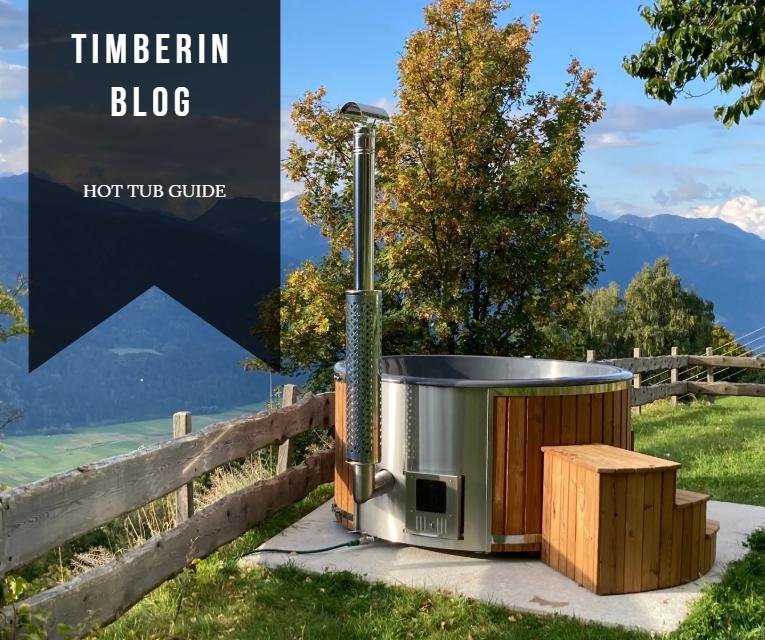
Sunken or in-ground hot tubs integrate seamlessly into decks and gardens for a resort-style look and easier access. This guide covers the benefits, planning, construction steps, design ideas, and long-term care so your built-in spa looks stunning and performs reliably.
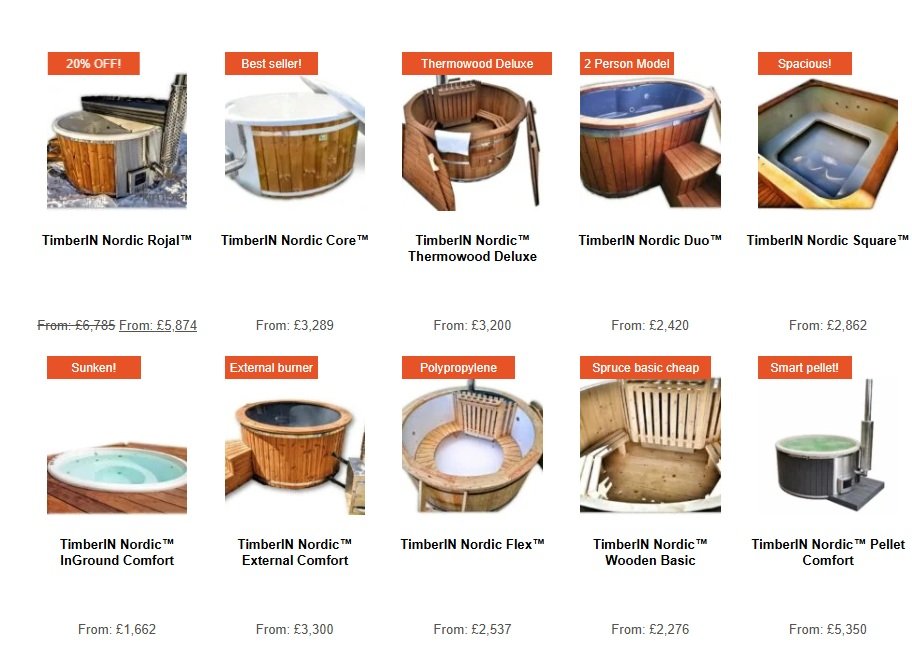
Why Choose a Sunken / In-Ground Hot Tub?
- Clean, low-profile look: Sits flush with the deck or paving for a contemporary aesthetic.
- Easier access: Lower step-in height is convenient for all ages.
- Wind protection: Surround helps reduce heat loss and splashing.
- Space efficiency: Especially useful on sloped or compact plots.
For ongoing care tips after installation, bookmark our wooden hot tub maintenance guide.
Planning & Design Considerations
Site & Ground Conditions
- Soil & drainage: Ensure free-draining backfill and a way to relieve hydrostatic pressure.
- Load-bearing base: Design the slab/pad for the full load (tub + water + people).
- Service access: Build in removable panels or a dedicated plant chamber for pumps, filter and heater.
Tub Shape, Material & Surround
- Common shapes: round, oval, rectangle, or custom freeform to match your layout.
- Materials: acrylic shells set into pits, or wooden barrel tubs integrated into decking.
- Finishes: porcelain/stone copings, composite decking, or timber surrounds.
Choosing timber? See best wood for outdoor hot tubs & saunas.
Water, Filtration & Heating
- Plan pump size, filtration rate and heater location with service access.
- Include overflow, drainage and backflow prevention from day one.
- Pick a water care method you can maintain.
Insulation & Cover Integration
- Add insulation to the base and side walls to minimise ground heat loss.
- Use a tight-sealing insulated cover; consider a flush, deck-level cover solution.
Construction & Installation Steps
- Excavate & prepare base: Excavate, compact hardcore, add drainage layer, and pour a reinforced concrete slab.
- Place tub/shell or framework: Level precisely; confirm clearances for pipework and cover.
- Waterproof & insulate: Tank the pit walls; add rigid insulation under/around the shell.
- Plumbing & electrics: Route pipes/conduits to an accessible plant area; install valves, pumps, filter and heater.
- Backfill & finish surround: Use free-draining aggregate; install coping, paving or decking flush to the rim.
- Commission: Fill gradually, purge air, check for leaks, run filtration cycles and balance water chemistry.
Design & Safety Ideas
- Use flush copings and hidden trims for a seamless rim detail.
- Choose slip-resistant surfaces around wet zones; add handrails where helpful.
- Layer low-level lighting, planting and screening for privacy and ambience.
- Plan steps or built-in seating at entry points.
Maintenance & Long-Term Care
- Service access: Keep panels clear for routine filter cleaning and heater checks.
- Waterproofing checks: Inspect membranes and joints annually.
- Water chemistry: Test and balance routinely;
- Seasonal care: Use freeze protection or winterise properly.
Common Challenges & Fixes
| Issue | Likely Cause | Solution |
|---|---|---|
| Water behind shell / damp pit | Poor backfill or no drainage | Add perimeter drains, free-draining aggregate and a sump if needed |
| Heat loss to ground | Insufficient base/side insulation | Retrofit rigid boards, add thermal break under shell |
| Difficult servicing | No access panels or tight plant area | Rebuild a removable section; relocate valves for reach |
| Cracks in slab or coping | Settlement or freeze-thaw stress | Repair, re-level, improve sub-base and expansion details |
Summary & Best Practices
- Prioritise drainage, waterproofing, insulation and service access in the design stage.
- Choose a water care system you can maintain.
- Use a quality insulated cover and keep filters clean to reduce running costs.
Conclusion
A sunken or in-ground hot tub delivers a premium spa experience with a minimalist look—provided you plan carefully. Focus on structure, drainage, waterproofing, insulation and easy servicing. With the right design choices and consistent maintenance, your built-in spa will look spectacular and perform for years.