
Sunken & In-Ground Hot Tubs – Built-In Outdoor Hot Tub Solutions
A sunken hot tub or in-ground hot tub is a permanent outdoor wellness solution designed to integrate seamlessly into its surroundings. Instead of sitting above ground, the hot tub is recessed partially or fully into decking, terraces, or the landscape itself. The result is a clean, architectural look that blends naturally with outdoor spaces while offering easier access and a refined bathing experience.
This category explains what sunken and in-ground hot tubs are, how they differ from freestanding models, and what you need to plan before installation. It is intended for homeowners, designers, and hospitality projects considering a long-term, built-in hot tub solution.
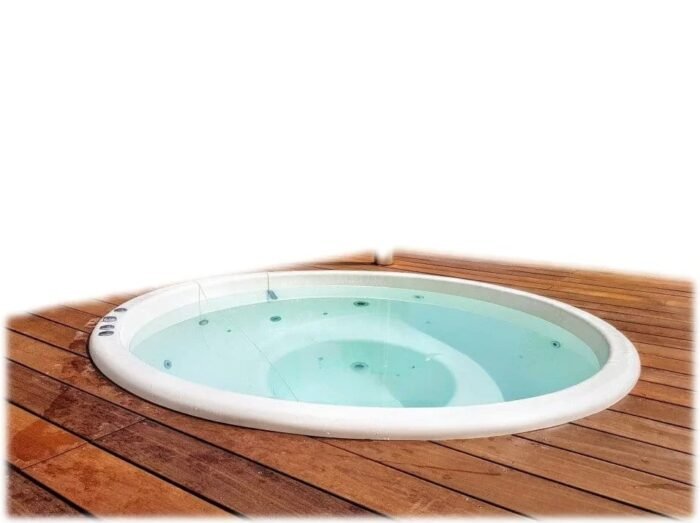
TimberIN Nordic™ InGround Comfort
TimberIN Nordic™ InGround Comfort is a modular sunken and in-ground hot tub designed for seamless outdoor integration. Available in multiple shapes and sizes, it can be configured with wood-fired, electric, or hybrid heating to suit private gardens, terraces, and custom wellness projects. The final layout depends on the selected model and technical specification.
Sunken & In-Ground Hot Tubs
Start here
Popular options
What Is a Sunken or In-Ground Hot Tub?
A sunken or in-ground hot tub is defined by how it is installed, not by its material or heating system.
- A sunken hot tub is partially recessed, typically with the rim level with surrounding decking or paving.
- An in-ground hot tub is installed fully below ground level, with only the opening visible at surface height.
Both approaches create a visually integrated result and can be adapted to different garden layouts, terraces, and architectural styles. Unlike freestanding hot tubs, these installations are intended to be permanent and planned as part of the outdoor design from the start.
Why Choose a Sunken Hot Tub?
Choosing a sunken or in-ground installation is about more than appearance. It offers practical and experiential benefits that appeal to users seeking a premium outdoor solution.
Seamless Design Integration
Sunken hot tubs blend into their surroundings instead of dominating them. Whether installed within decking, stone paving, or landscaped areas, the tub becomes part of the overall design rather than a standalone object.
Easier Access
A flush or near-flush entry height makes stepping in and out easier, especially for families, older users, or hospitality guests. This can significantly improve everyday usability.
Clean Visual Lines
By hiding most of the tub’s structure, sunken installations reduce visual clutter and create a calm, minimalist look that complements modern and traditional gardens alike.
Long-Term Value
Because these installations are permanent, they are often chosen for long-term homes, luxury gardens, hotels, and wellness spaces where durability and visual impact matter.
Sunken vs Freestanding Hot Tubs
Understanding the difference helps set expectations early.
Freestanding hot tubs:
- Are easier to install and relocate
- Require minimal ground preparation
- Offer flexibility if plans change
Sunken or in-ground hot tubs:
- Require planning and groundwork
- Are intended as permanent features
- Offer superior integration and aesthetics
Neither option is universally better. A sunken hot tub is the right choice when design integration, accessibility, and long-term placement are priorities.
Planning a Sunken or In-Ground Hot Tub Installation
Planning is the most important stage of a sunken hot tub project. Proper preparation ensures performance, safety, and long service life.
Base Preparation
A stable, level base is essential. Concrete foundations or reinforced bases are typically required to support the filled weight of the hot tub and bathers.
Drainage
Good drainage prevents water accumulation around the tub. This protects the structure and surrounding landscape while ensuring safe operation in all weather conditions.
Ventilation and Airflow
Even when installed below ground, hot tubs require airflow to prevent moisture build-up. Ventilation gaps or service voids are critical, especially for wooden constructions.
Service Access
Access panels must be planned into the design. Pumps, heaters, and connections need to remain accessible for maintenance without dismantling the installation.
Safety Considerations
Non-slip surfaces, edge visibility, and safe entry points should be considered during the design phase to ensure safe everyday use.
Can Wooden Hot Tubs Be Sunken?
Yes — wooden hot tubs can be successfully installed in sunken or in-ground configurations, provided correct planning is followed.
Wood is a natural material that benefits from airflow and controlled moisture levels. When installing a wooden hot tub below ground level, it is essential to:
- Allow ventilation around the exterior
- Ensure drainage prevents standing water
- Include removable access panels
With these considerations in place, wooden hot tubs perform reliably and retain their visual appeal even in recessed installations.
Heating Options for In-Ground Hot Tubs
Sunken and in-ground hot tubs are compatible with different heating systems. The choice depends on usage patterns and desired convenience.
Wood-fired heating offers a traditional, off-grid experience with natural warmth.
Pellet-fired heating provides cleaner combustion and more automated operation.
Electric heating allows precise temperature control and minimal user involvement.
The installation method does not limit heating choice, but it does require careful planning of flues, ventilation, and service access.
Design Ideas for Sunken Hot Tubs
Sunken hot tubs open creative possibilities for outdoor design.
Popular approaches include:
- Integrating the tub into timber decking
- Recessing into stone or porcelain paving
- Surrounding with planting for privacy
- Combining with outdoor showers or saunas
These installations often become focal points in luxury gardens and wellness spaces, offering both function and visual harmony.
Who Are Sunken Hot Tubs Best For?
Sunken and in-ground hot tubs are ideal for:
- Permanent homes and long-term residences
- Luxury garden projects
- Hotels and hospitality spaces
- Wellness centres and spas
- Users prioritising design integration
They are less suited to temporary installations or situations where relocation may be required.
Is a Sunken Hot Tub Right for You?
A sunken hot tub is the right choice if you:
- Are planning a permanent outdoor layout
- Want a clean, integrated design
- Value accessibility and ease of entry
- Are willing to plan groundwork properly
If flexibility or mobility is more important, a freestanding model may be a better fit.
Explore Sunken & In-Ground Hot Tub Solutions
Below you will find hot tub models suitable for sunken and in-ground installation. Each solution can be adapted to work with decking, terraces, or landscaped environments when planned correctly.
With the right preparation, a sunken hot tub becomes a timeless outdoor feature that enhances both relaxation and property value.
High-Trust Planning Checklist
Before Installing a Sunken or In-Ground Hot Tub
✔ Confirm final placement and dimensions
✔ Plan a solid, level foundation
✔ Design effective drainage around the tub
✔ Ensure ventilation for airflow and moisture control
✔ Include service access panels
✔ Check heater and flue positioning
✔ Plan safe entry and non-slip surroundings
✔ Coordinate installation with landscaping or decking works
Careful planning at this stage prevents costly changes later and ensures long-term performance.
What is the difference between a sunken and an in-ground hot tub?
A sunken hot tub is partially recessed, while an in-ground hot tub is installed fully below ground level. Both are considered built-in installations.
Are sunken hot tubs safe?
Yes. When planned correctly with proper access, ventilation, and non-slip surroundings, sunken hot tubs are safe and comfortable to use.
Can a wooden hot tub be installed in-ground?
Yes, wooden hot tubs can be sunken or installed in-ground when ventilation, drainage, and service access are correctly designed.
Do sunken hot tubs require more maintenance?
Maintenance access must be planned, but daily operation is similar to freestanding models. Good access simplifies long-term care.
Is a sunken hot tub more expensive to install?
Installation is typically more complex due to groundwork, but long-term value and visual integration often justify the investment.