
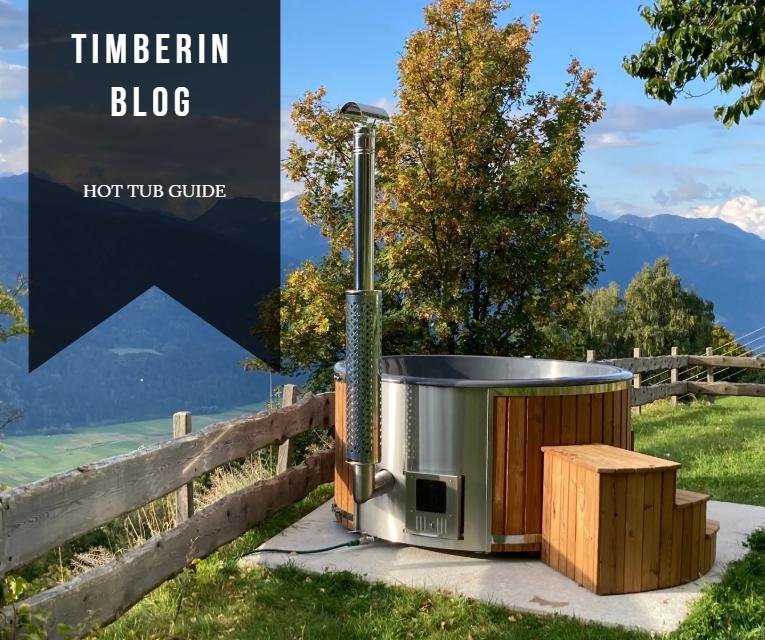
When configuring your dream wood-fired hot tub, one of the first technical choices you face is the stove type: Internal (Snorkel) or External? This choice changes the look of the tub, the amount of space you have for bathing, and how you clean it. It is not just about aesthetics; it is about functionality.
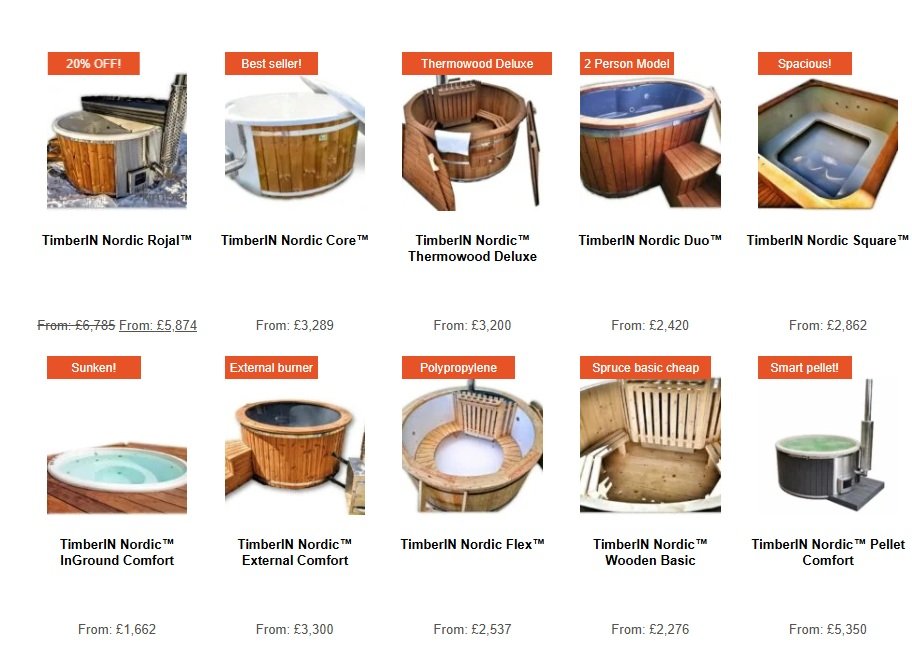
The Internal Stove is the traditional choice, submerged directly in the water. The External Stove sits outside, connected by hoses. Both heat the water effectively, but they do so in different ways with different pros and cons. In this comparison, we will help you decide which configuration suits your garden lifestyle.
The Internal Stove (The “Snorkel”)
This stove sits inside the tub, separated from the bathers by a wooden fence or guard. You load wood from the top.
Pros:
1. Efficiency: Because the stove is surrounded by water, there is almost zero heat loss to the outside air. Every bit of heat from the metal goes into the water.
2. Footprint: The entire heating system is contained within the diameter of the tub. You don’t need extra space on the patio for an external unit. Ideal for tight spaces.
3. Atmosphere: The fire is right there with you. Listening to the crackle and feeling the radiant heat through the water is a very primal, cozy experience.
Cons:
1. Space Loss: The stove takes up significant room inside the tub. A 2-meter tub with an internal stove might only have the seating capacity of a 1.6-meter tub.
2. Cleaning: Removing ash is tricky. You need a long-handled scoop to fish ash out from the top. It can be messy.
3. Debris: Loading wood over the water increases the risk of dropping bark, ash, or bugs into your clean bathwater.
The External Stove
This stove stands next to the tub, connected by two pipes (flow and return).
Pros:
1. Maximum Space: You get 100% of the internal tub space for seating. A small hot tub with an external heater feels much bigger than a medium one with an internal heater.
2. Cleanliness: All the mess of firewood, ash, and smoke stays outside the tub. The water stays cleaner longer.
3. Maintenance: Emptying the ash drawer is as easy as a normal wood burner. Cleaning the stove itself is much simpler.
4. Cover: It is easier to find an insulated cover for a full circle tub than one with a cut-out for a chimney.
Cons:
1. Heat Loss: There is minor heat loss through the hoses and the stove body to the outside air, though modern insulation minimizes this.
2. Frost Risk: The external stove and hoses are more exposed to freezing air. You must be very diligent about draining the stove in winter to prevent ice expanding and cracking the metal jacket.
Which One Heats Faster?
Surprisingly, it is often a tie. While the internal stove loses less heat, external stoves are often built larger and more powerful (e.g., 30-35kW) because they aren’t limited by the tub’s depth. A high-quality external aluminium stove can heat a tub just as fast as an internal stainless steel one.
Häufig gestellte Fragen (FAQ)
Is the internal stove dangerous?
The metal gets hot, but the water cools it. However, the chimney gets very hot. A chimney guard and the wooden fence inside the tub are essential safety features, especially with children.
Can I retrofit an external stove?
Yes, if you have a wooden tub. You can remove the internal stove and drill holes for the external connections. It is harder with fiberglass liners as you risk cracking the shell.
Which is easier to install?
The internal stove comes pre-installed inside the tub. The external stove usually needs to be connected via rubber hoses and jubilee clips upon delivery. It takes about 15-30 minutes extra setup.
Conclusion
The trend is moving towards external stoves. The extra seating space and ease of cleaning usually outweigh the slight efficiency gains of the internal model. However, for a traditional, compact experience in a small urban garden, the internal stove remains a charming choice. Choose based on how many people you want to fit in the tub!