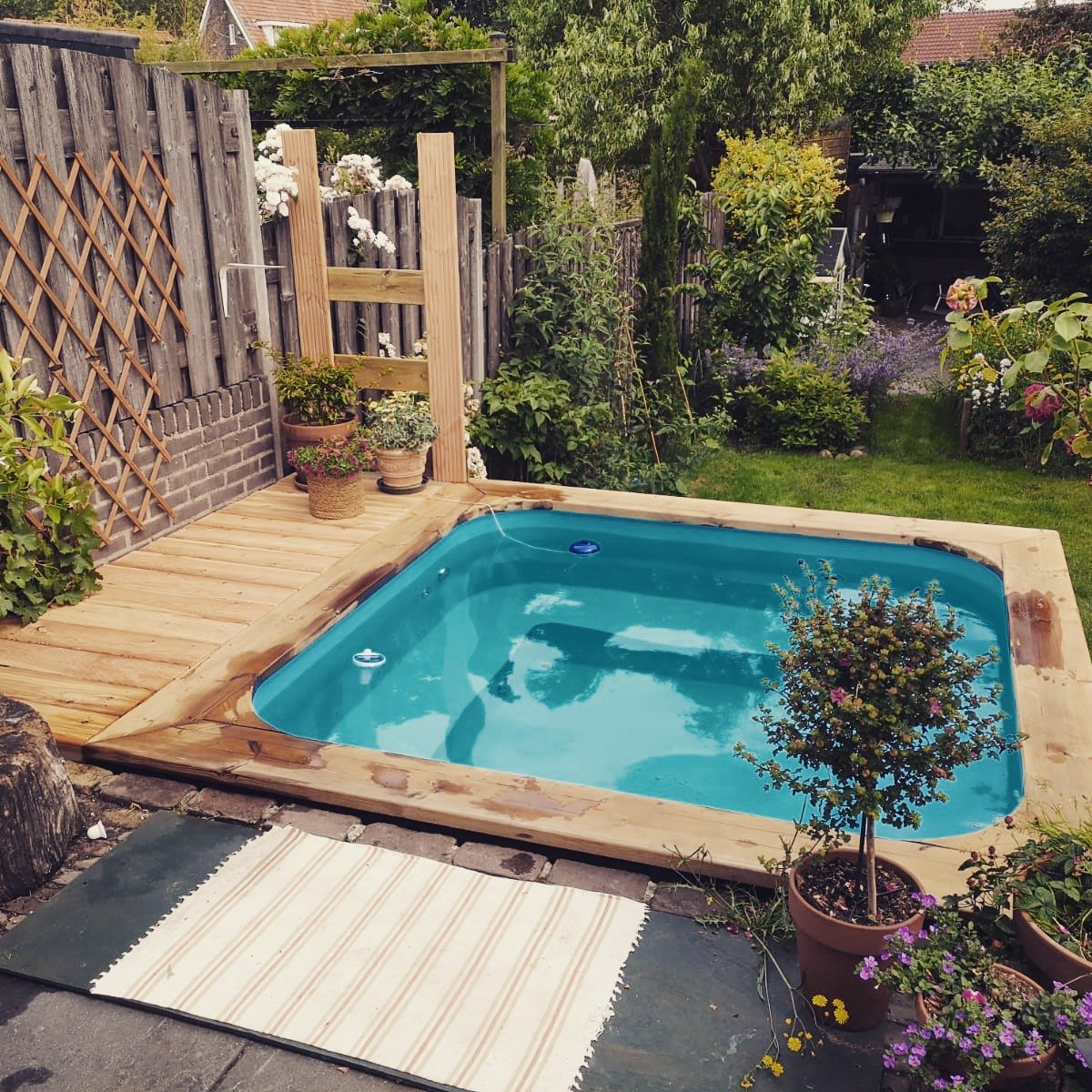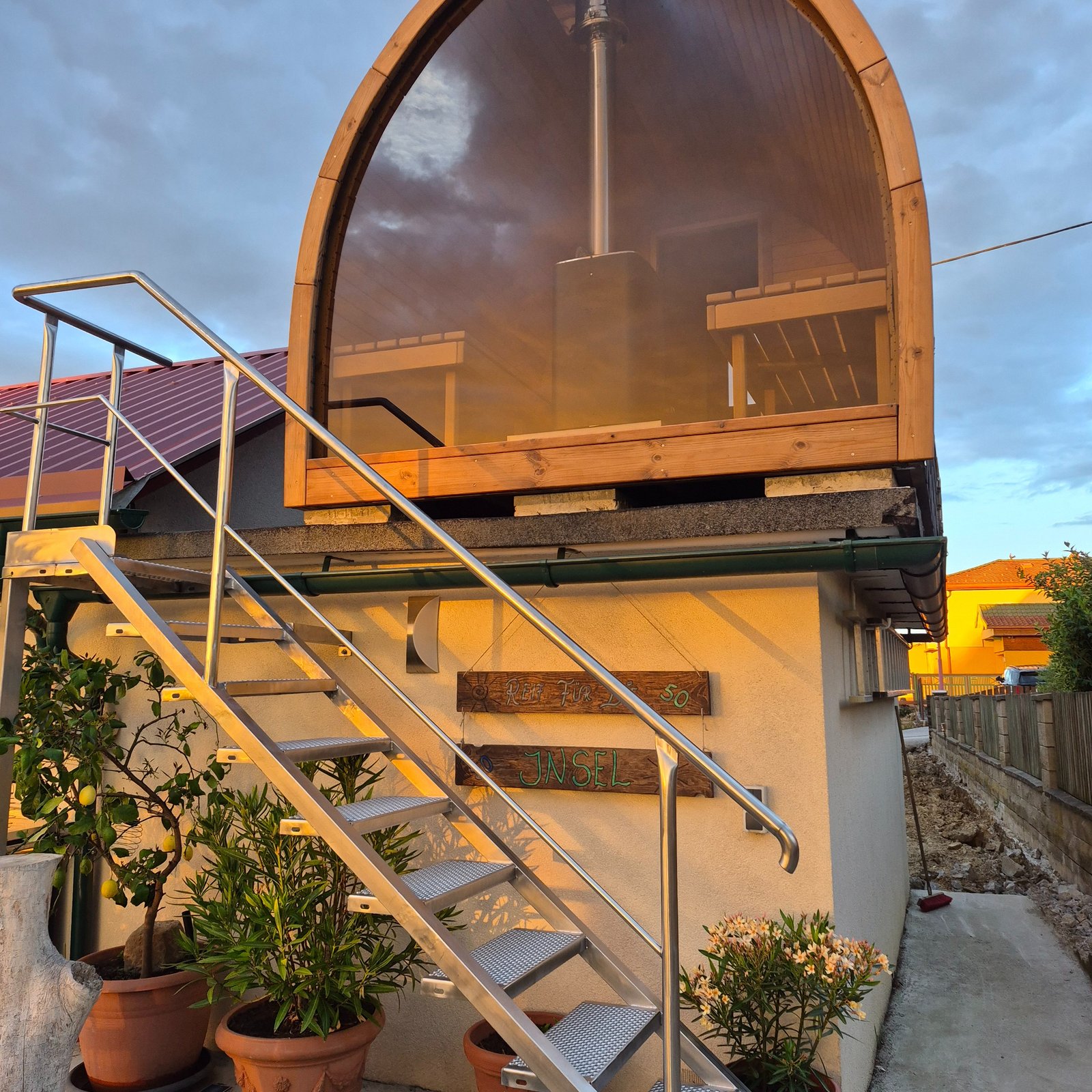

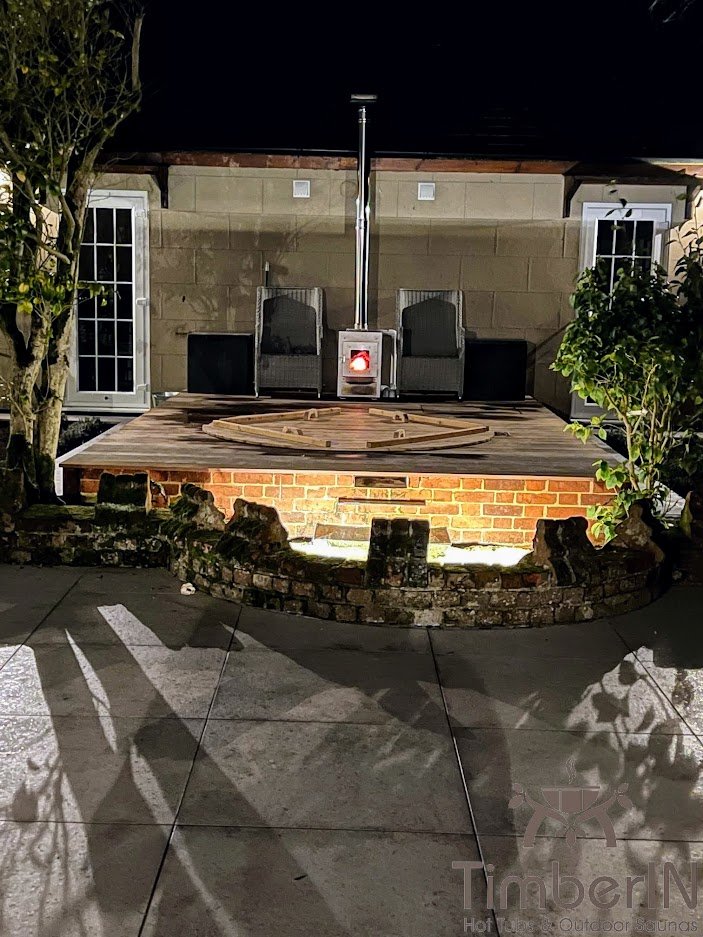
David — Ormesby St Margaret, United Kingdom
TimberIN Nordic™ InGround Comfort
Customer installation photographs.
Review and installation photos →Space for two, planned around you
A good two-person hot tub gives both bathers a comfortable position and leaves enough garden space to use it properly. Start with the seats, then allow for the heater, steps, cover and care routine around them.
The catalogue below puts models with a documented two-person configuration first. That includes purpose-designed oval tubs and selected compact shells within the InGround Comfort family. Larger alternatives follow if your regular group needs more room.
Inside the tubCompare both seated positions, legroom and usable water depth.
Around the tubKeep entry, heater access and cover handling on the plan.
Between soaksChoose heating and water care that fit how often you will use it.
From our customers
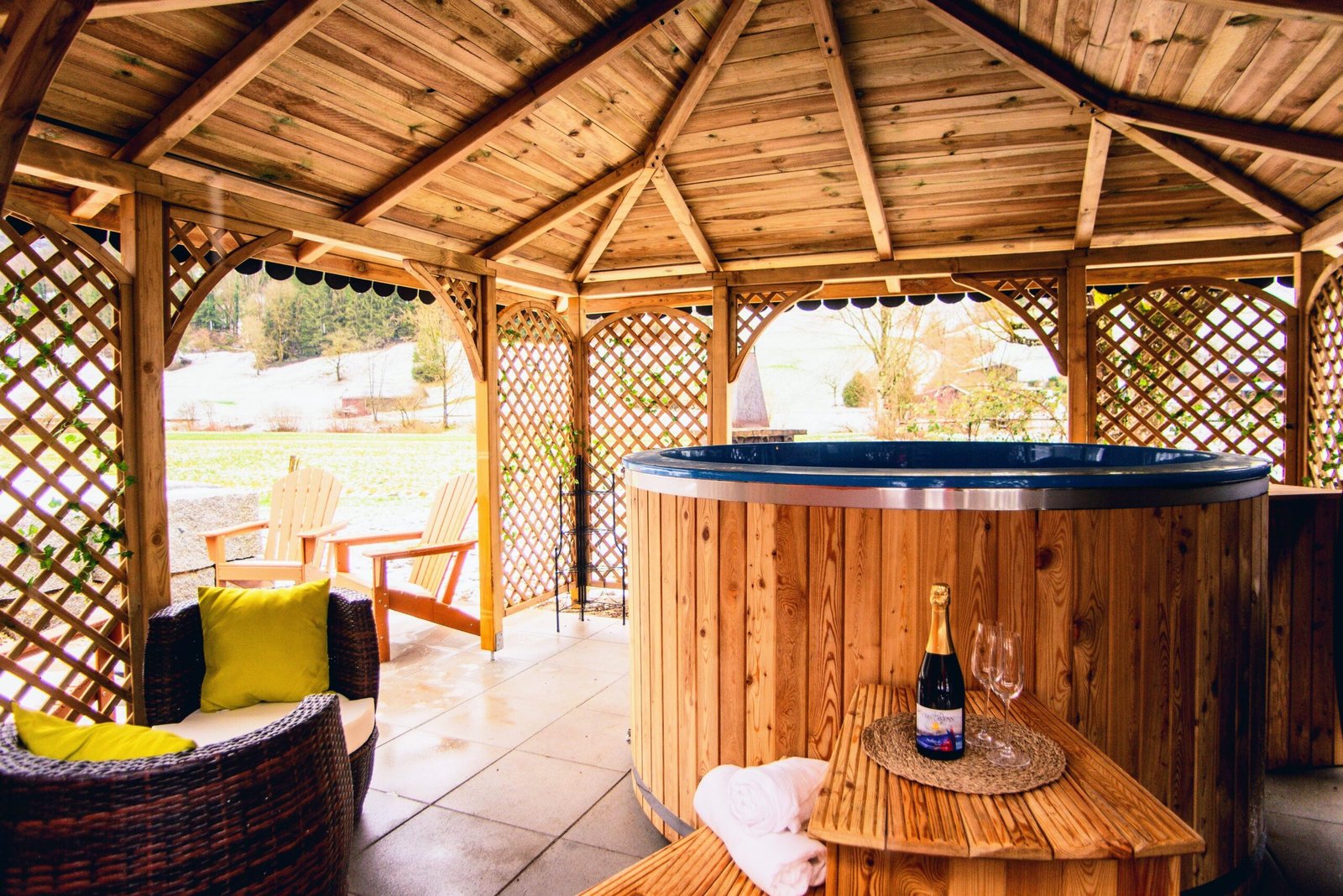
Customer projects matched to the products listed on this page. Earlier specifications and selected options may differ.
Customer projects from United Kingdom.
TimberIN Nordic™ InGround Comfort
Customer installation photographs.
Review and installation photos →
Review and installation photos →Hi, We have managed to install our hot tub, and this weekend was our first use! The hot tub is exactly what we wanted, looks fab, heated quickly and stayed warm for ages!
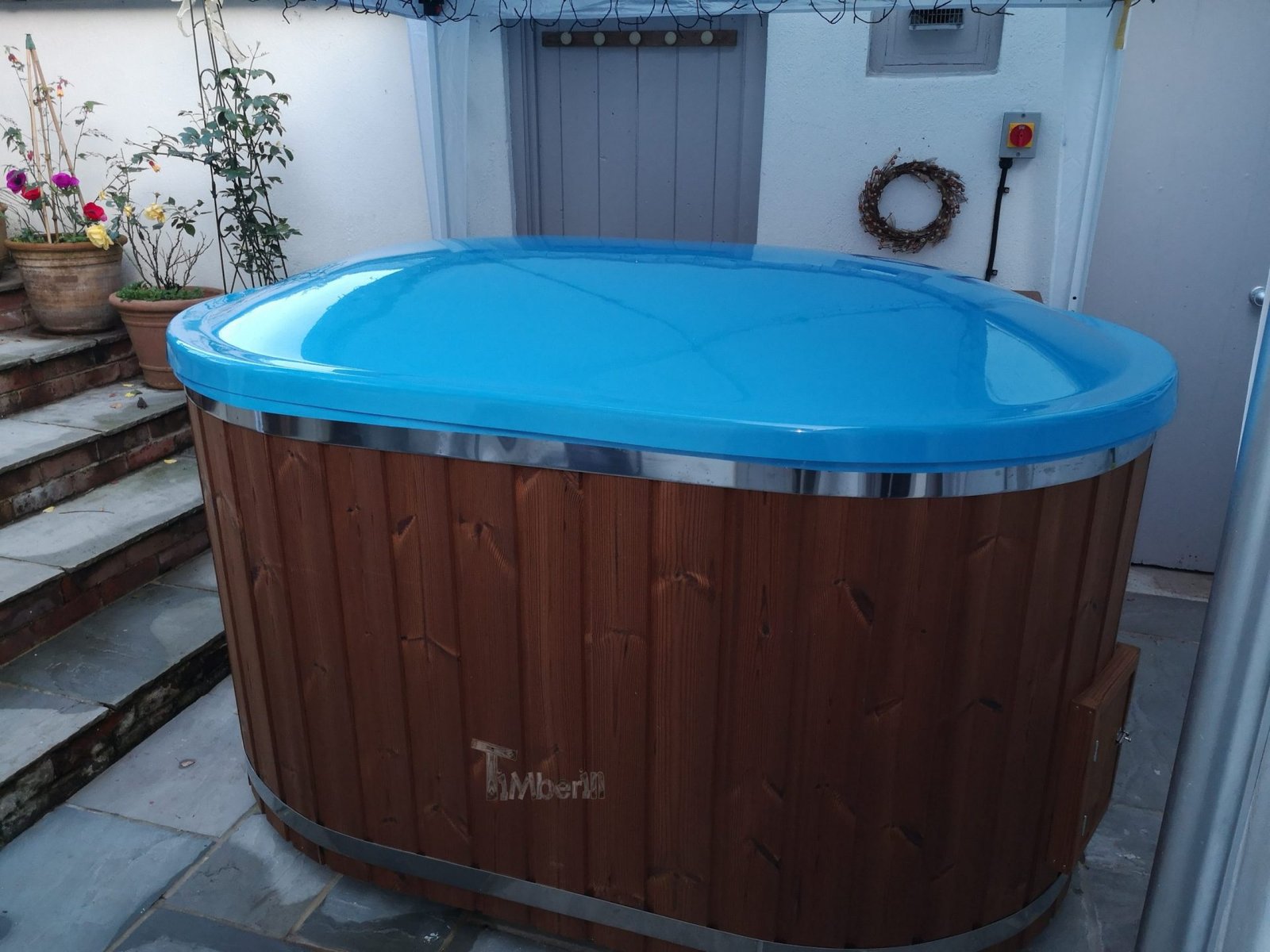
Review and installation photos →Hi Just to say that I am delighted with my hot tub. We have used it most evenings and it has become the highlight of the day.
Start with the seats you need
These models offer a genuine two-person choice. For InGround Comfort, look specifically at TERRACE5 or the compact TERRACE1; other shells in that family have different capacities. Displayed prices belong to the parent product and may differ from your chosen configuration. Open the model to select its current options.
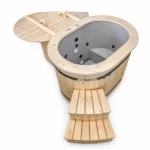
These remaining complete tubs suit a broader comparison when you need extra capacity or a different layout. Both groups use recorded UK store sales to order equally relevant models, with a stable order for ties. The guide below helps you judge whether the extra space is useful for your routine.
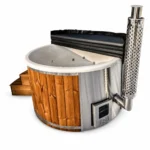
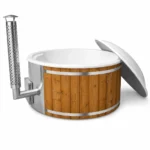
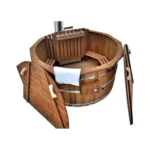
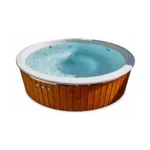
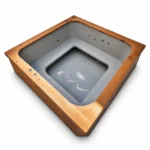
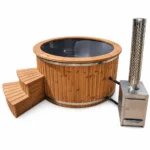
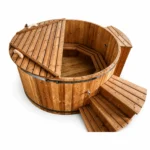
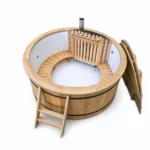
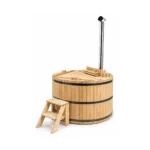
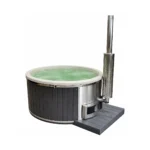
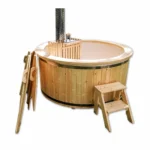
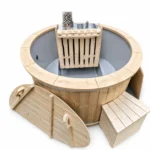
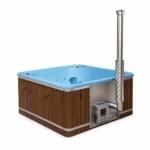
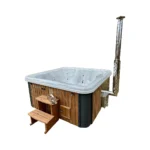
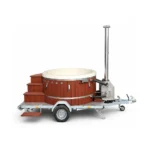
01 / The people
Choose for the pair who will normally use the tub. A capacity label cannot tell you whether one person’s knees meet the other’s feet, whether the bench supports a comfortable posture or whether both can get in without stepping across a heater guard. These are everyday details, and they matter more than the largest number a vessel can accommodate.
Ask for an interior plan and a section showing the seat, floor and normal water level. Compare the usable length between the sitting positions, the width at shoulder level and the foot space below. A photograph taken from above can make a narrow footwell look generous; an outside dimension includes the walls and says little about where your legs will go.
For the taller person: record whether you prefer bent knees, a more extended leg position or room to change posture. Ask how the opposite seat and any internal heater affect that movement.
For the shorter person: check seated immersion, footing and the route back to the steps. A deeper shell is useful only if the sitting position feels secure and allows a comfortable water level.
An oval often gives a pair two defined positions across a long, narrow plan. A compact round tub offers a different arrangement, with more freedom to turn towards one another but potentially less separation between knees. Neither shape guarantees comfort. If an internal or snorkel heater is fitted, include its guard in the drawing before judging the remaining seating area.
Deep, upright soaking has its own appeal. The Japanese-style and ofuro soaking guide explains that approach in more detail. Here, the buying test is practical: can both regular users sit, move and leave the water comfortably in the actual selected model?
02 / The construction
Start by identifying the surface that holds the water. Timber cladding around a fibreglass or polypropylene liner gives a wooden exterior while the liner forms the bathing vessel. A solid-timber tub puts the wood itself in contact with the water. That changes the cleaning and material-care instructions, so appearance alone is an incomplete comparison.
| Model | What makes it relevant | Decision to settle |
|---|---|---|
| Nordic Duo | Fibreglass oval designed for one or two bathers. | Choose the live electric, external wood-fired or hybrid arrangement. |
| InGround Comfort | TERRACE5 is a one-to-two-person oval; TERRACE1 is a compact two-to-three-person round shell. | Name the exact shell before designing its support and surrounding finish. |
| Nordic Duo Wood | Solid-timber Ofuro for one or two bathers. | Accept the timber-care routine and confirm the current production drawing. |
| Nordic Oval Duo | Polypropylene oval with closed seating for one or two. | Plan the external stove and decide whether the offered electric add-on is useful. |
Nordic Duo gives couples a choice of heat source without moving to a large family shell. The current configurator offers four exterior timbers. Duo Wood has a more specific appeal: direct contact with a timber vessel, with spruce or Thermowood currently selectable. Its external-stove option keeps the firebox outside the seats; a no-heater selection needs a separately agreed system.
Oval Duo uses a polypropylene liner and closed benches. Its current main heater selection is external wood-fired, with a separate optional 6 kW electric heater offered in the equipment choices. Read those selections together. The presence of an electric accessory does not establish that every alternative heating arrangement is available as a complete package.
InGround Comfort deserves particular care when comparing cards. The parent product contains several very different shells. TERRACE5 is the focused oval choice for two; TERRACE1 offers a compact round alternative with an internal heater. The larger TERRACE shells do not become two-person models simply because they share that product page.
Keep each model’s name, selected variant and drawing together. Some published dimensions and older sheets differ, particularly across the wooden and lined Ofuro versions. For a tight gate, recess or terrace, have the current production dimensions confirmed before committing to the surrounding work.
03 / The garden
Marking the tub’s outline is a useful first step. Then walk around it as though the equipment were already there. Can you approach the steps with a towel, remove the cover, reach the drain and clean the outside without shifting furniture? A tub that technically fits can still make a small garden awkward to use.
For early perspective, the linked Nordic Duo sheet lists an outside plan of approximately 1,900 × 1,190 mm. That is not the space needed for its whole installation. Its separately listed steps are about 830 mm long and 780 mm wide, and an external heater needs its own position. Confirm the orientation and final equipment drawing before adding these dimensions to a garden plan.
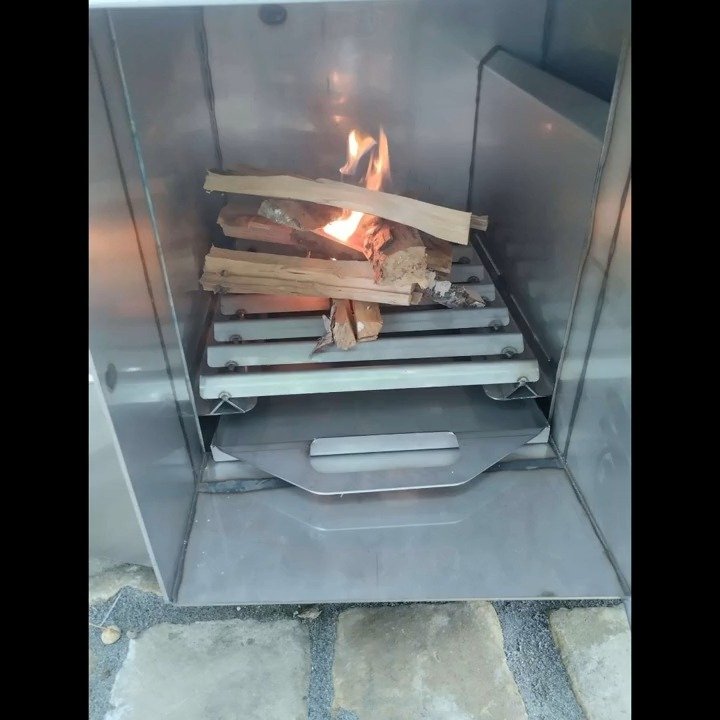
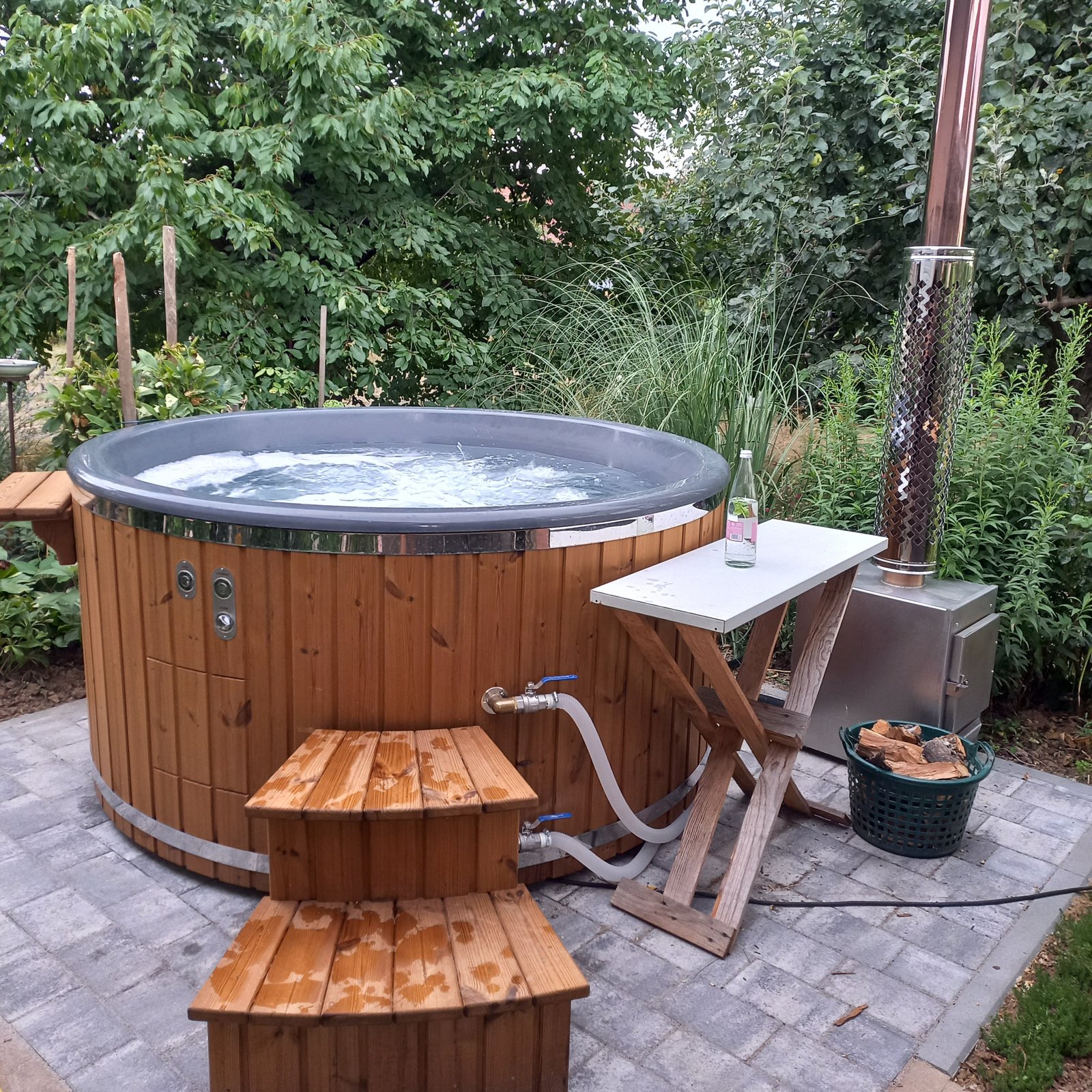
Leave the stove-loading side accessible from outside the tub. An external heater preserves the bathing interior but may change which way the oval should face. An internal heater reduces some outside equipment space while occupying room within the vessel. The best solution depends on both the garden and the seats, not just on which tub has the narrowest rim.
A cover also needs a handling plan. Ask about its dimensions, weight, lifting method and storage position for the selected model. The person preparing a solo soak may have to manage it alone. Nearby fences, planting and shelter posts can make that simple action harder, even when they do not touch the tub.
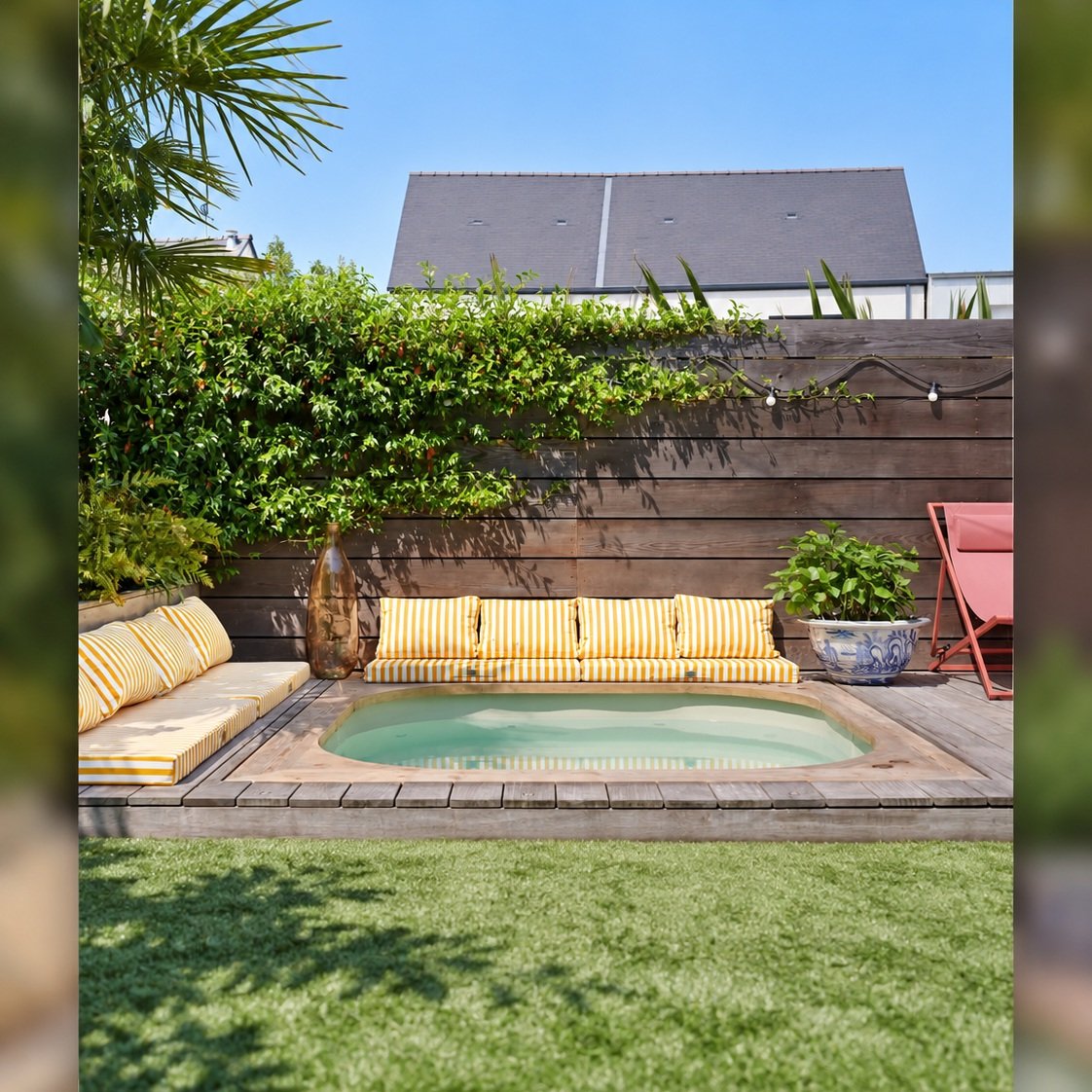
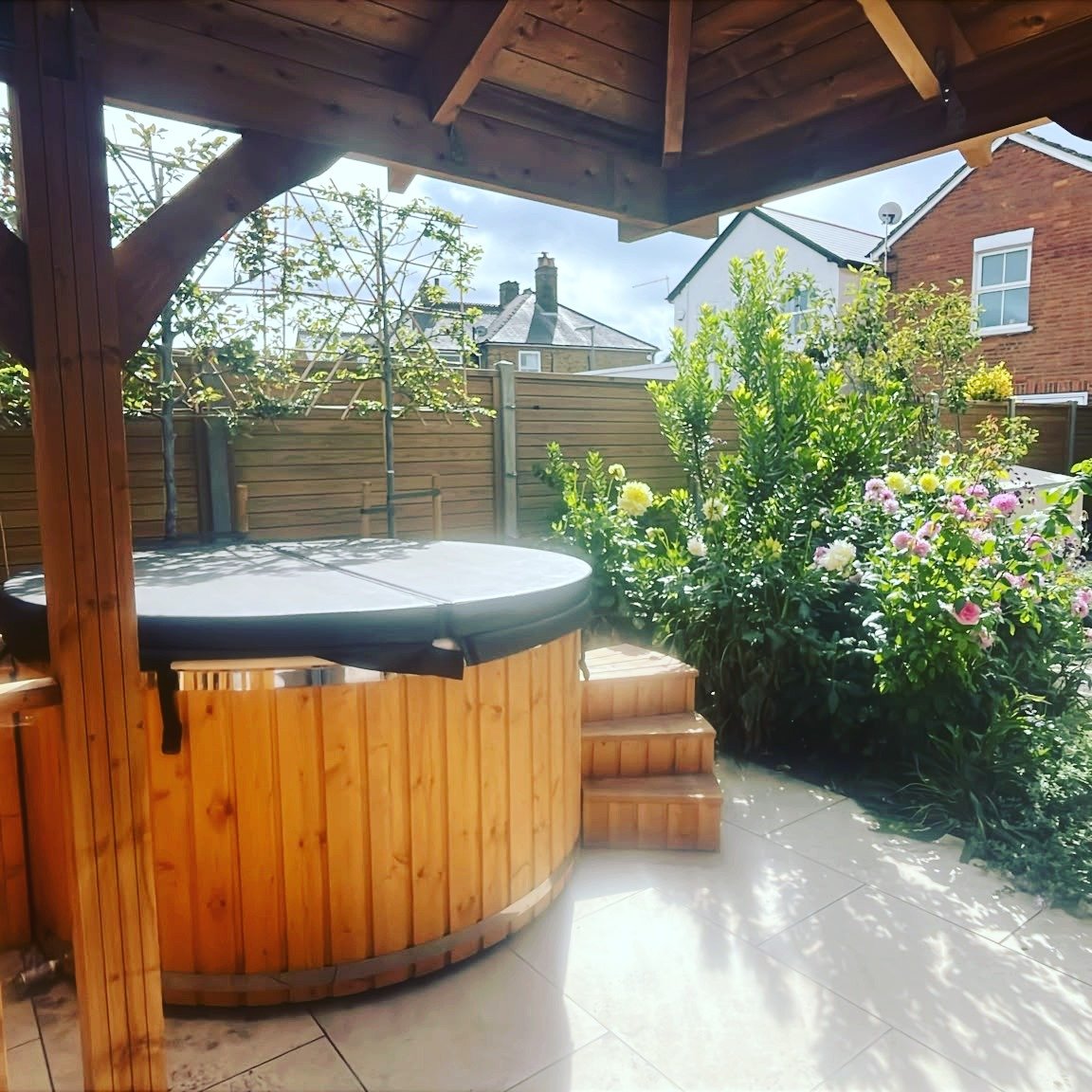
For paths, screening and the relationship with the rest of the plot, use the garden hot-tub planning guide. A photograph of a sheltered installation is inspiration for layout; the chosen heater’s instructions must determine whether your proposed shelter and chimney arrangement are suitable.
04 / The evenings
Think about a normal evening rather than an exceptional weekend. Wood-fired heating can suit people who enjoy preparing a fire and supervising the warm-up. It brings fuel storage, ash handling and an accessible stove into the routine. If those tasks would discourage frequent use, the size of the tub alone will not solve the mismatch.
Electric heating supports a more scheduled approach where the selected equipment and site supply allow it. Compact does not mean suitable for an ordinary outdoor socket. Have the complete heater, pump and accessory requirements checked for your property before ordering. A hybrid system adds flexibility, but it also means specifying, controlling and maintaining two heat sources.
The wood-fired hot-tub guide covers fire-led ownership across the range. For this two-person decision, compare where the heater goes, how you will prepare the water and who will carry out those tasks when only one of you wants a soak.
The documented oval models are around 1,000 litres. That is a meaningful water and heating commitment, even for two people. Ask for the selected operating volume rather than estimating it from a photograph or the number of seats.
Less water requires less energy for the same temperature rise, all else being equal. Actual warm-up also depends on useful heater output, starting water temperature, weather, insulation and cover use. Do not turn a family tub’s heating time into a two-person promise by dividing it in half. Request an estimate for the selected system with its assumptions stated.
Consider the whole preparation window: filling, heating and the checks before use. A smaller vessel may make that easier to organise, but the practical benefit depends on whether you drain after use or maintain the water for another session.
05 / The days between
Two regular bathers do not remove the need to care for warm water and connected equipment. Decide whether your approved setup will use fresh water for a short bathing period or retain water for repeated use. Ask for that routine with the order so you can judge the time, equipment and water use before buying.
A fill-and-drain routine needs suitable filling and discharge arrangements, plus cleaning of the tub and relevant pipework. Allow for the heater to cool and follow its instructions before draining. A retained-water routine needs the compatible circulation, treatment, testing and cleaning steps specified for the system. A cover helps keep debris out; it does not perform those other jobs.
The water-care guide explains these separate responsibilities. Follow the chosen equipment manuals and current treatment labels, rather than transferring a dose or maintenance interval from somebody else’s tub. The real operating volume matters, especially when using a smaller vessel.
Material choice belongs in this decision. A lined tub has a different water-contact surface from a solid-timber one. If the natural timber of Duo Wood is part of the attraction, understand the instructions for wetting, drying and cleaning it. Do not assume that leaving a wooden vessel empty for a long gap is the same routine as storing a lined tub.
Optional massage and filtration equipment also need access and care. Choose bubbles or water jets because both users want them, and include their pumps and lines in the plan. A simpler configuration can be appealing for quiet soaking, provided it still has the equipment and procedures required for your chosen water routine.
Before winter or a long absence, agree the correct shutdown or operating method for the complete system. Emptying the visible vessel is not proof that every pipe, pump and heater is drained. Keep those instructions with the model documents so the routine is easy to follow when the weather changes.
06 / The size decision
A larger tub can be the right choice if friends or family regularly join you. It may give a couple more freedom to change positions too. The trade-off is the additional vessel, water, cover and garden space you maintain during ordinary two-person use. Compare those consequences before treating an upgrade in capacity as an automatic improvement.
Write down how often more than two people will realistically bathe. If it is part of the weekly routine, compare the four-person options alongside the compact models. If guests are occasional, decide whether their visits justify a larger installation throughout the rest of the year.
Starting prices are also influenced by construction and equipment, so the smallest model is not necessarily the least expensive complete project. Compare selected heaters, covers and useful accessories on the same basis. A lower product price can lose its advantage if it requires site changes your preferred compact model would avoid.
The affordable hot-tub guide considers value in more detail. For a couple, good value means paying for the comfort and routine you will use: appropriate seats, manageable preparation, reliable access and an agreed care method. Equipment you rarely use still takes space and may need maintenance.
07 / The route in
A narrow installed outline does not prove that the delivered package will pass through the same gap. Packaging, the rim and the permitted handling orientation can change the route. Obtain the packed dimensions and weight for the selected order, including separately supplied equipment, before deciding that a side passage is wide enough.
Measure the clear opening at gates and doors, then check the turns beyond them. Include hinges, projecting handles, changes in level, low eaves and the space needed to move safely. Photograph the route from the delivery stopping point to the base and ask which handling method is suitable. Do not assume a rigid shell can be tilted or dismantled to solve a tight corner.
The base must support the filled installation and its users. Around 1,000 litres of water alone is approximately one tonne before adding the vessel, heater and people. Use the base-preparation guidance with the selected support drawing, and arrange competent assessment where an existing deck or structure is involved.
Finally, agree who unloads, who moves the tub into position and who completes the required connections and checks. Recessed shells need particularly careful coordination because their services must remain reachable after the surround is finished. A useful enquiry includes your two users’ seating preferences, the measured route, available operating space and preferred heating routine.
No capacity label guarantees individual comfort. Check the actual seats, usable legroom, water level and heater guard against both users. Models documented for larger groups remain alternatives even when a couple could use them.
A lower water volume reduces the energy needed for the same temperature rise, with other conditions unchanged. The selected heater, initial temperature, insulation, cover and weather determine the real preparation time and cost.
Some current models offer electric or hybrid choices; others list an electric add-on to a wood-fired setup. Check the exact product and complete configuration, then confirm the required supply before ordering.