
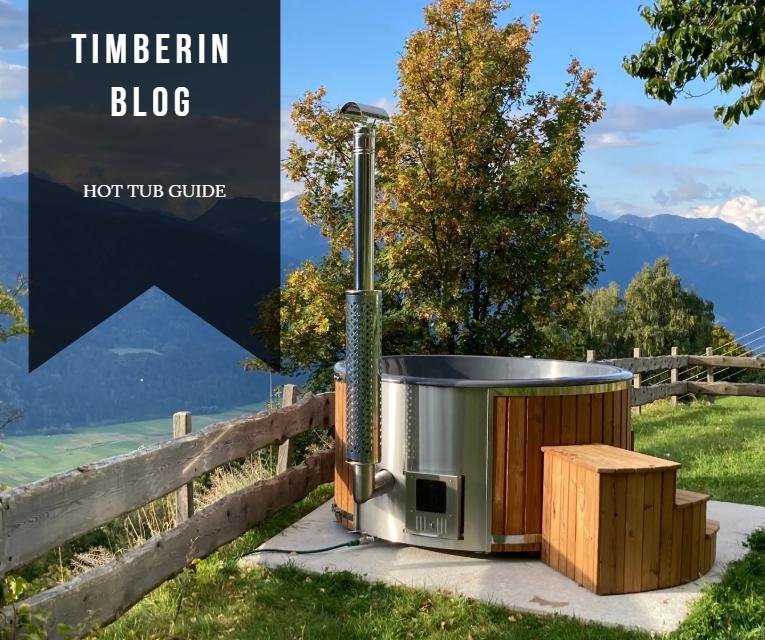
There is a primal allure to the log burner hot tub. It taps into an ancient human instinct: the comfort of gathering around a fire. Unlike clinical, electric spas that hum with machinery, a log burner tub breathes. It requires interaction. You feed it, you control the airflow, and in return, it rewards you with a heat that feels deeper and more satisfying than anything a thermostat can provide.
However, operating a wood-fired stove (whether internal or external) is a skill. It is not as simple as “press play.” Many new owners fall into traps that can lead to smoky gardens, lukewarm water, or even damaged equipment. In this honest guide, we will explore the real pros and cons of ownership and reveal the most common mistakes beginners make—so you don’t have to learn the hard way.
The Pros: Why Wood Wins
1. Off-Grid Independence
The biggest advantage is freedom. A log burner needs no electricity. This means you can install your tub in a remote corner of the garden, by a fishing lake, or at an eco-cabin without worrying about trailing cables or installing expensive armoured power supplies.
2. Immense Heating Power
Electric heaters are limited by the domestic power supply (usually 3kW for plug-in or 6-9kW for hardwired). A decent log burner outputs 30kW to 35kW of thermal energy. It is a beast. It can take freezing water to bathing temperature in under 2 hours, whereas an electric heater might take 24 hours.
3. The Atmosphere
You cannot quantify the “vibe,” but it is real. The smell of woodsmoke, the ritual of chopping kindling, and the silence of a gravity-fed system create a mindfulness experience that digital spas lack.
The Cons: The Reality Check
1. Temperature Control
There is no “stop” button on a fire. If you over-stoke the stove, the water can hit 45°C+, making it unusable until you add cold water. Learning to regulate the air vents to maintain a steady 38°C takes practice.
2. The Smoke Factor
In dense urban areas, smoke can annoy neighbours. While a hot fire with dry wood is relatively smokeless, the lighting phase almost always produces some smoke. You need to be considerate of wind direction and drying laundry.
3. Ash Management
You are essentially running a fireplace. The ash drawer needs emptying every 2-3 uses. If you neglect this, airflow is restricted, and the fire dies (or the grate warps from overheating).
Common Mistakes (And How to Fix Them)
Mistake #1: Using Wet Wood
This is the number one cause of complaints. “My tub takes 5 hours to heat!” or “My neighbours hate the smoke!”
The Fix: Only use kiln-dried hardwood (Ash, Birch) with a moisture content below 20%. Wet wood wastes energy boiling off its own water content before it can heat your tub. It produces steam, tar, and acrid smoke.
Mistake #2: Lighting from the Bottom
Most people crumple paper, throw logs on top, and light it. This suffocates the flame and creates billowing smoke.
The Fix: Use the “Top-Down Method.” Place large logs at the bottom, medium logs in the middle, and kindling/firelighters on top. The fire burns downwards like a candle. It heats the flue instantly (creating a draw) and burns the wood gas cleanly as it rises.
Mistake #3: Forgetting the Water Level
Lighting the stove when the water level is too low (below the top inlet pipe) is catastrophic. The water jacket in the stove must be full.
The Consequence: Without water to absorb the heat, the aluminium or steel stove will melt, warp, or crack within minutes. This is usually a total write-off not covered by warranty.
Mistake #4: Draining in Winter (Incorrectly)
Water expands when it freezes.
The Fix: If you are not using the tub in winter, you must drain the tub AND open the specific plug on the heater itself. A cup of water trapped inside the stove jacket can split the metal when it freezes.
Frequently Asked Questions (FAQ)
Can I burn coal?
Generally, no. Coal burns much hotter than wood and can damage the stainless steel or aluminium stove structure. Use compressed wood briquettes if you need a longer, hotter burn.
Does the chimney get hot?
Yes, dangerously hot. Always install a heat guard (mesh sleeve) around the lower part of the flue to prevent burns, especially if children are around.
How do I cool it down if it gets too hot?
Close the air intake vents on the stove to starve the fire. Remove the insulated lid. Add cold water from a hose. Do not drain the water while the fire is still hot!
Conclusion
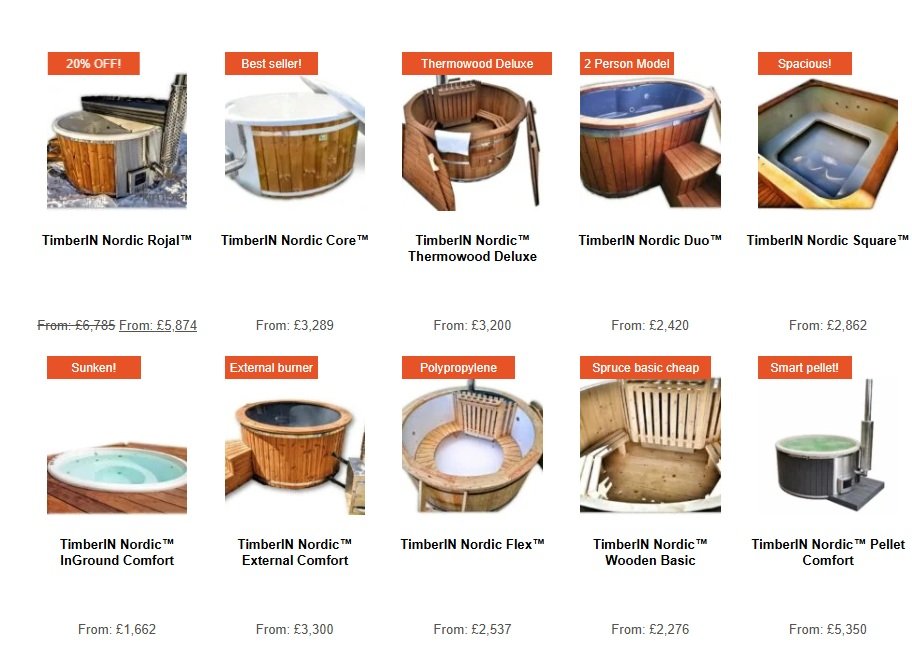
A log burner hot tub is a rewarding, hands-on experience that reconnects you with the elements. By avoiding the common pitfalls—mostly wet wood and poor winter care—you can enjoy years of reliable, low-cost bathing. Browse our range of wood-fired hot tubs to find your perfect match.