
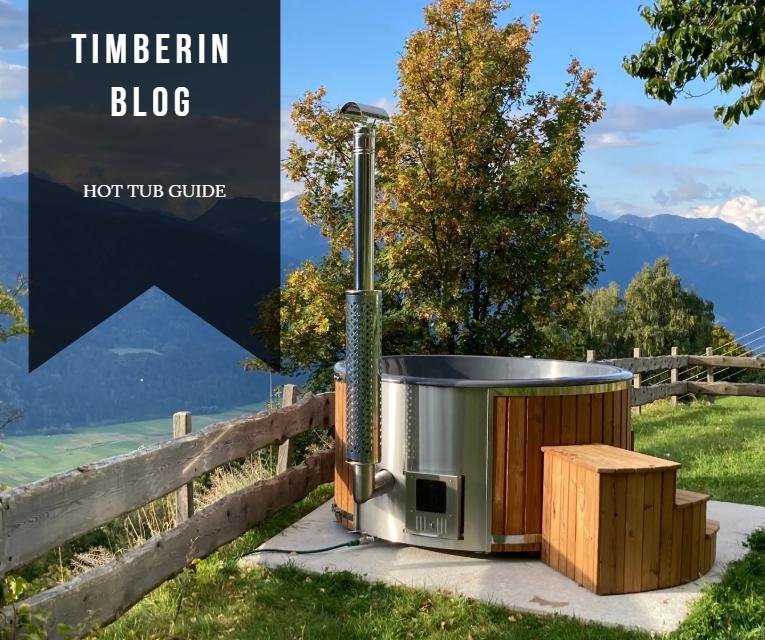

Owning a wooden hot tub is a source of pride and relaxation, but it also demands more attentive care than conventional acrylic or plastic spas. With the right maintenance routine, you can preserve its beauty, structural integrity, and performance for many years. In this comprehensive guide, you’ll discover step-by-step advice on water chemistry, wood care, seasonal tasks, and common issue resolution.
Why Maintenance Matters
- Longevity and durability: A well-maintained wooden hot tub can last 10–20 years or more.
- Aesthetic appeal: Proper wood treatment keeps the tub looking rich and prevents unsightly greying or cracking.
- Safe, hygienic water: Balanced water care prevents bacteria growth, scale deposits, and damage to internal components.
- Minimizing costly repairs: Early detection of leaks, cracks, or wear can spare expensive repairs down the road.
Core Maintenance Categories
To maintain a wooden hot tub effectively, you should consider four main areas of care:
- Water & chemical balance
- Filter & circulation system
- Wood care (exterior and interior)
- Seasonal & preventative maintenance
1. Water & Chemical Balance
Daily / Before Use
- Test sanitizer levels with strips (chlorine, bromine, or alternatives).
- Check pH (7.2–7.8) and alkalinity range.
- Rinse off body oils before use to reduce contaminants.
Weekly
- Add anti-foam / defoamer to prevent foaming.
- Rinse and inspect filter.
- Check water line and remove scum build-up.
Monthly
- Add a water-clarity agent if needed.
- Check wood & interior surfaces for stains or algae.
Every 3–6 Months
- Drain, scrub, and refill the tub.
- Replace disposable filters.
2. Filter & Circulation System
- Rinse filters with a garden hose (avoid pressure washers).
- Use a filter cleaning solution periodically.
- Remove debris around the skimmer and intake suction.
- Check pump and pipes for leaks or wear.
3. Wood Care (Exterior & Interior)
Exterior (Outside Wood)
- Apply wood oil or protective treatment twice a year.
- Avoid rigid varnishes or paints that trap moisture.
- Touch up coatings annually or as needed in sunny or wet climates.
Interior (Wood in Contact with Water)
- Do not seal interior wood – let it naturally swell for watertightness.
- Clean scum lines gently after draining with a mild cleaner.
- Monitor for cracks, gaps, or swelling and adjust tightening bands if present.
4. Seasonal & Preventative Tasks
Winter / Cold Weather
- Drain the tub or add antifreeze to plumbing if freezing temperatures are expected. See winter preparation guide.
- Use a heavy-duty insulated cover.
- Maintain light circulation or heating if possible.
Summer / Heat
- Check water level more often due to evaporation.
- Test sanitizers frequently with heavy usage.
- Consider a UV cover or shade structure.
Annual Inspections
- Check for leaks and keep the base dry.
- Inspect plumbing and heating fittings for corrosion.
- Tighten or adjust wood bands when needed.
Troubleshooting Common Issues
| Problem | Cause | Solution |
|---|---|---|
| Leaks between staves | Wood shrinkage from dry conditions | Allow wood to swell, adjust bands |
| Wood discoloration | UV exposure/weathering | Recoat with wood treatment |
| Cloudy water | Imbalanced chemistry or algae | Shock treatment, rebalance, clean filter |
| Cracks or splits | Drying or stress | Sand/fill affected wood, maintain humidity |
| Scaling | Hard water, high pH | Use anti-scaling agents, lower pH |
Maintenance Schedule Summary
- Daily: Test sanitizer, pH, rinse before use
- Weekly: Filter rinse, anti-foam, surface cleaning
- Monthly: Inspect wood & interior, add clarifier
- Quarterly: Drain, deep clean, replace filters
- Bi-annual: Exterior wood treatment
- Seasonal: Winterizing or summer upkeep
Tips to Extend Lifespan
- Install the tub on level, well-draining ground.
- Use an insulated, rigid cover when not in use.
- Keep a maintenance calendar or log.
- Shock and sanitize water after long breaks.
Conclusion
Proper and consistent maintenance is the key to preserving the beauty, function, and safety of your wood-fired hot tub. While it involves more effort than a standard acrylic spa, the natural aesthetics and environment-friendly appeal make it worthwhile. By following the water care, wood treatment, seasonal, and troubleshooting practices outlined above, your wooden hot tub can provide decades of relaxation and enjoyment.
FAQ – Wooden Hot Tub Maintenance
How often should I change the water in a wooden hot tub?
For normal family use, plan to drain, clean, and refill every 3–6 months. With heavy use or poor water balance, change more frequently.
How often should I oil or treat the exterior wood?
Most wooden hot tubs benefit from exterior oiling twice per year – typically in spring and autumn – or more often in very sunny or wet climates.
Should I seal or varnish the inside of a wooden hot tub?
No. The interior staves should remain unsealed so the wood can absorb water, swell, and create a natural watertight seal.
Is it normal for a new wooden hot tub to leak?
Yes. Minor leaks between staves are common during the first few fills while the wood swells. These usually stop after 24–72 hours of soaking.
How do I stop leaks between the wooden staves?
Keep the tub filled so the wood can swell, then tighten the metal bands gradually. Avoid overtightening in one go, which can damage the staves.
What pH and sanitizer levels should I maintain?
Aim for a pH of 7.2–7.8 and follow your chosen sanitizer’s recommended range (e.g. chlorine or bromine) to keep water safe and protect components.
How often should I clean or replace the filter?
Rinse filters weekly and use a filter cleaner monthly. Replace disposable filters every 3–6 months, depending on usage and water quality.
How can I prevent the wood from going grey?
Use a UV-protective, breathable exterior oil and reapply regularly. Avoid solid varnishes or paints that trap moisture and accelerate cracking.
What is the best way to protect a wooden hot tub in winter?
Either keep it running with freeze protection and good insulation, or fully winterize by draining, drying, and protecting plumbing and fittings from frost.
Why is my water cloudy even though I’m using chemicals?
Cloudiness usually indicates imbalanced water or dirty filters. Test and rebalance chemistry, shock the water, and clean or replace the filter as needed.