
Scandinavian Hot Tubs – Authentic Nordic Bathing by Design
Scandinavian hot tubs are more than outdoor wellness products. They are part of a Nordic way of life, shaped by climate, tradition, and a deep connection to nature. Long before modern spas and acrylic jacuzzis existed, people in Northern Europe used wood-heated water as a daily ritual for warmth, recovery, and social connection.
Today, Scandinavian hot tubs continue this tradition in its most authentic form — simple, durable, and designed to work in real outdoor conditions. This page explains what truly defines a Scandinavian hot tub, why Nordic and Baltic craftsmanship matters, and how TimberIN continues this heritage through modern engineering without losing its soul.
-
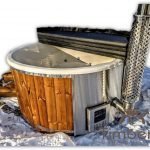 20% OFF!TimberIN Nordic Rojal™
From: €6,954From: €6,021 -
 Best seller!TimberIN Nordic Core™From: €3,371
 -
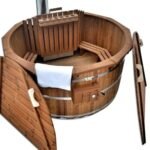 Thermowood DeluxeTimberIN Nordic™ Thermowood DeluxeFrom: €3,280
 -
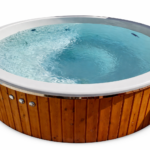 Electric!TimberIN Nordic Family™ ElectricFrom: €2,975
 -
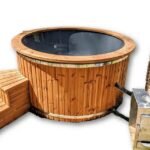 External burnerTimberIN Nordic™ External ComfortFrom: €3,382
 -
 PolypropyleneTimberIN Nordic Flex™From: €2,600
 -
 Spruce basic cheapTimberIN Nordic™ Wooden BasicFrom: €2,333
 -
 4 Person ModelTimberIN Nordic™ Snorkel CompactFrom: €2,963
 -
 ValueTimberIN Nordic Value™
From: €3,269From: €2,931
Scandinavian Hot Tubs
Start here
Buyer guide
What Is a Scandinavian Hot Tub?
A Scandinavian hot tub is a wooden, outdoor hot tub traditionally heated by fire, built to operate year-round in cold and demanding climates. Unlike modern spa products that rely on complex electronics, Nordic hot tubs are based on natural materials, thermal efficiency, and straightforward construction.
Key characteristics include:
- Solid wood construction
- Wood-fired heating as the primary method
- Deep water level for full-body immersion
- Designed for outdoor use in all seasons
- Minimal dependence on electricity
This type of hot tub originates from the Nordic region — Sweden, Finland, and the wider Baltic area — where bathing is deeply integrated into everyday life, often alongside sauna use.
Nordic Origins: Sweden, the Baltics & Northern Europe
The roots of Scandinavian hot tubs lie in Northern Europe’s climate and culture. Long winters, limited daylight, and cold temperatures made warm water bathing essential not only for hygiene but for physical and mental wellbeing.
Swedish Hot Tubs
In Sweden, outdoor hot tubs are traditionally used alongside saunas and lakes. The concept focuses on contrast bathing — hot water followed by cold air or water — a practice known for improving circulation and recovery. Swedish hot tubs emphasize simplicity and robustness, often heated with wood and used communally.
Baltic Hot Tubs
The Baltic region has become a modern center of Nordic hot tub manufacturing, combining traditional designs with refined woodworking skills. Baltic hot tubs are widely recognized for:
- Precision wood processing
- Advanced thermowood treatment
- Export-grade build quality
- Strong focus on longevity
Today, many of Europe’s premium Scandinavian hot tubs are crafted in the Baltics, where Nordic tradition meets contemporary production standards.
What Truly Makes a Scandinavian Hot Tub Different
Not every wooden hot tub is Scandinavian in nature. Authentic Nordic hot tubs are defined by how and why they are built, not just how they look.
Built for Cold Climate Use
Scandinavian hot tubs are engineered for environments where temperatures regularly drop below freezing. This influences:
- Wall thickness
- Stove power and placement
- Water volume and heat retention
- Material selection
These tubs are not seasonal products — they are designed to be used in snow, wind, and frost.
Wood-Fired Heating Comes First
In Nordic design, fire is central. Wood-fired heating offers:
- Fast and powerful heat output
- No reliance on electricity
- Natural bathing experience
- Lower long-term running costs
Electric heaters may be added for convenience, but in true Scandinavian hot tubs, they are optional — not essential.
Honest, Repairable Construction
A real Nordic hot tub is built to last decades, not years. Components are:
- Replaceable
- Serviceable
- Modular
There is no sealed plastic shell that forces full replacement after a few seasons. This mindset reflects Scandinavian values of sustainability and practicality.
Traditional Materials Used in Scandinavian Hot Tubs
Material choice is critical in Nordic hot tub design. Each element serves a purpose beyond appearance.
Wood Types
Commonly used woods include:
- Thermowood – heat-treated for stability, rot resistance, and long lifespan
- Spruce – traditional, lightweight, and effective in cold climates
- Larch – naturally dense and moisture-resistant
These woods are selected for their ability to handle temperature changes, moisture, and outdoor exposure.
Stainless Steel Heating Systems
Scandinavian hot tubs rely on marine-grade stainless steel stoves, capable of withstanding constant heat, water contact, and seasonal stress. Proper stove design ensures:
- Efficient heat transfer
- Safe operation
- Long service life
Scandinavian Hot Tubs vs Modern Acrylic Spas
While both serve the purpose of hot water relaxation, the philosophy behind them is fundamentally different.
Scandinavian hot tubs focus on:
- Fire and water
- Natural materials
- Silence and simplicity
- Outdoor ritual
- Long-term ownership
Modern acrylic spas prioritize:
- Electronics and automation
- Indoor-style comfort
- Chemical filtration
- Shorter product cycles
For those seeking authenticity, connection to nature, and durability, Scandinavian hot tubs remain unmatched.
The TimberIN Nordic Standard
TimberIN builds Scandinavian hot tubs according to Nordic principles, not market trends. Our approach is rooted in the Baltic tradition of craftsmanship, refined for modern European use.
TimberIN hot tubs are:
- Designed for real outdoor environments
- Built with cold-climate engineering in mind
- Manufactured using proven Nordic construction methods
- Delivered directly from the manufacturer
We focus exclusively on outdoor wellness products, allowing us to refine every detail — from wood selection to stove placement — without compromise.
Rather than chasing mass production or showroom aesthetics, TimberIN prioritizes function, durability, and authenticity.
Designed for Year-Round Nordic Use
A Scandinavian hot tub should feel just as natural in winter as it does in summer. TimberIN tubs are engineered for:
- Snow load resistance
- Freezing temperatures
- Repeated heating and cooling cycles
- Long soaking sessions outdoors
This is not a decorative product — it is a functional bathing system designed for frequent use.
Who Chooses Scandinavian Hot Tubs?
Scandinavian hot tubs appeal to people who value experience over excess features. Typical owners include:
- Homeowners seeking authentic outdoor wellness
- Sauna owners expanding their Nordic bathing setup
- Eco-conscious users avoiding high electricity use
- Wellness cabins and retreats
- People who appreciate craftsmanship and longevity
These users are not looking for flashing lights or complex controls — they want real warmth, real materials, and real calm.
Sustainability & Nordic Responsibility
Sustainability has always been part of Scandinavian design — long before it became a marketing term. Traditional hot tubs reflect this mindset by:
- Using renewable wood resources
- Relying on fire instead of constant electricity
- Being repairable rather than disposable
- Offering decades of use
A well-built Scandinavian hot tub is not replaced — it is maintained, upgraded, and passed on.
Scandinavian Hot Tubs in Modern Living
Today, Nordic hot tubs fit naturally into modern lifestyles:
- Private gardens
- Countryside homes
- Lakeside cabins
- Eco lodges
- Wellness projects
They blend timeless design with practical comfort, offering a calm alternative to fast-paced, technology-heavy living.
Are Scandinavian hot tubs always wood-fired?
Traditionally, yes. Wood-fired heating is central to the Nordic bathing experience, though electric or hybrid options can be added.
Are Baltic hot tubs considered Scandinavian?
Yes. Baltic hot tubs follow the same Nordic design principles and craftsmanship traditions and are widely recognized as part of the Scandinavian hot tub category.
Can Scandinavian hot tubs be used in winter?
Absolutely. They are designed specifically for cold climates and are often enjoyed most during winter months.
What makes Scandinavian hot tubs better for outdoor use?
Their materials, construction methods, and heating systems are engineered for temperature extremes and year-round exposure.
A Return to Authentic Nordic Bathing
Scandinavian hot tubs represent a return to simple, meaningful wellness. They are not about excess features or short-term trends, but about warmth, water, and time spent outdoors.
By choosing a Scandinavian hot tub built to Nordic standards, you invest in a product shaped by centuries of tradition — refined for modern life, yet faithful to its origins.
This is not just a hot tub.
It is Nordic bathing, as it has always been meant to be.