
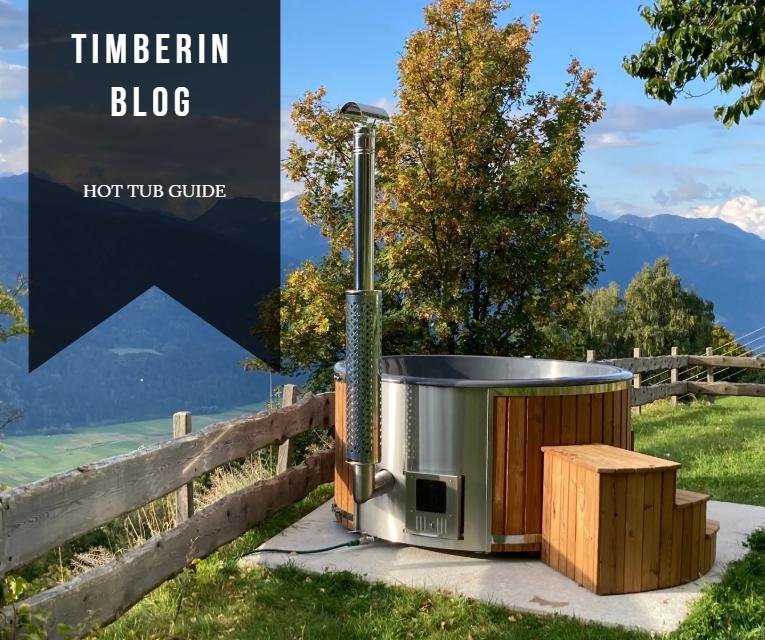
Winter can be tough on hot tubs. Freezing temperatures, snow, and wind put extra stress on plumbing, heaters, and wood. With a few smart steps, you can prevent damage, reduce costs, and keep your spa safe and inviting. This guide covers pre-winter prep, whether to run or winterize, water chemistry in the cold, freeze protection, troubleshooting, and reopening in spring.
Why Winter Care Matters
- Prevent freeze damage: Water expands when frozen and can crack pipes, pumps, and heaters.
- Reduce running costs: Good insulation, a tight cover, and proper settings save energy.
- Protect water quality: Cold slows chemical reactions—consistent testing keeps water safe.
- Extend lifespan: Proactive care avoids costly mid-winter repairs.
1) Pre-Winter Preparation
Inspect & Repair
- Check all joints, unions, gaskets, valves, and heaters for leaks or wear.
- Clean/replace filters to maximize flow; clogged filters increase freeze risk.
- Flush lines and pumps to clear debris; confirm insulation panels are dry and intact.
Balance Water & Shock
- Target pH 7.2–7.8, stable alkalinity, and appropriate calcium hardness.
- Shock/oxidize before the first cold snap to start clean.
- Consider an enzyme or winter algaecide if your usage is low.
Cover & Insulation
- Use a heavy-duty, well-sealing insulated cover; repair torn vapour barriers.
- Add windbreaks (fencing/hedge) and foam board under or around the cabinet where safe.
- Wrap exposed pipes with pipe insulation or heat tape as needed.
2) Run Through Winter vs. Full Winterization
A) Keep the Tub Running
Pros: Ready to use; no drain/blow-out required.
Requirements: Maintain circulation daily, set a safe temperature above freezing, and ensure components are rated for cold.
- Circulate water several hours/day (or per manufacturer).
- Check temperature hold; avoid large heat swings.
- Monitor more frequently during cold snaps.
B) Winterize (Drain & Shut Down)
Pros: Eliminates freeze risk if done correctly; no ongoing energy costs.
- Power off, then drain completely, including pumps, heater, and low points.
- Blow out plumbing with low-pressure air (approx. 30–50 psi).
- Remove and store filters indoors (clean and dry).
- Add spa-safe antifreeze to traps/low sections if any moisture remains (never automotive antifreeze).
- Vent the cover slightly to prevent condensation and mildew.
3) Freeze Protection Essentials
- Freeze/anti-ice modes: Enable any built-in freeze protection/programs.
- Heat tape & insulation: Wrap exposed plumbing runs.
- Smart monitoring: Use alerts for temperature drops or heater faults if available.
- Storm protocol: In extreme cold, increase circulation and check the tub more often.
4) Winter Water Care (If Operating)
- Test sanitizer, pH, and alkalinity at least twice per week; adjust promptly.
- Shock weekly, especially after heavy use.
- Rinse/clean filters more often; cold water can trap oils and soap residues.
- Top up evaporation; using lukewarm top-up water reduces thermal shock.
- Pre-dissolve chemicals in warm water before dosing in very cold conditions.Winter Problems & Fixes
| Problem | Likely Cause | What To Do |
|---|---|---|
| Frozen pipes or cracked heater | Standing water froze in lines/components | Winterize properly (drain/blow-out) or maintain circulation & freeze mode; insulate exposed areas |
| Heater overworking | Large temp differential; heat loss | Improve cover seal, add windbreaks/insulation, moderate setpoint |
| Cloudy/green water | Low sanitizer; reduced reaction rates | Shock, rebalance, clean filters, consider partial drain/refill |
| Cover sag/warp | Snow/ice weight; trapped moisture | Clear snow promptly; ventilate periodically; repair vapour barrier |
6) Reopening After Winter (If Winterized)
- Inspect plumbing, heaters, unions, and seals before filling.
- Flush lines, then fill with fresh water and check for leaks.
- Install clean filters; balance pH/alkalinity/hardness; shock & sanitize.
- Increase temperature gradually; verify pumps and controls under load.
7) Energy & Cost-Saving Tips
- Use an insulated, tight-sealing cover and add a floating thermal blanket if compatible.
- Lower the setpoint a few degrees during long idle periods.
- Add windbreaks/shelters to cut convective heat loss.
- Keep filters clean to reduce pump run-time and heater strain.
Key Takeaways
- Decide early: run through winter (with freeze protection) or fully winterize.
- Balance water and shock before hard frosts; test more often in cold weather.
- Upgrade insulation, seal the cover, and protect exposed plumbing.
- Use smart monitoring and have a storm checklist ready.
Conclusion
Winter hot tub care is about prevention and consistency. Whether you keep the tub running or shut it down, following the steps above will protect your plumbing and equipment, maintain water quality, and ensure your spa is ready when you are—all winter long and into spring.
FAQ – Winter Care for Hot Tubs
Do I need to winterize my hot tub or can I run it all winter?
Both options are viable. If you want to use the tub regularly, keep it running with good insulation, a tight cover, active circulation, and freeze protection enabled. If you won’t use it for weeks or months, fully winterize by draining, blowing out lines, and shutting down the system to eliminate freeze risk.
What temperature should I keep my hot tub at in winter?
For regular use, many owners keep water around 37–40 °C. If you want to save energy between sessions, you can lower the setpoint slightly, but avoid letting temperatures approach freezing unless you plan to fully winterize and drain the spa.
How does freeze protection work on a hot tub?
Many systems include a freeze or anti-ice mode that automatically circulates and heats water when temperatures drop near a set threshold. This movement prevents standing water in pipes and equipment from freezing and helps protect pumps, heaters, and plumbing.
What’s the most important pre-winter maintenance step?
Thoroughly inspect and repair leaks, clean or replace filters, and confirm that insulation, cabinet panels, and the cover are in good condition. Starting the cold season with clean, balanced water and a tight, insulated shell dramatically lowers freeze risk and running costs.
Can I use my hot tub during snow and freezing weather?
Yes, as long as the tub is properly insulated, the cover seals well, and circulation and freeze protection are active. You’ll need to monitor water levels, temperature, and equipment more frequently during cold snaps.
How often should I test water chemistry in winter?
Test pH, alkalinity and sanitizer at least twice per week if the tub is running. Cold water slows chemical reactions, so consistent testing and occasional shock treatments help keep water clear and safe.
What’s the safest way to shut down a hot tub for winter?
Turn the power off, drain the shell completely, blow out plumbing lines with low-pressure air, drain pumps and heaters, remove and dry filters, and add spa-safe antifreeze to any traps or low sections where water may remain. Finally, fit a tight, insulated cover and check periodically for moisture.
How can I prevent pipes and the heater from freezing?
If the tub is running, maintain circulation, enable freeze mode, and insulate or wrap exposed plumbing. If it’s shut down, ensure all water is drained or blown out and consider spa-safe antifreeze in vulnerable low points. Good insulation and a sealed cover are essential in both cases.
Why is my heater working harder in winter?
In cold weather, the difference between water temperature and air temperature is much larger. Heat is lost faster through the cover, cabinet and pipework. Improving insulation, adding windbreaks, and using a well-fitting cover can reduce heater run-time and energy consumption.
How do I restart my hot tub after winter?
Inspect plumbing and equipment, close drains, and fill with fresh water. Check for leaks while filling, reinstall clean filters, balance chemistry (pH, alkalinity, hardness), shock and sanitize, then bring the temperature up gradually and verify that pumps, jets, and controls work correctly under load.