
You have decided to invest in a hot tub. You can already picture yourself soaking under the stars. But before you buy, you face the single biggest decision in the hot tub world: Wood-fired or Electric? This isn’t just a choice of heating element; it is a choice between two completely different lifestyles.

One offers romance, tradition, and off-grid independence. The other offers convenience, precision, and instant gratification. In this head-to-head comparison, we will break down the costs, maintenance, noise levels, and usability of both systems to help you decide which one belongs in your garden.
1. The Heating Experience: Ritual vs. Switch
Wood-Fired:
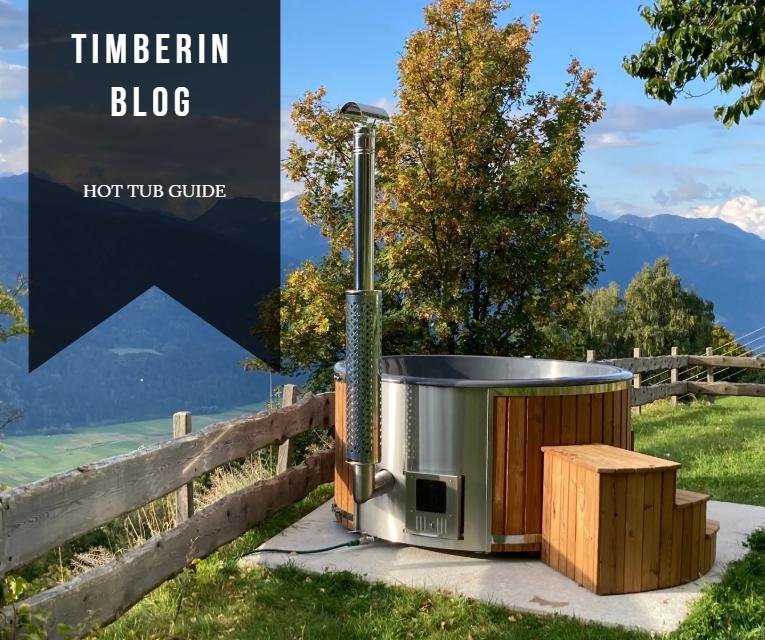
Using a wood-fired hot tub is an active process. You must plan ahead. You light the fire, you feed it logs, you stir the water. For many owners, this ritual is part of the stress relief—a way to disconnect from screens and engage with the elements. It typically takes 2-3 hours to heat up.
Electric:
Using an electric tub is passive. You set the thermostat to 38°C, and it stays there, 24/7. When you want to bathe, you simply take off the lid and get in. It is perfect for spontaneous dips after work. However, heating from cold with electricity takes a long time (often 12-24 hours depending on the kW rating), so electric tubs are usually kept hot permanently.
2. Running Costs: The Wallet War
Wood-Fired:
Generally much cheaper to run on a per-session basis. If you buy kiln-dried logs in bulk, a heating cycle might cost £3-£5. If you have access to your own wood, it’s free. Crucially, there is no “standby” cost. If you don’t use the tub for two weeks, it costs you nothing.
Electric:
Electric tubs must be kept warm to be convenient, meaning they consume power constantly to fight against the ambient temperature. In a cold UK winter, a poorly insulated electric tub can add £50-£100 a month to your electricity bill. Modern electric wooden hot tubs with good insulation and air-source heat pumps are more efficient, but still represent a monthly commitment.
3. Noise: Silence vs. Hum
Wood-Fired:
Unless you add an optional bubble system, a wood-fired tub is completely silent. You hear the crackle of the fire and the nature around you. This silence creates a deeply meditative atmosphere.
Electric:
Electric tubs rely on pumps to circulate water through the heater and filtration system. There is always a low-level hum. If you turn on the massage jets, it becomes loud—often requiring you to raise your voice to speak. It is a high-energy environment rather than a tranquil one.
4. Maintenance and Complexity
Wood-Fired:
Technically simple. There are no circuit boards to fail, no sensors to calibrate. Maintenance involves emptying ash from the stove and cleaning the tub. However, because they lack continuous filtration (unless added), you usually change the water more frequently (every few weeks) or use it for shorter periods.
Electric:
Technically complex. They have pumps, ozonators, heaters, and control panels. While this keeps the water clean for months (meaning fewer water changes), parts can fail and require specialist repair. You must also balance chemicals (pH, alkalinity, chlorine) more strictly to protect the equipment.
Comparison Table
| Feature | Wood-Fired Tub | Electric Hot Tub |
|---|---|---|
| Heat Up Time | 1.5 – 4 Hours | 12 – 24 Hours (from cold) |
| Running Cost | Low (Pay as you go) | High (Monthly bills) |
| Noise | Silent | Constant Hum / Loud Jets |
| Maintenance | Low Tech / frequent water change | High Tech / chemical balance |
| Installation | Anywhere (no power needed) | Requires Hardwired Electric |
Häufig gestellte Fragen (FAQ)
Can I have both?
Yes! Hybrid models exist. They use an electric heater to maintain a base temperature (e.g., 15°C) to prevent freezing and reduce heat-up time, and a wood stove to boost it to 38°C for bathing. This offers the best of both worlds.
Is a wood burner smoky?
Only if you use wet wood or load it incorrectly. With dry, seasoned logs and a proper flue, the smoke is minimal and disperses high up.
Which adds more value to a property?
Both are desirable. Electric tubs appeal to those wanting convenience, while wood-fired tubs are highly sought after for holiday lets and rural properties for their “experience” factor.
Conclusion
If you want a spa that is ready instantly and offers powerful massage, go electric. If you want a beautiful, silent, eco-friendly experience that connects you with nature—and saves you money on bills—the wood-fired hot tub is the clear winner. It’s not just a bath; it’s an adventure.