
Charles — London, United Kingdom
TimberIN Nordic™ Thermowood Deluxe
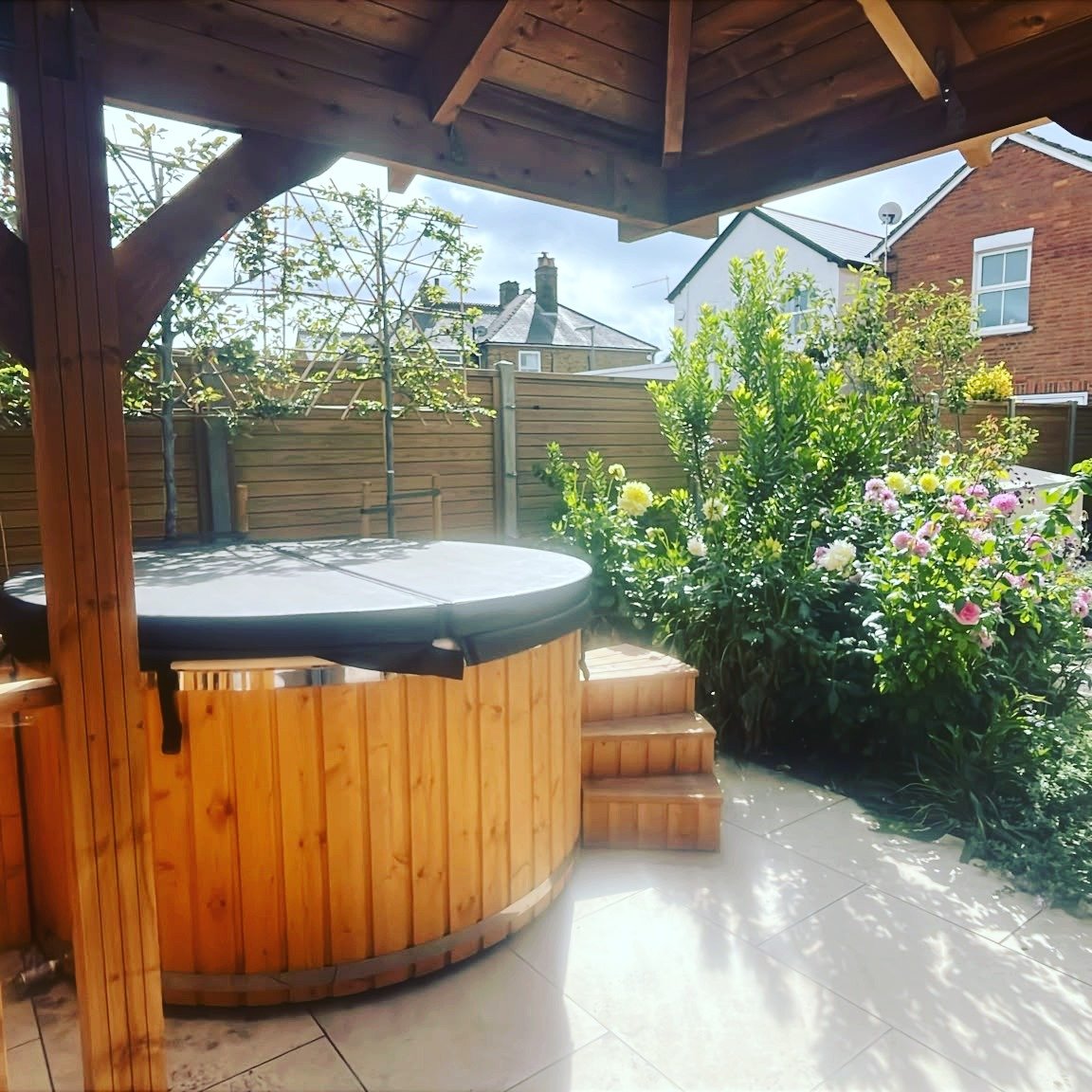
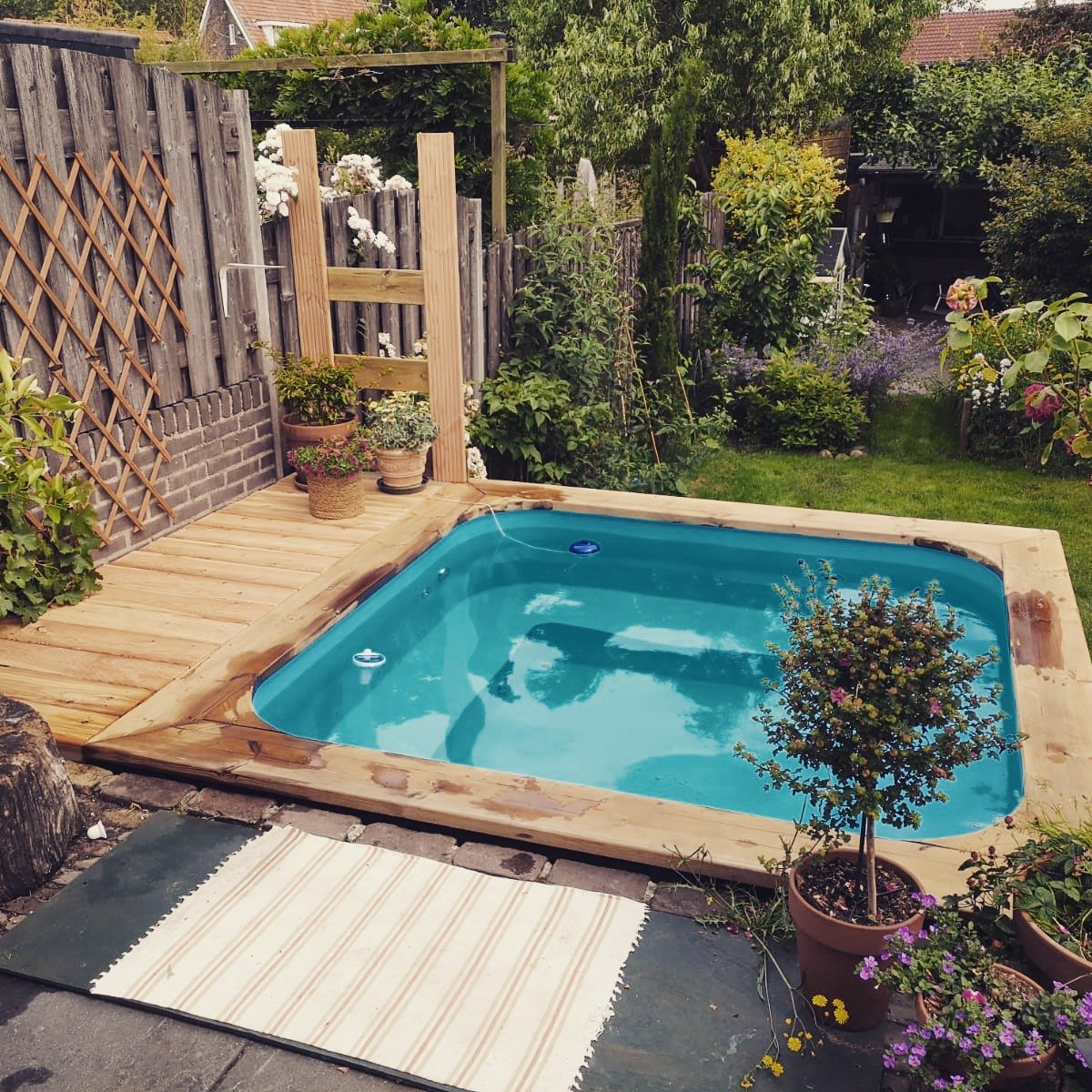
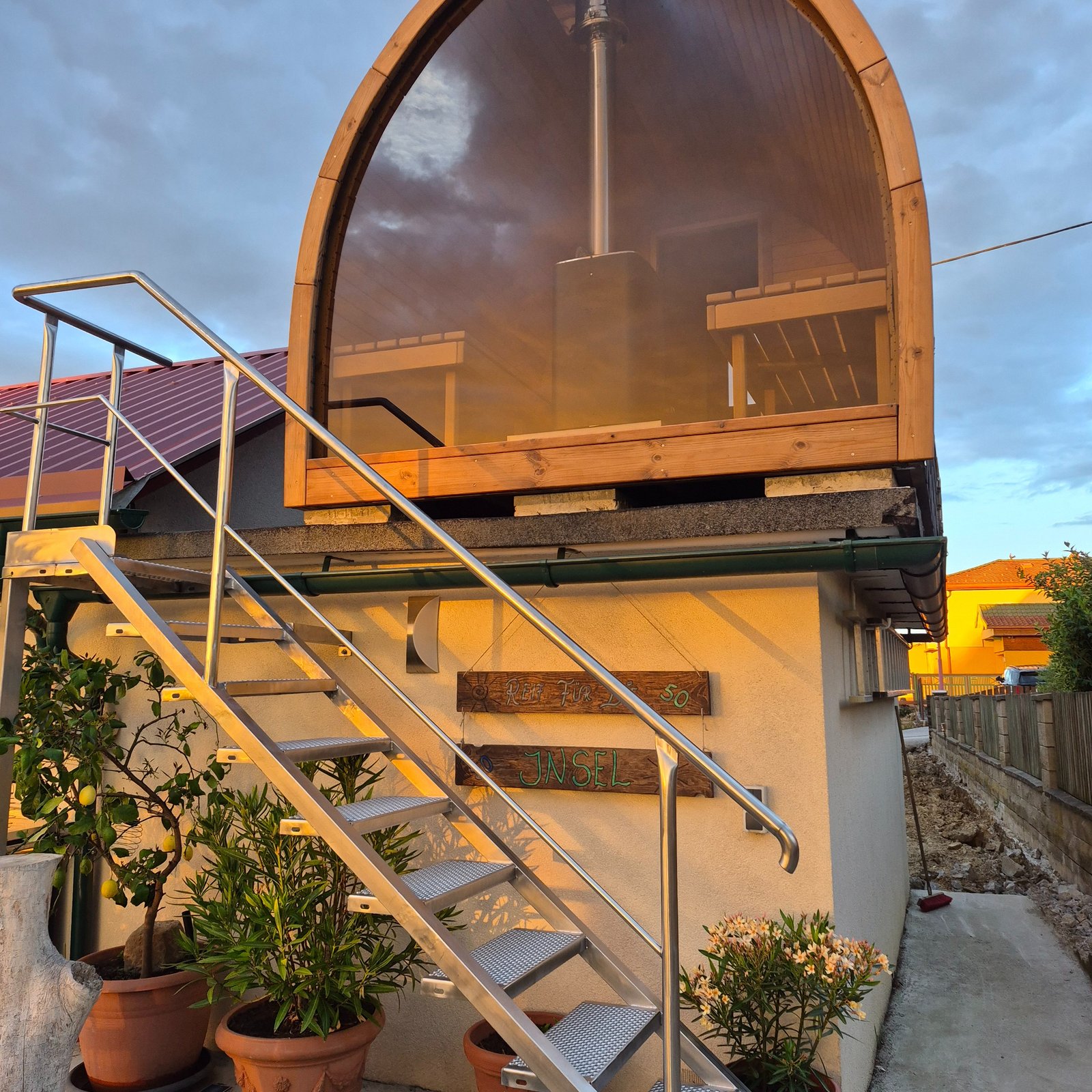
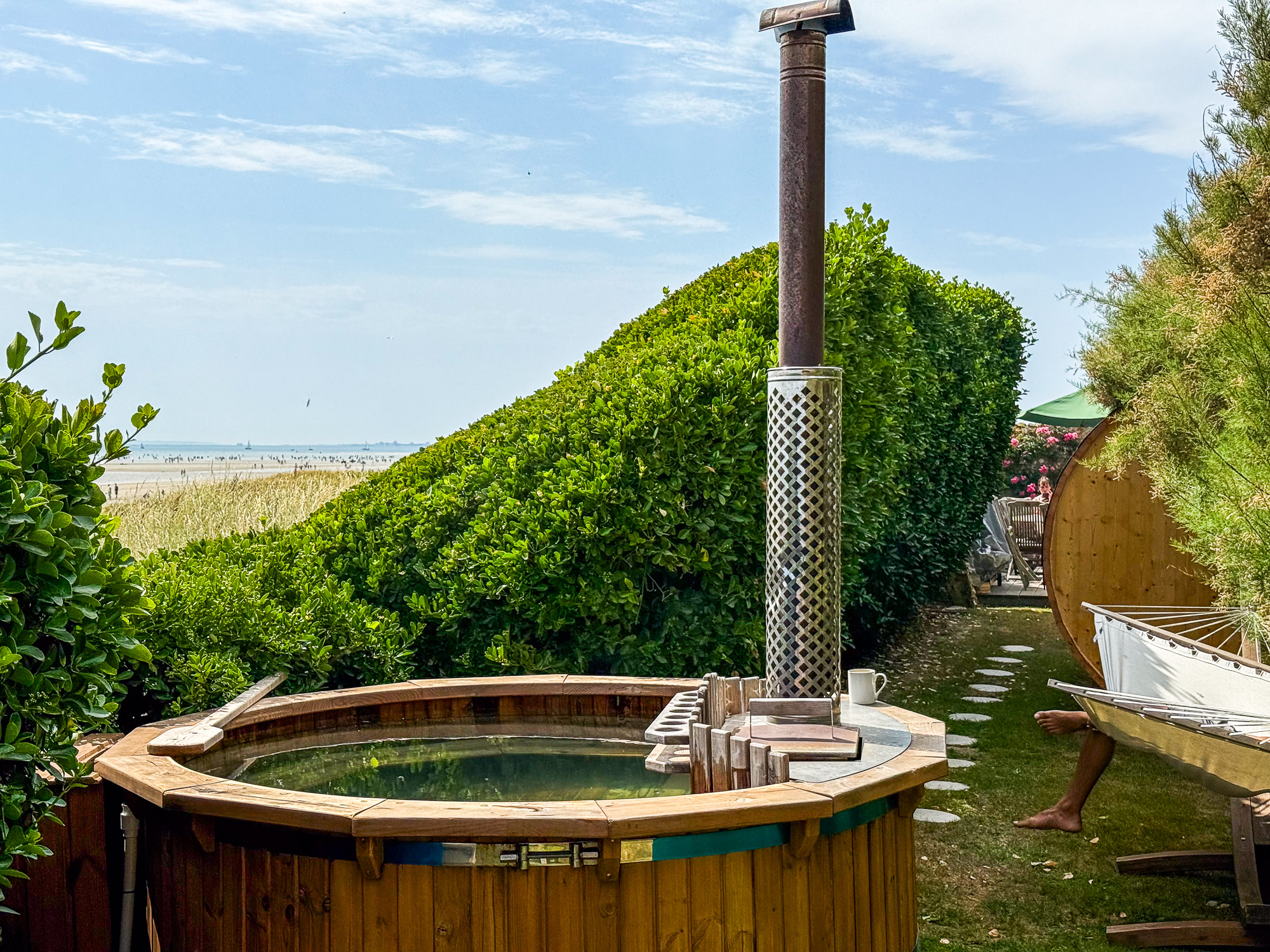
Review and installation photos →Hi, you can see the hot tub in these pics at our retreat.
Timber outside. A considered heating plan inside.
An evening soak is easier to plan when you know how the water will be heated, what keeps it warm and what your electricity supply can support. Start with the actual heating system, then choose the timber finish you like.
Explore models with a documented electric or hybrid heating option, followed by other hot tubs for comparison. The guide explains cold fills, temperature holding, realistic cost calculations and the installation details to confirm before ordering.
From our customers
Customer projects matched to the products listed on this page. Earlier specifications and selected options may differ.
Customer projects from United Kingdom.
TimberIN Nordic™ Thermowood Deluxe
Review and installation photos →Hi, you can see the hot tub in these pics at our retreat.

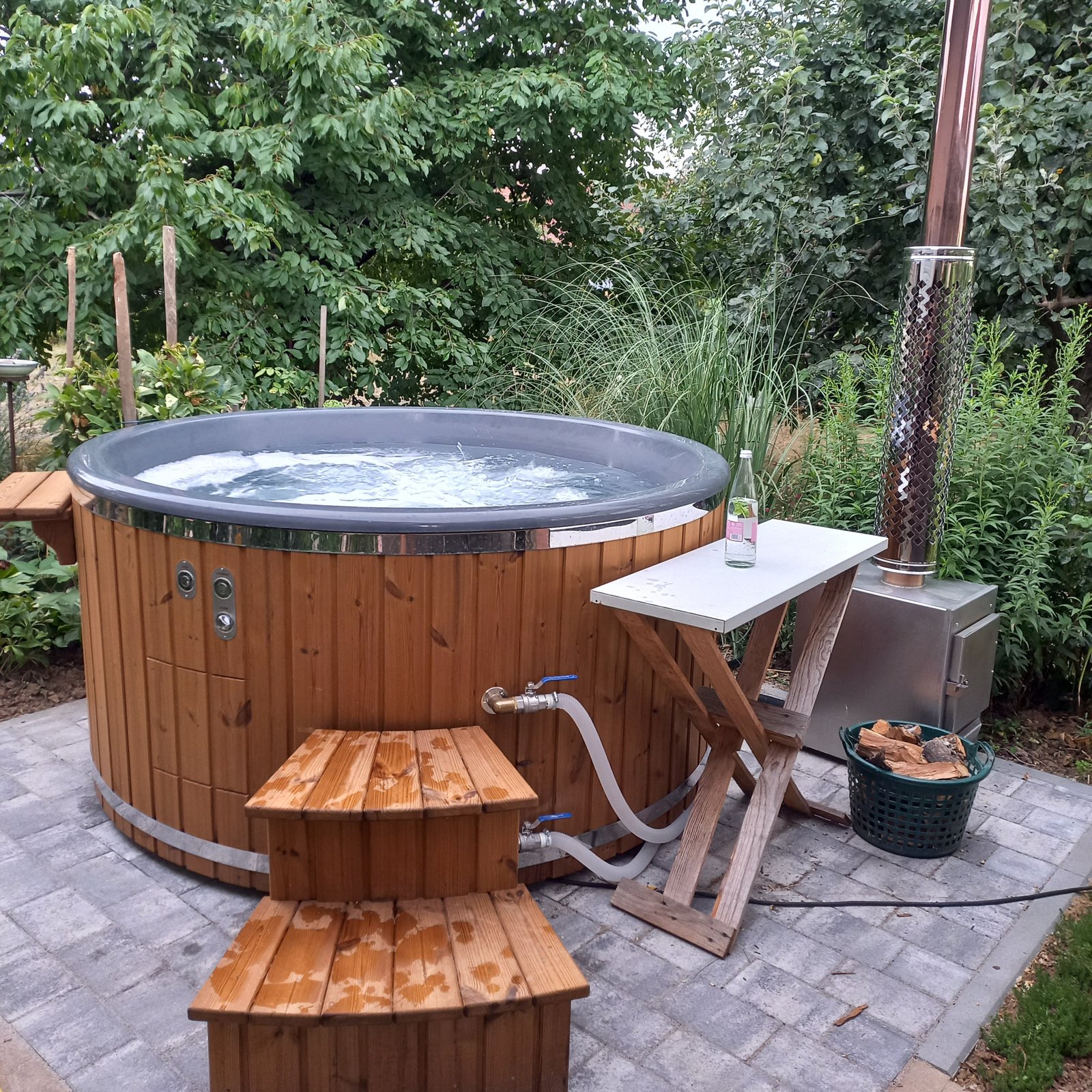
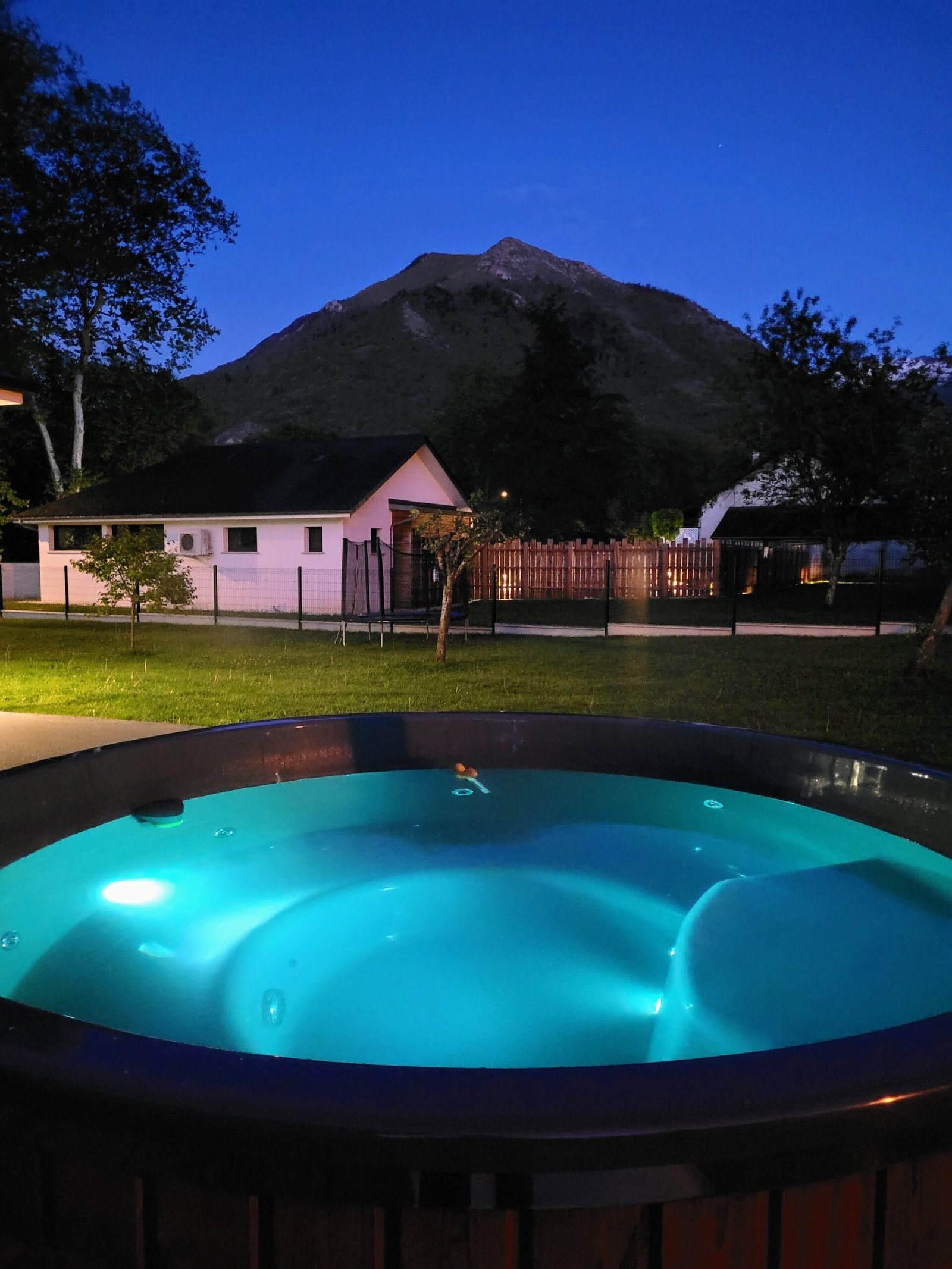
Review and installation photos →Hi, we have finally moved into our house & hot tub is amazing! Attached photo (feel free to use!)
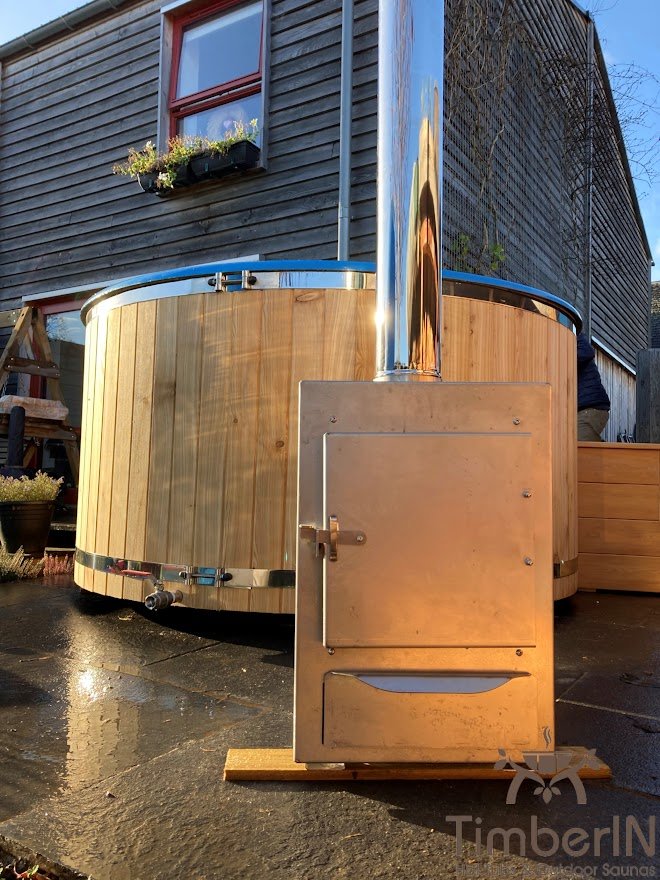
TimberIN Nordic™ External Comfort
We have, indeed, installed our spa... and we absolutely love it. The build quality and standard of materials are even better than we had hoped. The fact that we could order the spa without pumps or air jets was also fant…
We have, indeed, installed our spa... and we absolutely love it. The build quality and standard of materials are even better than we had hoped. The fact that we could order the spa without pumps or air jets was also fantastic; this way we can simply sit in lovely warm water and enjoy the peaceful Scottish Highlands with as little background noise as possible. Thank you and all of your staff for making such a good quality product, Alan
These model families document an electric heater, heat-pump choice or wood-and-electric arrangement. The heating package may be optional: open the model, select the relevant configuration and confirm what is included in the quotation.
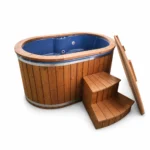
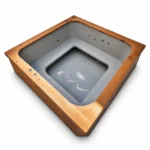
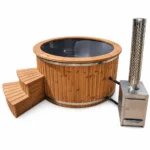
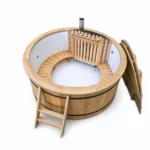
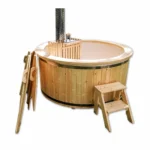
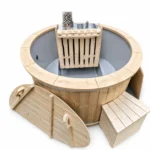
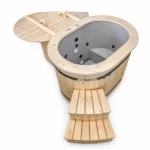
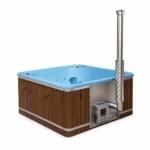
These models do not currently establish an electric water-heating choice in the checked configuration. Powered lights, massage or a control accessory alone do not qualify a tub as electrically heated.
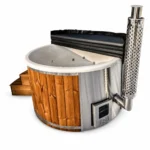
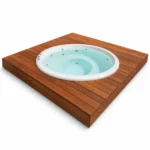
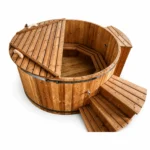
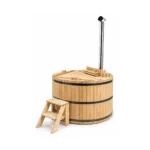
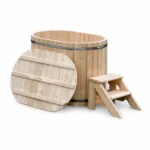
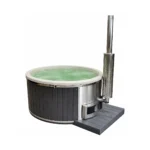
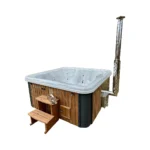
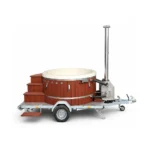
An electric wooden hot tub combines electric water heating with timber construction or a timber exterior. Those are separate choices. Some tubs hold the water inside a moulded liner surrounded by wooden cladding; a traditional wooden tub uses its timber body differently. A photograph of attractive boards does not establish which surface you will clean, which heater is included or how the water circulates. Read the construction and heating specification together.
There is another easy misunderstanding: a wood-fired tub can have electric lighting, a circulation pump or powered massage without an electric water heater. A control labelled for an electric heater is also not proof that the heater itself is supplied. The first catalogue group above therefore includes model families with a documented electric heating choice or a combined wood-and-electric choice. The selected configuration still determines the equipment and final quotation.
The Family Electric model currently offers an electric heater and a heat-pump choice in its selector. Other families offer electric heating as an alternative or as part of a hybrid arrangement. The Oval Duo describes an optional 6 kW electric heater with a requirement to confirm the supply and connection in writing. These are different proposals, even though all can appear when you search for an electric wooden hot tub.
Identify the water-contact shell, the visible exterior and the complete heating package. Include circulation, controls and any equipment housing in that last line. This makes it easier to compare similar-looking tubs without assuming that their construction, cleaning needs or supplied equipment are the same.
Use the wooden hot-tub guide if the timber construction itself is your main decision. This page concentrates on how electrical heating fits your bathing routine and site.
If you use the tub several times a week, thermostatic control can make preparation more predictable. Agree how the chosen system maintains temperature, when circulation runs and whether a timer is actually included. Convenient control does not eliminate preparation: the cover, water level, filter and treatment routine still need attention before anyone gets in.
Write down your usual bathing time and how much notice you can give the heater. A system that works well when water remains warm may feel slow when starting with a fresh cold fill. Ask the supplier to explain both situations for the size you are ordering, rather than offering a single heat-up estimate without its starting conditions.
For infrequent use, compare the work and energy involved in keeping water ready with the complete routine needed before a fresh session. There is no universal cheapest schedule. Water volume, ambient conditions, insulation, tariff and the approved water-care regime all affect the answer. Avoid choosing a schedule solely from the heater’s headline power rating.
A hybrid can suit someone who enjoys a fire on some occasions and wants electric support on others. Establish what each mode does, how the controls interact and whether the manufacturer permits the proposed operating sequence. Do not assume that every hybrid system is intended to run both heat sources together.
Choosing electric heating removes fuel handling for that heating mode, but it does not remove all equipment sound or maintenance. Pumps and heat pumps can be audible. Consider the position of bedrooms, neighbouring seating areas and service access when choosing where the equipment will sit.
Heating a fresh fill means raising the temperature of the whole water volume. Holding temperature means replacing the heat that escapes afterwards. The first is strongly influenced by litres and temperature rise; the second depends on the installation, weather, cover, insulation and time in use. A heater rating describes power, not a fixed daily electricity bill.
An illustrative water-only calculation
The approximate calculation is litres × temperature rise in °C × 0.001163. It describes heat added to the water before losses. It excludes heating the tub itself, pump consumption and heat escaping during the process. It is not a measured result for a TimberIN model or a promise about the time your installation will take.
For a resistance heater, electrical consumption during a real heat-up also reflects those losses and supporting equipment. A heat pump works differently, so do not treat this heat requirement as its electricity consumption. Ask for performance information at relevant outdoor and water temperatures.
A higher-output heater can add heat faster when the supply and circulation support it. That does not automatically make the same water volume cheap to heat. Conversely, a modest heater may hold well-insulated water at temperature yet take longer to recover after a cold refill. Discuss recovery after use as well as the initial warm-up.
When comparing a supplier’s estimate, record the starting and target water temperatures, litres, air temperature, cover position and heater version. An estimate with these conditions is useful for planning. An isolated number of hours is difficult to compare and may describe a different size or season from yours.
Power is measured in kilowatts, written kW. Energy used over time is measured in kilowatt-hours, written kWh. A heater does not necessarily draw its rated power for every hour that a tub is available: thermostatic operation cycles according to demand. Multiplying the maximum rating by twenty-four hours can therefore misrepresent normal holding costs, while ignoring pumps can understate total use.
The practical cost calculation is measured electricity consumption in kWh multiplied by your applicable price per kWh in pounds. If different tariff periods apply, calculate each period separately. Use your own tariff and a representative week, then note weather, bathing sessions, cover use and any fresh fills alongside the reading. Ask your electrician about an appropriate way to measure the complete installation.
Compare like with like. A warm, sheltered week with two short sessions will not describe a cold, windy holiday week with frequent cover opening. Keep initial heat-up separate from routine holding consumption so that one unusual refill does not become your assumed daily cost. Equally, a quiet test week should not be presented as the cost of heavier use.
Before purchase, ask what insulation is included around the shell, base and relevant pipework, and request details of the supplied cover. A timber exterior is not a quantified insulation specification. Cover fit, condition and ease of replacement matter because an inconvenient cover is more likely to be left open while the water is still losing heat.
The hot-tub price and project-cost guide helps separate the equipment quotation from delivery, preparation and ongoing ownership. For electric models, include the assessed electrical work in that overall budget.
| Arrangement | What changes | Confirm before ordering |
|---|---|---|
| Electric resistance heater | Adds heat electrically through the specified water circuit. | Heater output, circulation requirements, electrical supply and included controls. |
| Heat-pump option | Uses a separate heating technology with performance that varies with operating conditions. | Exact unit, output and consumption at relevant temperatures, airflow, sound and installation space. |
| Wood-and-electric hybrid | Provides two heating methods within an approved arrangement. | Supplied components, permitted operating sequence, controls and care of both systems. |
For a hybrid, think about the mode you will actually use most often. Keeping a stove, flue and fuel area still creates a different layout from an electric-only installation. The electric option should be an intentional part of the specification, not a vague possibility of adding something later. Ask whether any future conversion is manufacturer-approved and what it would involve.
Compare the wood-fired range if fuel-led bathing is central to your plans. A pellet-fired hot tub is a separate heating choice: an electrically powered feed or controller does not turn its fuel-based water heating into an electric heater.
Have the electrical installation assessed before committing to a model or final equipment position. Supply the exact heater version and the loads for circulation, massage, lighting and any heat pump. The electrician needs the installation requirements for the complete combination, together with the cable route and location, to assess the appropriate supply, protection and connection.
Do not infer plug compatibility from a sales photograph or assume that every option uses the same connection as the basic tub. Some live model choices name a 6 kW heater; that is not a universal specification across this catalogue. Written confirmation should identify the precise equipment and supply requirements for your order. Use a suitably qualified, registered electrician for the work.
Controls need the same attention as the heater. Establish where temperature is sensed, what the thermostat controls and how circulation is interlocked with heating. Ask which protections and operating instructions accompany the actual equipment. Generic heater-manufacturer features do not prove that the same components are fitted to your tub.
If massage is part of the plan, use the hot tubs with jets guide to distinguish water jets from air bubbles. Include those pumps in the electrical assessment. Ask whether heating and massage can operate together on the proposed system and what happens when a control or power supply is interrupted.
Leave room to reach the heater, pumps, filter and connections after the garden is finished. Attractive decking can become expensive to undo if a service panel is blocked. Request the equipment layout and necessary clearances before fixing steps, fencing or surrounding furniture. Also plan a convenient place to put the cover without blocking the route around the tub.
Warm water retained between sessions needs the model’s approved filtration and treatment routine. A thermostat controls heat; it does not certify water cleanliness. Confirm filter cleaning, water testing, treatment compatibility and refill guidance with the supplier. Do not transfer a treatment recipe from another shell material or installation without checking that it applies.
Winter operation needs an explicit plan for the whole water circuit. Ask about normal frost protection, its dependence on electricity and what to do during a prolonged outage. If draining is the recommended approach, the instructions must cover equipment and pipework as well as the visible basin. Follow the supplied procedure rather than assuming that an empty-looking tub leaves no trapped water.
For a rental property, discuss the intended commercial use before choosing equipment. Occupancy, changeovers and operating responsibilities can differ substantially from private bathing. Seek the appropriate operating guidance for that setting; domestic convenience features alone do not establish that a system meets a rental operator’s needs.
No. An app, light controller or heater-control accessory does not establish that a water heater is included. Ask for the heater itself, its output and its compatible control package to be named in the quotation. A model in the first group may require selecting the electric or hybrid configuration.
Its electrical consumption depends on the actual unit and operating conditions. Compare evidence at suitable air and water temperatures, together with installation and usage assumptions. Include purchase, installation, circulation and maintenance costs rather than treating a headline efficiency figure as your personal bill.
That depends on your bathing schedule, heat loss, tariff and the approved water-care routine. Discuss the intended schedule before ordering, then review measured consumption in use. A lower holding temperature can change recovery time, so convenience and cost should be assessed together without compromising the required care procedure.
Send your preferred model and size, typical bathing days, equipment options and proposed garden position. Ask for a written heating specification and give it to your electrician before the order is finalised. Confirm the cover, insulation, circulation, controls, connection requirements and service access alongside the tub itself.
The aim is a clear plan for getting the water ready, keeping it cared for and understanding what it uses. Once those details are agreed, choosing the timber finish becomes a much more straightforward part of the purchase.