
Wood-Fired Hot Tub Brands UK & Ireland: Kirami, Gardenvity, Salty Barrel, Goodland & More
Searching for wood-fired hot tub brands is often a way of asking a more practical question: which supplier, manufacturer or product family gives the right combination of tub construction, heater, seating, insulation, maintenance, warranty and delivery support? Brand names can help organise the market, but the logo on a page does not tell you whether two hot tubs are technically equivalent.
This independent-style buying guide explains how to compare brand and search-name results that UK and Republic of Ireland buyers commonly encounter, including Kirami, Gardenvity, Salty Barrel, Goodland and TimberIN. It does not sell third-party brands, reproduce competitor product catalogues or claim that every search name is a directly comparable manufacturer. Product ranges, distributors and specifications can change, so verify the current official information before purchase.
Trademark and affiliation notice: third-party brand and product names belong to their respective owners. TimberIN and WoodenHotTubSale.co.uk are not affiliated with, endorsed by or representatives of Kirami, Gardenvity, Salty Barrel, Goodland or other third-party brands mentioned for comparison/search guidance.
Best buying principle: compare the actual vessel, heater, materials, serviceability and written order specification first; use brand reputation as supporting evidence, not as a substitute for technical comparison.
Why buyers search by brand
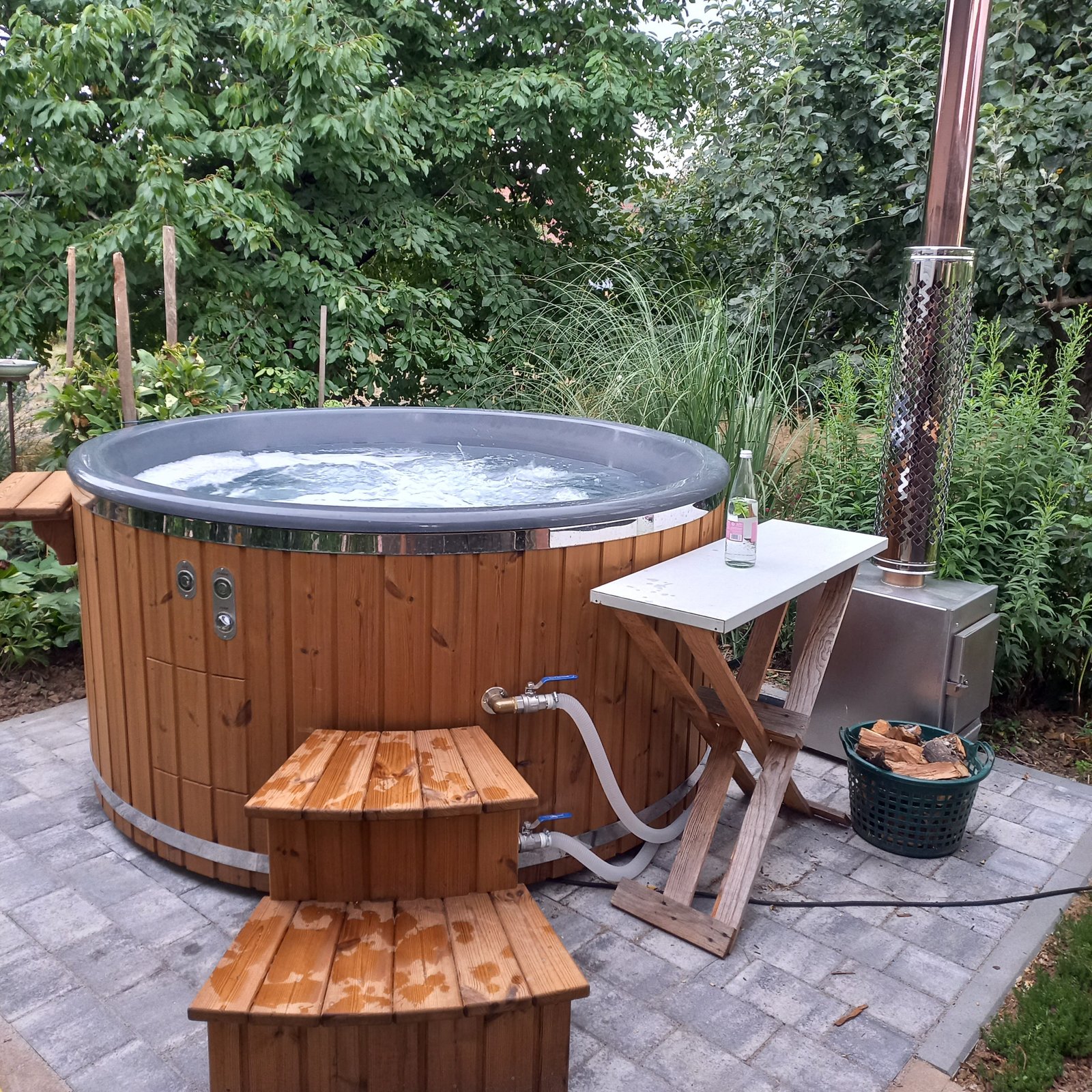
Wood-fired hot tubs are not one standardised product. A search result can describe a traditional all-timber tub, a lined tub with timber cladding, a compact one- or two-person bath, a family tub, a square shell, or a highly equipped spa-style model. Heater position can be internal, integrated or external. Some systems are intended for simple fire-heated soaking; others add filtration, electric support, massage or controls.
Brand searches are therefore useful for finding a product family, but they can hide the technical differences that determine ownership. A buyer who asks only “Which brand is best?” may compare unlike products and miss the decisions that affect heating routine, winter use, cleaning, installation and total cost.
Search names you may encounter
| Brand / search name | What the name can tell you | What still needs verification |
|---|---|---|
| Kirami | A recognised Finnish hot-tub manufacturer with a dedicated UK presence and multiple current hot-tub families. | Exact model, tub material, heater, capacity, distributor support, delivery scope and current warranty. |
| Gardenvity | A seller/manufacturer name encountered in configurable wood-fired hot-tub searches in the UK and Europe. | Selected liner/cladding, stove, filtration/massage options, delivered configuration and after-sales route. |
| Salty Barrel | A brand/search name buyers may encounter when researching wood-fired hot tubs. | Current company/product identity, vessel construction, heater, dimensions, warranty and parts support from the official seller. |
| Goodland | A brand/search name that can appear in outdoor-bathing research. | Exact current product range, materials, heater system, country-specific availability and service arrangements. |
| TimberIN | The manufacturer behind WoodenHotTubSale.co.uk, with configurable lined, timber-clad, square, compact and family wood-fired models. | Final chosen configuration, dimensions, heater position, optional systems, delivery method and written quotation. |
| Other local or boutique sellers | May offer specialist installation, local delivery or a narrow product range. | Who actually manufactures the tub, spare-parts route, technical documentation, warranty provider and long-term serviceability. |
Do not compare brand names before defining the tub you need
Start by defining normal occupancy, installation space, heating routine and desired equipment. This reduces a long brand list to products that can genuinely solve the same job.
| Decision | Questions to answer before comparing brands | Why it changes the shortlist |
|---|---|---|
| Capacity | Will the tub normally serve two, four, six or more people? | Water volume, footprint, seating and heater demand change. |
| Tub construction | Traditional timber vessel, lined shell or composite/fibreglass interior? | Maintenance, feel, water care and leak behaviour differ. |
| Heater position | Internal, integrated or external stove? | Usable seating, firebox access and overall footprint change. |
| Heating routine | Fire only, electric only or approved hybrid support? | Infrastructure and day-to-day operating routine change. |
| Water care | Occasional drain/refill or longer-term filtration routine? | Equipment, chemistry and winter procedure change. |
| Massage and lighting | Simple soaking or spa-style features? | Pumps, blowers, electricity and maintenance increase. |
| Delivery | Assembled unit, modules or other delivery form? | Access and lifting may rule out some models before brand matters. |
Kirami: what a UK buyer should verify
Kirami’s current official UK presence presents a broad range of wood-fired hot tubs and describes Finnish manufacture, multiple capacities, different interior/outer finishes and several heater options. That breadth is useful, but it makes model-level comparison essential. A compact model, a family liner tub and a traditional timber tub are different ownership propositions even when they carry the same manufacturer name.
- Compare the exact model and stated number of seats.
- Check whether the water-contact surface is plastic/liner, timber or another material.
- Identify the exact external heater and its output/specification.
- Confirm included cover, steps, filtration and other equipment rather than assuming a range-wide standard.
- Check who provides UK warranty, spare parts and technical support for the selected model.
- Confirm delivery and installation scope for the actual postcode and access.
The purpose here is not to rate Kirami against TimberIN. It is to show why a brand-level search should be converted into a like-for-like specification before price or reputation is compared.
Gardenvity: compare the selected configuration, not just the storefront
Gardenvity currently presents configurable wood-fired hot tubs with options around liners, cladding, massage, filtration and accessories. For a buyer, the important point is that the final configuration can differ materially from the base presentation. Record the selected shell, stove, filtration, massage, cover and delivery/installation package before comparing it with another brand.
Where a seller offers included delivery or optional installation, read the scope carefully. Kerbside delivery, positioning in the garden, crane work, electrical connection and final commissioning are separate jobs unless the written order says otherwise.
Salty Barrel, Goodland and other search names
Search-volume tools often group brand-like queries even where the current company identity, product range or country availability is narrower than the search term suggests. For names such as Salty Barrel or Goodland, begin with the official current source rather than third-party list articles. Confirm the legal seller, actual manufacturer, current product, materials, heater, warranty and delivery area.
This discipline avoids two common problems: comparing an old or discontinued product page with a current model, and treating a retailer label as if it identifies the factory that will support the tub for many years. If the origin, technical documentation or spare-parts route is unclear, make that uncertainty part of the buying decision rather than filling the gap with assumptions.
TimberIN: how to compare our own range fairly
TimberIN is the manufacturer behind WoodenHotTubSale.co.uk. The current UK range includes different wood-fired configurations rather than one “standard TimberIN tub”. Buyers can compare compact two-person models, round family tubs, square designs, different heater positions and models that add filtration, massage, lighting or hybrid support.
A fair comparison with another brand should use the exact TimberIN configuration, not the lowest base price or a photograph with options. The final quotation should record the selected size, wood/cladding, shell, stove, insulation, cover, filtration, massage, electrical equipment, accessories and delivery scope.
Heater construction and position
The heater is one of the clearest ways to make brand comparisons more technical. External stoves preserve bathing space but add pipework and footprint. Integrated stoves can give a compact appearance but need service access and careful heat protection. Internal stoves can be space-efficient outside the tub but occupy part of the bathing area and require a guard.
| Heater position | Advantages | Trade-offs to compare |
|---|---|---|
| External | Full bathing interior and easy firebox access. | Larger site footprint, connecting pipes and freeze/drain planning. |
| Integrated | Compact visual package and short heat path. | Service access, heat shielding and reduced design flexibility. |
| Internal | Very direct heat transfer and smaller external footprint. | Uses bathing space and places a hot appliance inside the vessel. |
Also verify heater material, chimney components, water-level rules, circulation design, drainability and fuel guidance. Do not assume “stainless steel” means the same grade, thickness or construction between brands.
Tub materials and water-contact surface
A traditional timber tub and a smooth liner tub can both be excellent products, but they have different routines. Timber vessels depend on the behaviour and care of the wood itself. Lined tubs separate the water from the exterior cladding and can simplify cleaning, but the liner, fittings and penetrations become important service components.
| Construction | Potential strengths | Questions to ask |
|---|---|---|
| Traditional timber vessel | Authentic material feel and simple visual construction. | Wood species, swelling/drying routine, long-term storage, cleaning and repair. |
| Fibreglass/composite liner with timber exterior | Smooth water-contact surface and stable geometry. | Liner material, insulation, fittings, access to plumbing and repair route. |
| Plastic/rotomoulded interior | Durable easy-clean approach on some brands. | Material, UV exposure, repairability, insulation and exterior structure. |
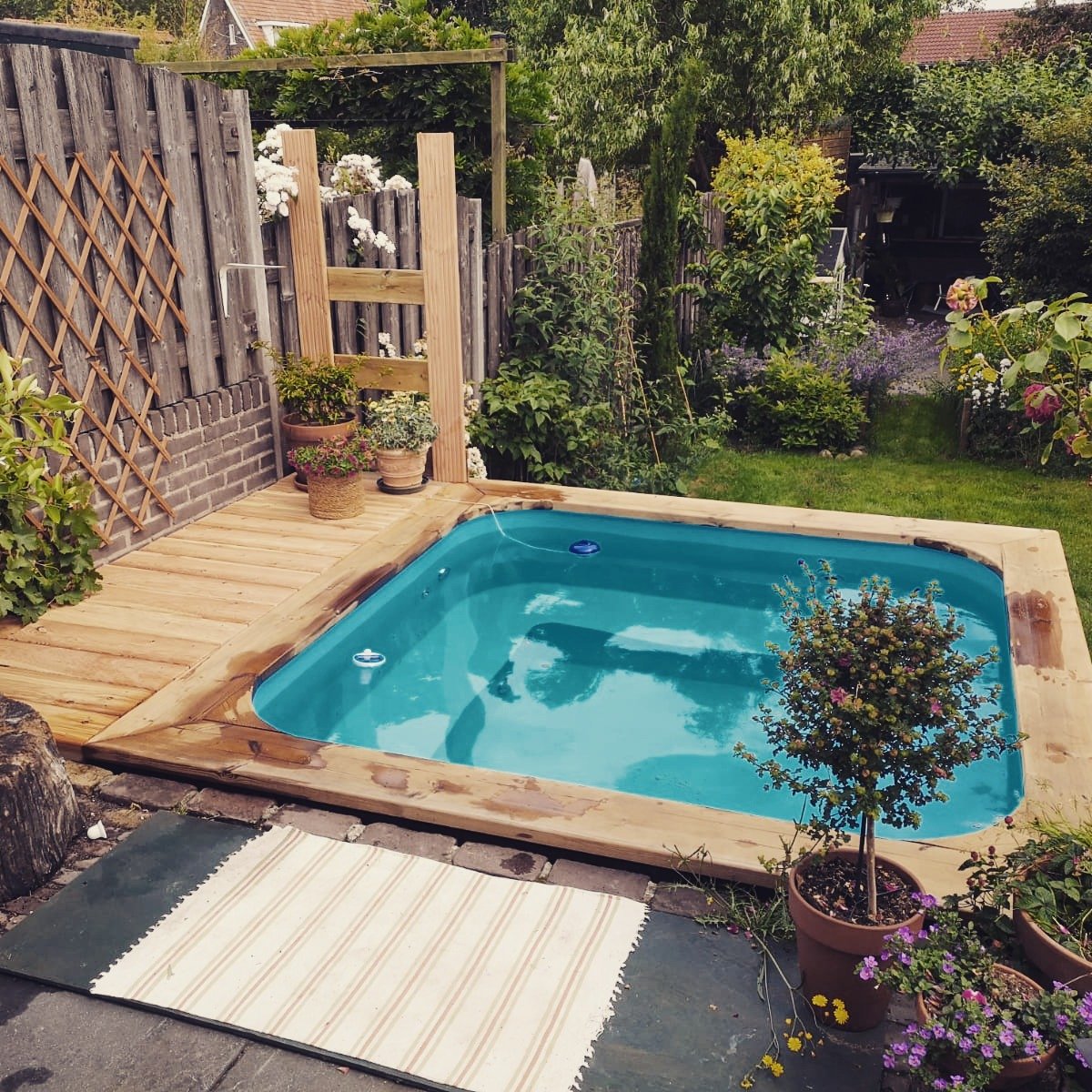
| Square or shaped liner | Different seating ergonomics and modern form. | Water volume, corner cleaning, heater compatibility and cover design. |
Capacity numbers are not standardised
One company’s “six person” tub can feel different from another’s because bench height, diameter, footwell, heater intrusion and body size vary. Compare internal diameter or clear seating length and ask whether the stated capacity is comfortable regular use or a maximum seated count.
For occupancy-led buying, use the TimberIN 4 person, 6 person, 8 person and family hot tub guides as separate owners rather than forcing every capacity question onto a brand page.
Insulation, cover and winter routine
A brand comparison that ignores the cover and insulation can be misleading. Heat loss depends on the shell, side and base insulation, cover fit, wind exposure and how the tub will be operated. A heavily insulated tub used frequently has a different ideal setup from a simple wood-fired tub drained after occasional sessions.
- Ask what insulation is standard and what is optional.
- Check the cover construction, fit and weather resistance.
- Confirm how pumps, filters and exposed pipes are protected from freezing.
- Understand whether the tub is intended to stay filled between winter uses.
- Confirm drain points for the tub, heater and connected equipment.
- Do not assume a fire-heated tub is automatically fully off-grid if filtration, lights, jets or controls need electricity.
Filtration, massage and controls
Extra equipment can improve convenience but also changes maintenance. A simple wood-fired soaking tub may have very little powered equipment. A spa-style configuration can add filtration, hydro jets, air massage, lights, Wi-Fi controls or electric support. Compare these systems separately from the tub body.
| Feature | Buyer benefit | Ownership implication |
|---|---|---|
| Filtration | Longer water-use cycles and cleaner water when operated correctly. | Pump runtime, filter cleaning, chemistry and winter protection. |
| Air massage | Bubbling effect with comparatively simple air plumbing. | Blower electricity and drying/winter care. |
| Hydro massage | Stronger directed massage. | Pumps, water plumbing, service access and more complex winterisation. |
| Lighting | Atmosphere and safer visual orientation. | Electrical components and replacement access. |
| Smart/electric support | More controlled or scheduled operation. | Additional wiring, controls and dependence on the property supply. |
Warranty, spare parts and who actually supports the tub
A long warranty headline is less useful if it is unclear who handles a claim, where parts come from or what is excluded. Ask for the written warranty before ordering and identify the responsible seller/manufacturer. Heater components, pumps, blowers, controls, seals, filters and covers have different service lives and may be covered differently from the structural tub.
- Who is the contracting seller?
- Who manufactured the vessel and heater?
- Where is technical support based?
- Are common spare parts identifiable and orderable?
- What maintenance is required to keep warranty valid?
- Who pays transport or labour for a large-item warranty issue?
- Does the warranty apply to commercial/holiday-let use if that is your project?
Delivery and installation can outweigh a small price difference
Wood-fired hot tubs are bulky. A brand with a lower headline price may not be cheaper once delivery, unloading, crane access, local labour and site preparation are included. Compare the delivered project to the same final location.
| Delivery question | Why it matters |
|---|---|
| Vehicle access | A narrow lane or restricted drive can change the delivery method. |
| Unloading | Kerbside delivery is not the same as final positioning. |
| Weight and dimensions | Determine labour, forklift or crane requirements. |
| Final garden route | Gates, walls, slopes, corners and overhead obstacles can block an assembled tub. |
| Installation scope | Stove connection, chimney, filtration and electrics may require separate trades. |
| Ireland logistics | Ferry/route, local delivery, taxes/VAT treatment and service arrangements should be confirmed in writing. |
How to compare prices without comparing the wrong things
Build a line-by-line specification. Put the same capacity, construction, heater, cover, insulation, filtration, massage, lighting, delivery and installation assumptions in each column. Only then compare the totals. A cheaper base tub with missing cover, steps, insulation or delivery may be more expensive in the final garden.
- Choose one realistic size and normal occupancy.
- Choose the construction type you actually want.
- Match heater position and heating routine.
- List included cover, insulation and steps.
- List filtration, massage, lights and controls.
- Add delivery, unloading and final placement.
- Add electrical/chimney/site work.
- Check warranty and spare-parts support.
- Compare the final written configuration and total project cost.
Common brand-comparison mistakes
- Comparing one brand’s entry model with another brand’s fully equipped model.
- Treating all “wooden hot tubs” as traditional all-timber vessels.
- Ignoring heater position and usable seating.
- Assuming brand-level warranty terms apply identically to every component and commercial use.
- Using old review articles instead of the current official product source.
- Comparing list price without delivery, cover, insulation or equipment.
- Choosing from photographs without checking the final written configuration.
- Assuming a famous brand removes the need to verify access, base, chimney or winter routine.
- Treating search popularity as product quality evidence.
Wood-fired hot tub brand comparison checklist
- Identify the exact manufacturer and contracting seller.
- Write down the exact model and configuration.
- Confirm internal dimensions and realistic capacity.
- Identify water-contact material and exterior material separately.
- Confirm heater position, material and required chimney components.
- Compare cover and insulation.
- List every included and optional powered system.
- Check filtration and water-care routine.
- Review winter draining/freeze protection.
- Read the written warranty and maintenance conditions.
- Confirm spare-parts and service route.
- Measure delivery access and lifting requirements.
- Compare the complete delivered/installed price on equal scope.
- Keep the final quotation, drawings and manuals.
Frequently asked questions about wood-fired hot tub brands
Which wood-fired hot tub brand is best?
There is no single best brand for every buyer. Define capacity, construction, heater, equipment, site and support needs, then compare current models on the same specification.
Is Kirami the same type of product as TimberIN?
Both names can appear in wood-fired hot-tub searches, but each has multiple models and configurations. Compare exact products rather than assuming brand-level equivalence.
Does TimberIN sell Kirami, Gardenvity, Salty Barrel or Goodland products?
No. This page is a search/brand comparison guide. TimberIN sells its own products; third-party names remain the property of their owners.
Should I choose a brand by Trustpilot or review score?
Reviews can provide useful context, but they do not replace technical checks. Also compare model specification, warranty, support, spare parts, delivery and the written order.
Is an external stove better than an integrated stove?
Neither is universally better. External stoves preserve internal seating but add footprint and pipework; integrated systems can be compact but need service access and careful heat protection.
Are traditional timber tubs harder to own?
They have a different routine. Wood movement, drying and maintenance matter more, while lined tubs shift attention to liner, fittings, insulation and powered equipment.
Can I compare brands using heating time claims?
Only cautiously. Heating depends on water volume, starting temperature, heater, fuel, insulation, cover, weather and operating method. Use model-specific guidance rather than one universal promise.
What matters most for UK winter use?
Cover, insulation, exposed pipework, drainability, filtration equipment, operating frequency and a clear freeze-protection routine matter more than the brand name alone.
What should Irish buyers verify?
Confirm current delivery scope, taxes/VAT treatment, unloading, warranty/service route, electrical/chimney responsibilities and the final written configuration for the Republic of Ireland.
Where should I start with TimberIN?
Use the wood-fired hot-tub owner for current TimberIN models, then the price, capacity and heater guides for the specific decision you need to make.
Use brand research to build a technical shortlist
Brand searches are useful at the start, but a confident purchase comes from a written, comparable specification. Decide what the tub must do, compare like with like, and make delivery, support and ownership part of the product decision.