

The market for wood-fired hot tubs has exploded in recent years. What was once a niche product found only in Scandinavian forest cabins has become a must-have garden accessory across the UK and Europe. A quick Google search reveals hundreds of options ranging from budget DIY kits to luxury, fully-assembled spas costing thousands of pounds. With so many choices, flashy marketing terms, and varying price points, how do you actually identify the “best” wood-fired hot tub for your needs?
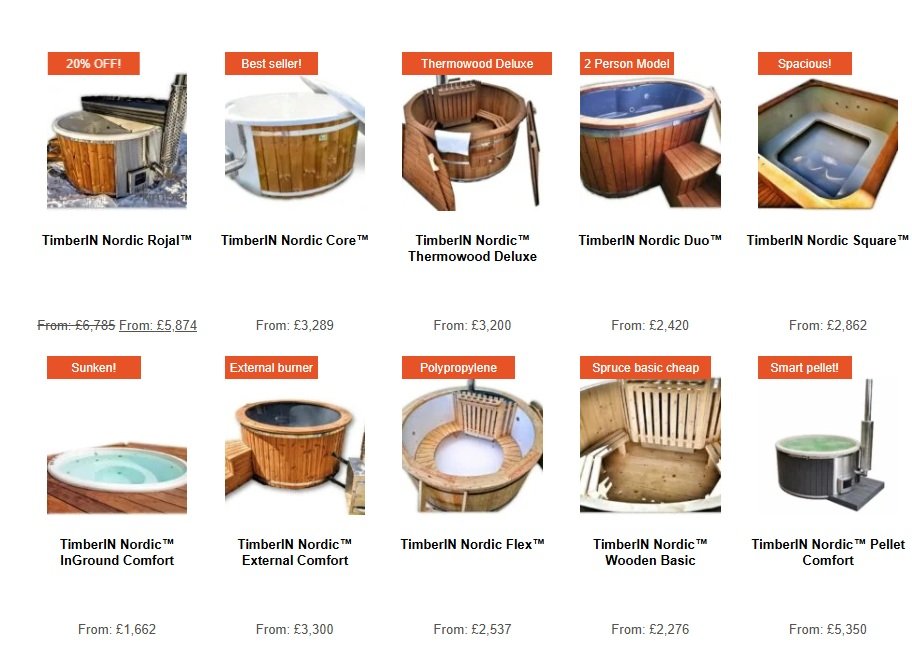
Is it the one with the most powerful stove? The one made of the thickest wood? Or the one with the most massage jets? The truth is that the “best” tub is defined by durability, heating efficiency, and ease of maintenance. In this detailed buying guide, we will cut through the noise and explain the technical specifications that truly matter. We will look at the differences between steel grades, wood types, and liner materials so you can invest your money wisely.
1. The Interior: Fiberglass vs. Polypropylene vs. Wood
The first and most critical decision is the interior material. This defines how you will clean the tub and how long it will last.
Traditional All-Wood:
For purists, nothing beats the smell and feel of raw timber. However, traditional wooden hot tubs are high-maintenance. They rely on the wood swelling with water to seal the joints. If you leave them empty for a week in summer, the wood shrinks, and the tub leaks until it swells again. They are also harder to sanitize as bacteria can hide in the wood grain.
Fiberglass (GRP) Liners:
Fiberglass allows for ergonomic moulding. These liners have curved benches, rounded edges, and often look very luxurious with pearlescent finishes. They are easy to wipe clean. However, lower-quality fiberglass can suffer from “osmosis” (blistering) over time if the chemical balance of the water isn’t perfect.
Polypropylene (PP) and LDPE Liners:
This is often the choice for the “best” long-term investment. Polypropylene is a robust, semi-flexible plastic. It doesn’t look quite as high-gloss as fiberglass, but it is virtually indestructible. It doesn’t crack, it doesn’t suffer from osmosis, and it is chemically inert. For family hot tubs where children might be jumping in with toys, PP or LDPE liners are the most durable option.
2. The Stove Material: AISI 304 vs. AISI 316
The stove is the engine of your hot tub. Most are made of stainless steel, but not all steel is created equal. This is a detail many buyers miss, leading to rusted stoves within two years.
Grade 304 (V2A): This is standard food-grade stainless steel. It is fine for fresh tap water. However, it is not resistant to chlorine, bromine, or sea salt. If you plan to use chemicals to keep your water clean for weeks, Grade 304 will eventually corrode and leak.
Grade 316 (V4A): This contains molybdenum, making it resistant to chlorides and acids. If you want the freedom to use chlorine, bromine, or even saltwater in your tub, you must choose a Grade 316 stove. It costs more upfront but saves you buying a replacement stove down the line.
Marine Aluminium: Some premium brands use marine-grade aluminium. This conducts heat about 15 times better than steel, leading to faster heat-up times, but requires careful management of pH levels to prevent corrosion.
3. Insulation: The Hidden Efficiency Factor
A cheap hot tub is just a plastic shell wrapped in wood. An efficient hot tub is insulated.
Look for models that have polyurethane foam insulation sprayed onto the underside of the liner or between the liner and the wooden cladding. This acts like a thermos flask.
Why it matters:
1. Speed: An insulated tub heats up 20-30% faster because less heat escapes through the walls.
2. Retention: If you heat the tub to 38°C on Friday night, a well-insulated tub with a good cover will still be around 30-32°C on Saturday morning, meaning you only need a quick fire to get it ready again. An uninsulated tub will be cold.
4. The Cladding Wood: Spruce, Larch, or Thermowood?
The wood on the outside protects the liner and provides the aesthetic.
Spruce: The budget option. It is light and bright but susceptible to rot and fungus. It requires regular painting or oiling (every year) to survive the UK climate.
Larch: A naturally durable hardwood. It has a reddish hue and is very resistant to rot without chemical treatment. It will turn silvery-grey over time if left untreated, which many find attractive.
Thermowood: The premium choice. This is wood that has been heat-treated to remove moisture and resin. It is dimensionally stable (doesn’t warp or shrink), highly resistant to rot, and has excellent insulation properties. For a low-maintenance life, choose Thermowood.
Frequently Asked Questions (FAQ)
Are jets worth the extra money?
If you suffer from back pain, hydro-massage jets are a worthwhile investment. If you just want relaxation and silence, they are unnecessary. Remember that hot tubs with jets require an electrical connection, making the tub less “off-grid.”
What is the best size for a family of 4?
A 1.8-meter (internal diameter) tub is the standard family size. It allows 4-5 people to sit comfortably without legs tangling. A 1.6m tub is cosy for 4 but perfect for 2. A 2.0m tub takes significantly longer to heat.
Does the lid matter?
Yes. Never buy a tub without an insulated cover. A simple wooden lid loses too much heat. A thick leather/vinyl thermal cover cuts heating time and keeps the water warm overnight.
Conclusion
The “best” wood-fired hot tub is one that balances longevity with performance. While it is tempting to save money on the initial purchase, investing in a Grade 316 steel stove, a durable liner, and Thermowood cladding will save you money and effort in the long run. You are buying a piece of garden furniture that should last 15+ years—choose quality over the lowest price tag.