
Charles — London, United Kingdom
TimberIN Nordic™ Thermowood Deluxe
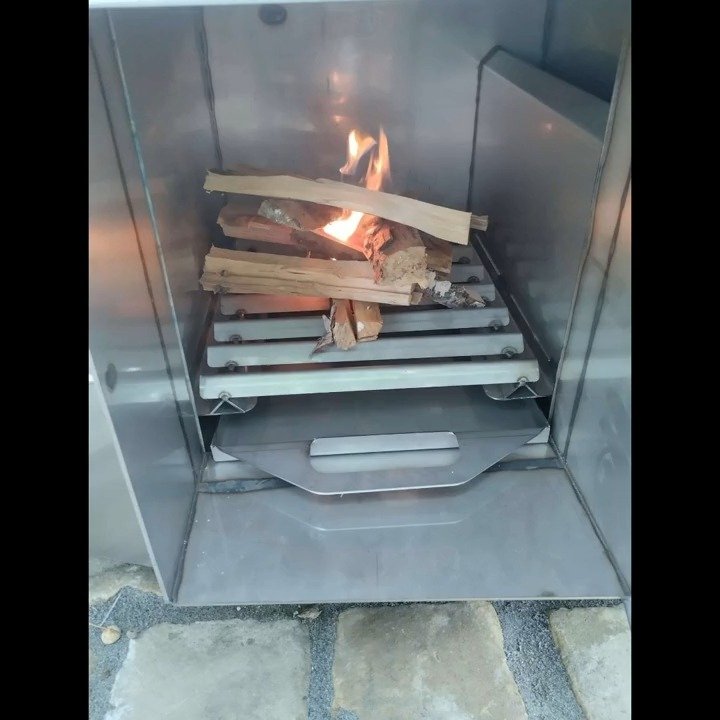
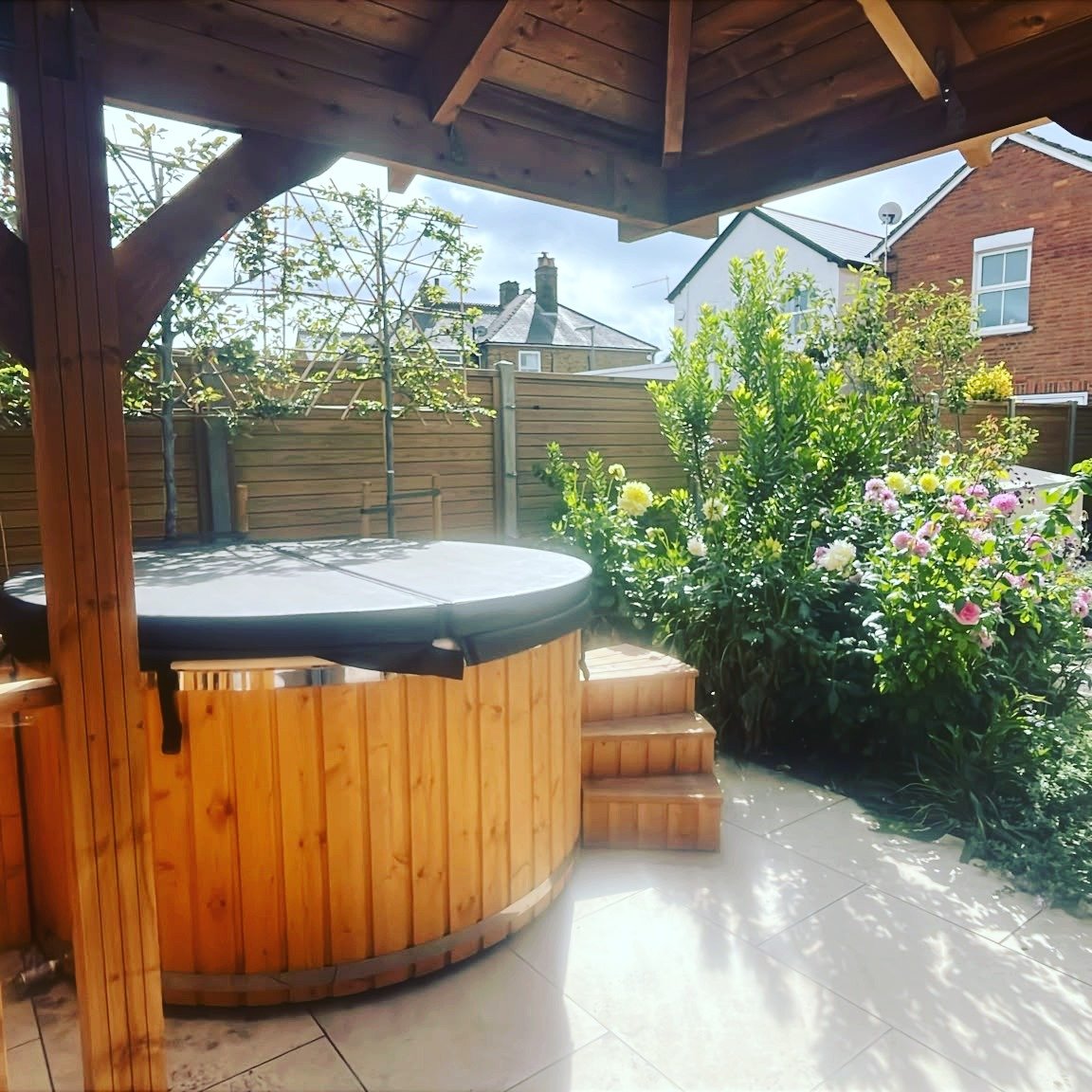
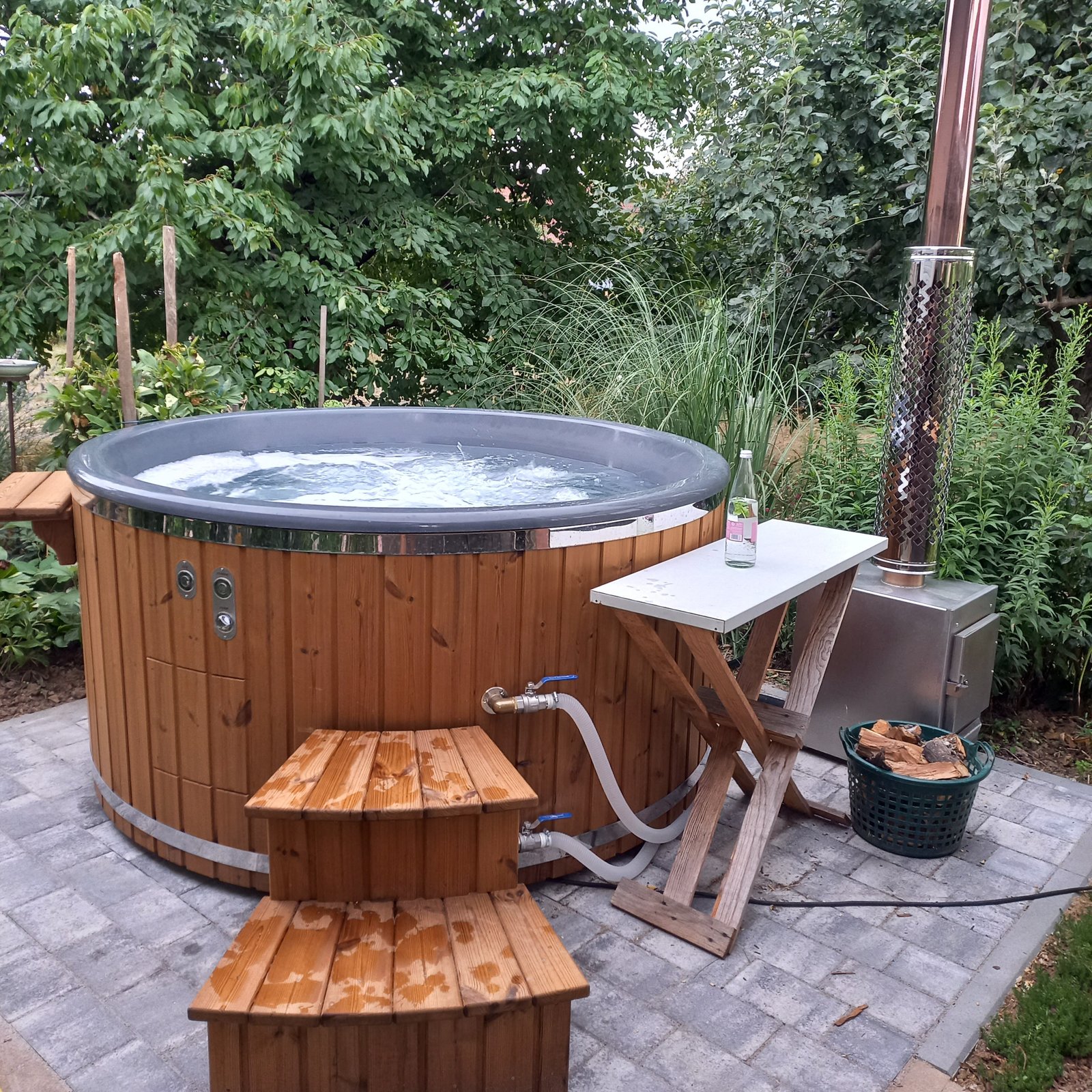
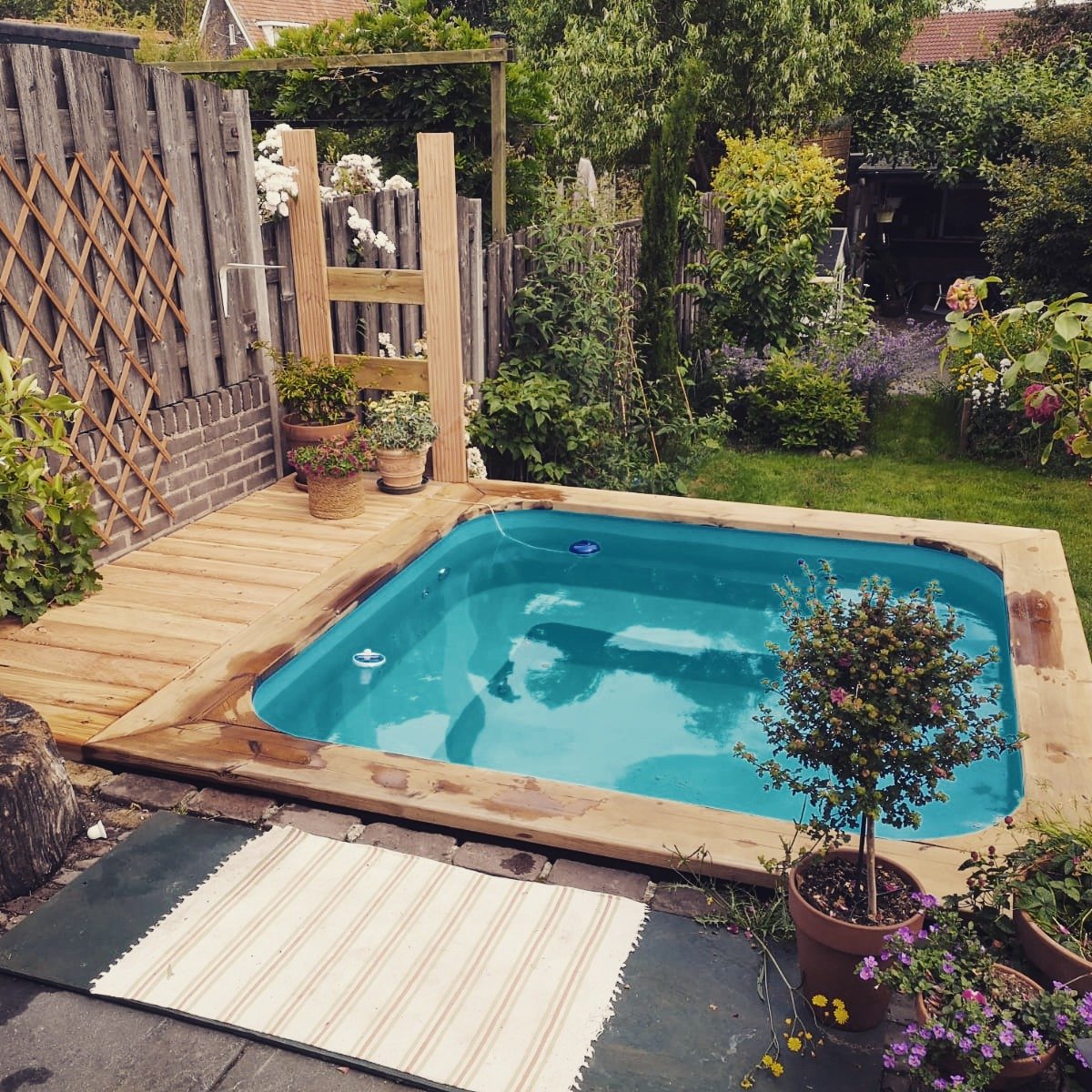
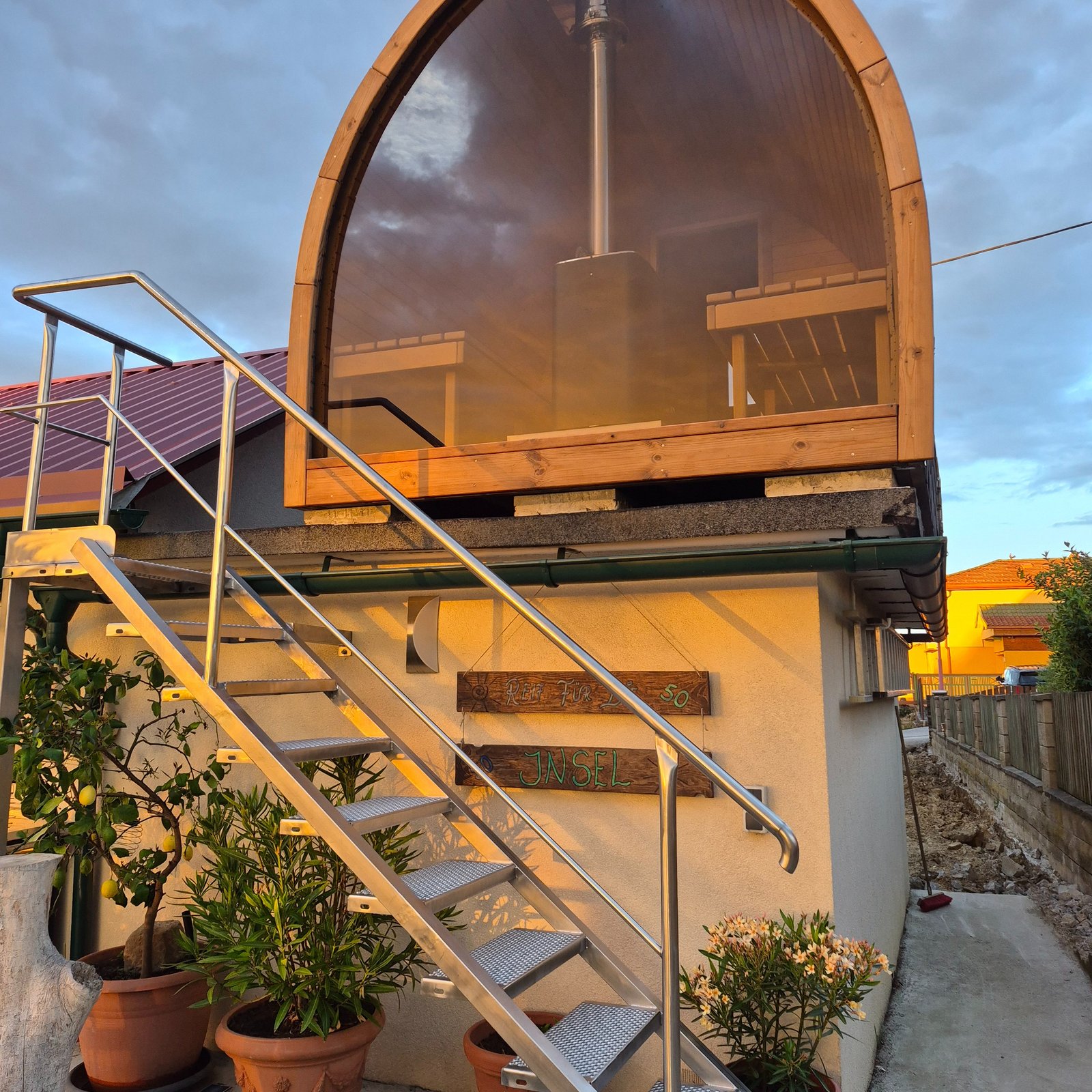
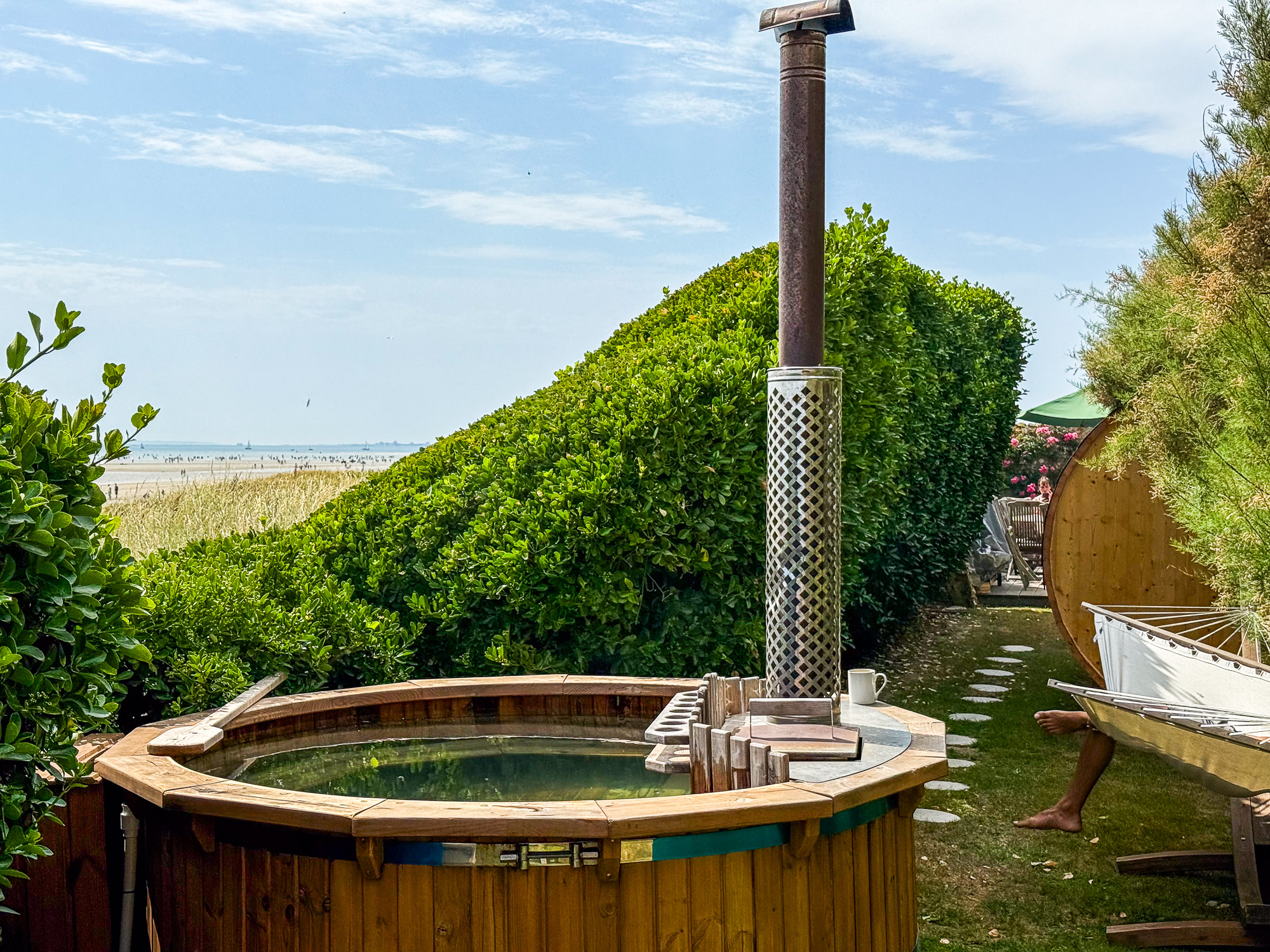
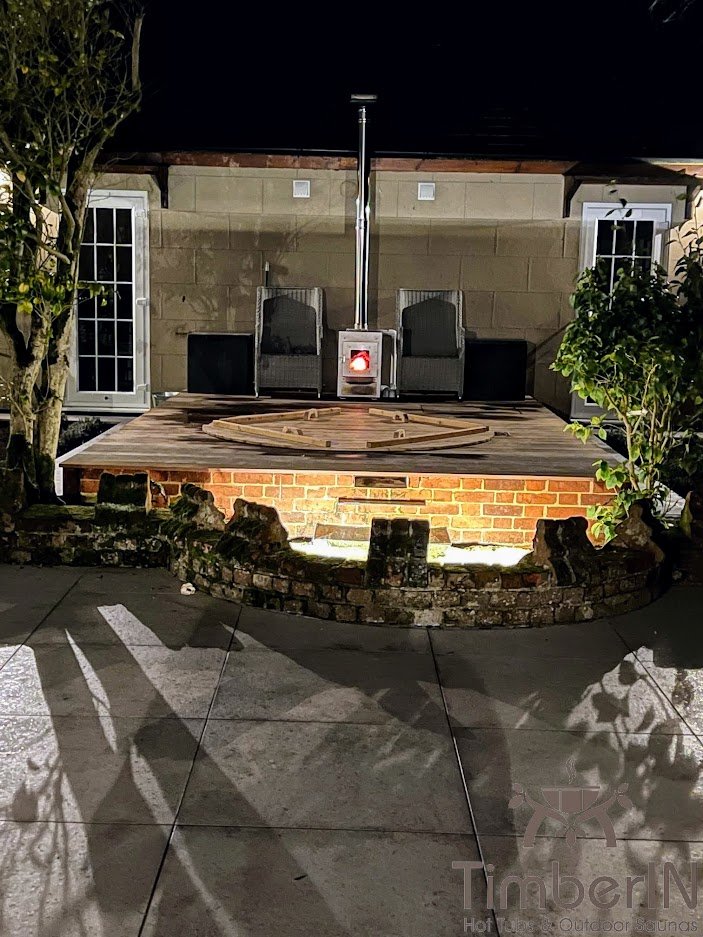
Review and installation photos →Hi, you can see the hot tub in these pics at our retreat.
A hot tub that fits household life
Start with the people who will use the tub and the adults who will look after it. Compare usable seats, heating, cover handling and water care as parts of one everyday routine.
Explore documented shared-use configurations, then specialist and alternative options. The selected size and equipment matter: a family name or starting price does not specify the complete installation.
From our customers
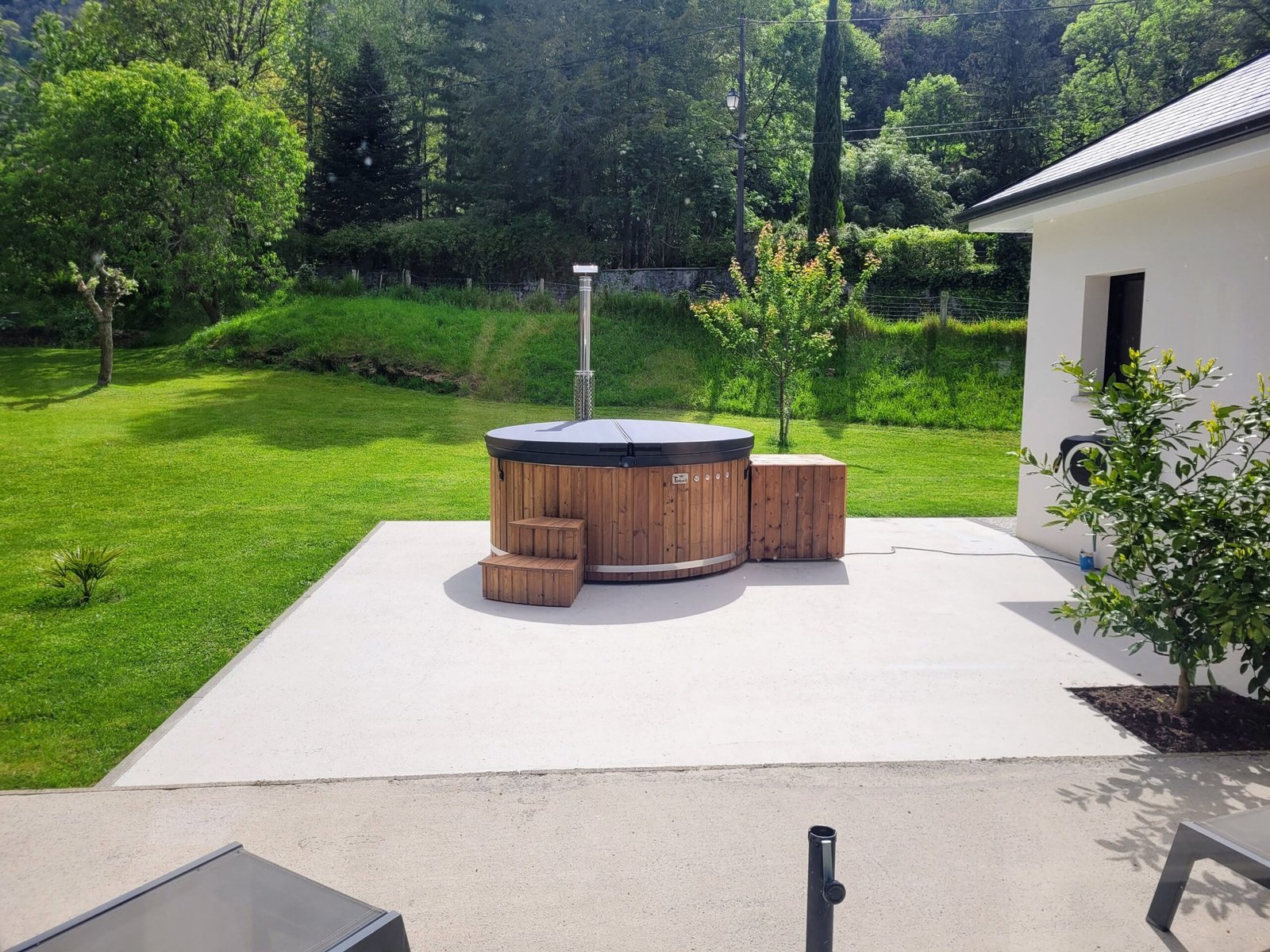
Customer projects matched to the products listed on this page. Earlier specifications and selected options may differ.
Customer projects from United Kingdom.
TimberIN Nordic™ Thermowood Deluxe
Review and installation photos →Hi, you can see the hot tub in these pics at our retreat.

Hi Albertas, as promised, I’ve attached some photos of our Hot Tub. We’re not on Facebook or the other social media platforms, but we’re happy for you to use any you might want for your website. It arrived Friday morning…
Hi Albertas, as promised, I’ve attached some photos of our Hot Tub. We’re not on Facebook or the other social media platforms, but we’re happy for you to use any you might want for your website. It arrived Friday morning 4th April and we were in the water and enjoying it on Saturday evening. We’ve been in it every night since! A big thank you to you and your team. The specification is exactly as planned, and the workmanship is excellent. You might welcome some feedback on a couple of relatively minor issues, which I hope you will find helpful. We only received 4 pictures of the hot tub, but in all honesty, these weren’t really enough for us to confirm that we would be happy with the product before making the final payment. We trusted the process and made payment, but it would have been better if we could have seen images of the liner and also inside the electric cupboard and the insulation. Just something to be aware of. The other minor point relates to the sand filter and UV-C. both of them came with European plug fittings that required changing. I would have thought that a UK specification would come with a UK plug. Again, this is not a huge point, but it was inconvenient to have to change these. Apart from those minor niggles, everything was great. So, once again, a big thank you to you and your team. Best of luck and continued success in the future.
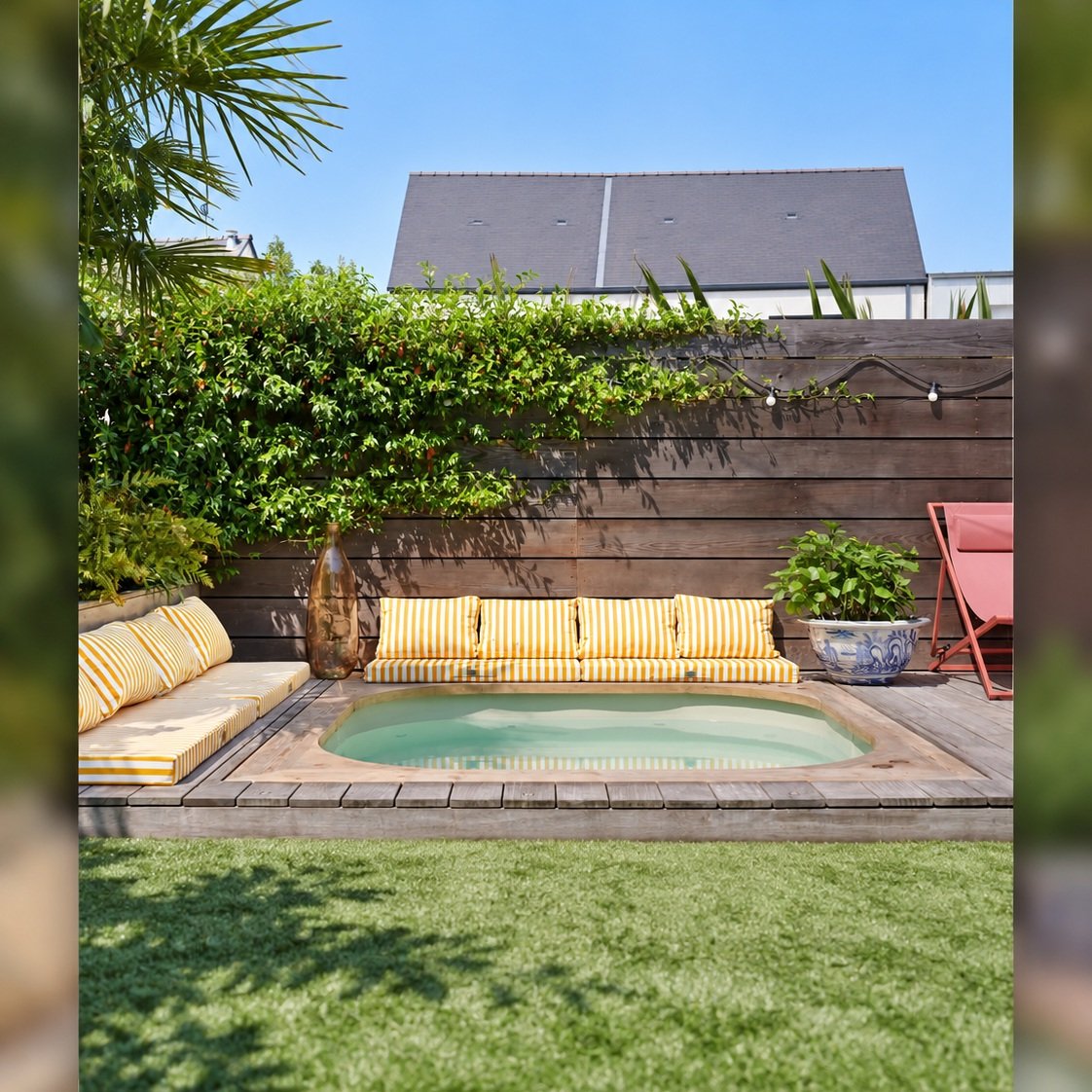
TimberIN Nordic™ InGround Comfort
Customer installation photographs.
Review and installation photos →These families offer a documented configuration for a household group within three to eight places. Select the actual size, shell and equipment; smaller or larger variants may also appear. This shortlist is not a child-safety rating.
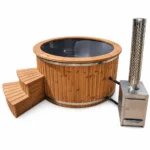
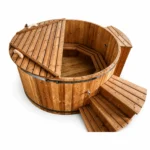
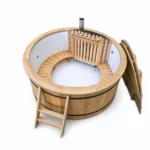
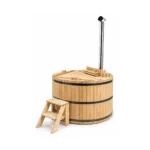
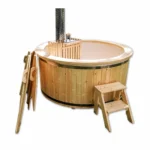
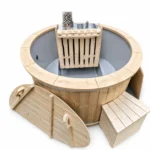
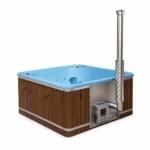
Compare these for a different brief: a couple, a mobile installation or a larger group. Some families need their exact seating capacity confirmed before they can be placed in a household shortlist.
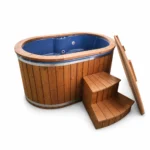
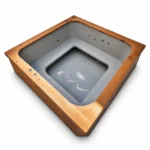
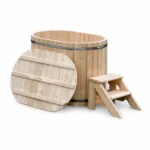
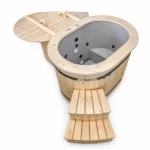
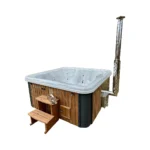
A family hot tub is a household purchase with an ongoing routine attached. Start by describing when the adults expect to use it, how many people will normally share the water and who will prepare and maintain it. A quiet evening for two, regular shared use by several eligible users and occasional visitors place different demands on the same garden installation.
Separate ordinary use from the largest gathering you can imagine. Extra seating can be worthwhile, but it also changes the cover, working water volume and space needed around the vessel. If a smaller group uses the tub most of the time, compare how each shortlisted configuration works for that group before paying for occasional extra capacity.
Then identify the tasks that make a session possible: checking water and equipment, preparing the heater, handling the cover and leaving the area secure afterwards. Decide who is responsible and whether another adult understands the routine. A useful feature is one that makes these ordinary tasks easier, rather than one that simply lengthens the list of accessories.
Be realistic about busy periods and time away. The equipment still needs the appropriate care when nobody is bathing. Ask how the selected system is managed between sessions and during an extended break. That conversation often helps distinguish a suitable household setup from a model chosen mainly for an attractive photograph.
The word family describes a buying context; it does not certify that a hot tub is suitable for every child or every person. Check the selected product’s restrictions and current authoritative guidance before deciding who should use it. A stated capacity describes occupancy, not an approved age, temperature or duration of use for an individual.
RoSPA’s hot-tub safety guidance advises that babies and young children should not enter hot tubs, emphasises close supervision around open water, and discusses secure covers and chemical storage. Read that guidance alongside the supplied instructions. An age threshold should never be treated as a promise that all older children can use any model without further consideration.
Plan supervision for the garden as well as the water. Know which adult is responsible when the tub is open, including during filling, cleaning and preparation. A household should not depend on the assumption that somebody else is watching. Arrange towels and other necessities in advance so that ordinary tasks do not create an avoidable break in attention.
Consider access when the tub is closed, too. Show the supplier the garden route, nearby doors, steps and any proposed enclosure when discussing suitable access controls. An insulated lid and a security arrangement serve different purposes, even when one specified cover contributes to both. Do not infer a childproof rating from a photograph, straps or the word “lockable”.
Ask for the actual seating plan with the selected heater, guard, internal step and benches fitted. Look at where people place their feet and how someone enters or leaves while others remain seated. The outside diameter or length is useful for siting, but it does not show the usable bench or central foot space.
A continuous bench can allow people to vary their spacing. A moulded liner can offer more defined positions and a different back support. Compare these with the intended users’ posture and ease of access, within the manufacturer’s stated restrictions. An entry step or protected heater zone should not be counted as an additional seat to make the numbers work.
Use the four-person guide, six-person guide and eight-person guide to compare the relevant configurations in more detail. This page concerns the routine around those choices. A family does not automatically need the biggest option, and a nominal six-person label does not guarantee the same comfort across different shells.
Think about a viewing or a comparable installation if the drawings leave important questions unanswered. Confirm that the example has the same shell and heater arrangement as the proposed order. The useful result is an agreed seat plan and clear access, rather than a general impression that a model looks large enough.
The leading catalogue group brings together fixed-site families with documented shared-use capacity in at least one currently offered configuration. This is a practical shortlist, not a child-safety endorsement. Select the precise size, shell and equipment that support the intended routine, and confirm the supplier’s instructions for the installation and users.
Nordic Core and External Comfort provide lined round configurations with different heater and equipment priorities. Core includes an integrated-heater route and can be configured with a spa package; External Comfort places the stove outside the bathing shell. Their smaller and larger options should be compared as separate configurations rather than treating each family name as one fixed capacity.
Nordic External Comfort also offers an electric heater choice. A model name alone does not determine suitability; the actual seating, supply, controls and maintenance requirements matter. A pellet heater on Nordic Core creates another fuel and equipment routine. Ask what the selected system needs before assuming it fits an existing household power supply or heating schedule.
Traditional timber models and Nordic Flex offer a different material and bench comparison. The compact snorkel families can suit a smaller shared-use brief where their stated occupancy and protected heater space fit. Elite Square provides a documented larger option. InGround Comfort requires a named shell and a designed supporting installation, with access and maintenance planned around the surrounding structure.
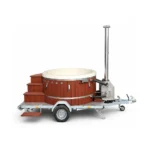
The remaining catalogue includes two-person vessels, specialist mobile systems and families with broader or incomplete capacity information. They can still be relevant to a particular household, but should be compared for their specific purpose. Two-person models may be sufficient for a couple; a trailer rarely earns its additional complexity when the tub will remain in one garden.
Wood firing can be an enjoyable part of the preparation when an adult wants that responsibility and has suitable fuel storage and time. It also creates a firebox, flue, hot surfaces and an ash-handling routine. Place the operating route so that it does not conflict with people entering the tub or moving between the house and garden.
An internal stove occupies part of the bathing vessel and needs its specified guard and clearances. An external stove moves the equipment beside the tub, where it still needs protected operating and service space. Integrated heaters have their own access arrangement. None of these layouts removes the need to follow the particular installation instructions or manage hot equipment around household activity.
The wood-fired hot-tub range helps compare those arrangements. Avoid choosing a stove position solely because it gives the neatest photograph. Check how the operator loads fuel, monitors heating and approaches the equipment while the cover is being handled or others are waiting to enter.
Electric heating can support a different preparation routine, provided the supply, controls and installation suit the chosen system. Hybrid equipment combines responsibilities rather than making either set disappear. Have a qualified installer confirm the electrical requirements; a family-sized product or an electric heater label does not establish ordinary-socket compatibility.
For every heating method, ask how readiness is checked and how the system is shut down. Follow the supplied operating limits and measurement instructions rather than assuming a thermostat setting or a warm-feeling surface represents the water everywhere. Do not substitute a generic family bathing temperature for the selected equipment instructions and individual restrictions.
A cover is handled repeatedly, so include it in the buying decision rather than treating it as a finishing accessory. Ask about its sections, lifting weight, compatible assistance and required space when open. The adults who maintain the tub should be able to carry out the specified handling procedure without balancing the cover in a doorway or against hot equipment.
Confirm exactly what the supplied cover is designed to do. Heat retention, weather protection and restricted access are different functions. Obtain the applicable instructions for securing and inspecting it, including the fastenings and any replacement parts. A damaged or poorly fitting cover should be assessed and put right; a familiar appearance does not establish that it still performs its intended function.
Place steps and any specified hand support around the actual entry point. Keep paths clear and plan suitable lighting for the times the household expects to use the area. Check how wet footwear, towels and moved furniture affect the route. The open-cover position, heater access and guest entrance should all work at the same time.
Storage matters here as well. Keep cleaning products in their labelled containers and the secure location required by their instructions, with access restricted appropriately. Give fuel, tools and loose accessories defined places. A tidy photograph on delivery day is less useful than a layout that stays manageable after an ordinary evening’s use.
Ask for the complete care instructions for the selected vessel material and equipment. A timber vessel, a fibreglass liner and a polypropylene shell have different approved cleaning and treatment requirements. Filtration, jets and pipework add components that must remain accessible. Compatibility with a particular treatment depends on the whole specified system, not one stainless-steel grade or a general product label.
Assign responsibility for the required water checks, cleaning, filter care and water changes. Keep the instructions and a simple record where the responsible adults can use them. Clear-looking water is not a substitute for the prescribed testing. If the routine cannot be maintained during a busy week, follow the supplier’s shutdown or restricted-use procedure rather than guessing.
Jets can add an experience the household enjoys, but they also add equipment, services and cleaning considerations. Compare whether those features will be used often enough to justify them. The hot tubs with jets guide explains air and water massage choices without assuming that more jets make a better household purchase.
Working water volume also affects routine tasks. A larger configuration may need more water for filling and more energy for the same temperature rise, but it does not provide one predictable cost or warm-up time. Ask for the exact working litres, selected heater and realistic operating guidance. Plan an appropriate drainage route before the first fill.
Discuss the following responsibilities before ordering. The answer should name a person or a practical arrangement, not just an accessory. This turns the purchase into a routine that can be shared consistently by the adults who will manage it.
| Stage | Agree in advance | Check in the specification |
|---|---|---|
| Before opening | Who checks water, equipment and the intended users | Testing instructions, restrictions and controls |
| Preparing heat | Who operates the heater and manages the surrounding area | Fuel or power, hot surfaces and access |
| During use | Who manages supervision and the open-water area | Entry, seat plan and stated occupancy |
| After use | Who shuts down, secures the cover and clears the route | Cover handling and closure procedure |
| Between sessions | Who maintains, records faults and arranges servicing | Filter access, care schedule and storage requirements |
Make the same information available to another adult who may take over. A brief handover should include where the instructions are kept and what to do when a check is unsatisfactory. Visitors should receive the relevant use instructions; familiarity with a different hot tub does not establish how this one is operated.
Send the supplier your ordinary group size, seating preferences, heating choice and a sketch of the proposed location. Include the delivery route and the space for cover handling, steps and equipment. Ask for the selected working volume, complete operating load and required support arrangement before designing a base or raised platform.
The quotation should identify the shell or timber vessel, exact size, heater, cover, insulation, filtration and any powered accessories. Clarify delivery, unloading, installation and commissioning responsibilities. Include an explanation of the normal care routine and access requirements in the handover, so that the people doing the work know what the purchase entails.
No. It describes a household buying context, not an age or child-safety certification. Follow the selected product’s restrictions and current authoritative guidance, and plan supervision around open water.
No. Compare ordinary occupancy, usable seats, working water volume and the maintenance routine. Occasional extra places should justify their additional space and ownership requirements.
No. They are parts of a specified system with their own care and inspection requirements. Follow the supplied water-management, equipment and closure instructions rather than relying on appearance alone.