
Wooden Hot Tubs – Natural Outdoor Hot Tubs Crafted from Real Wood
A wooden hot tub represents the original and most authentic form of outdoor bathing. Long before acrylic spas and complex electrical systems existed, people heated water in wooden tubs, enjoying warmth, simplicity, and a close connection to nature. Today, wooden hot tubs remain the preferred choice for those who value natural materials, traditional craftsmanship, and a timeless outdoor wellness experience.
This page explains what makes a wooden hot tub different, why wood is still chosen today, and how various wood types compare, helping you decide whether a wooden hot tub is the right foundation for your outdoor spa project.
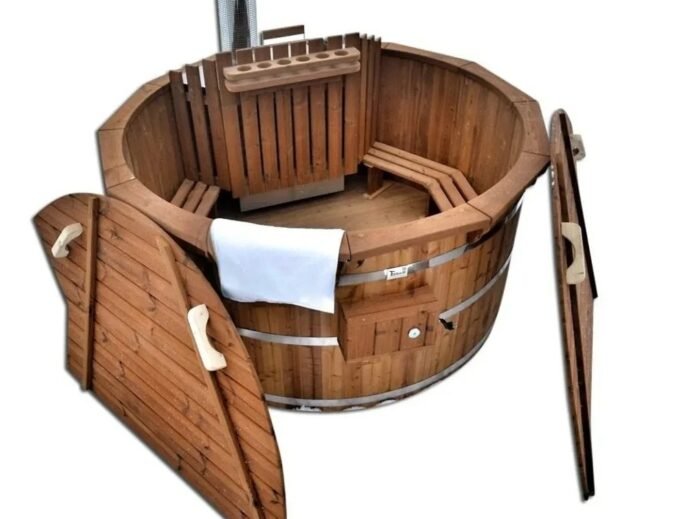
TimberIN Nordic™ Thermowood Deluxe
TimberIN Nordic™ Thermowood Deluxe is a premium wooden hot tub crafted from heat-treated Thermowood for long-lasting performance in outdoor conditions. Designed for authentic Nordic bathing, it combines traditional wood-fired heating with modern comfort and elegant natural design.
What Is a Wooden Hot Tub?
A wooden hot tub is an outdoor bathing tub constructed primarily from natural wood rather than synthetic shells such as acrylic or fiberglass. The structure, insulation properties, and visual appearance are defined by the timber itself, giving each tub a warm, organic character that cannot be replicated by artificial materials.
It is important to distinguish material from heating. A wooden hot tub describes what the tub is made of, not how it is heated. Wooden hot tubs can be combined with different heating systems, including wood-fired, pellet-fired, or electric heaters. The defining feature is the use of real wood as the core structural and aesthetic element. Some buyers also compare niche brands such as Salty Barrel hot tubs with manufacturer-built alternatives like TimberIN.
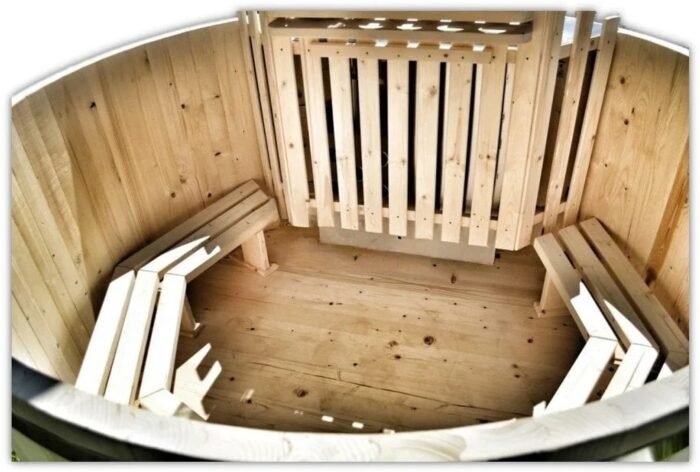
TimberIN Nordic™ Wooden Basic
TimberIN Nordic™ Wooden Basic is a traditional wood fired wooden hot tub made entirely from natural spruce. Designed as a simple and affordable model, it offers an authentic outdoor bathing experience with real fire heating. Available with an internal or external wood-burning stove and supplied either fully assembled or as a kit, it is ideal for gardens, cabins, and first-time hot tub owners who want to enjoy warm bathing in nature at a sensible budget.
Wooden Hot Tubs
Start here
Why Choose a Wooden Hot Tub?
Choosing a wooden hot tub is as much a lifestyle decision as it is a technical one. Wood offers several unique advantages that continue to attract buyers across Europe and the UK. Some buyers researching wood-fired hot tubs also compare Nordic brands such as Kirami with European manufacturers like TimberIN®.
Natural Insulation and Warmth
Wood is a naturally insulating material. Properly constructed wooden hot tubs retain heat efficiently, helping maintain comfortable water temperatures while reducing energy loss. This natural thermal performance contributes to lower running costs when combined with an appropriate heating system.
Timeless Aesthetics
Wooden hot tubs blend effortlessly into outdoor environments. Whether placed in a garden, countryside setting, or wellness area, wood complements nature rather than competing with it. The grain, colour, and texture of timber create a calm, inviting atmosphere that synthetic materials struggle to achieve.
Tactile Comfort
Unlike acrylic shells, wood feels warm and pleasant to the touch. This tactile quality enhances comfort during bathing and reinforces the sense of relaxation associated with traditional outdoor soaking.
Longevity Through Craftsmanship
When built correctly and maintained with basic care, wooden hot tubs can offer many years of reliable use. Individual components can often be repaired or replaced, extending the life of the tub far beyond that of many mass-produced alternatives.
Wooden Hot Tubs and Heating Options
While this page focuses on material, understanding how wooden hot tubs interact with different heating systems helps clarify their versatility.
Wooden hot tubs can be paired with:
- Wood-fired heating for traditional, off-grid bathing
- Pellet-fired heating for cleaner combustion and automated comfort
- Electric heating for precise temperature control
The wooden structure works equally well with each system. Your choice of heating should be based on lifestyle, frequency of use, and desired level of automation, while the wooden tub provides the natural foundation for all options.
Types of Wood Used in Wooden Hot Tubs
Not all wooden hot tubs are the same. The choice of wood affects durability, appearance, maintenance requirements, and suitability for different climates.
Spruce
Spruce is a classic Nordic timber widely used in traditional wooden hot tubs. It offers a light, natural appearance, good structural strength, and an excellent balance between quality and affordability. Spruce is often chosen by those seeking a traditional look and strong value.
Larch
Larch is a denser, resin-rich wood with enhanced resistance to moisture. It develops a warmer tone over time and is well suited to outdoor environments where additional durability is desired. Larch combines natural beauty with increased resilience.
Thermowood
Thermowood is heat-treated timber designed for demanding outdoor conditions. The treatment process improves dimensional stability, resistance to rot, and colour consistency. Thermowood is often selected for its refined, darker appearance and reduced maintenance needs.
Each wood type has its own character. The right choice depends on your aesthetic preferences, climate conditions, and long-term expectations.
Wooden Hot Tubs vs Acrylic or Fiberglass Hot Tubs
Many buyers compare wooden hot tubs with modern acrylic or fiberglass models. Both have their place, but they offer fundamentally different experiences.
Wooden hot tubs emphasise:
- Natural materials and appearance
- Traditional bathing rituals
- Repairability and long lifespan
- A closer connection to outdoor surroundings
Acrylic or fiberglass hot tubs focus more on:
- Fully automated operation
- Integrated electronics
- Uniform, synthetic finishes
For those who value nature, simplicity, and authenticity, wooden hot tubs remain the preferred choice.
Are Wooden Hot Tubs Suitable for Year-Round Use?
Yes. Well-built wooden hot tubs are suitable for year-round use when combined with appropriate insulation, covers, and heating systems. Many owners particularly enjoy winter bathing, where the contrast between cold air and warm water enhances relaxation.
Wood performs well in changing temperatures, and its natural insulating properties support efficient heat retention. With sensible use and basic care, wooden hot tubs remain reliable in both summer and winter conditions.
Maintenance of Wooden Hot Tubs
Wooden hot tubs are often perceived as demanding, but in reality maintenance is straightforward.
Basic care typically includes:
- Periodic cleaning of interior surfaces
- Monitoring water quality
- Occasional exterior treatment depending on wood type
Thermally modified woods and dense timbers generally require less attention, while lighter woods benefit from simple protective care. With regular but uncomplicated maintenance, wooden hot tubs retain both their performance and appearance for many years.
Who Are Wooden Hot Tubs Best For?
Wooden hot tubs are particularly well suited for:
- Homeowners seeking a natural outdoor spa
- Rural and countryside properties
- Wellness enthusiasts and sauna users
- Eco-conscious buyers
- Holiday rentals looking for authentic character
They appeal to people who appreciate materials with history, warmth, and individuality rather than mass-produced uniformity.
Choosing the Right Wooden Hot Tub
Selecting the right wooden hot tub starts with the material. Once the wood type is chosen, you can then decide on:
- Heating method
- Size and capacity
- Installation style
- Comfort and functional features
This approach ensures the foundation of your hot tub matches your expectations before refining technical details.
Explore Our Wooden Hot Tubs
Below you will find our collection of wooden hot tubs, crafted from carefully selected timber and designed for long-term outdoor use. Each model combines traditional craftsmanship with modern engineering, allowing you to enjoy authentic outdoor bathing with confidence.
Whether paired with wood-fired, pellet-fired, or electric heating, a wooden hot tub offers a timeless and rewarding way to relax outdoors.
What is the main benefit of a wooden hot tub?
The main benefit is the use of natural wood, which provides excellent insulation, a warm tactile feel, and a timeless appearance that blends beautifully into outdoor environments.
Are wooden hot tubs durable?
Yes. When built from suitable timber and cared for properly, wooden hot tubs can last many years and often outlive synthetic alternatives.
Do wooden hot tubs only work with wood-fired heating?
No. Wooden hot tubs can be combined with wood-fired, pellet-fired, or electric heating systems. The wood describes the material, not the heating type.
Is a wooden hot tub harder to maintain than an acrylic one?
Maintenance is different rather than harder. Wooden hot tubs require basic care of the timber, but they avoid many complex electronic components found in fully automated spas.
Which wood is best for a wooden hot tub?
There is no single best choice. Spruce, larch, thermowood, and oak each offer different benefits in terms of appearance, durability, and maintenance.
Are wooden hot tubs suitable for cold climates?
Yes. Wooden hot tubs perform well in cold weather, especially when properly insulated and paired with an efficient heating system.