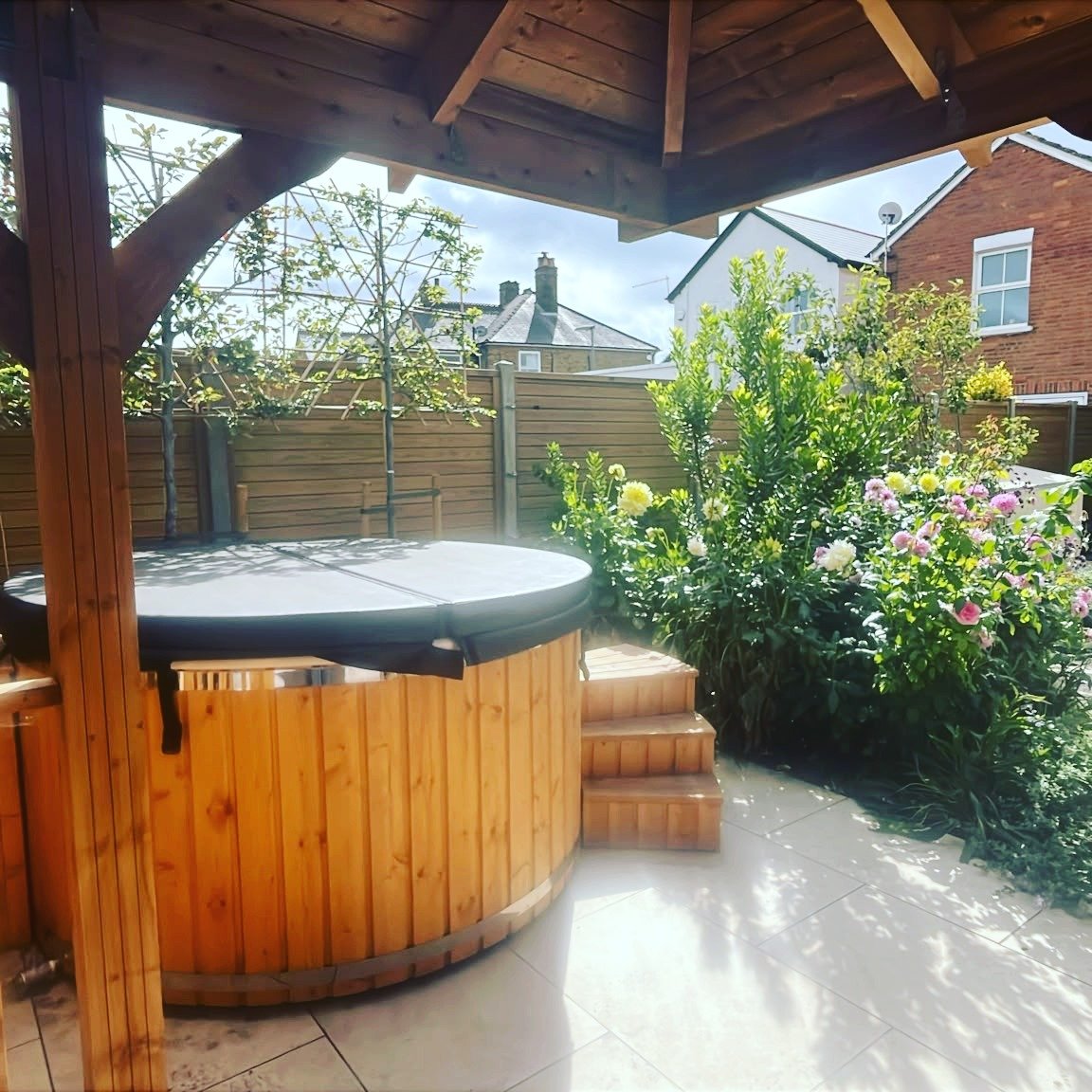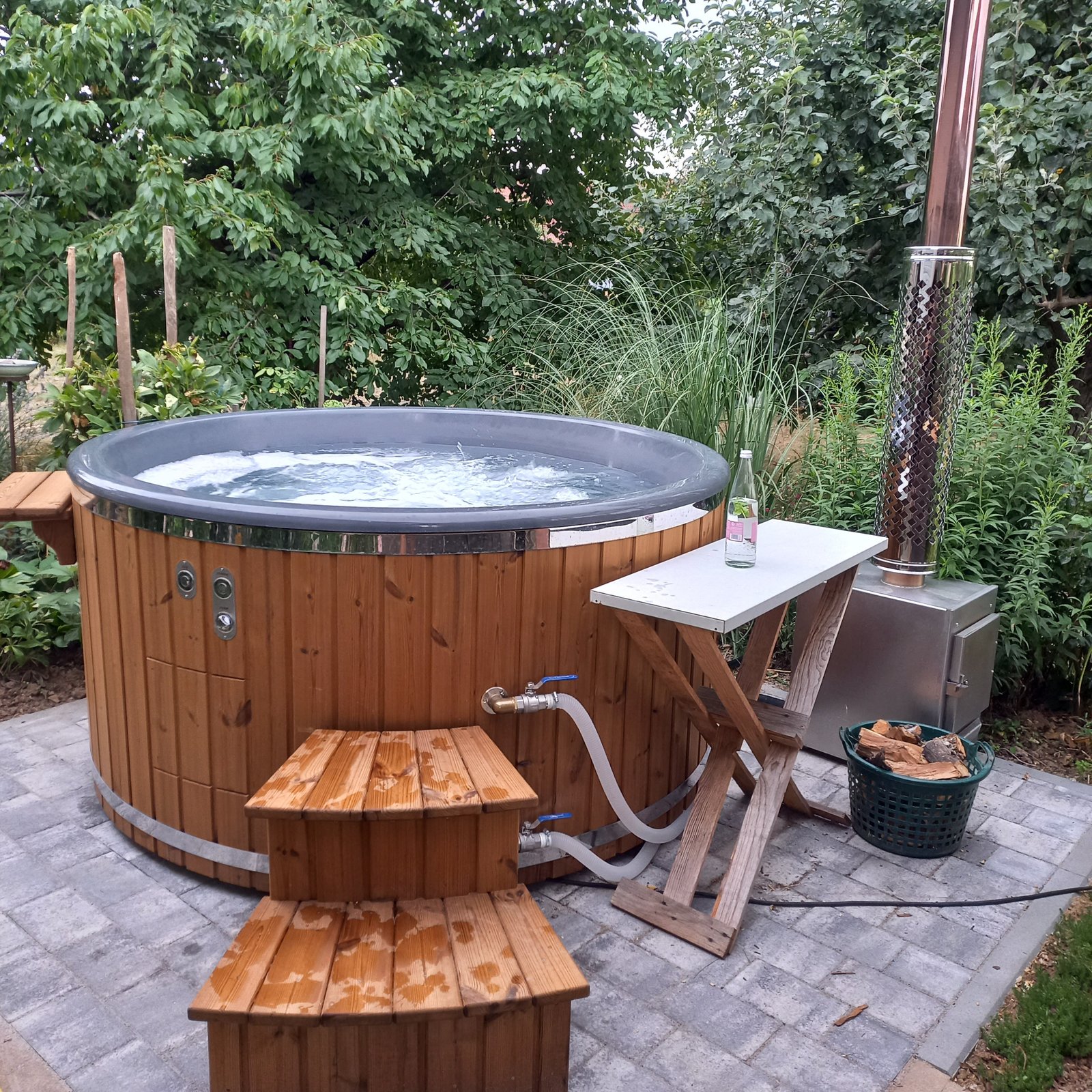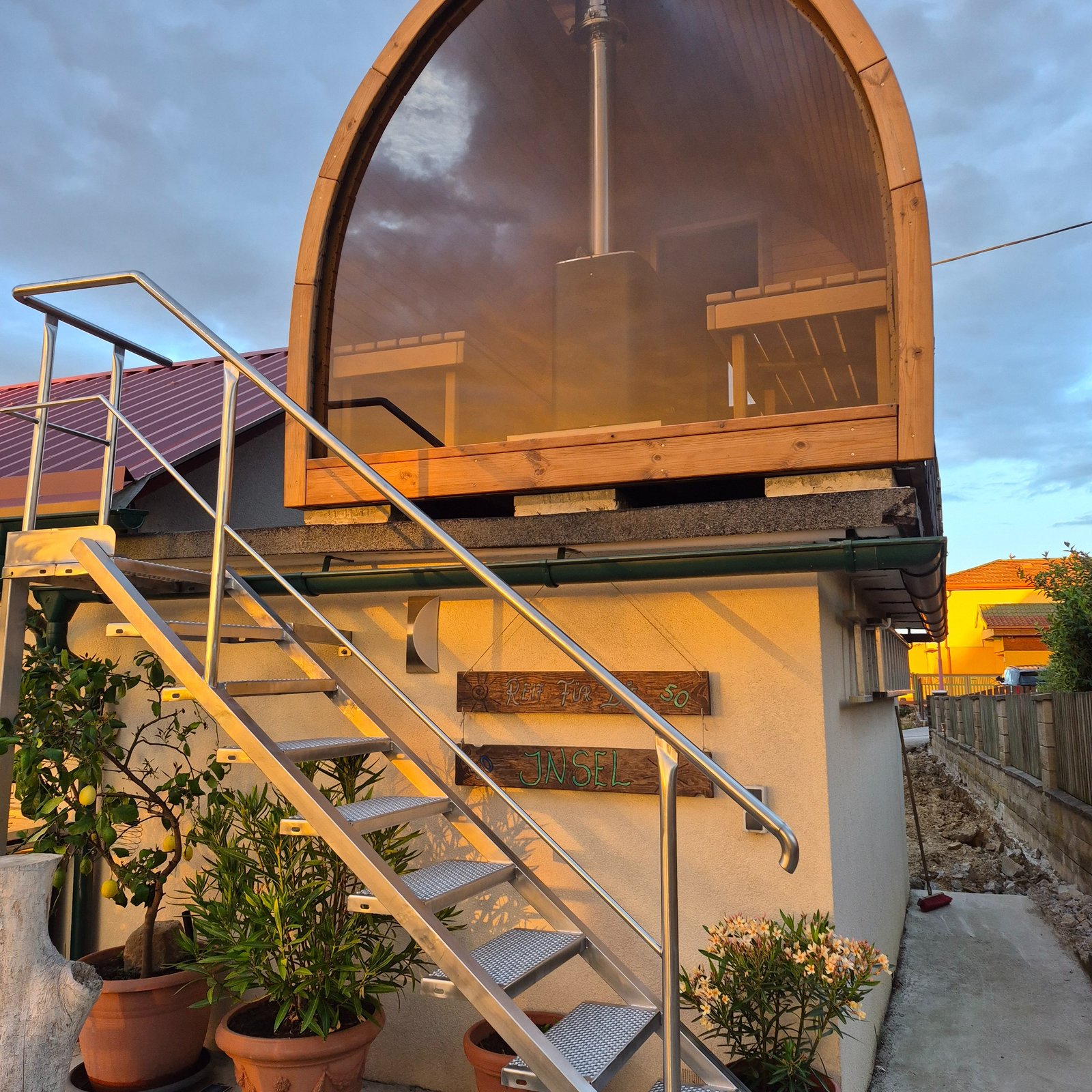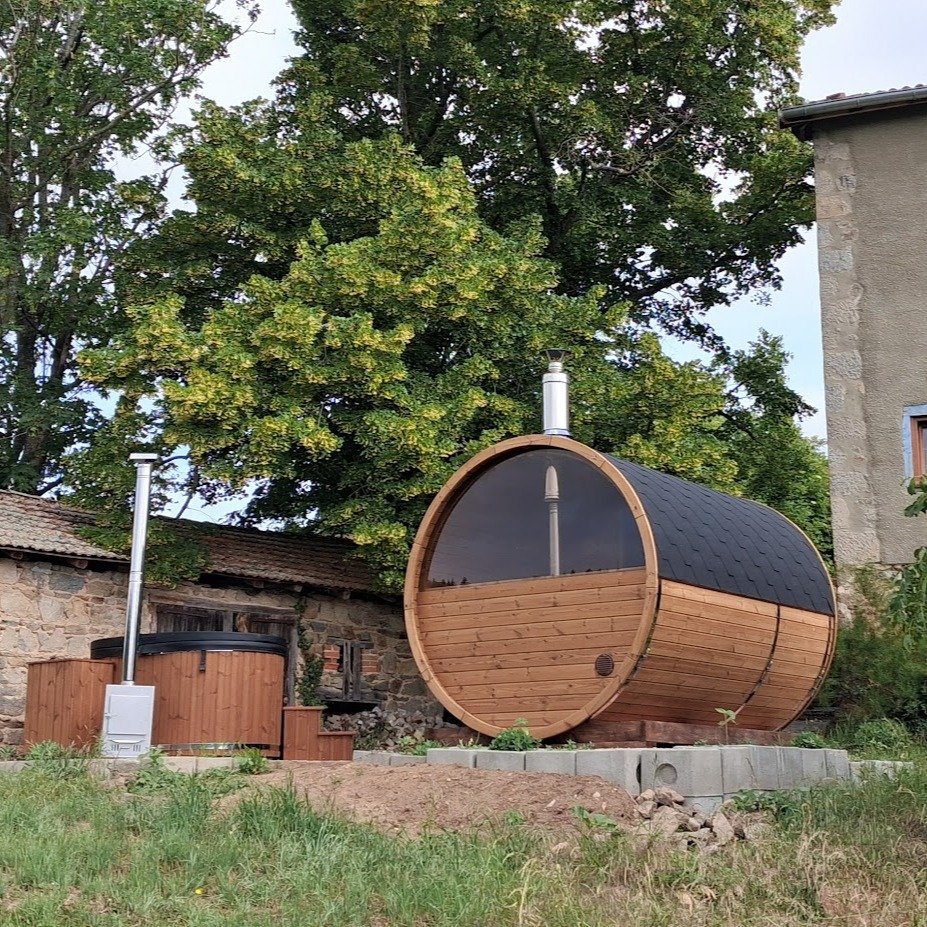


A safe sauna session starts before the heater is switched on: the exit opens normally, the room is clear, the heater and guards are sound, and someone understands the controls. Keep those checks brief and repeatable. A change in smell, smoke, control behaviour or door movement calls for action before bathing.
| Safety layer | What it must establish |
|---|---|
| Product configuration | Approved heater for the finished room, guards and clearances, suitable benches and materials, designed ventilation and a usable door |
| Site and installation | Stable base, drained approach, safe lighting, electrical or flue design, weather protection and service access |
| Operation and maintenance | Pre-use checks, supervision, sensible heat exposure, drying and prompt action on faults |
Specify the heater from the finished room
Internal volume, insulation and glazing influence heater selection. A wood-burning heater needs its approved flue, combustion air, clearances and protective guard. An electric heater needs a permanent supply, controls and protection designed and tested for the actual installation. Neither should be upsized from guesswork, and an extension lead or portable household heater is not a sauna solution.
Bench and guard geometry must keep users away from hot surfaces while preserving the heater’s required airflow. Towels, clothing and drying racks do not belong over or beside the heater. Keep the heater manual with the sauna so every owner, guest or technician can identify the controls and stop conditions.
The doorway and route matter before anyone heats the room
The door must open freely as designed, without a lock or obstruction that can trap a user. Check hinges, handle, glazing and threshold after delivery and seasonal movement. Steps should be stable, evenly supported and visible; in winter, clear ice and snow before switching on the heater rather than after the cabin is hot.
Plan drainage so water is not carried across a freezing path or left beneath the floor. Provide outdoor lighting that can be controlled without unsafe temporary cables. Hand support may be appropriate where the route or users require it.
Warm the empty cabin and observe it first
Inspect vents, heater, guard, stones, controls and the flue where fitted. Remove combustible items, then heat the empty sauna according to its instructions. Confirm normal control response, draught, airflow and absence of smoke or unusual odour before anyone enters. First commissioning and any session after maintenance deserve extra attention.
Do not defeat ventilation because the warm-up seems slow. Correct the heater, supply, fuel, stones, door or envelope issue. Ventilation also supports heater cooling or combustion, air quality and drying after use.
Use heat as an exposure, not a challenge
Session length and temperature tolerance vary. Begin conservatively, drink water, leave whenever you feel unwell and cool down safely. Do not use alcohol before or during sauna bathing. Children need continuous responsible supervision and the product’s age/use guidance; the sauna should never be used as an unsupervised play or sleeping space.
People who are pregnant, unwell, taking medication that can affect heat tolerance, or living with a relevant health condition should seek individual medical advice before use. Marketing claims about detoxification, immunity, weight loss or treating disease are not a substitute for medical evidence or advice.
Dizziness, headache, nausea, unusual tiredness, cramps, excessive thirst or confusion can indicate heat illness. Leave the heat and follow current NHS guidance; heatstroke signs are an emergency. Keep the route to a cooler place clear before the session begins.
Stop rather than repeatedly reset
- smoke enters the room or an unusual burning smell develops;
- electrical protection trips more than once or controls behave unpredictably;
- the heater, guard, stones or flue are loose, damaged or glowing abnormally;
- timber near the heater is darkening or scorching;
- a vent is blocked, glass is damaged, steps move or the door sticks;
- a user becomes dizzy, confused, nauseous or otherwise unwell.
End the session, isolate equipment by the approved method and involve the correct professional. Repeated resetting removes a warning without removing its cause.
Make the shutdown familiar to every responsible user
Show the responsible adult how to stop normal heating, identify a fault and summon help. Keep the route out and onward to a cooler place clear. In guest accommodation, give an understandable operating instruction and a contact route; guests should not be asked to reset protection or investigate a heater.
With smoke or a suspected fire, move people to safety and call 999 where needed. Do not return to the room to investigate. For signs of heatstroke, including confusion, seizure or loss of consciousness, call 999 and follow emergency advice.
Maintenance preserves the original safety case
Inspect and clean at intervals suited to frequency and exposure. Heater stones can crack and compact, guards can loosen, door alignment can change and roof water can reach hidden timber. Keep a simple record of stone service, chimney or electrical inspection, finish work and recurring symptoms.