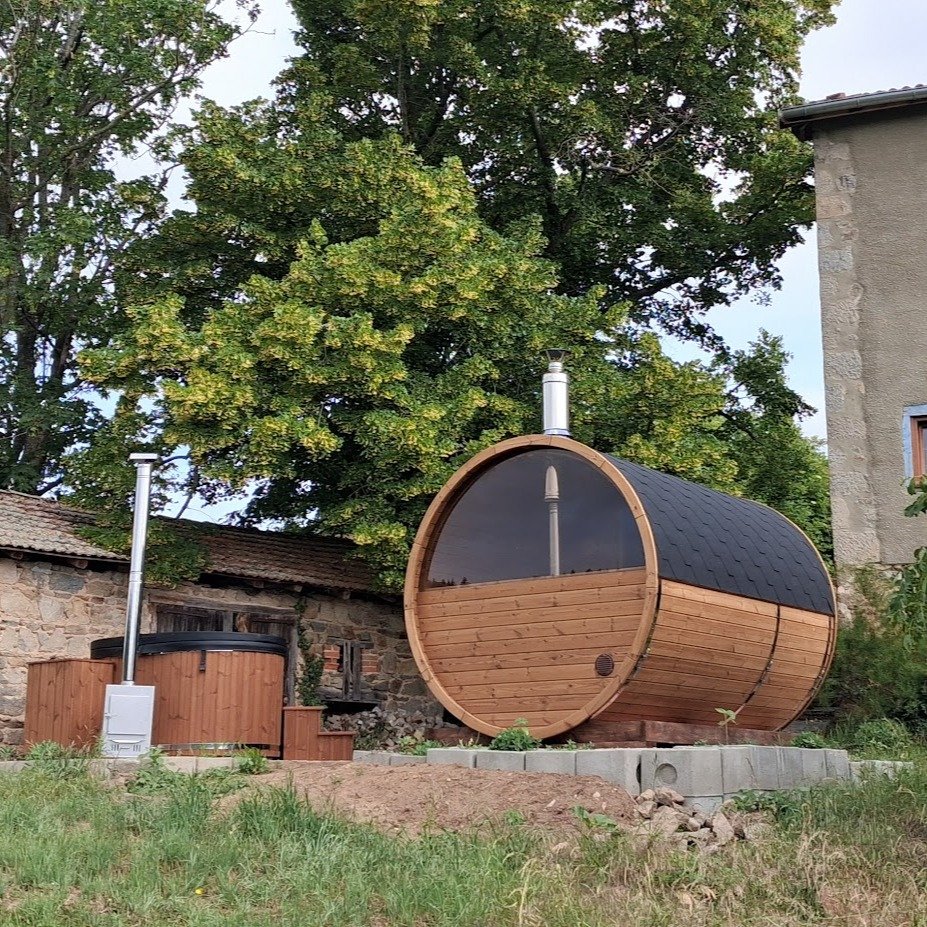

Decide before the first frost
The winter risk is not limited to the tub. A small amount of water trapped in a stove, pump, filter, valve, jet or pipe can freeze and damage the system. Every configuration therefore needs an explicit strategy: remain filled under genuinely supervised operation, or be completely drained and secured according to its manuals.
A cover, Thermowood or an insulated tub is not a frost procedure. The plan depends on heating, circulation, massage options, low points, available power and the presence of someone able to intervene.
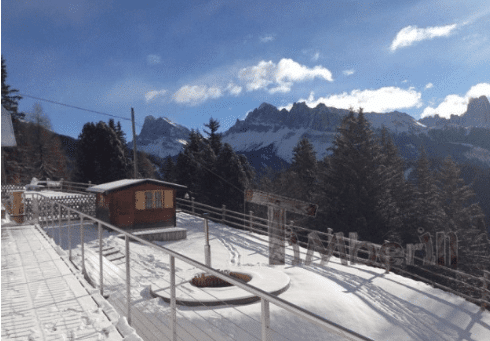
Choose between two safe states
Active, supervised operation
The tub remains full only if the entire configuration is approved for this use and heating, circulation, water level and cover remain reliable.
- power and controls available;
- correct flow in every relevant circuit;
- regular checks on site;
- a reachable responsible person with an emergency plan.
Complete, dry shutdown
The tub and every water-containing component are drained, cleaned, dried and protected before freezing conditions, according to their own instructions.
- stove and heater cooled, then drained;
- pumps, filter, valves and pipes drained;
- jets and low points checked;
- removed parts stored as specified.
Map every space that may retain water
| Component | Common risk | Check before frost |
|---|---|---|
| Tub and main drain | Recess, valve or floor trapping a pocket of water | Drainage route, drying and valve positions |
| Wood-burning stove or heat exchanger | Chamber, connection or pipe still full | Cooling, depressurising and draining according to the manual |
| Electric heater | Heater body, sensor or bypass | Electrical isolation and specified drain points |
| Pump and filter | Pump housing, prefilter, vessel or connection | Plugs, dismantling, cleaning, drying and storage |
| Hydromassage | Water in the pump, jets, loops and low points | Circuit drawing, draining or purging method and residual-water check |
| Air massage | Moisture or water in lines, outlets and non-return valves | Separate drying or purging method suited to the actual system installed |
| External hoses and taps | Pockets in bends or closed connections | Disconnection, draining and dry protection |
Treat hydromassage and air massage separately
Hydromassage: a pressurised water circuit
The pump draws in water and sends it back to the jets. Pipes, connections and low points therefore form part of the volume to maintain under the specified conditions or drain according to the configuration’s procedure. An empty tub does not prove that this network is dry.
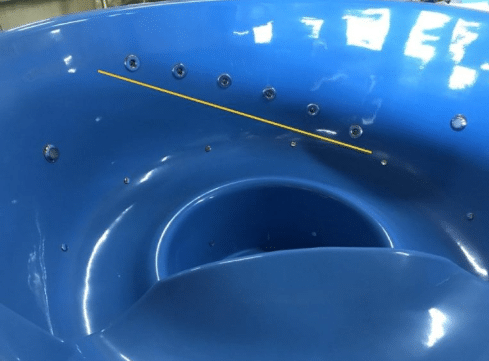
Air massage: a separate network
The blower moves air, but its lines, outlets and non-return valves may remain damp or retain water. Identify the method specified for the installed system instead of automatically applying the hydromassage procedure to it.
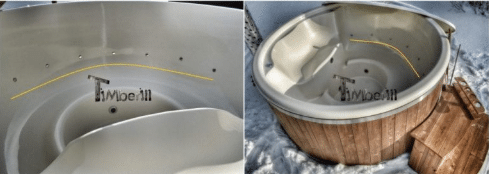
During active operation, water level, flow and protection remain within the product’s specified conditions. During shutdown, no pump should run dry or against a frozen obstruction without explicit instructions in the current documentation.
Five conditions for leaving the hot tub filled
- Confirmed compatibility: the tub, heater, pumps, filter, pipes and controls form a configuration approved for winter.
- Reliable power: a frost-protection function stops working if the power, sensor or pump fails.
- Checked level and flow: evaporation, a leak or ice must not interrupt circulation.
- Suitable cover: it limits losses and remains secured within its capacity, particularly under snow.
- Responsibility on site: someone can recognise an alert and make the installation safe quickly.
Thehot tub insulation and calculation of heating time help explain losses, but replace none of these five conditions.
Carry out a complete shutdown while temperatures still allow
- Gather the drawings. List the tub, heater, pumps, filter, hydromassage, air system, hoses, valves and drain points.
- Shut down safely. Let the fire go out and cool; isolate electrical components according to the procedure.
- Dispose of the water correctly. Take account of the treatment used, ground conditions and permitted discharge route.
- Drain every circuit. Use the plugs, connections and valve positions specified in the manuals.
- Clean and dry. Treat the tub, waterline, filter and accessible elements using compatible methods.
- Check low points. Look for hidden pipes, non-return valves, chambers and bends that can retain water.
- Store removable parts. Keep plugs, cartridges and removed components clean, dry and frost-free.
- Protect without trapping moisture. Close openings against dirt while maintaining the system’s required ventilation.
Plan the response to failures before they happen
| Event | Immediate check | Response |
|---|---|---|
| Power cut | Outside temperature, estimated duration, changes in water temperature and stopped components | Call the responsible person and carry out the planned safeguarding or draining procedure |
| Pump without flow | Level, filter, valves, ice, noise and displayed error | Stop use; do not force the pump and correct the cause |
| Stove lit without circulation | Flow and water level | Stop adding fuel and follow the stove manual |
| Leak or falling level | Source, water near electricity and equipment condition | Make safe, then protect the remaining parts from frost |
| Suspected ice | Deformation, cracks and lack of flow | Do not force heating; thaw in a controlled way and have it inspected |
Continue water hygiene and keep bathers’ route safe
Cold outdoor weather does not replace the water-treatment routine. Testing, filtration, cleaning and compatible disinfection continue while the tub remains filled. Also check the temperature with a suitable thermometer; the page on hot tub temperature addresses that decision separately.
- keep the path, steps and exit area clear, lit and non-slip;
- remove the cover completely before bathing and place it safely;
- prepare towels, dry clothes and a route back to a warm space;
- avoid alcohol and supervise children directly;
The decision needed for your variant
Before the first frost, request a procedure naming every component of the ordered configuration, stating the conditions for active operation, identifying every drain point and describing the response to a failure. If even one pipe remains unidentified, do not leave the tub filled unattended.
The draining and purging test before frost helps prepare the checks using this procedure, then record points that remain inaccessible or unidentified.
Include the options list, hydraulic drawing and intended use when you request TimberIN’s winter procedure. This document, rather than a generic timer or copied temperature, becomes the reference for the site.