
Hot tub guides
Wood, polypropylene and fibreglass hot tub shells: care differences
Compare the joints, surfaces and cleaning needs of wooden, polypropylene and glass-fibre hot-tub shells without confusing them with cladding.
TimberIN expertise
Practical guides to choosing, installing, maintaining and enjoying your hot tub or outdoor sauna.
Compare the joints, surfaces and cleaning needs of wooden, polypropylene and glass-fibre hot-tub shells without confusing them with cladding.

Identify your cladding before cleaning or repair. Separate Neular material information from the panel, finish and care sheet on your order.
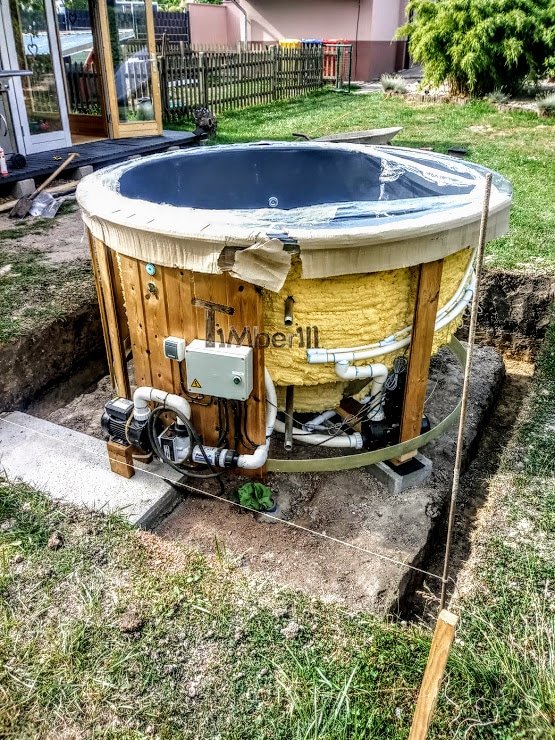
The correct power supply cannot be chosen from the product name alone. It depends on the selected heater, additional equipment and the type of connection available on site. The configuration must therefore be finalised before the electrician sizes the main cable and protective devices.
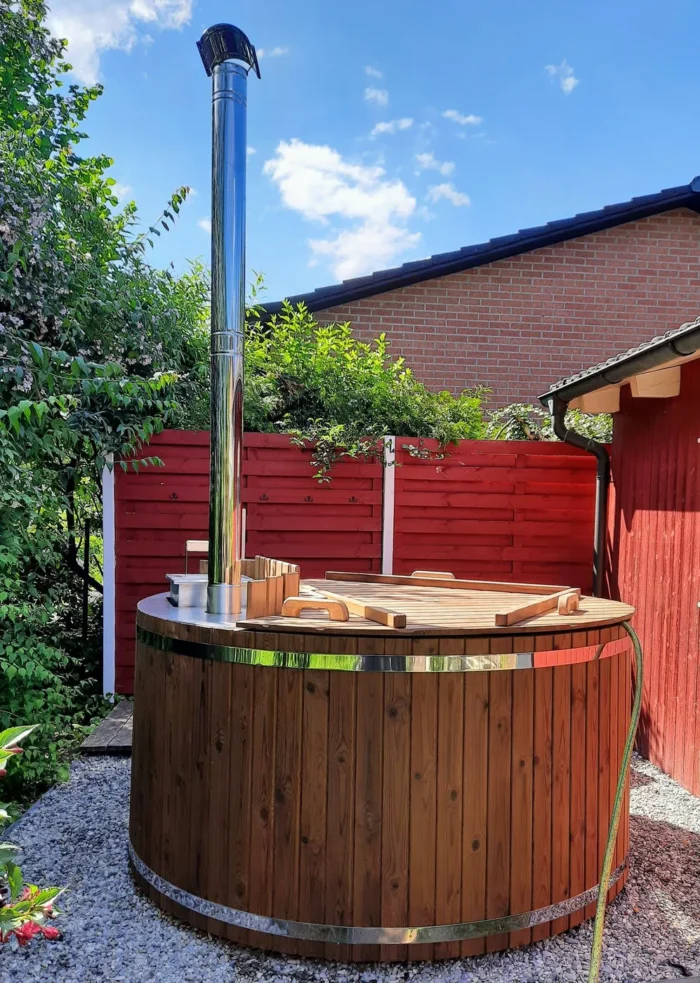
A traditional all-wood tub may let water through when first filled or after a long dry period. The wood then absorbs moisture, gradually swells and closes some small gaps. However, this behaviour does not explain every leak: a connection, damage, unstable base, unsuitable chemical use or a construction defect requires a different diagnosis.

Estimate hot-tub heating energy from volume and temperature rise, then allow for useful heater output and losses. Includes a worked example and log.

Check trailer weights, towing documents, pitch permission and safe setup before using a mobile sauna. Separate road checks from heating and shutdown.
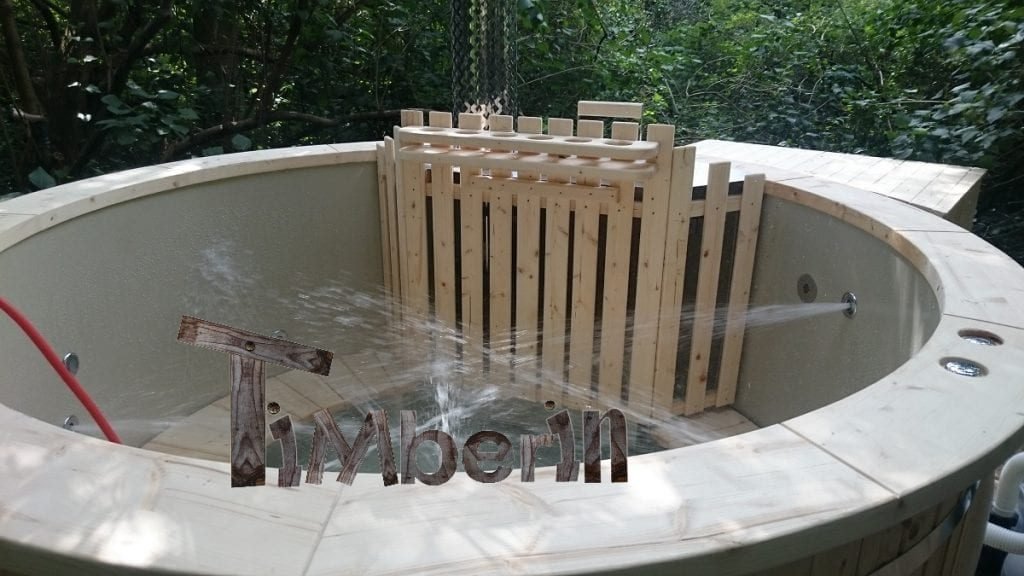
Fill and drain a hot tub using its correct water level and commissioning sequence. Record cold leak checks, circulation and the approved discharge route.

Understand hot-tub heat loss through the cover, shell, base and exposed equipment. Compare insulation details without blocking maintenance or ventilation.

Maintain sauna timber, roof, benches and equipment. Separate interior and exterior care, check ThermoWood instructions and keep a dated inspection log.