
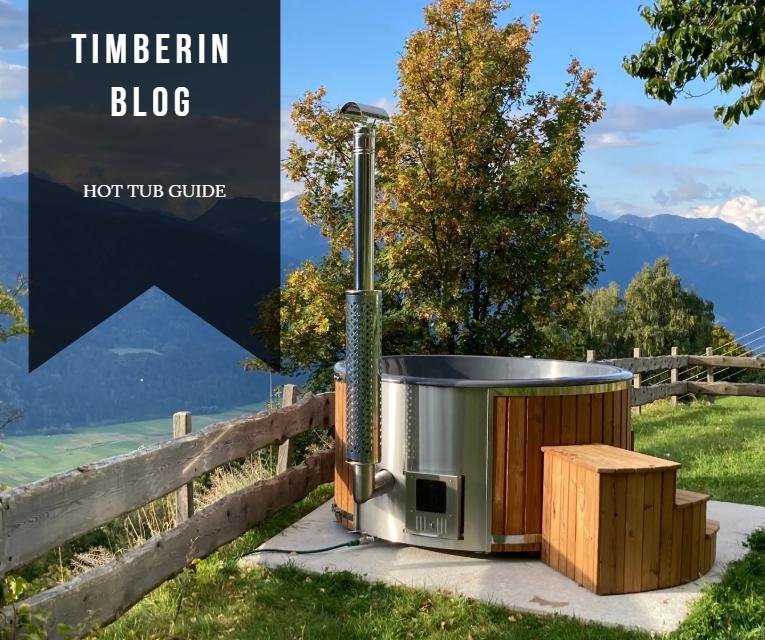
In an age dominated by digital noise, instant gratification, and high-tech gadgets, there is a growing movement towards slowing down. This desire for “slow living” has sparked a renaissance in traditional wellness practices, and at the forefront of this movement is the wood-fired hot tub. Far removed from the bubbling, plastic, neon-lit boxes that often define the modern Jacuzzi, a wood-fired tub is a return to basics: wood, water, fire, and air.

But for those new to the concept, the idea can seem a little archaic. How does it actually heat up without electricity? Is it difficult to maintain? And why are people across the UK swapping their high-tech spas for these rustic wooden vessels? In this comprehensive guide, we will strip back the bark to reveal exactly what a wood-fired hot tub is, the science behind its operation, and why it might just be the best investment you ever make for your garden and your mental health.
The Anatomy of a Wood-Fired Hot Tub
At its simplest, a wood-fired hot tub consists of a large tub filled with water and a stove that burns wood to heat that water. However, modern engineering has refined this ancient concept into a highly efficient system.
The Tub Shell
Traditionally, these tubs were made entirely of solid wood staves (planks) held together by steel bands, much like a wine barrel. These “pure” wooden hot tubs offer an incredible aroma and a truly natural feel, but they require dedication to maintain, as the wood must stay swollen to remain watertight.
Today, the market is dominated by hybrid models. These feature a high-quality interior liner made from fiberglass or polypropylene, clad in beautiful timber (such as Spruce, Larch, or Thermowood). This combination offers the best of both worlds: the rustic aesthetic of wood with the leak-proof, hygienic, and easy-to-clean properties of a modern spa.
The Stove: The Heart of the System
There are two main types of stoves used:
1. Internal (Submersible) Stove: This sits directly inside the water, separated from the bathers by a wooden fence. It offers zero heat loss to the outside air but takes up seating space.
2. External Stove: This sits next to the tub and is connected by two pipes. It maximizes space inside the tub and keeps ash and wood debris away from the water.
Most premium stoves are made from marine-grade aluminium (which conducts heat 15 times better than steel) or high-grade stainless steel (AISI 304/316) for durability.
How It Works: The Physics of Thermosiphon
The magic of a wood-fired hot tub lies in its simplicity. Most external stoves operate without a single pump or electrical wire. They rely on a principle of physics called the thermosiphon effect.
1. You light a fire in the stove.
2. The water in the stove’s water jacket (a double wall surrounding the firebox) heats up.
3. As water heats, it becomes less dense and rises. Hot water flows out of the top pipe into the tub.
4. This movement creates a vacuum that sucks cold water from the bottom of the tub into the stove via the lower pipe.
This creates a continuous, silent cycle of circulation. As long as the fire is burning, the water is moving and heating. It is nature’s own pump.
Why Are They So Popular?
The surge in popularity isn’t just a trend; it’s a lifestyle shift. Here is why homeowners are choosing wood over watts.
1. The Ritual of “Making” a Bath
With an electric tub, you press a button. It is a passive experience. With a wood-fired tub, you are an active participant. You chop the kindling, you light the fire, you tend the flame, you stir the water. This ritual forces you to slow down. It disconnects you from the digital world and grounds you in the physical one. The anticipation of the bath builds as the water heats, making the final soak feel earned and infinitely more rewarding.
2. Silence and Atmosphere
Electric hot tubs hum. Pumps whir, heaters buzz, and filtration cycles click on and off. A wood-fired hot tub is silent. The only sounds are the crackle of the burning birch logs, the wind in the trees, and the water lapping against the sides. This silence allows for true meditation and connection with nature, which is the essence of the Scandinavian hot tub culture.
3. Off-Grid Freedom
Because they don’t require electricity, these tubs can be placed anywhere. At the bottom of a garden, by a lake, in a forest glade, or at an eco-friendly glamping site. You are not tethered to the nearest power outlet. This freedom allows you to choose the location with the best view, not the best wiring.
4. Low Running Costs
While the initial purchase price might be comparable to mid-range electric spas, the running costs are often lower, especially given the rising price of electricity in the UK. If you have access to cheap or free firewood, a soak can cost pennies. Furthermore, there is no “standby” cost. An electric tub costs money even when you aren’t using it (to keep it warm). A wood-fired tub costs zero when empty.
Frequently Asked Questions (FAQ)
How long does it take to heat up?
On average, a standard 1.8m tub takes between 1.5 to 2.5 hours to heat from cold tap water to 38°C in summer. In winter, allow 3 to 4 hours. Using dry, hardwood logs and an insulated cover speeds this up significantly.
Does it smell like smoke?
Only if you use wet wood or have a short chimney. With kiln-dried wood and a 2-meter flue, the smoke is minimal and is carried away above head height. You get a pleasant woodsmoke scent, not a choking cloud.
Can I use it in a smoke-free zone?
Most hot tubs are classed as outdoor recreational fireplaces (like BBQs) and are exempt, but you must not cause a nuisance. Using smokeless fuel or exceedingly dry wood is recommended in dense urban areas.
Conclusion
A wood-fired hot tub is more than a garden accessory; it is a commitment to a different pace of life. It creates a sanctuary where technology is banished, and elemental comfort rules. Whether you are looking for a romantic evening under the stars or a fun family activity that gets the kids outdoors, the humble wooden tub delivers an experience that high-tech plastic spas simply cannot match.