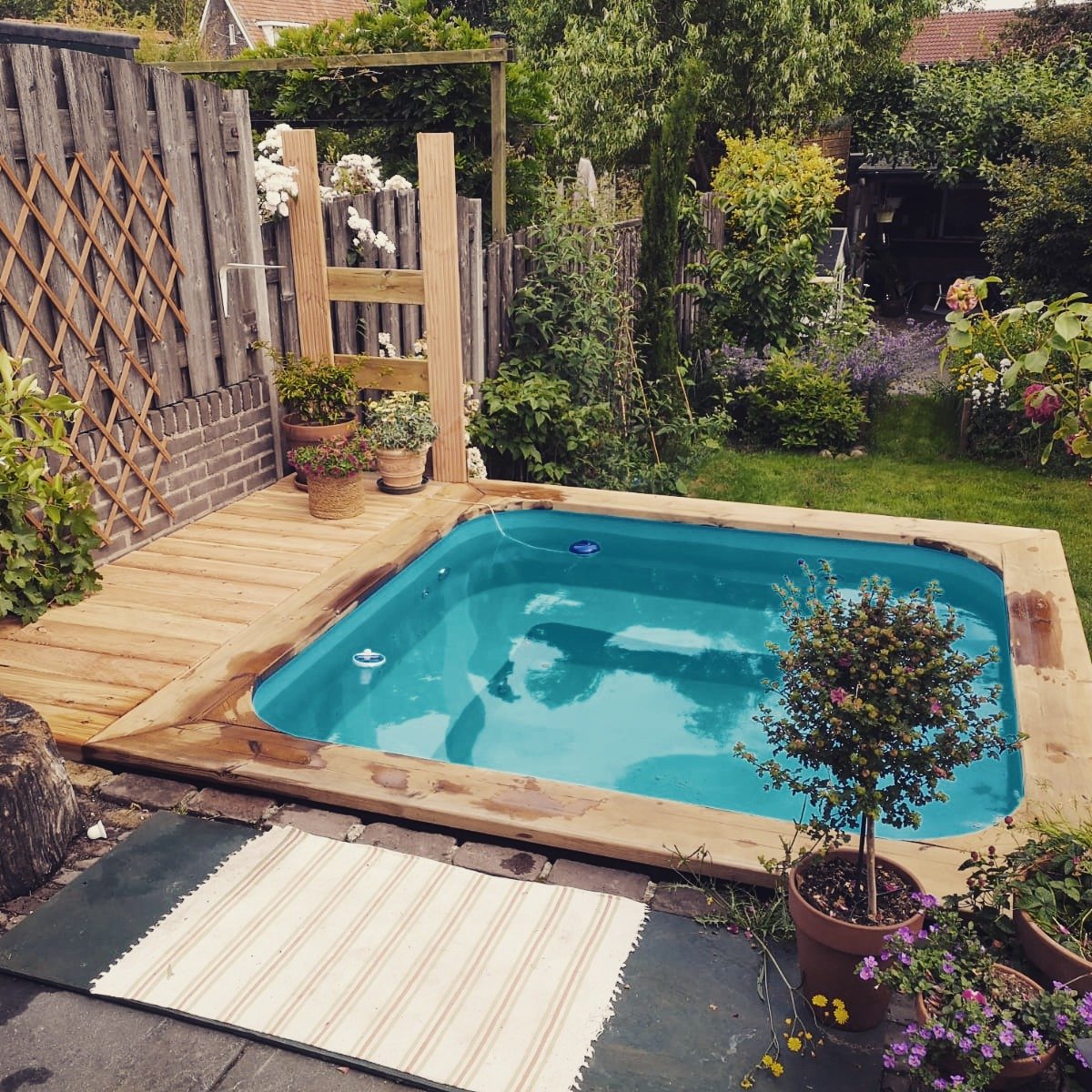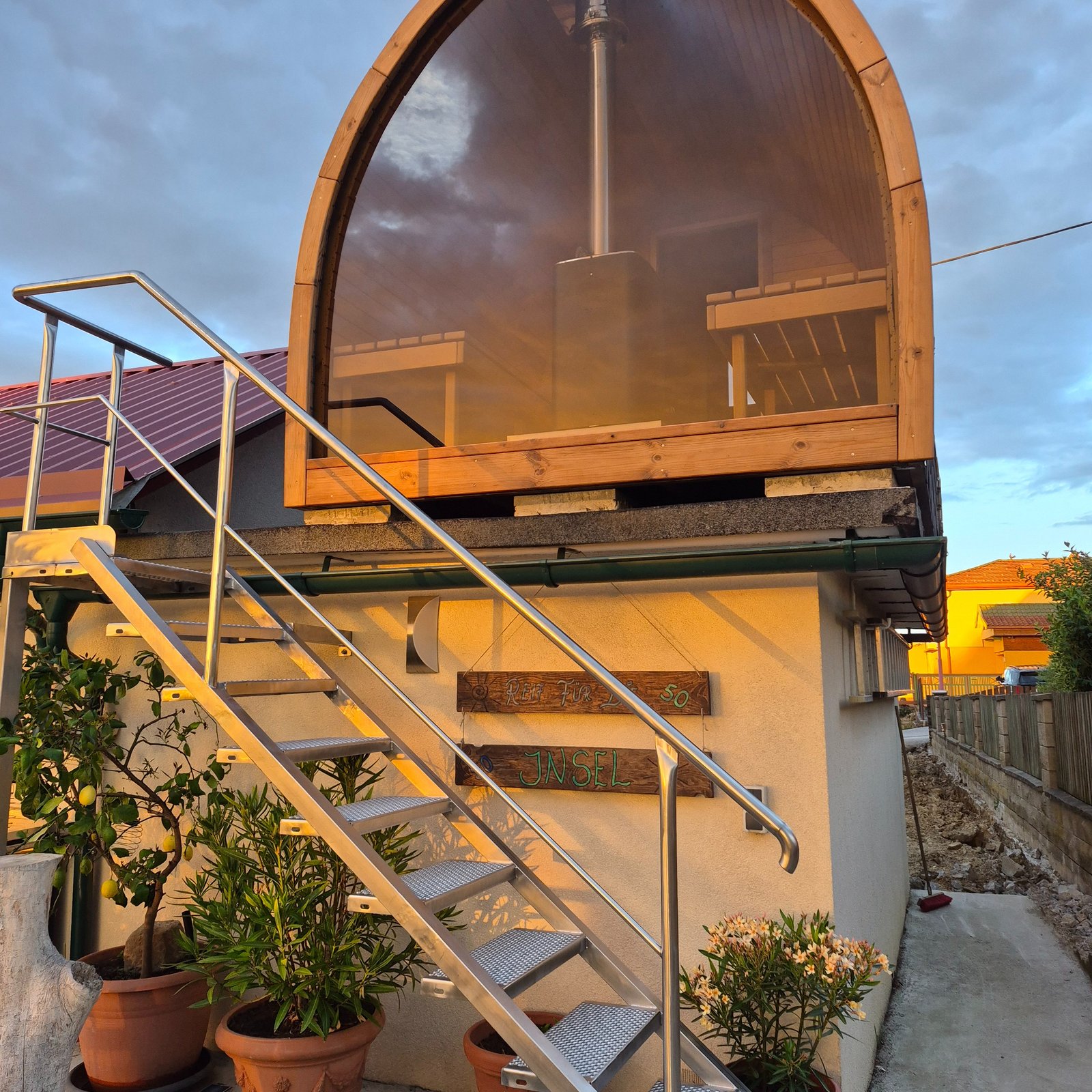


Before a delivery is booked, the whole journey from the road to the finished base needs to work for the packed product. A gate measurement is only one part of that journey: the next corner, a low eave or soft ground can rule out a route that looks clear in a photograph. Agree the unloading and positioning responsibilities alongside the measurements.
Define what the quoted delivery actually includes
The written quotation should state the destination, delivery point, vehicle type or access assumptions, packaging, unloading responsibility and whether the product arrives assembled or as a kit. It should also identify who arranges lifting equipment, who moves the product beyond the roadside, and whether assembly, connection or commissioning is included.
Confirm all delivery charges and any destination-specific tax or import treatment on the UK order documents rather than relying on a historic blog statement. Ask what is payable to TimberIN, the carrier and any authority, and at which stage.
Build the route survey from the product backwards
Start at the prepared base and work back to the road using the supplier’s confirmed packed length, width, height and weight. Include the pallet, protective frame, projecting heater connections and any lifting equipment. Obtain the permitted transport orientation; do not assume a round tub can be rolled or tilted to fit.
| Route point | Measure and photograph | Confirm with the delivery team |
|---|---|---|
| Road and unloading area | Width, height limits, turning space, gradient and parking restrictions | Vehicle access, legal stopping point and unloading responsibility |
| Gate or narrow passage | Clear opening at the narrowest point, including hinges, handles, pipes and the open leaf | Room for the package, equipment and safe handling |
| Corner or change of direction | Approach and exit widths, turn angle, walls, steps and available swing space | Whether the full load can turn in its approved orientation |
| Overhead restriction | Lowest eave, branch, cable or canopy along the complete route | A safe route and any specialist arrangements |
| Ground and final base | Slope, steps, soft patches, drains, underground services and support footprint | Bearing capacity for the handling equipment and final placement |
Number photographs in route order and show the tape measure at each restriction. A measured sketch of a tight corner is more useful than a single gate-width figure. A light template can help explain the geometry to the contractor, but cannot establish a safe lift or the required working clearance.
Record the survey date. Fencing, scaffolding, parked vehicles and rain-softened ground can change the route after it has been accepted. Send changes before dispatch and ask the delivery team to reconfirm its method.
Choose unloading equipment from the lifting instructions
A forklift, telehandler or crane may be appropriate depending on the packed product, reach, ground and final position. The machine must have adequate capacity at the actual load centre or radius, not only a headline maximum. Use a competent operator, approved lifting points and suitable accessories. Do not attach straps to decorative bands, a chimney or an unapproved roof edge.
Confirm whether the carrier vehicle has any unloading capability; many do not. The lifting machine and operator should be on site before the delivery window, with an alternative plan if wind or ground conditions make the lift unsafe. Manual handling is only considered from the documented component weights of a flat-pack kit and a proper lifting plan—not from a guessed number of adults.
Hot tubs and saunas create different handling problems
An assembled hot tub may be light relative to its filled load but bulky and vulnerable at the shell, steps, cladding and heater connections. Remove loose accessories as directed and keep the tub in its transport orientation. A kit is easier to carry through restricted access, but assembly quality and warranty responsibility must be agreed.
An assembled sauna has a higher centre of gravity and a roof that may extend beyond the walls. Its lifting points and temporary transport bracing are model-specific. Flat-packed panels still need dry storage, identification and protection from damage before assembly. Neither product should be placed on an unfinished or unverified base simply to release the vehicle.
Prepare the destination before production is released
The base must match the latest drawing in size, level, load capacity and drainage. Services should be located without obstructing bearers, equipment panels or lifting. Leave enough working space to remove packaging and inspect every side. A crane can place a product over a house, but it cannot correct a weak base or provide future maintenance access.
Check that water will not run towards buildings or the technical bay. Confirm the route for fill and drain water, the heater/flue plan and any electrical work. Keep construction materials, parked vehicles and garden furniture out of the delivery zone.
Keep one named site contact available during the agreed delivery window. Have the latest route survey, lifting arrangements and order documents together. Clear the work zone of people, pets and loose objects; let the delivery contractor control movements and exclusion areas.
Inspection on arrival protects everyone
- Confirm the shipment identity and number of packages before unloading.
- Photograph packaging, impact indicators and visible sides while the load is still in the delivery position.
- Record visible shortage or damage on the carrier document before signing, using the procedure and timescale in the contract.
- Unpack only as far as safely agreed and retain packaging until the component check is complete.
- Compare accessories and technical documents with the order; note anything that cannot yet be inspected.
Do not conceal transport damage by installing the product immediately. Equally, do not refuse a safe delivery for a minor packaging mark without following the agreed reporting route. Clear photographs and written notes allow the supplier and carrier to respond accurately.
For lifting undertaken as work, HSE’s lifting guidance explains the need for competent planning and suitable supervision. This route survey supplies information to that plan; it does not replace it.
Finish with a documented handover
Once positioned, verify orientation, clearances, base contact and access panels against the drawing. Identify who removes transport bracing, completes assembly, connects services and commissions the product. Store the order, technical sheets, lifting information, carrier document and photographs together.
Coordinate delivery with the wider hot-tub installation plan and, for recessed projects, the sunken hot-tub access guide.