
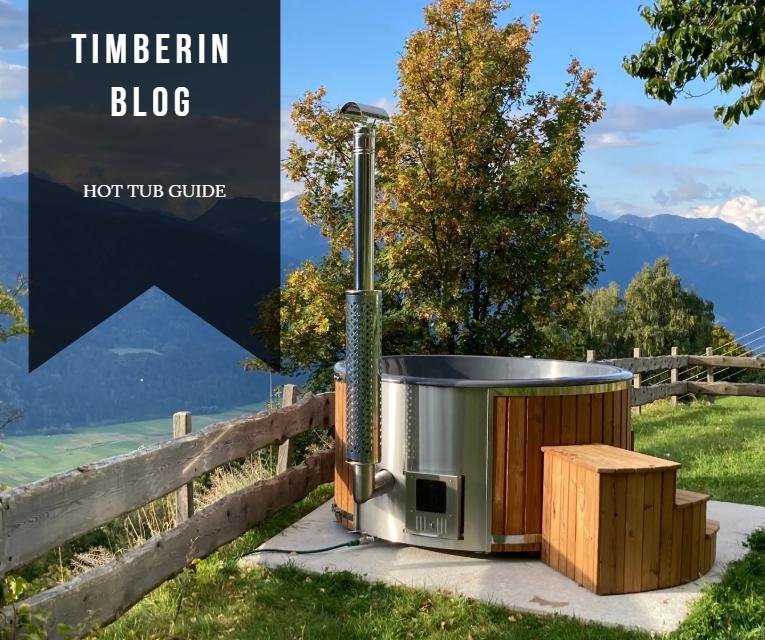
The traditional image of a wood-fired hot tub is one of rustic simplicity: still water, the crackle of a fire, and the sounds of nature. It is a peaceful, analogue experience. However, the modern market has evolved. Today, many buyers want the aesthetic of a wooden tub combined with the therapeutic benefits of a modern spa. Enter the “Hybrid Hot Tub”—a wood-fired vessel equipped with electric massage jets.

But does adding technology to a traditional product ruin the experience? Is the massage actually powerful enough to make a difference? And what does this mean for installation and maintenance? In this detailed review, we explore the world of wooden hot tubs with jets, analyzing the difference between air and hydro systems to help you decide if the upgrade is worth the investment.
Understanding the Systems: Air vs. Hydro
When you see a hot tub advertised with “jets,” it is crucial to understand that not all jets are created equal. There are two distinct systems, and they offer very different experiences.
1. The Air Bubble System (The Soft Touch)
This system uses an air blower to force ambient air through 12-20 small nozzles located at the bottom of the tub or along the bench.
The Sensation: It creates a turbulent, fizzy effect. Thousands of bubbles rise to the surface, creating a feeling of weightlessness and a gentle tickling sensation on the skin. It is relaxing and fun, especially for children.
The Drawback: It pumps outside air into the water. In the UK winter, this air is cold. Running an air bubble system for 20 minutes will noticeably cool down your water temperature, forcing you to stoke the fire more aggressively.
2. The Hydro-Massage System (The Deep Tissue)
This system uses a powerful water pump to suck water from the tub and force it back out through targeted jets (usually 6-12) located in the lumbar (back) region.
The Sensation: This is a true massage. The high-pressure stream of water kneads the muscles.
The Advantage: It recirculates the warm water already in the tub, so there is minimal heat loss compared to air systems.
The Verdict: If you want therapy for back pain, you need Hydro. If you want fun and ambiance, Air is sufficient.
The Installation Reality Check
A standard wood-fired hot tub can be placed anywhere—in a field, by a river, or at the bottom of a garden—because it needs no power.
As soon as you add jets, you lose this off-grid freedom. You now need a reliable electricity supply.
Power Requirements: Most jet systems run on standard 230V power (a normal 3-pin plug or a 13amp fused spur). While this doesn’t require the heavy-duty 32amp armoured cable of a fully electric hot tub, you still need a safe, waterproof outdoor socket near the tub. If your tub is 50 meters down the garden, the cost of trenching and cabling can add £500-£1000 to your project cost.
Hygiene and Maintenance: The Hidden Cost
The beauty of a simple wooden tub is that it is easy to clean. A tub with jets is more complex.
The Biofilm Issue:
When you drain a hot tub, water remains trapped inside the pipework of the jet system. This stagnant, dark, wet environment is the perfect breeding ground for bacteria and biofilm (a slimy layer of microorganisms).
If you leave the tub empty for two weeks and then refill it, you might turn on the jets only to see black flakes of biofilm shoot into your clean water.
The Solution:
You must be disciplined. You cannot just drain and forget. You need to use a “System Flush” cleaner before draining to strip the pipes. You also need to ensure the system is fully drained or blown out (using the air blower) to prevent stagnant water sitting in the loops. This adds about 20-30 minutes to your cleaning routine.
Is It Worth It?
Yes, if:
– You suffer from back pain, sciatica, or sports injuries and need hydrotherapy.
– You enjoy the sensory experience of moving water.
– You have easy access to electricity at the installation site.
No, if:
– You want a silent, meditative experience (pumps make noise).
– You want a truly low-maintenance product.
– You are installing the tub in a remote “off-grid” location.
For many, the electric hybrid models offer the perfect balance, but they do change the nature of the experience from primitive to premium.
Frequently Asked Questions (FAQ)
Are the pumps loud?
Air blowers sound like a vacuum cleaner. Hydro pumps are quieter, usually a low hum. If silence is your goal, stick to a standard tub.
Can I add jets later?
It is extremely difficult and risky to retrofit jets. You have to drill through the liner and wood, risking leaks. It is much cheaper to buy them pre-installed.
Do jets affect the heating time?
Not directly, but hydro jets can help mix the water, distributing the heat from the stove more evenly than manual paddling.
Conclusion
Adding jets to a wooden hot tub brings the spa experience home. It bridges the gap between the rustic charm of wood heating and the luxury of modern hydrotherapy. If you are willing to handle the extra maintenance and electrical setup, it is an upgrade you will feel in your muscles after every soak.