
Charles — London, United Kingdom
TimberIN Nordic™ Thermowood Deluxe
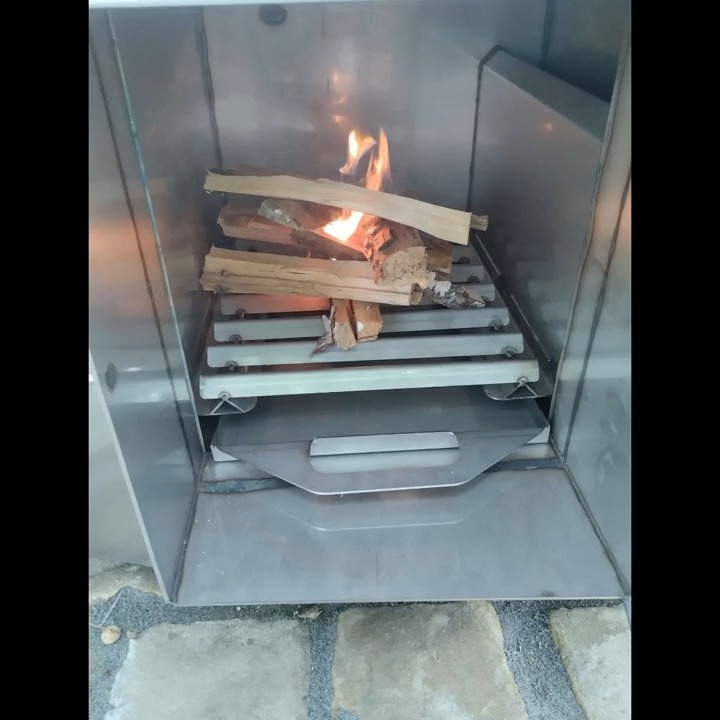
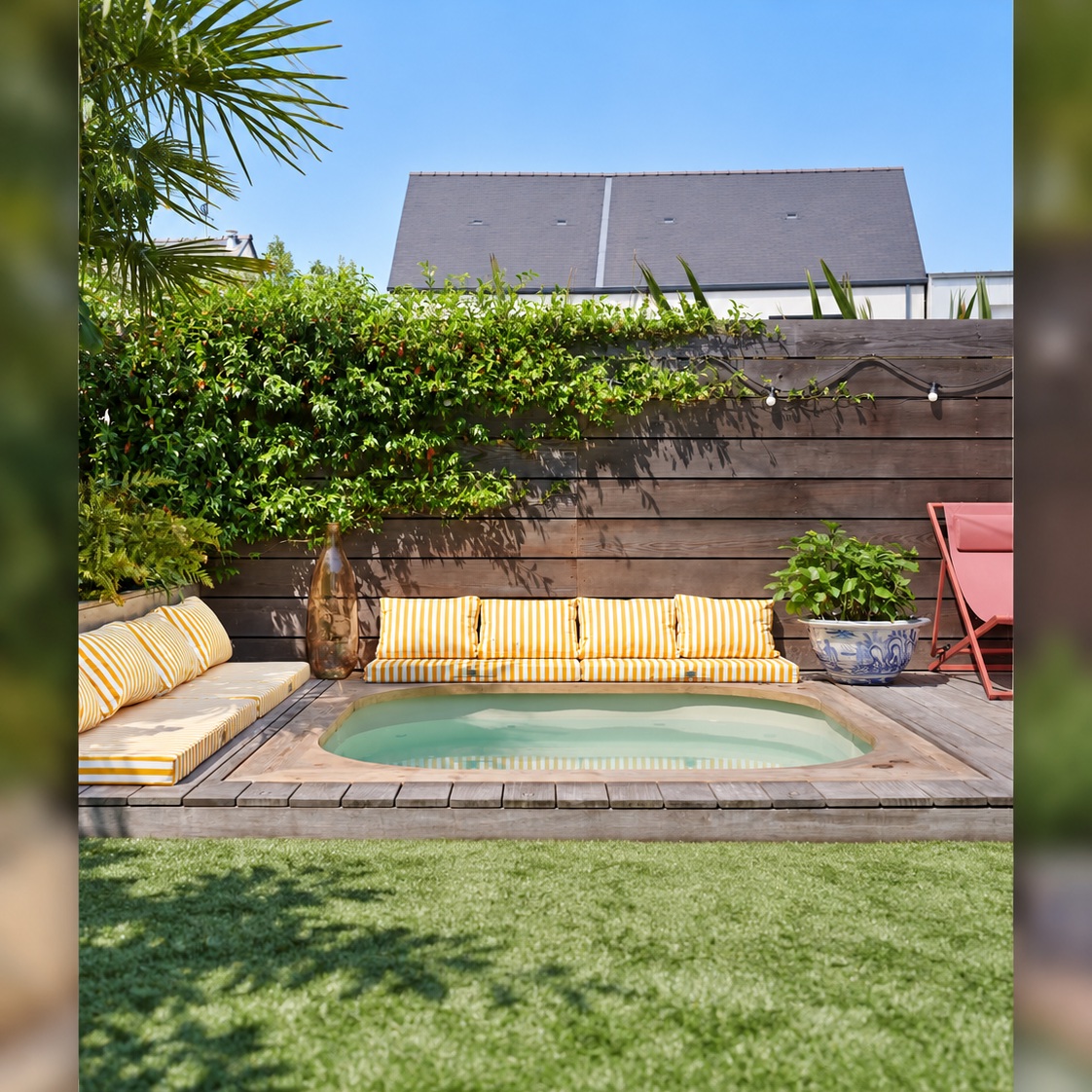
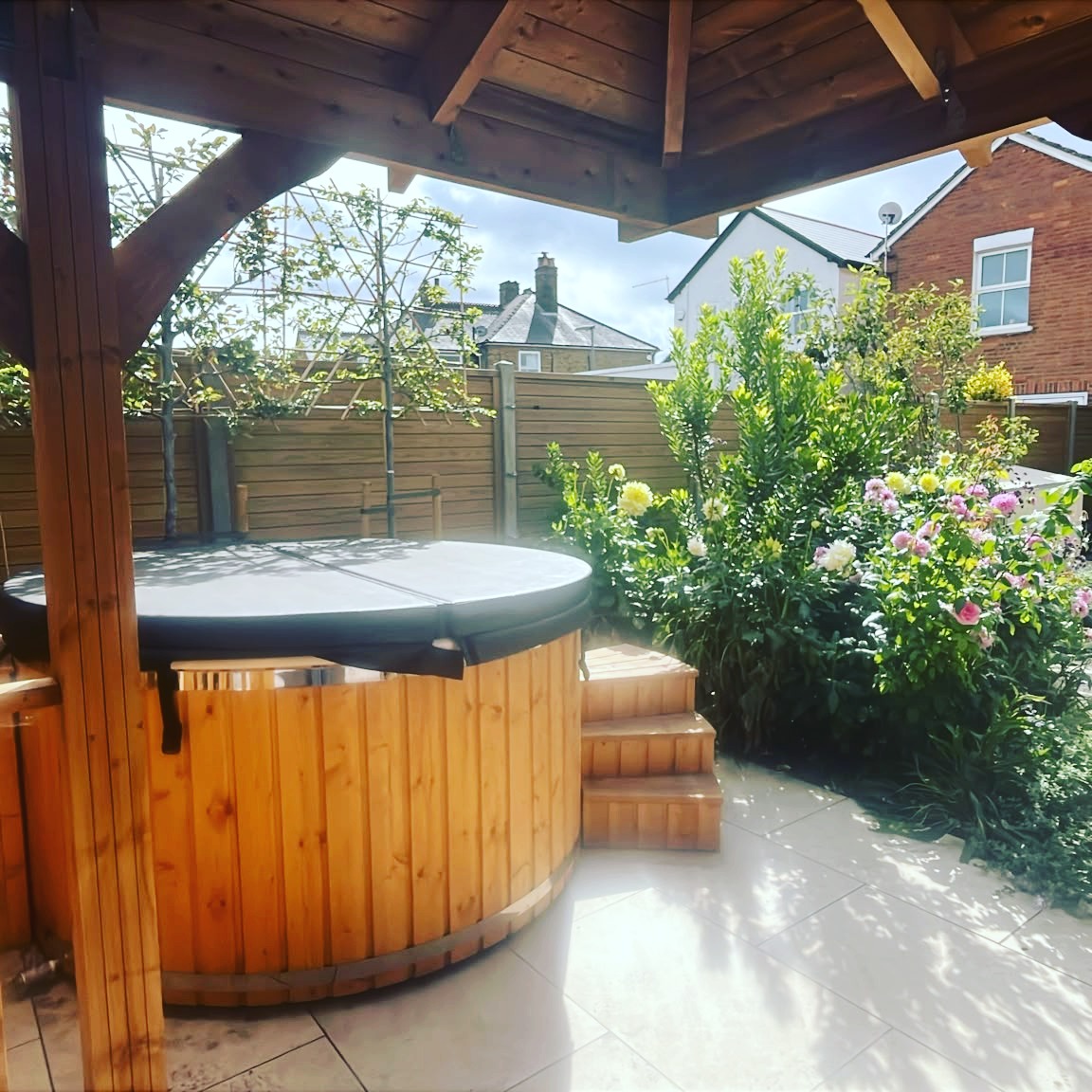
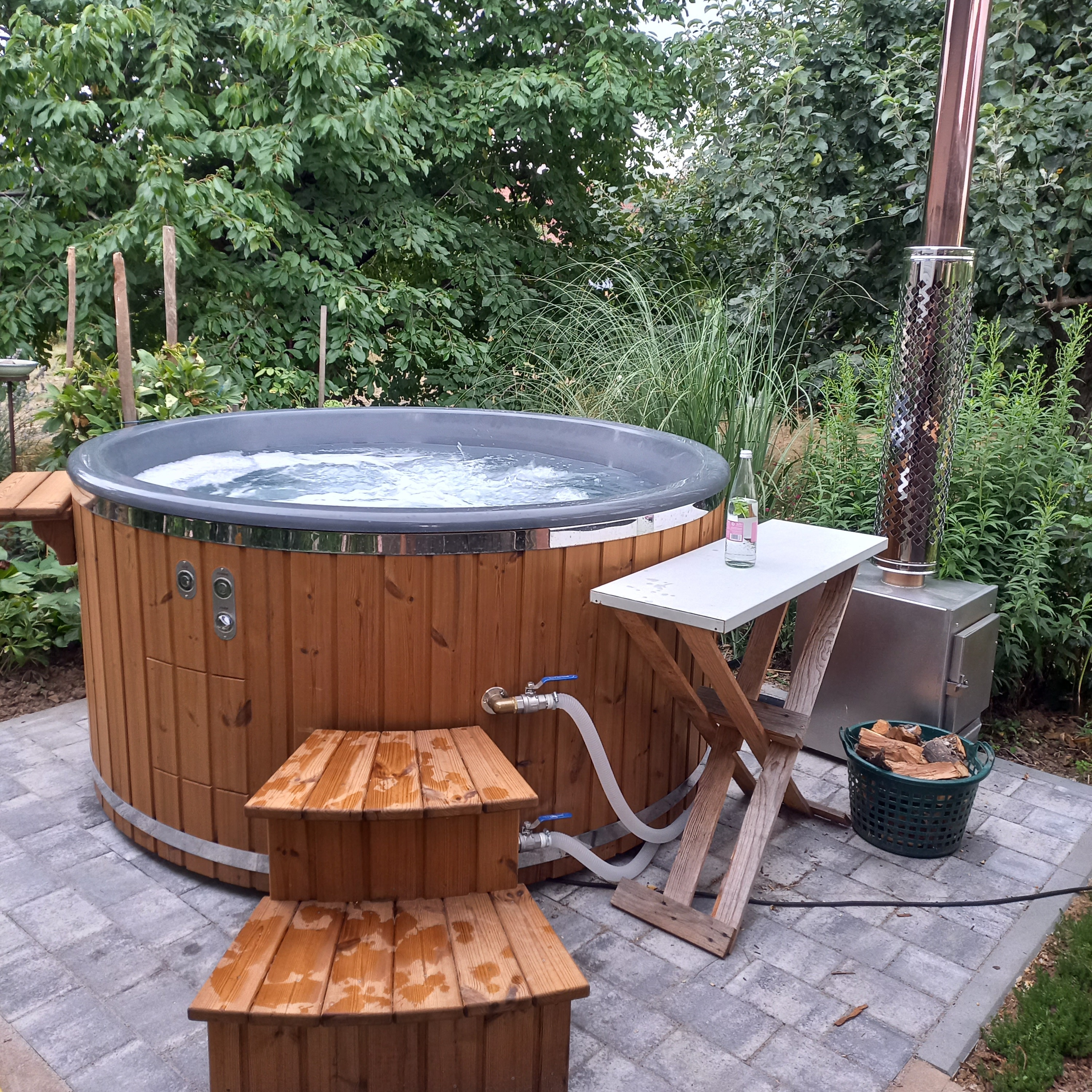
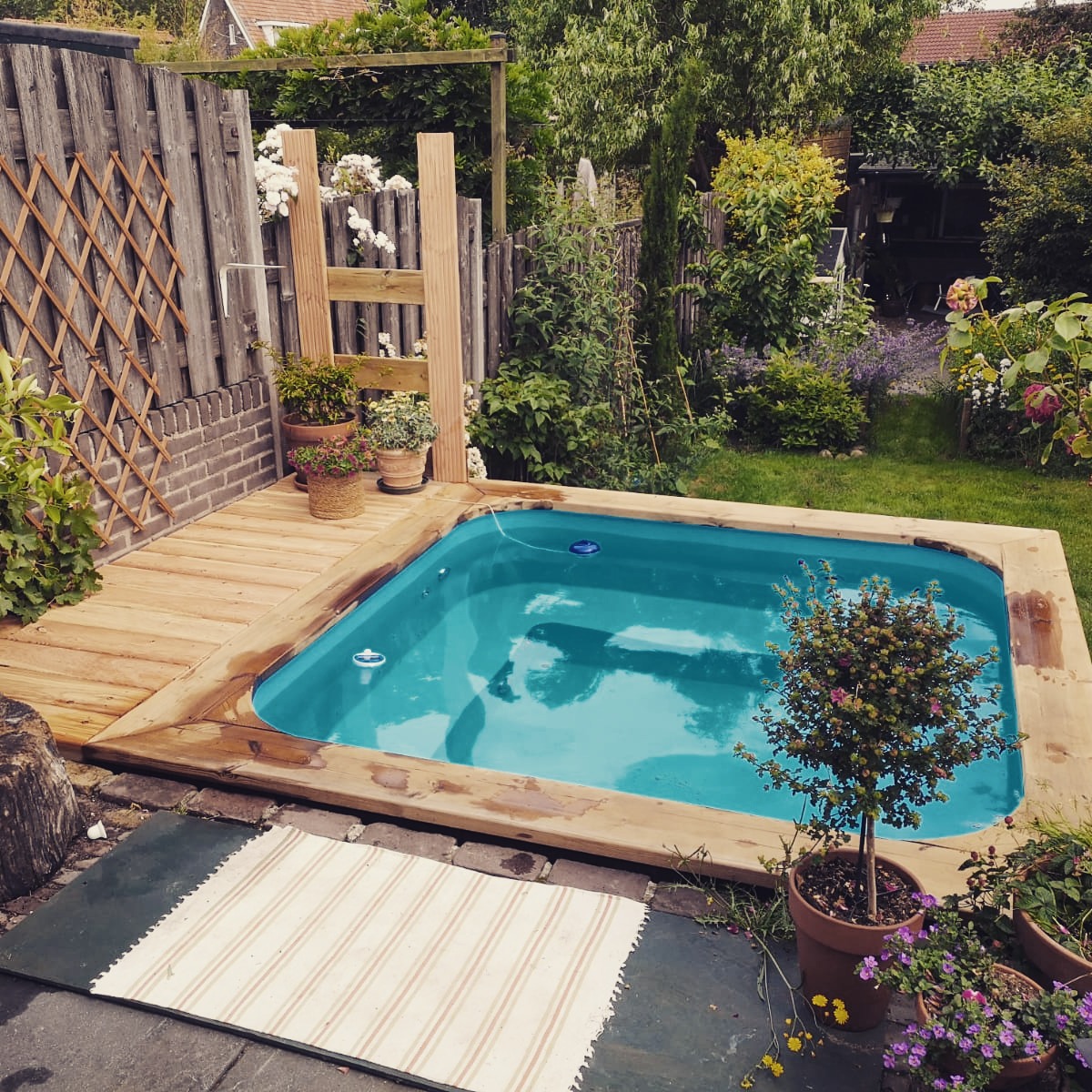
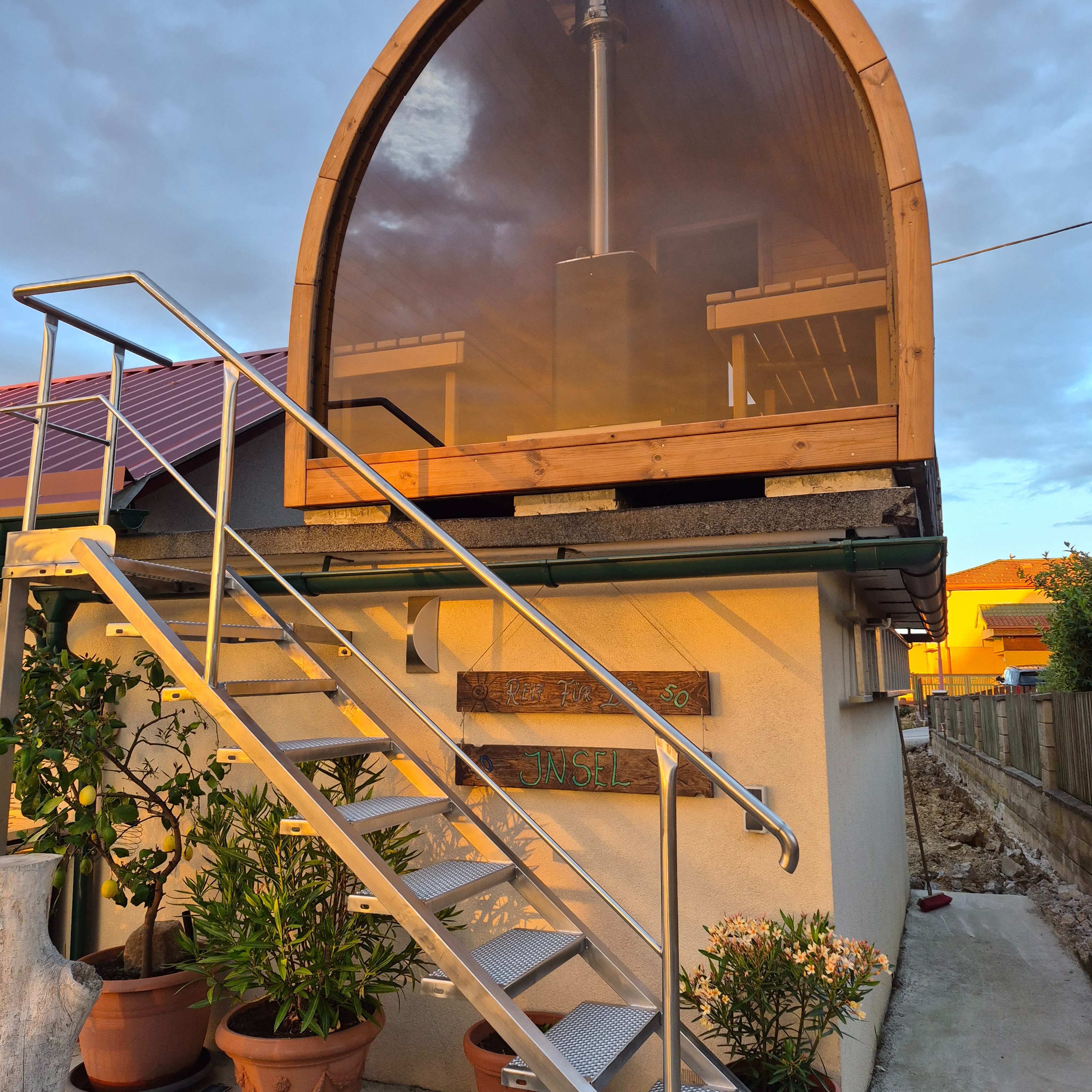
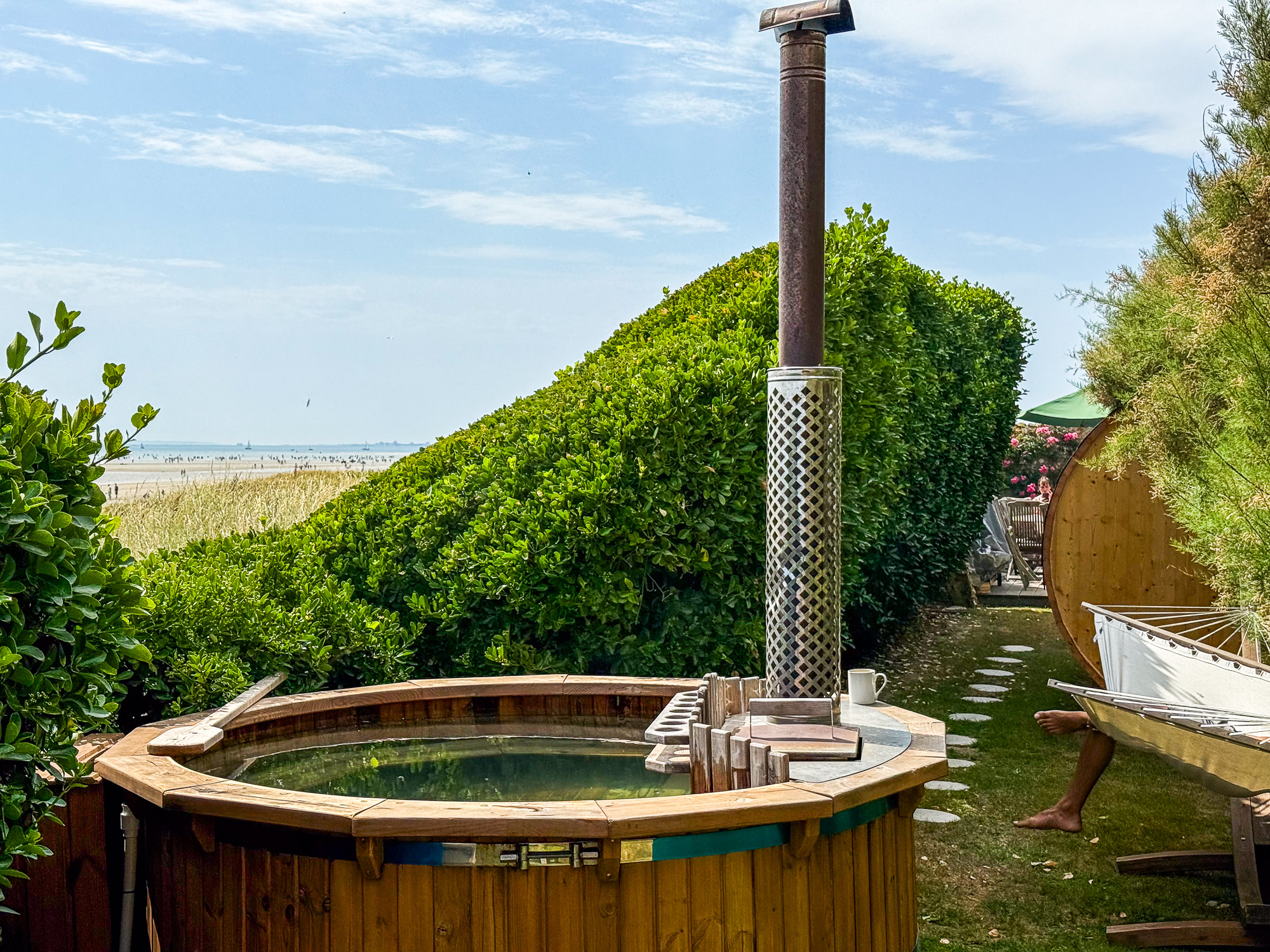
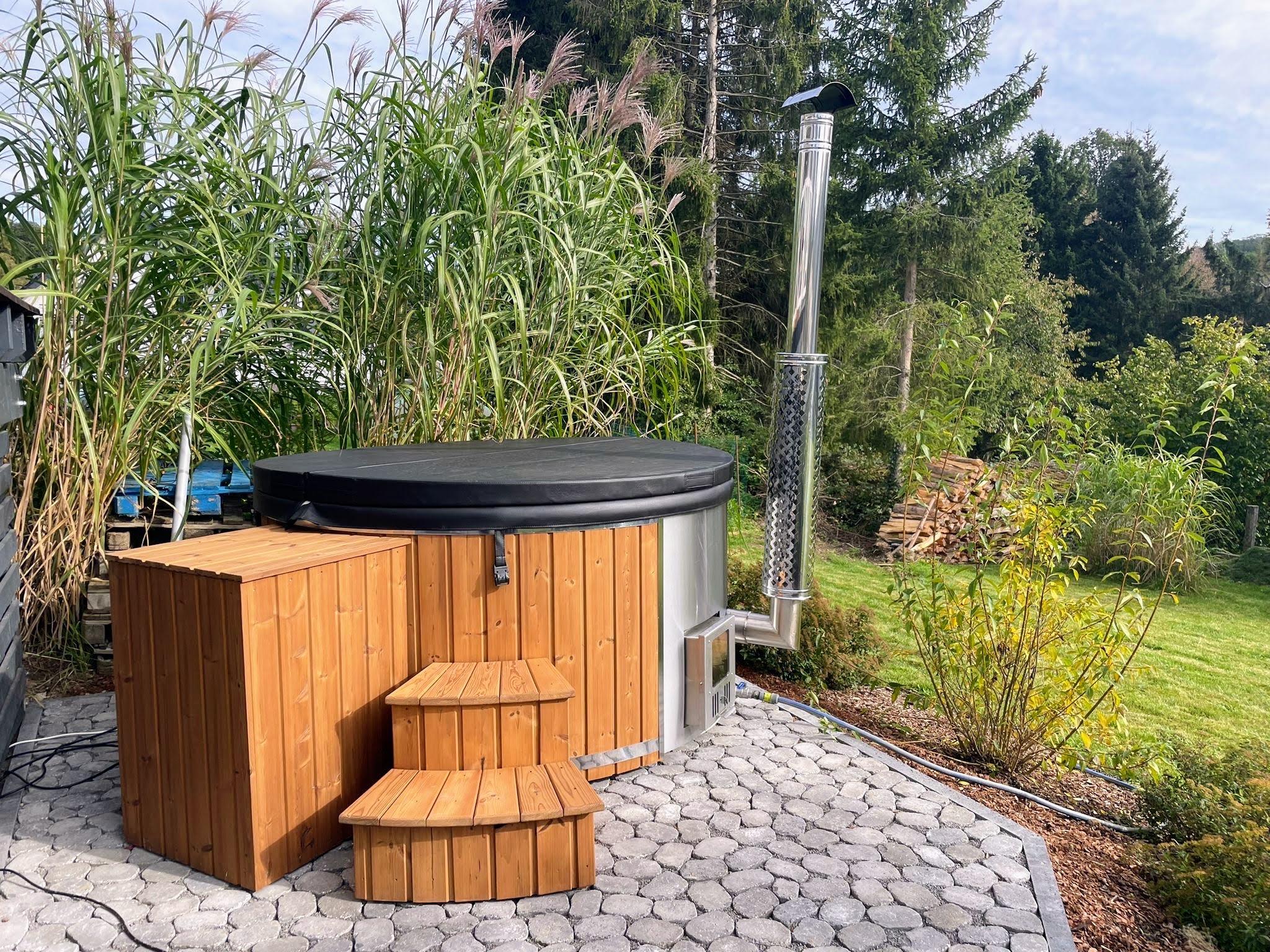
Review and installation photos →Hi, you can see the hot tub in these pics at our retreat.
Republic of Ireland delivery planning
Choose the bathing space and wood-fired routine you want, then check how the complete installation will reach and fit your garden. Start with your Republic of Ireland address and Eircode, the access route and a preferred configuration.
Explore current models below and use the guide to prepare a destination-specific quotation. Northern Ireland addresses need their own postcode and delivery terms; they should not be treated as Republic destinations.
From our customers
Customer projects matched to the products listed on this page. Earlier specifications and selected options may differ.
Customer projects from United Kingdom.
TimberIN Nordic™ Thermowood Deluxe
Review and installation photos →Hi, you can see the hot tub in these pics at our retreat.

Hi Albertas, as promised, I’ve attached some photos of our Hot Tub. We’re not on Facebook or the other social media platforms, but we’re happy for you to use any you might want for your website. It arrived Friday morning…
Hi Albertas, as promised, I’ve attached some photos of our Hot Tub. We’re not on Facebook or the other social media platforms, but we’re happy for you to use any you might want for your website. It arrived Friday morning 4th April and we were in the water and enjoying it on Saturday evening. We’ve been in it every night since! A big thank you to you and your team. The specification is exactly as planned, and the workmanship is excellent. You might welcome some feedback on a couple of relatively minor issues, which I hope you will find helpful. We only received 4 pictures of the hot tub, but in all honesty, these weren’t really enough for us to confirm that we would be happy with the product before making the final payment. We trusted the process and made payment, but it would have been better if we could have seen images of the liner and also inside the electric cupboard and the insulation. Just something to be aware of. The other minor point relates to the sand filter and UV-C. both of them came with European plug fittings that required changing. I would have thought that a UK specification would come with a UK plug. Again, this is not a huge point, but it was inconvenient to have to change these. Apart from those minor niggles, everything was great. So, once again, a big thank you to you and your team. Best of luck and continued success in the future.

Review and installation photos →Hi, we have finally moved into our house & hot tub is amazing! Attached photo (feel free to use!)
These model families currently show wood-fired configurations and an Ireland delivery option. Confirm the selected build, Republic address, access and delivery scope in your written quotation. Prices and available options remain on the individual product pages.

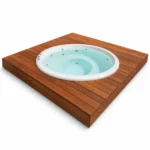
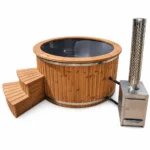
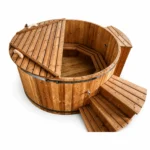
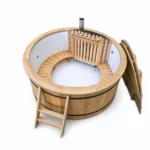
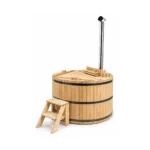
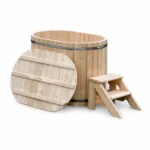
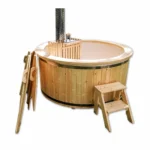
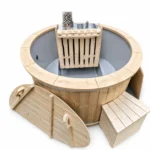
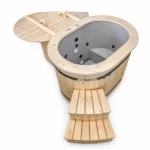
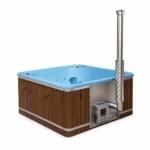
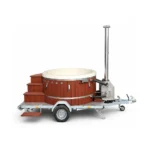
The rest of the current range remains available to explore. These are electric or pellet alternatives, or models without a visible Ireland shipping option. Their inclusion does not confirm Republic delivery; discuss the exact model and destination with TimberIN.
A delivery enquiry for a home in the Republic of Ireland should identify that destination from the outset. Give the full address, county and Eircode, together with the intended model and size. This lets the discussion move beyond a general shipping label to the route and configuration you actually need. A rural entrance, a town-centre property and an island destination can present very different transport questions even when the same tub is being ordered.
Use the Eircode guidance to check how to include the code with your complete address. It helps locate the property; it does not describe the last turn into a lane, a low bridge or the width of a garden gate. Add those practical details separately. If several entrances share a property, identify the one suitable for the delivery vehicle and the place where unloading is proposed.
Northern Ireland is a separate delivery destination, with its own Northern Ireland wood-fired hot tub guide. Supply the Northern Ireland address and postcode rather than selecting a Republic delivery assumption. The main wood-fired hot-tub guide explains the heating choices, while your written quotation should identify the actual destination. Neither an Ireland search result nor a currency displayed on this website establishes the tax or delivery terms for an individual order.
Before settling on a large diameter or an assembled format, walk the route the tub would follow. Measure the narrowest opening, overhead clearance and the space available to turn. Include projecting hinges, steps and changes of level. The packed dimensions matter during transport, so a gate slightly wider than the finished shell is not enough evidence that the delivery will fit. Ask for the handling dimensions of the selected build.
| Part of the journey | Information to provide | Point to agree |
|---|---|---|
| Public road to entrance | Address, Eircode, lane restrictions and turning space | Vehicle access to the proposed unloading point |
| Unloading area | Ground condition, slope and working space | Who supplies suitable equipment and an operator |
| Across the property | Gates, corners, steps, cables and overhead obstructions | The route and handling method for the packed product |
| Final position | Prepared base, services and equipment access | Orientation, installation work and handover responsibilities |
Photographs support these measurements, particularly at a tight turn or soft section of ground. Show a view towards the entrance as well as away from it. Note whether parked vehicles or temporary works could block the agreed route. If access crosses someone else’s property, resolve permission and timing before dispatch. A carrier reaching your address does not automatically mean the tub can be carried into the garden.
The selected model may offer an assembled or kit format; check its current options rather than assuming every tub can arrive in pieces. A kit can change the handling problem but introduces assembly work, time and responsibility. Compare those consequences with the lifting plan for an assembled vessel. Final dry weight, lifting points and equipment suitability belong in the delivery discussion, not a guess about how many friends can help.
Choose the position after considering how you will reach it in rain, where surface water collects and how wind crosses the garden. A tub at the far end of a lawn may look inviting in a summer photograph but need a firm, usable approach during wetter months. Leave space to open the cover, get onto the steps and tend the fire without walking through planting or storing equipment in the bathing route.
The foundation must support the complete filled installation and its bathers, using the selected model’s dimensions and support requirements. The water load is quite different from the empty delivery weight. Existing paving or a raised deck needs assessment on its own merits; appearance alone does not demonstrate adequate support. Arrange any structural or ground advice needed before confirming the final position.
Consider runoff around the base as well as the eventual route for emptying the tub. Avoid a layout that leaves equipment standing in collected water or directs it towards the house. The acceptable disposal route depends on the site and the water treatment in use; establish it with the relevant local service or authority where necessary. A convenient nearby drain should not be assumed suitable for every discharge.
Screening can improve privacy, but the heater, chimney, ventilation and maintenance spaces still need to follow the product instructions. Do not design a close-fitting shelter first and expect the combustion equipment to fit around it. For a coastal or very exposed position, discuss the exact materials, cover fastening and maintenance expectations with TimberIN. No generic garden photograph establishes suitability for a particular exposure.
Wood heat suits owners who want to take part in preparing the bath. Someone needs to manage the fire and check the water as it warms. Think about when that preparation will happen: after arriving home, before visitors come or during a quieter weekend. A tub that fits the available garden space can still be the wrong choice if its preparation does not fit the household’s normal week.
Internal, integrated and external heater arrangements affect both the bathing space and the area outside it. An internal stove needs its designed separation from bathers. An external heater needs a usable equipment zone and access to its connections. An integrated layout still needs firebox and service access. Compare the actual model drawing, because these labels do not tell you every clearance or pipe-routing requirement.
Water volume, starting temperature, weather, cover use, fuel condition and heater choice all influence warm-up. Do not plan an appointment around a single advertised heating time. Establish the routine with your delivered configuration and its instructions. A larger tub should earn its extra volume through regular use by more people, rather than being selected only because the additional diameter appears modest on a product list.
Wood-fired does not necessarily mean an installation without electricity. Selected jets, lighting, filtration or supplementary heating may need a supply. List the equipment you intend to order and arrange suitable electrical advice for that combination. If the project is a heater replacement for an existing vessel, use the separate hot-tub heater guide for Ireland; a standalone stove requires its own compatibility assessment.
Allow a practical place for the fuel specified by the heater manufacturer. It should be protected from rain and easy to reach when tending the fire. Bringing damp logs from an uncovered pile into an otherwise carefully planned installation undermines the routine. Check the required log size as well as condition, and keep storage outside the heater’s required clearances and the route used by bathers.
The Irish EPA publishes the current solid-fuel requirements. Refer to that Irish guidance and your supplier when choosing fuel for a Republic address; a UK fuel label is not a substitute for checking the local requirements. Follow the heater instructions and use the specified clean fuel. Do not treat a hot-tub stove as a way to dispose of garden or household waste.
Consider nearby windows, seating areas and the direction smoke may travel, especially in a sheltered courtyard. Leave access for the chimney maintenance specified for the system. If the proposed location raises questions about smoke, siting or local requirements, resolve them with the appropriate local authority before ordering. Changing the garden layout early is more manageable than trying to correct a poor position after the tub has been delivered.
A timber exterior can surround different bathing surfaces. Traditional timber, polypropylene, fibreglass and acrylic constructions do not have identical cleaning or maintenance requirements. Look at the water-contact surface and the selected heater as well as the exterior finish. The wooden hot-tub guide explains that distinction when choosing between a timber bathing vessel and a lined tub with timber cladding.
Decide how often you expect to bathe and how the water will be managed between sessions. Filtration, treatment, testing and water replacement should follow the delivered system’s instructions and actual use. Heating the water with wood does not replace those tasks. A quiet soaking configuration still needs an appropriate water-care routine; a model with powered massage adds equipment that must remain accessible for cleaning and servicing.
Keep the cover practical to handle and leave room to store it while bathing. Ask what is included in the chosen configuration and what is an option. The photograph may show steps, a cover or other equipment that differs from the package you select. If several adults will use the tub together, compare usable seats, foot space and the heater position, not just the maximum person count.
Save the model name and the options you want to compare, then ask for a quotation against the actual delivery address. Identify vessel size, interior, exterior finish, heater, cover, steps and the chosen water-care or massage equipment. Two similar-looking tubs can have quite different included packages. The useful comparison is the finished specification you will receive, with any remaining site work clearly separated.
The quotation should identify the delivery charge and scope, currency, tax treatment and any amounts or responsibilities outside the supplier’s price. Request clarification before accepting it if an item is unclear. This page does not promise free delivery, a fixed conversion rate or one tax treatment for every buyer. A general product shipping option is a starting point for an enquiry, not confirmation of every destination or access arrangement.
For a fuller breakdown of the items that can make up a project budget, read the wood-fired hot-tub price guide. Keep the tub order, transport and local preparation visible as separate lines in your own comparison. If an outdoor sauna is also planned, the Ireland sauna guide provides its separate product and site considerations; do not assume a combined delivery or installation package.
Agree the expected production and delivery arrangements before scheduling dependent work. A local contractor needs the final specification, not a provisional screenshot. Keep a named contact available for the delivery discussion and notify TimberIN if the address, access route or selected configuration changes. Those changes can affect the practical plan even when the main model name remains the same.
Have the model instructions, order specification and agreed installation responsibilities available at handover. Check the delivered components and identify the controls, drain points and service access before the first use. The heater must be used with the required water level and circulation arrangement. Do not light it merely to test the firebox while the installation is incomplete.
For periods of cold weather or absence, follow the exact winter procedure for the vessel, heater and any connected pumps or filters. An empty-looking tub can still leave water trapped in equipment. Equally, keeping water in the vessel needs an appropriate monitored plan. Decide who will carry out the required care when the property is unoccupied, rather than relying on the cover alone.
A holiday-let or shared guest installation needs a separate assessment of operation, supervision and maintenance. State that use at the enquiry stage. A domestic model’s seating capacity does not establish that it is suitable for the operating conditions or responsibilities of a commercial property.
Do not assume it does. Confirm the agreed delivery point, unloading equipment, movement to the base and any installation work separately. Provide the Eircode and route details so the quotation addresses your property.
You can compare the models, but identify Northern Ireland and supply the correct postcode when enquiring. The Northern Ireland guide covers BT-postcode delivery and local checks. This guide’s Eircode and Irish-source guidance concern the Republic; the quotation must use your actual destination.
No. The alternatives retain the wider hot-tub range for comparison. Confirm the selected model and destination with TimberIN, particularly where the product does not show an Ireland shipping option.
Send the preferred model, normal number of bathers, full Republic of Ireland address and Eircode, along with the key access measurements. Include the planned heater and equipment, how you expect to use the tub and any delivery constraints. That gives TimberIN the information needed to discuss a configuration and destination-specific quotation.