
Wood-Fired Hot Tub Heaters: Choosing a Stove, Size and Installation
A wood-fired hot-tub heater has one job: transfer useful heat from a controlled fire into the bathing water. Doing that safely and efficiently depends on the whole installation—the tub’s water volume, the heater position, circulation route, pipe sizes, chimney, fuel and the way the owner operates it.
That is why a replacement stove should not be chosen from external dimensions or a headline kilowatt figure alone. An external heater that works well with one tub may be unsuitable for another if the connections, flow path, materials or required output differ. Integrated and internal heaters create different seating and access considerations again.
This guide is for buyers comparing a log burner for a hot tub, specifying a new TimberIN tub or replacing an existing heater. It explains heater types, sizing, natural circulation, pipework, chimney planning, materials, maintenance and the information needed for a reliable compatibility check.
The essential rule: match the heater to the tub and circulation system as one design. Do not adapt an unknown stove to an unknown vessel without confirming dimensions, materials, connections and safe operating requirements.
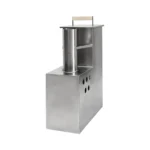
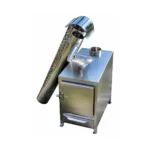
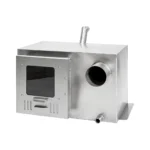
Current TimberIN wood-fired heater models
The products and prices below are loaded from WooCommerce. Open the relevant product page and confirm whether the heater suits your tub, water volume, connection layout and intended installation before ordering.
External, integrated and internal heaters
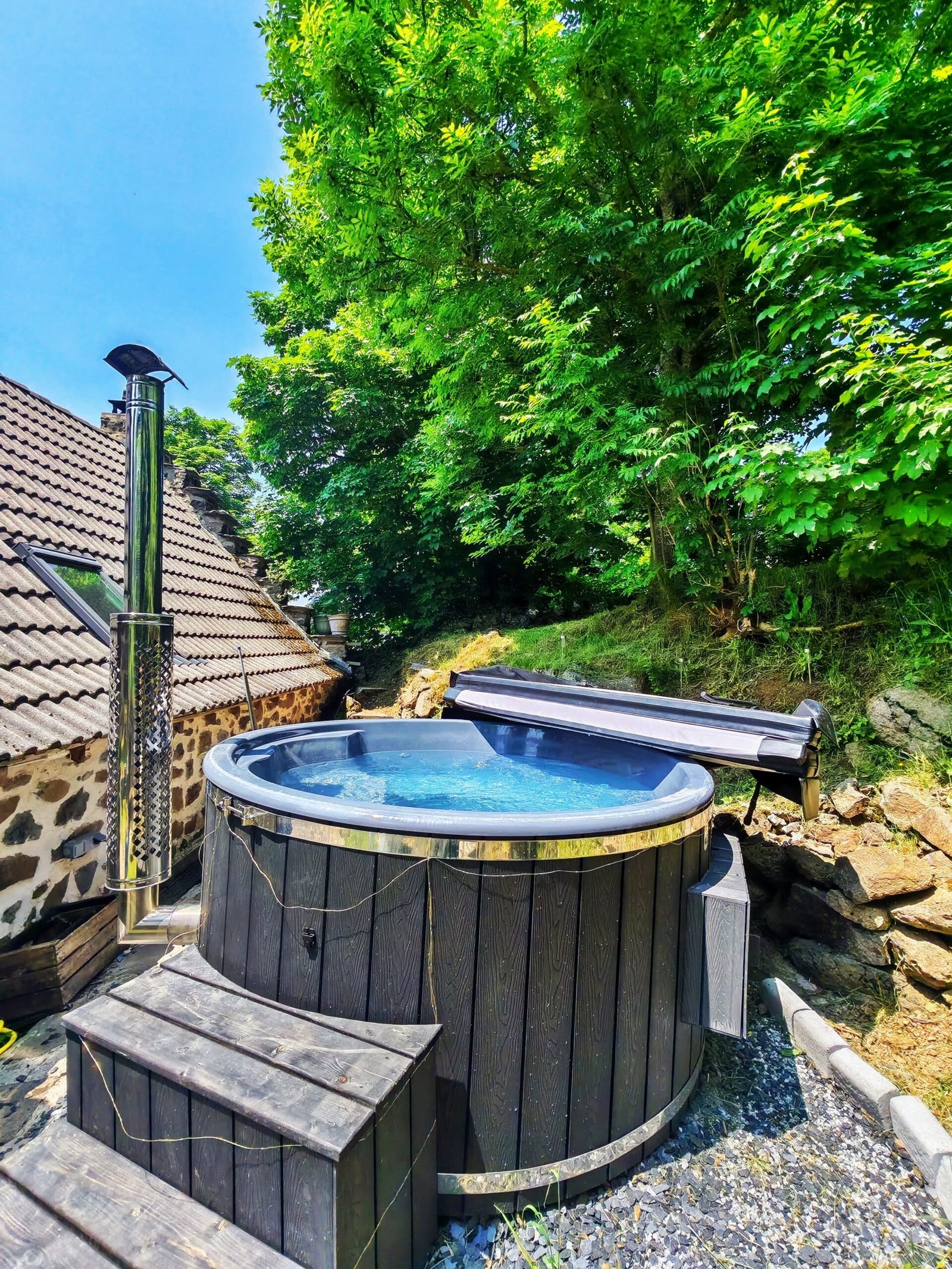
The position of the firebox changes the tub layout and the way water reaches the heater. None of the three common arrangements is automatically best. The right choice depends on bathing space, installation access, heat-up routine and whether the heater is being ordered with a complete tub or fitted as a replacement.
| Heater type | Useful characteristics | Points to confirm |
|---|---|---|
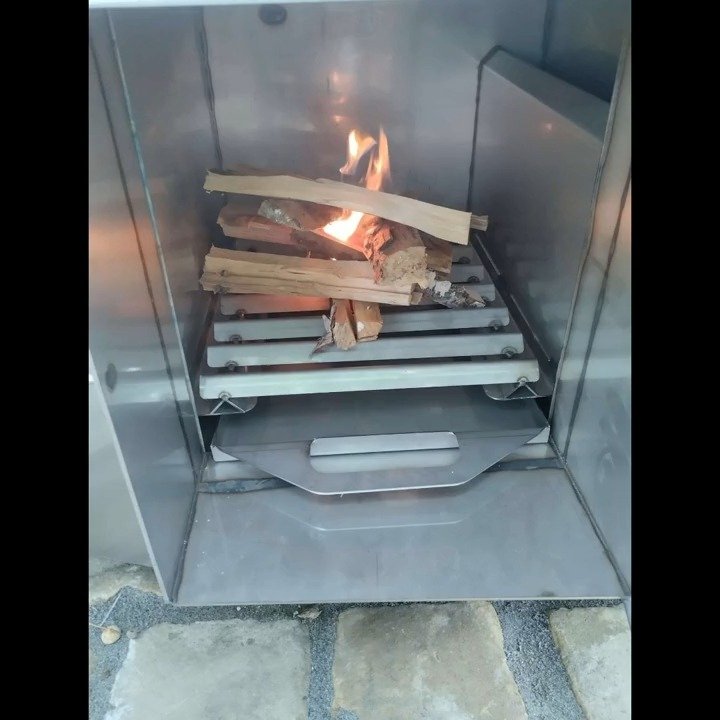
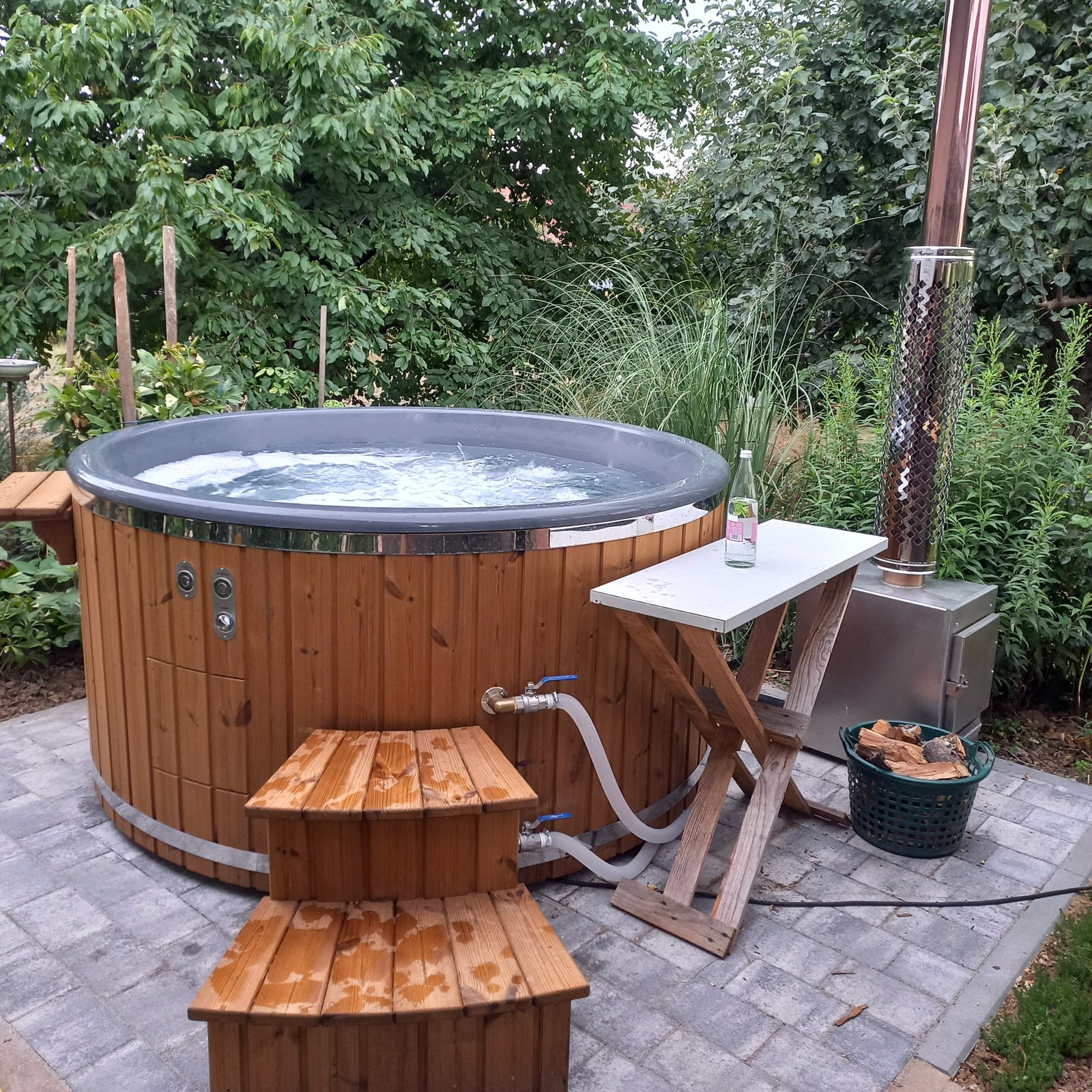
| External heater | Keeps the firebox outside the bathing vessel and preserves internal seating space | Pipe connections, circulation direction, level difference, operating footprint and drainability |
| Integrated heater | Creates a compact outline by building the stove into the tub wall | Seat layout, heat shielding, service access and model-specific compatibility |
| Internal or submersible heater | Places the heated surfaces directly within the vessel behind a protective guard | Lost bathing volume, guard clearances, cleaning and chimney position |
For a new hot tub, choose the heater while the shell, connections and seating are being specified. For a replacement, start with accurate measurements and photographs of the existing system rather than assuming the same general heater style will fit.
How the water circulates
Many external wood-fired heaters use natural thermosiphon circulation. As water inside the heater warms, it becomes less dense and rises through the upper connection into the tub. Cooler water returns through the lower connection. This simple principle still relies on the correct relative heights, unobstructed pipes and a heater designed for the arrangement.
Poor pipe routing, undersized connections, trapped air, closed valves or incorrect levels can reduce circulation and allow dangerous local overheating. A circulation pump may be used in some designed systems, but it should not be added casually to a heater intended for natural flow. Follow the approved arrangement for the exact heater and tub.
- Fill the tub to the required level before lighting the fire.
- Confirm that every valve in the heater circuit is in the correct operating position.
- Never isolate a lit heater from the water volume.
- Do not drain the tub until the fire is out and the heater is cool.
- Keep connections accessible for inspection, draining and replacement.
Sizing a wood-fired hot-tub heater
Water volume is the starting point, but it is not the only factor. Starting water temperature, desired bathing temperature, useful heater output, tub insulation, cover quality, exposed pipework, wind and fuel all affect heat-up. Two heaters with the same advertised rating may also be tested or described differently.
A responsible recommendation therefore uses the exact tub dimensions and expected operating conditions. Oversizing is not a substitute for good design: a very powerful heater can make temperature control harder and increase the importance of reliable circulation. Undersizing can produce long heat-up periods and encourage over-firing.
Realistic heat-up expectations
No single heat-up time applies to every wood-fired tub. A smaller insulated vessel filled with relatively mild water on a calm day behaves differently from a large tub filled with very cold water in winter. Firewood moisture, loading technique and ash build-up also change performance.
Ask for an estimate based on the specified water volume and make sure the assumptions are stated. Treat it as planning guidance rather than a guarantee. A fitted cover used during heat-up, correct circulation and dry suitable firewood are generally more useful than chasing an unrealistic universal figure.
Compatibility for a replacement heater
| Information needed | Why it matters |
|---|---|
| Tub make, model and water volume | Provides the basis for output and material checks |
| Heater photographs and identification plate | Helps identify the existing design and specification |
| Connection diameter, centre heights and spacing | Determines whether the new heater can connect without unsuitable adaptation |
| Pipe material and complete route | Affects temperature resistance, flow and drain-down |
| Chimney diameter and route | Shows whether existing components are compatible and safely positioned |
| Water treatment and visible corrosion history | Supports material and failure-cause assessment |
| Available operating and service space | Confirms clearances, loading access and maintenance access |
If the existing heater failed prematurely, identify the cause before installing a replacement. Restricted flow, freezing, unsuitable water chemistry, operation without the correct water level or an incompatible chimney can damage the next heater as well.
Materials, water treatment and corrosion
Stainless steel is available in different grades and still requires suitable operating conditions. Chloride concentration, disinfectant level, pH, temperature, deposits and contact with dissimilar metals can all influence corrosion. A material described as stainless should not be assumed to be immune to every water-care method.
Confirm the heater material and the manufacturer’s permitted water-treatment range. Do not place concentrated chemicals directly against the heater or run the fire while circulation is restricted. Inspect welds, connections and the lower firebox area as part of routine ownership.
Chimney, clearances and safe operation
The chimney must suit the heater outlet and installation. Its height, supports, terminal position, guards and distance from combustible materials need site-specific consideration. Place the firebox where fuel can be loaded without users passing close to hot surfaces and where ash can be removed safely.
Children and guests should not be able to touch the stove or chimney accidentally. Never use liquid accelerants, burn unsuitable waste or leave the fire unmanaged. The supplied instructions and competent installation advice take priority over general online guidance.
Winter care and maintenance
Freezing water can split a heater or its connections. If the tub will not remain protected and in regular use, every part of the heater circuit must be drained according to the written procedure. A main tub drain may leave water trapped in the stove or low pipe sections.
- Remove ash and keep the air path clear.
- Inspect the firebox, welds, doors, grate and connections.
- Check chimney joints, supports and guards.
- Look for leaks, corrosion or heat damage before lighting.
- Follow the specified drain-down procedure before freezing weather.
For buyers considering a complete tub rather than a heater alone, compare the wood-fired hot-tub models, including external-heater configurations. A factory-matched system can remove much of the uncertainty around retrofitting.
Wood-fired hot-tub heater FAQs
Can any wood-fired heater be connected to any hot tub?
No. Water volume, materials, connection sizes and heights, circulation design, output, chimney and operating space must be compatible. Obtain a model-specific check before ordering.
Does an external hot-tub heater need a pump?
Many are designed for natural thermosiphon circulation and do not need a pump. Others use a designed pumped circuit. Follow the approved arrangement for the exact heater rather than adding or removing a pump by assumption.
How quickly will a wood-fired hot-tub heater warm the water?
It depends on water volume and starting temperature, heater output, cover and insulation, weather and firewood. Ask for an estimate with stated assumptions; a universal time would be misleading.
Can I light the heater before the tub is full?
No. Establish the required water level and circulation path before lighting. Firing a dry or isolated heater can cause rapid damage and a serious safety risk.
Can a wood-fired heater remain full during winter?
Only where the complete system is managed to prevent freezing in accordance with its instructions. If it will be unattended or unprotected, drain the heater and every connected low point using the specified procedure.
Send the details before choosing the stove
For a replacement, provide the tub model, water volume, connection measurements, photographs and chimney details. For a new project, tell us the intended tub size, heater position, access and normal use. TimberIN can then identify a compatible route and define what is included.