
Match the stove to the vessel, then plan delivery

Wood-fired hot-tub heaters for Ireland

Choose a separately supplied log-fired heater around your tub’s actual water volume, layout and circulation. Then confirm delivery and installation responsibilities for your Irish address.

Compare the current submerged, external and integrated heater families below. Send the vessel details and Eircode for a written compatibility and delivery proposal before modifying an existing tub.

Compare the three heater families · Check the connection brief

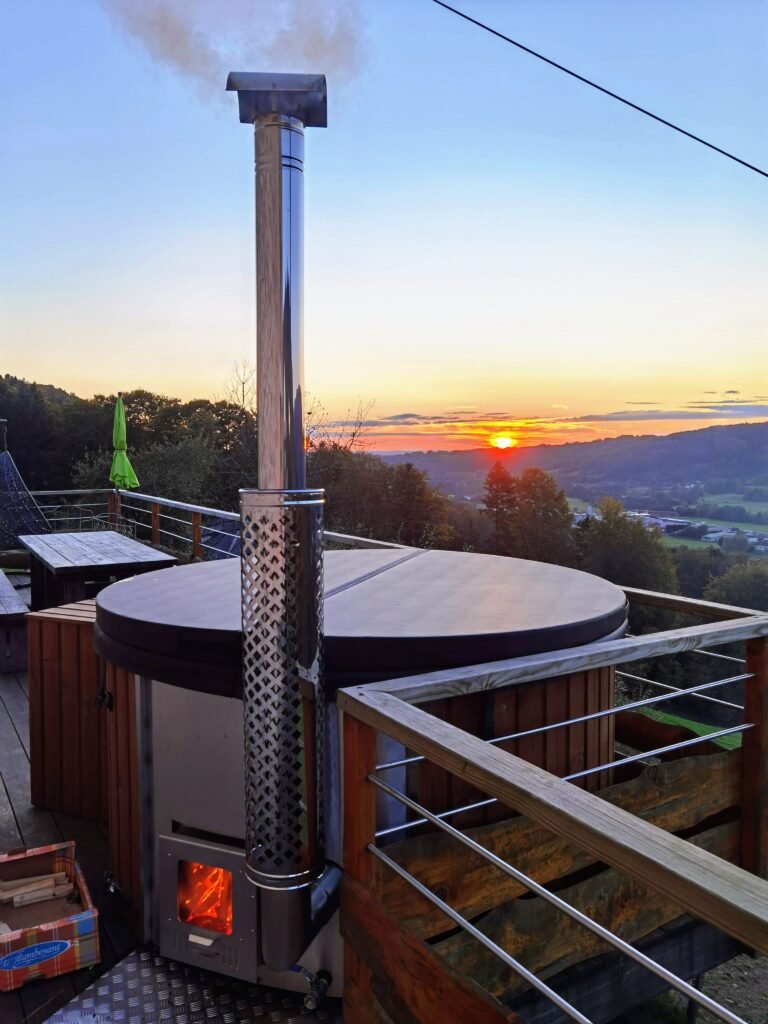
Metal external heater with a glazed door and guarded flue beside a covered round timber hot tub at sunset
External-heater context. Final flue routing, guards and clearances must follow the approved project drawings; the photograph does not establish installation compliance.

From our customers

These products at our customers’ homes

Customer projects matched to the products listed on this page. Earlier specifications and selected options may differ.

Customer projects from United Kingdom.

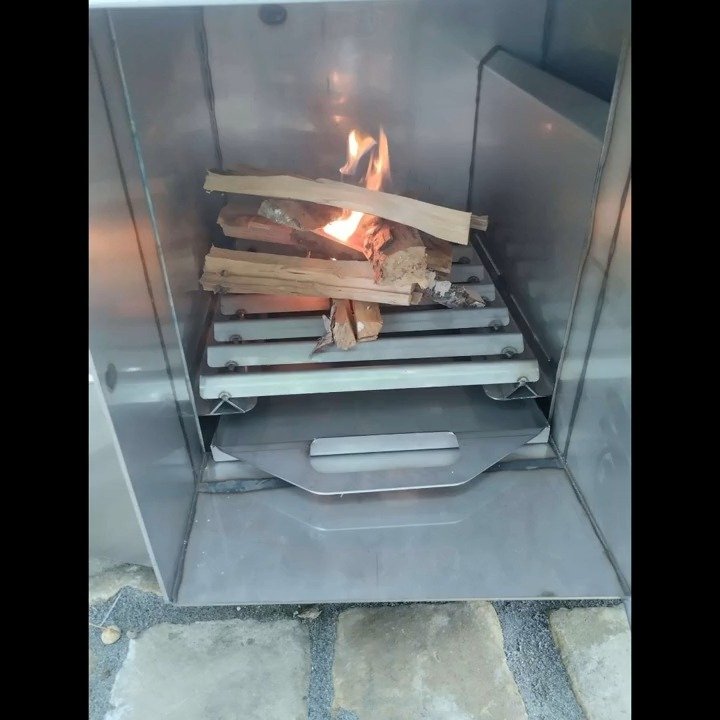
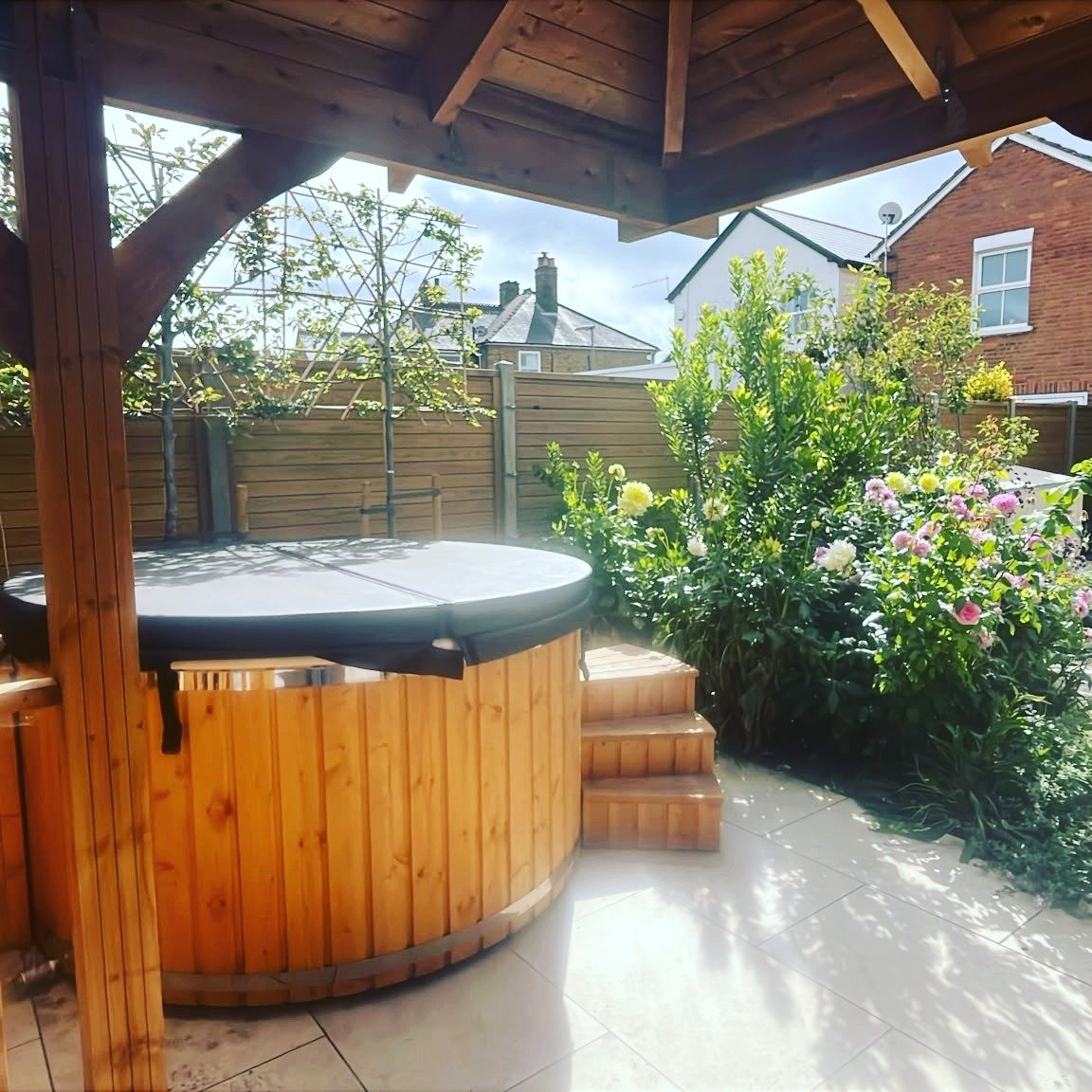
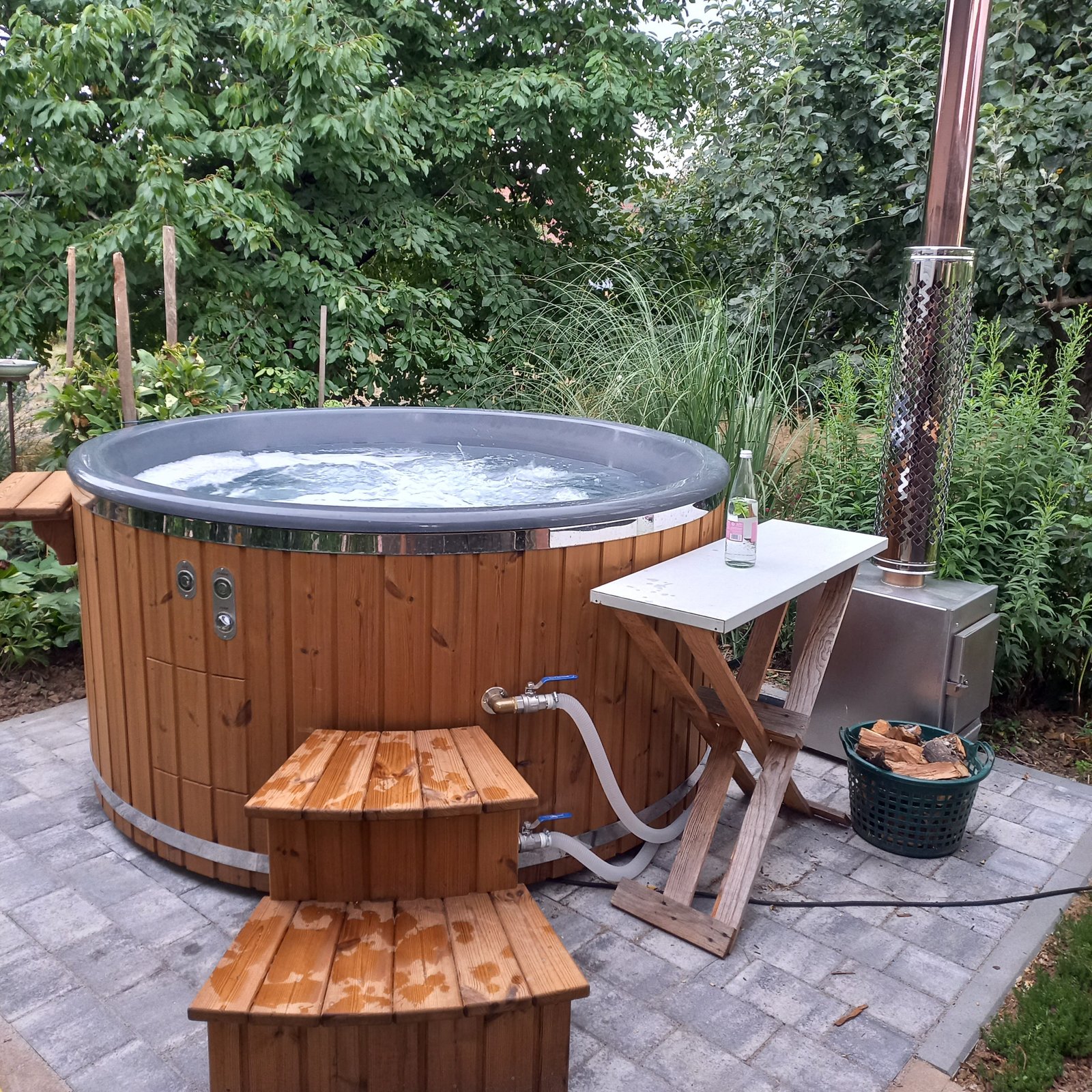
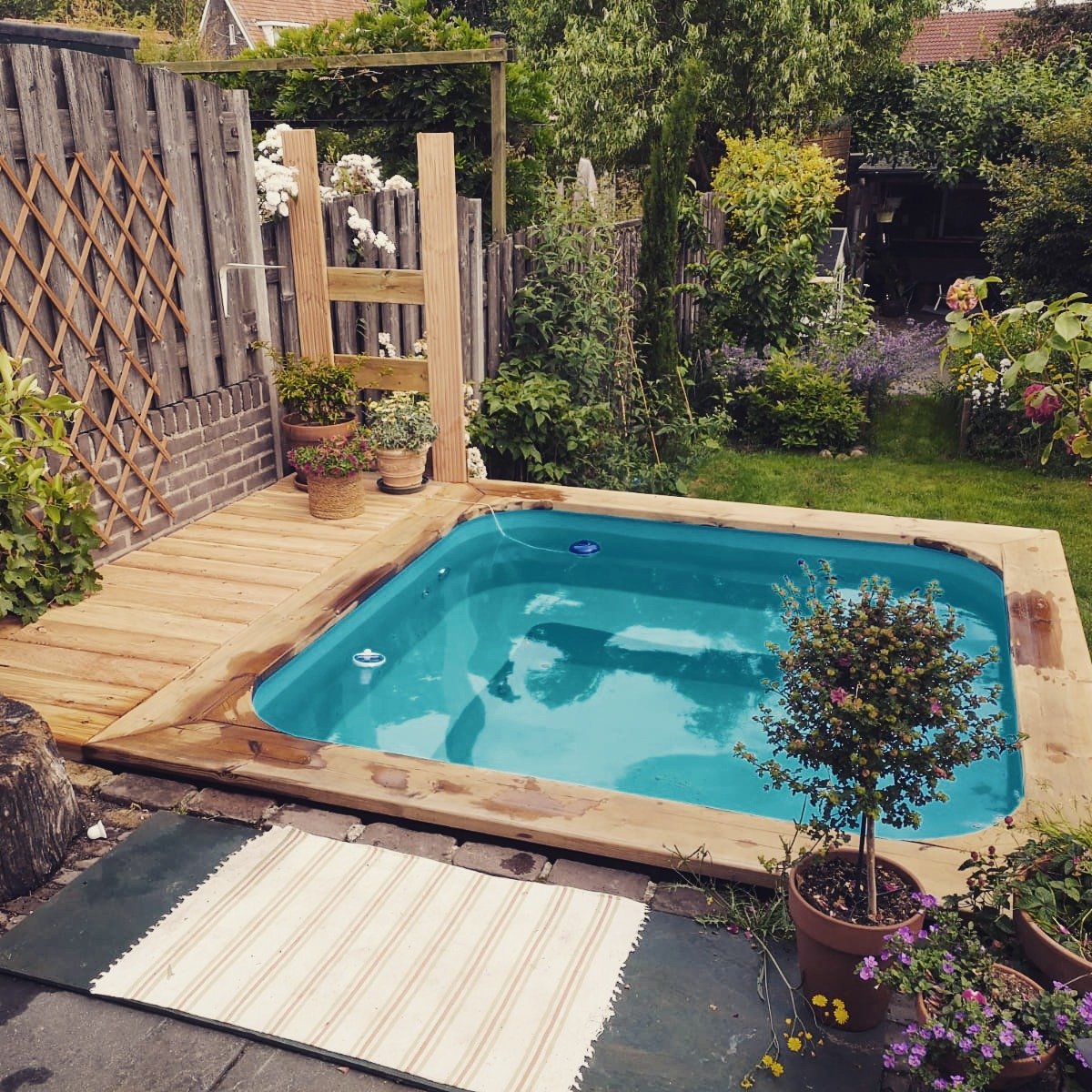
Customer project: Gabrielle — Herefordshire, United Kingdom

Gabrielle — Herefordshire, United Kingdom

TimberIN Nordic External™ – External Wood-Fired Hot Tub Heater

Dear Albertas, All fitted and working a treat!!! Thank you so SO much for all your help and of course for the superb heater. My partner is an artist blacksmith and has made the hot tub, he is so pleased with the great qu…

Read full review

Dear Albertas, All fitted and working a treat!!! Thank you so SO much for all your help and of course for the superb heater. My partner is an artist blacksmith and has made the hot tub, he is so pleased with the great quality of your heater. We have another tub that will need an integral heater, later in the year, there will not be a mad hurry for that one, I promise!!!! I will contact you prior to us ordering. Kindest Gabbie & Ricky
Review and installation photos →

Browse the full customer review library →

Compare separately supplied wood-fired heaters

Open a model to review its current power choices, drawings and options. These are heater products; the final quotation must confirm compatibility, supplied components and delivery to your address.

Start with the vessel you want to heat

A wood-fired hot-tub heater for an Irish project should be chosen against the actual tub and installation. Delivery to your address matters, but the first question is whether the stove can transfer heat through an approved, dependable water arrangement. A replacement with a similar appearance or a larger power label is not automatically compatible with the vessel you already own.

Send the tub manufacturer, model, shell material and measured or documented working water volume. Include photographs of the existing heater, connection points and surrounding space, plus any original installation drawings. State whether this is a new tub, a like-for-like replacement or a proposed conversion. These three jobs need different checks and can produce very different installation costs.

This page covers separately supplied wood-fired heaters for Republic of Ireland destinations. For a complete vessel and matched heating package, use the hot tubs in Ireland guide. The main hot-tub heater guide provides the broader comparison. If your address is in Northern Ireland, identify that separately when requesting delivery terms; a general “Ireland” note does not define the quotation destination.

Compare three heater positions before choosing output

The current range contains three heater families. Their different positions affect bathing room, external space and how much of an existing tub must be coordinated with the new equipment. Begin with a workable layout, then agree the appropriate output and installation details.

Current heater familySelectable nominal outputMain project decision
SubmergeFire 2626 kWApprove submerged body, operating water level, guard and remaining seating.
Nordic External22, 28 or 40 kWApprove the separate base, connection route, circulation and firebox access.
IntegraFire 3030 kWCoordinate the heater with the shell opening and serviceable wall construction.

Submerged: a compact outside footprint

SubmergeFire sits within the water of a compatible tub. It avoids a separate external flow-and-return pipe run, but uses part of the bathing space. Check the complete arrangement with its guard, benches, loading approach and specified water level. A vessel that looks wide enough in a photograph may still have an unsuitable seating layout or insufficient working depth.

External: keep the seating area clear

Nordic External stands beside the tub, leaving the interior available for bathers. Its separate position can make routine inspection and eventual replacement more accessible. It also introduces a heater footprint, water connections and a route that must circulate properly. Confirm which of the three outputs fits the approved system; the 22 kW drawing must not be assumed to describe the 28 or 40 kW version.

Integrated: design the wall around the heater

IntegraFire becomes part of a compatible tub wall. It needs close coordination between the shell, water path, firebox, flue and removable service access. Its cleaner outline is most useful when planned as part of the vessel design. Treat replacement or retrofit work as a manufacturer-reviewed project rather than cutting an opening from a product photograph.

Agree the water circuit before modifying an existing tub

For an external heater, supply the diameter, position and height of both tub connections, the proposed heater position and the complete route between them. Include any changes of level, bends, existing valves and equipment sharing the circuit. A photograph helps explain the setting, but a dimensioned sketch makes compatibility questions much easier to resolve.

Natural circulation depends on the approved relationship between the heater and vessel. Long routes, restrictions and trapped air can undermine that arrangement. Do not assume that adding a pump, fitting reducers or moving the heater behind a distant screen will preserve the original design. Ask the supplier to confirm the complete proposed circuit and its operating conditions before work starts.

A hot-tub stove must not be treated as a domestic boiler or connected to a sealed, pressurised system on the strength of an optional pressure valve. Likewise, spare ports on a spa do not establish compatibility with a wood burner. If the existing vessel has electric heating, filtration or jets, provide those details and obtain a coordinated design. Leave protective devices and installation decisions to the appropriately competent installer and the equipment manufacturers.

For an integrated or submerged model, the equivalent questions concern the shell, guard and water path at the heater itself. Confirm where the minimum operating level is indicated and how users will check it. Agree who is responsible for any vessel modifications, seals and final inspection. Written compatibility confirmation is more useful than a general assurance that the stove suits “most tubs”.

Use kilowatts to discuss the system, not promise a heating time

The live options are 26 kW for SubmergeFire, 22–40 kW across Nordic External and 30 kW for IntegraFire. Those figures identify the offered outputs. They do not tell you how quickly your particular tub will reach a comfortable bathing temperature, or how much firewood every session will require.

Provide the actual water volume, usual starting temperature, cover specification, insulation and intended season of use. An exposed coastal garden and a sheltered inland courtyard may experience different heat loss, but neither location name determines the right stove by itself. Ask for a recommendation that explains its assumptions and includes the circulation arrangement.

A larger heater is not a cure for unsuitable pipework. The selected system must handle its heat input while allowing a controlled approach to the final bathing temperature. Discuss who will tend the fire, how often the tub will be used and whether filling, heating and cooling fit your available time. Record the first approved commissioning run as a practical reference for subsequent use; weather and starting conditions will still change.

If you want a ready-matched package rather than a heater project, compare complete wood-fired hot tubs. The hot-tub price guide helps separate the vessel package from delivery, placement and site preparation. Comparing a standalone stove price directly with a complete tub obscures those differences.

Make room for loading, the flue and future maintenance

Mark the complete equipment zone on your garden plan. Allow for the heater body, door movement, operator position, ash removal, water connections and the manufacturer’s required clearances. Keep the route into the tub separate from the place where someone tends the fire. Consider where the cover will rest, as well as where it sits when closed.

Check the flue route against buildings, windows, eaves, boundaries, planting and overhead obstructions. Do not copy distances or chimney arrangements from an installation photograph. A photograph cannot establish material ratings, local conditions or compliance. Give the installer the selected heater documentation and discuss the actual setting, including any shelter or future enclosure, before construction.

The support beneath an external heater needs to remain suitable when the surrounding ground is wet and when the water connections are in service. Coordinate it with the tub base so that settlement does not strain joints or alter the agreed levels. For decking or an integrated installation, retain access to inspect and replace components without dismantling the whole bathing area.

Plan dry fuel storage outside the required hot-equipment clearance zone and a practical route for bringing logs to the stove. Keep the loading area clear of loose packaging, towels and cover straps. A convenient firebox position should work during rain and darker evenings too. Ask what local approvals or professional checks apply to your specific works rather than relying on a general claim that every garden installation is exempt.

Specify delivery to your Irish address precisely

The product pages ask buyers outside the included London delivery area to contact TimberIN with their postal code. For a Republic of Ireland quotation, provide the full delivery address, Eircode and county. Include any island destination, restricted access, steep approach, narrow lane or vehicle limit that could affect the carrier’s method.

Confirm the packed dimensions and weight of the selected heater and accompanying flue or accessories. Establish whether the service ends at kerbside, another accessible unloading point or an explicitly agreed placement location. A delivery vehicle reaching the property does not mean that the heater will be carried through the garden or installed. Identify the people and suitable handling equipment responsible for each stage.

Ask for the quoted currency, applicable taxes, delivery charge and any destination-related charges to be stated clearly, together with who pays them. The UK website or a displayed currency does not, by itself, establish the dispatch route or the final delivered total. Keep Republic of Ireland and Northern Ireland addresses distinct, and resolve any commercial questions against the actual written order.

Agree the expected production or availability window separately from the carrier’s booking. Check how delivery is arranged, what happens if access is unsuitable and how visible transport damage should be recorded. Plan a dry, secure storage place if installation will follow later. Do not arrange irreversible shell alterations merely because a provisional dispatch date has been discussed.

Prepare the first firing and the winter routine

Before first use, have the installed system checked against the supplied instructions and agreed drawings. The handover should explain the required water level, how to confirm circulation, permitted fuel, safe loading and the sequence for finishing a session. A wood fire continues to release heat after you stop adding logs, so operation must account for cooling as well as heating.

Never light a water-heating stove without its required water coverage and an unobstructed, unfrozen circulation path. Do not drain while the fire or embers remain, or while the heater is still hot. Follow the selected model’s cooling and draining instructions. The temperature of the main tub alone does not establish the condition of every heater chamber or pipe.

For winter absence, ask the installer to demonstrate complete drainage of the actual heater, connecting runs, valves and any separate equipment. Water can remain at low points even when the tub appears empty. A cover is not proof of frost protection. Kirami’s winter guidance independently highlights the risks of frozen heaters and draining before fire and embers have gone out; use it as general context alongside your supplied TimberIN instructions.

Agree a water-care routine compatible with the vessel and heater materials, including approved products and limits. Stainless steel does not remove the need to follow that guidance. If pumps, lighting, filtration or auxiliary heating are present, their power and maintenance needs remain separate from burning logs. Do not describe the whole installation as electricity-free until the actual equipment schedule supports that statement.

Turn the proposal into a complete heater order

Keep the heater model, selected output and approved tub details together in the quotation. Attach the agreed layout or drawing reference, then identify what is included: chimney sections, guards, connectors, seals, installation components and any optional operating tools. Accessories shown in a photograph or elsewhere on the product page should not be assumed to come with every order.

For Nordic External, check the separately selectable ash shovel, chimney guard, glazed door and thermometer/pressure-valve option against the actual build. Those choices add particular functions; they do not replace compatibility approval. SubmergeFire and IntegraFire have different option lists, so do not transfer one model’s inclusions to another.

Finally, name who installs, commissions and explains the system, and how support or replacement parts will be handled from your Irish address. Keep the final drawing, operating instructions and delivery terms with the accepted order. That record makes future servicing easier and gives everyone the same specification to work from.

Questions about heaters for Ireland

Can I add a wood burner to my existing hot tub?

Only after the vessel and heater manufacturers approve the proposed arrangement. Provide the shell details, working litres, ports, levels and existing equipment. An external stove may be a practical route for some projects, but it is not a universal conversion kit for an electric spa or any other vessel.

Does the heater price include delivery and installation in Ireland?

Confirm both separately for your address. The live heater pages request a postal-code enquiry for Ireland. Ask for an Eircode-specific delivered quotation, the unloading boundary, included components and the installer’s responsibilities. The product card price does not establish the complete project total.

Which heater is best for an off-grid site?

Start with a supplier-approved vessel and circulation design, then check every selected component. Log firing does not require electric heat input, but pumps, filtration, lights or auxiliary equipment may need power. Confirm the full equipment schedule and a realistic filling, water-care and winter routine before describing the project as off-grid.

Keep a useful record for later replacement

Once the heater is installed, retain its model identification, selected output, accepted drawings and the component list with your tub records. Photograph accessible connection routes before any removable panels are fitted, and note where drainage points can be reached. Keep the operating instructions available to anyone responsible for the fire. If you later change the cover, move the stove or add water-treatment equipment, review those changes with the supplier instead of assuming the original approval covers a different arrangement. This is particularly useful at a holiday property where the person arranging maintenance may not be the person who commissioned the installation.

Send the tub details and your Eircode

Share the vessel model, working litres, connection measurements, proposed heater position and delivery access. Request one written specification covering compatibility, supplied parts and delivery responsibilities.

Request a heater quotation

GET A QUOTE FAST!
close slider

TIMBERIN ON INSTAGRAM

Claim 4% discount

Follow @timberinhottubs and send us a direct message. We’ll reply with your discount code.

Open this TimberIN project on InstagramOpen this TimberIN project on InstagramOpen this TimberIN project on InstagramOpen this TimberIN project on InstagramOpen this TimberIN project on InstagramOpen this TimberIN project on Instagram

Open Instagram profile