

Water retention
Record how long water stays in the tub and how often the tub is used. Water replaced after a short session does not follow the same routine as water kept between several uses.
Water quality: a chain, not a single product
Water kept in the tub is managed in a precise order. Sand filtration removes particles, UV-C supplements treatment during circulation, and a compatible chlorine disinfectant maintains a measurable effect. Check pH before making any chemical correction.
Start by recording the water volume, how long it is kept, bathing frequency and the installed circuit. Without these four details, a quantity quoted for another tub is not an instruction for yours.
The diagram shows the functions; the actual direction, flow rate and connections belong to the circuit plan.
Before the first dose
Treatment starts with configuration and measurement. This checklist avoids confusing visually clear water with properly controlled water, or expecting chlorine to compensate for a dirty filter and insufficient circulation.
Record how long water stays in the tub and how often the tub is used. Water replaced after a short session does not follow the same routine as water kept between several uses.
Identify suction, return, pump, sand filter, UV-C, valves and drain points. A method only applies to the circuit actually fitted.
Use a suitable test that has not expired. Take a sample after the prescribed circulation time, away from a recent addition and according to the test method, then record the result before deciding.
Match the disinfectant to the tub materials, heating, seals and instructions. Having a filter or UV-C unit does not make every product suitable.
Also see our guide to identifying the causes of corrosion.
TimberIN filtration equipment
The cards come from currently published products. They retain their own names, images, prices, variants, availability and actions. Open each product to confirm flow rate, connections, power supply, maintenance and instructions at the time of your project.
From our customers
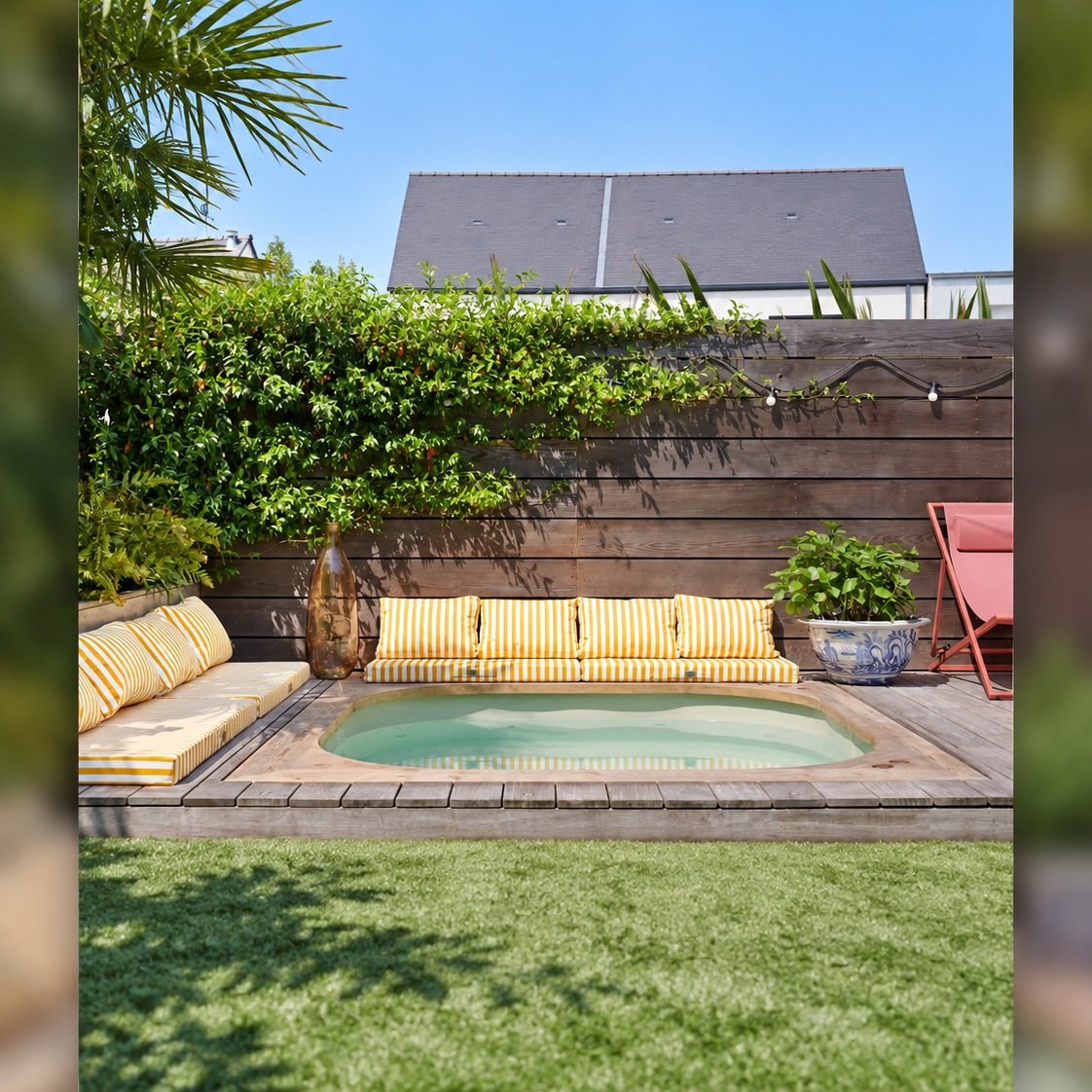
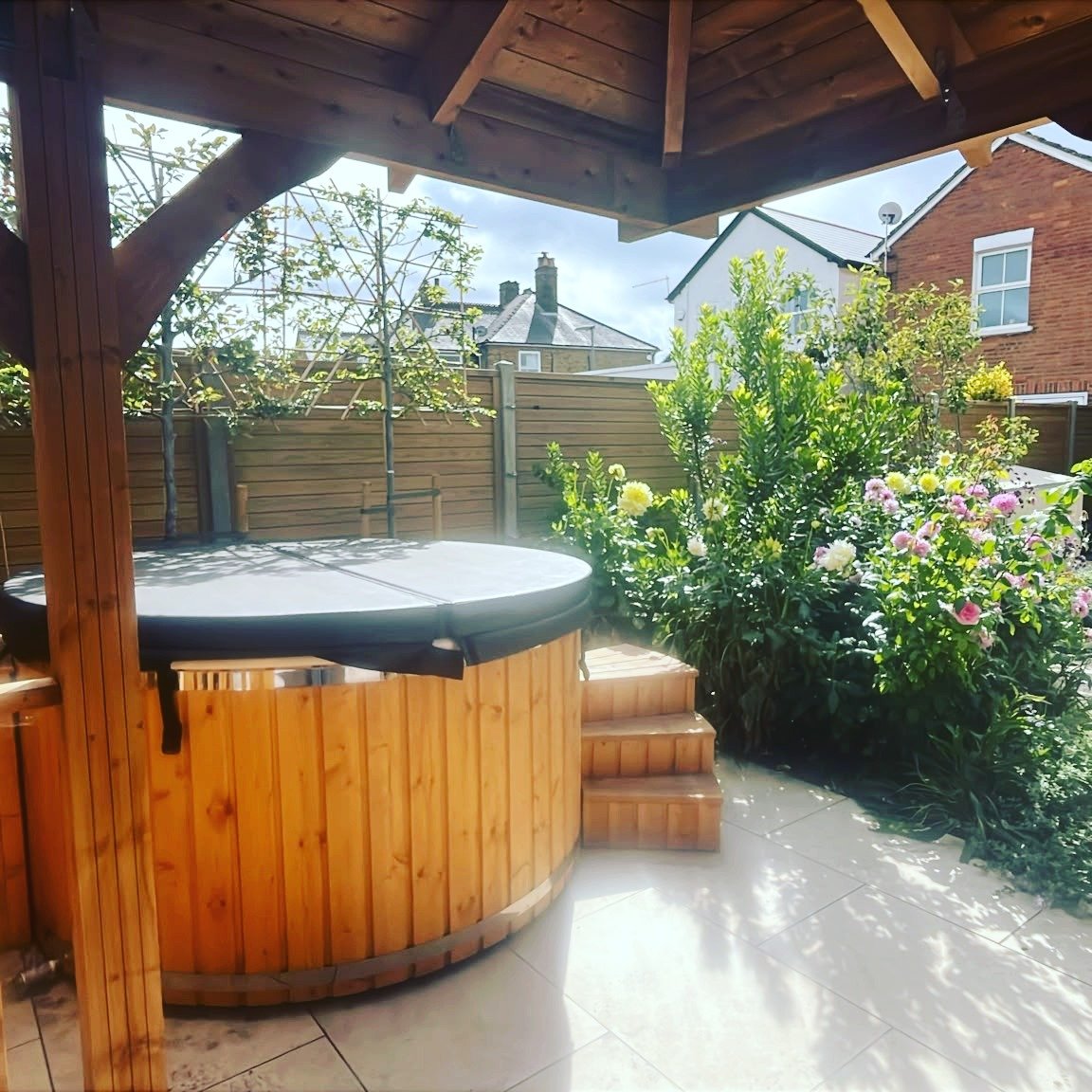
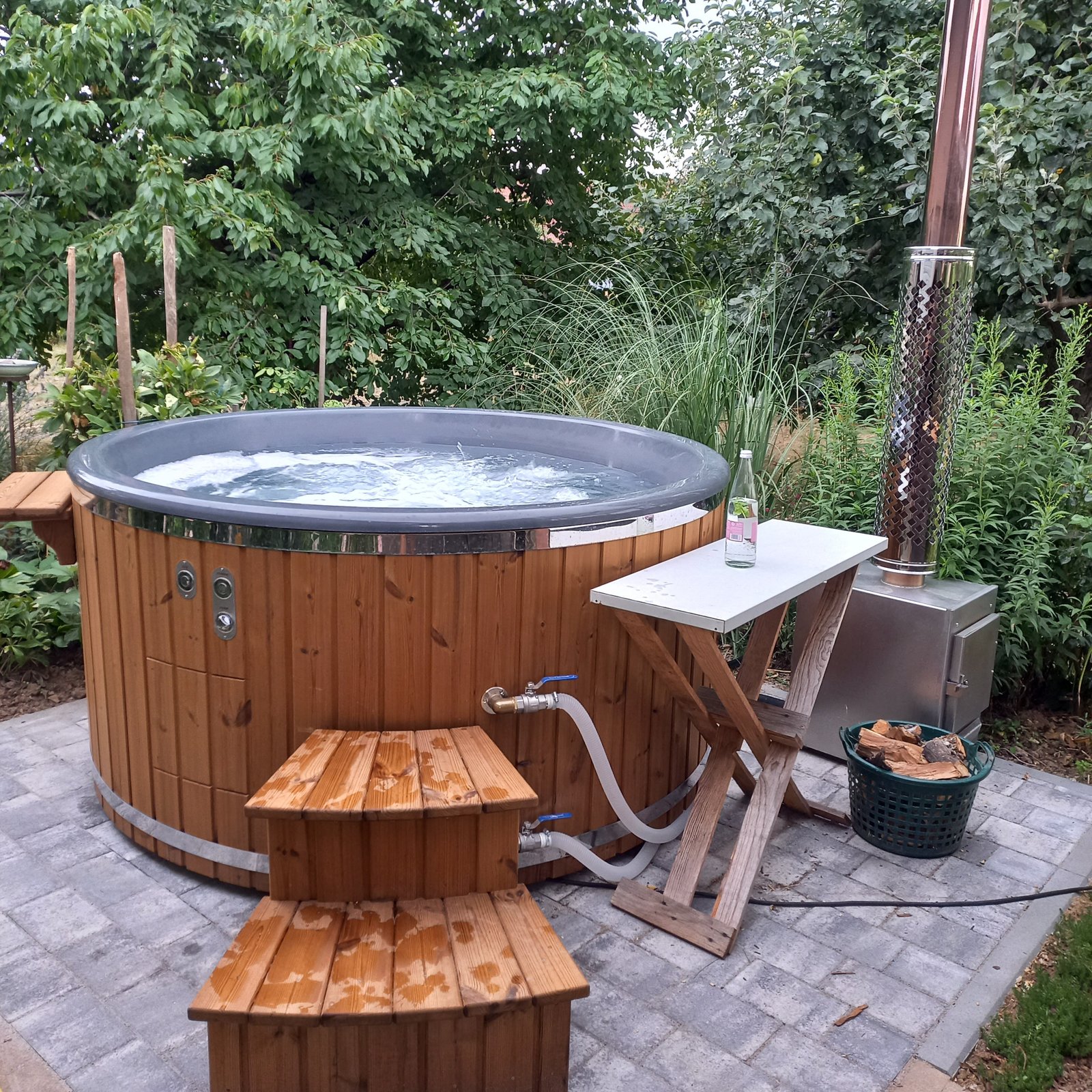
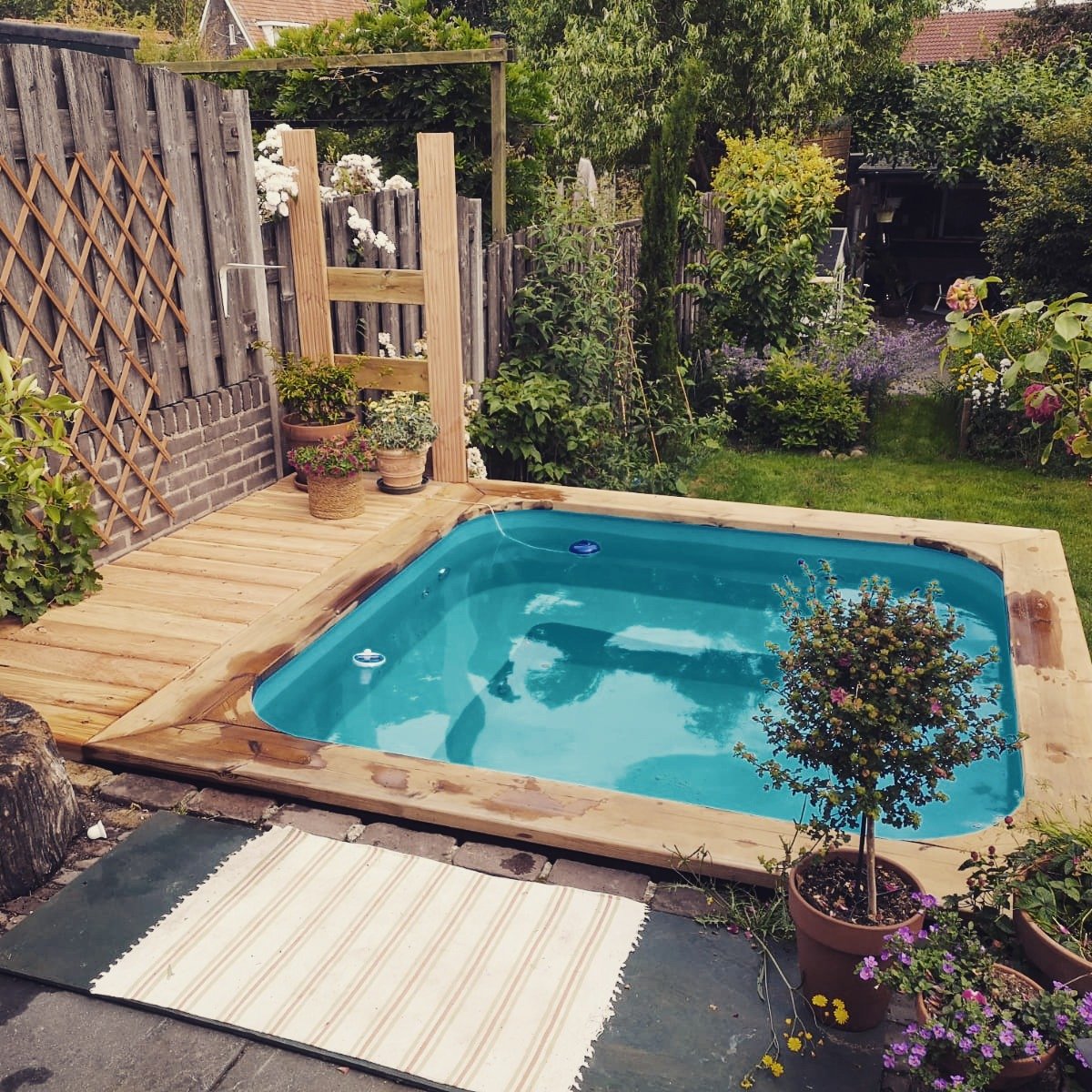
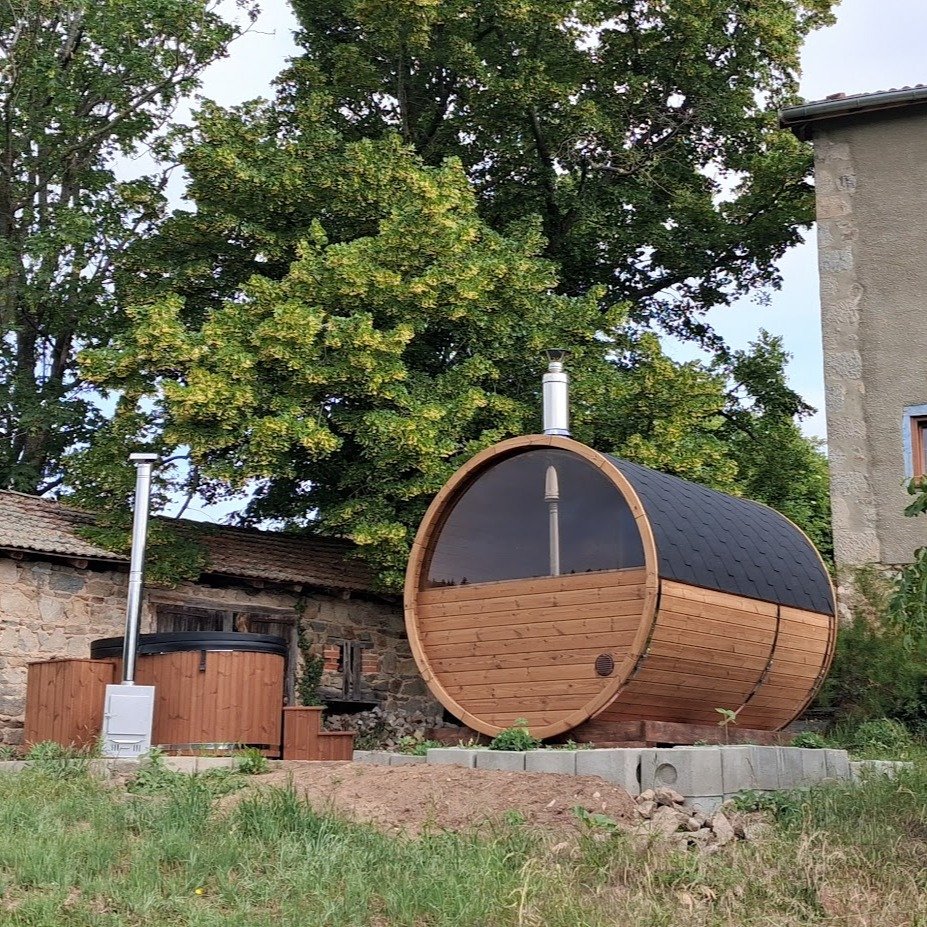
Customer projects matched to the products listed on this page. Earlier specifications and selected options may differ.
Customer projects from United Kingdom.
Decision boundary: the sand system provides circulation and particle retention. The UV-C unit acts on water passing through its chamber. Neither replaces pH measurement, compatible chlorine treatment, cleaning or water replacement.
The right order makes the result understandable
If several parameters change at once, you cannot tell what solved or shifted the problem. Work in stages, let circulation mix the water as instructed, then measure again.
Appearance, smell, deposits, bathing load and condition of the circuit.
Pump and sand filter working, valves in their prescribed positions.
A representative sample, away from a recent addition.
Compare the result with the reference range and instructions.
A compatible chlorine product, with quantity calculated from the actual volume.
After the prescribed time and circulation, before returning to use.
pH reference for a hot tub
The reference range used here is pH 7.2 to 7.8, in line with the hot tub control module from the CDC. Product or equipment instructions may require a narrower target; in that case, they take precedence for the configuration concerned.
Why measure first? pH affects chlorine action and equipment compatibility. Adding disinfectant without knowing the pH can produce a result that is difficult to interpret and encourage unnecessary overdosing.
Four functions, four checks
A reliable routine connects the functions without confusing them. A pH result is not disinfection; a UV-C lamp is not a particle filter; chlorinated water does not remove the need to clean the filter media and surfaces.
The pump circulates water and the media retain some suspended material. Actual flow and fouling determine performance.
The unit works inside a closed chamber while water circulates. Its effectiveness depends, among other things, on flow, clarity and maintenance of the lamp and tube.
The chlorine product must be compatible, dosed for the actual volume and checked according to its label. It removes neither particles nor deposits.
The measurement shows whether water is within the expected range. It guides correction and makes the chlorine test interpretable.
To compare the circuit, flow losses and media maintenance, continue with the guide to hot tub filtration. For choosing and checking disinfectant, use the page on chlorine in a hot tub.
Triggers rather than vague habits
The exact frequency depends on volume, temperature, use and product. However, certain events always call for a new reading rather than an assumption.
Measure the fill water, record the volume and start the circuit before establishing the first routine.
The guide to filling a hot tub with rainwater explains what to examine before choosing this water source.
An old value does not describe the current water. Check according to use and instructions before returning the tub to service.
The load introduced by bathers changes demand. Do not compensate automatically without another test.
Observe mixing time and label conditions before reading the new result.
Remove debris, check the media, circulate and measure before choosing a correction.
Check the water, equipment and surfaces before restarting an interrupted routine.
Safe handling: never mix chemicals together, use an unlabelled container or add a product while people are in the tub. Follow the label, keep storage secure and involve a professional if compatibility or the result remains uncertain.
A symptom prompts a check
Clear water is not sufficient evidence, and a strong smell is not an invitation to add chlorine automatically. The table organises checks; it replaces neither testing nor instructions.
| Observation | Priority checks | Cautious decision |
|---|---|---|
| Cloudy water | pH, circulation, condition of the sand, flow, bathing load and fill water. | Stop using the tub, restore the circuit and treat only on the basis of usable measurements. |
| Unusual smell | pH, disinfectant value, ventilation, deposits and the last correction. | Do not mask the smell with a blind addition; identify the cause and replace the water if the routine cannot be brought back under control. |
| Deposits or a slippery surface | Walls, waterline, dead spots, filter, accessible connections and cleaning history. | Take the tub out of use, clean according to the materials and inspect the circuit before filling or restarting. |
| pH changing rapidly | Test method, fill water, volume, recent additions and measurement stability. | Validate the measurement and correct in small steps consistent with the label; seek advice if the drift continues. |
| Inconsistent result | Reagent date, procedure, reading time, sampling and possible interference. | Repeat with a reliable test before making another correction. |
Chemistry does not repair equipment
Blocked media, low flow or a dirty UV-C tube can make results inconsistent. Exact procedures remain those in the product details and supplied instructions.
Clean or backwash the media according to pressure, flow and instructions. Confirm valve position before each operation.
Check noise, priming, leaks, obstructions and flow. A running pump does not prove that useful flow is correct.
Follow the lamp schedule and tube-cleaning instructions. Disconnect power and observe the safety instructions in the product details.
When measurement, cleaning and filtration do not restore a clear routine, drain and start again according to use and instructions.
Drain vulnerable parts and protect the circuit according to the model’s procedure. The guide to hot tubs in winter distinguishes supervised operation from complete shutdown.
A result without context cannot be compared
The log shows whether drift comes from use, source water, the filter, the circuit or an addition. It avoids repeating a correction that did not produce the expected result.
Keep the same units and testing method. Record physical operations too: backwashing the filter, cleaning the UV-C tube, draining and refilling.
The log does not turn general advice into a prescription. The chemical product sheet and circuit instructions remain the authorities for carrying out the work.
For surfaces, timber, the shell and routine cleaning, also see the guide tohot tub maintenance. The general configuration comparison remains in the hot tub catalogue.
Frequently asked questions
These answers establish the decision sequence. They do not replace the disinfectant label, product details or configuration instructions.
Because pH affects chlorine action and compatibility with the circuit. Without this measurement, an added quantity is difficult to interpret. Measure, correct if necessary, circulate, then check again before chlorine treatment.
The reference used here is pH 7.2 to 7.8, the range published by the CDC for hot tubs. If the chemical, filter, heating or tub instructions require a narrower target, follow that target for the configuration concerned.
No. It circulates water and traps particles in its media. Chlorine disinfection, pH control, surface cleaning and water replacement remain separate functions.
No. It acts on water passing through its chamber while the circuit runs. On its own, it does not maintain a measurable disinfecting effect throughout the tub, nor compensate for cloudy water or insufficient flow.
No. Clear water reveals neither its pH nor its disinfectant value. The quantity depends on actual volume, exact product, measurement and label. Do not copy a dose from another installation.
When the intended use requires it, after a problematic shutdown, or when measurement, circulation, cleaning and treatment cannot restore an understandable routine. Also clean the surfaces and circuit according to their materials before refilling.
One volume, one circuit, one test method, one log
Send the model, volume, frequency of use, water-retention time, location of the sand filter and UV-C unit, and the proposed chlorine product. TimberIN can relate current components to the circuit and instructions without turning a general dose into a prescription for your installation.
Final specifications, connections, power supplies, prices, availability and limitations remain those of the products and instructions at the time of the project.


 Hot Tub Filtration System – Clean Water and Easy Maintenance
 UV Filter for Hot Tubs and Pools