
A stove, water circuit and chimney working as one

Wood-Fired Hot Tub Heaters: Choose a Compatible Stove

A hot-tub heater is not selected safely from a kilowatt figure or a photograph. It must suit the vessel volume, water connections, circulation method, chemistry, pipework, chimney and the way the system will be drained in winter.

Whether this is a new build or a replacement, begin with the tub. Record its normal litres, construction and connection geometry, then match the heater and flue to that exact installation. If you also need the vessel, compare complete wood-fired hot tubs rather than assembling an uncertain system from separate parts.

Vessellitres and materialFlowconnections and routeHeatoutput and fuelSiteflue and clearances
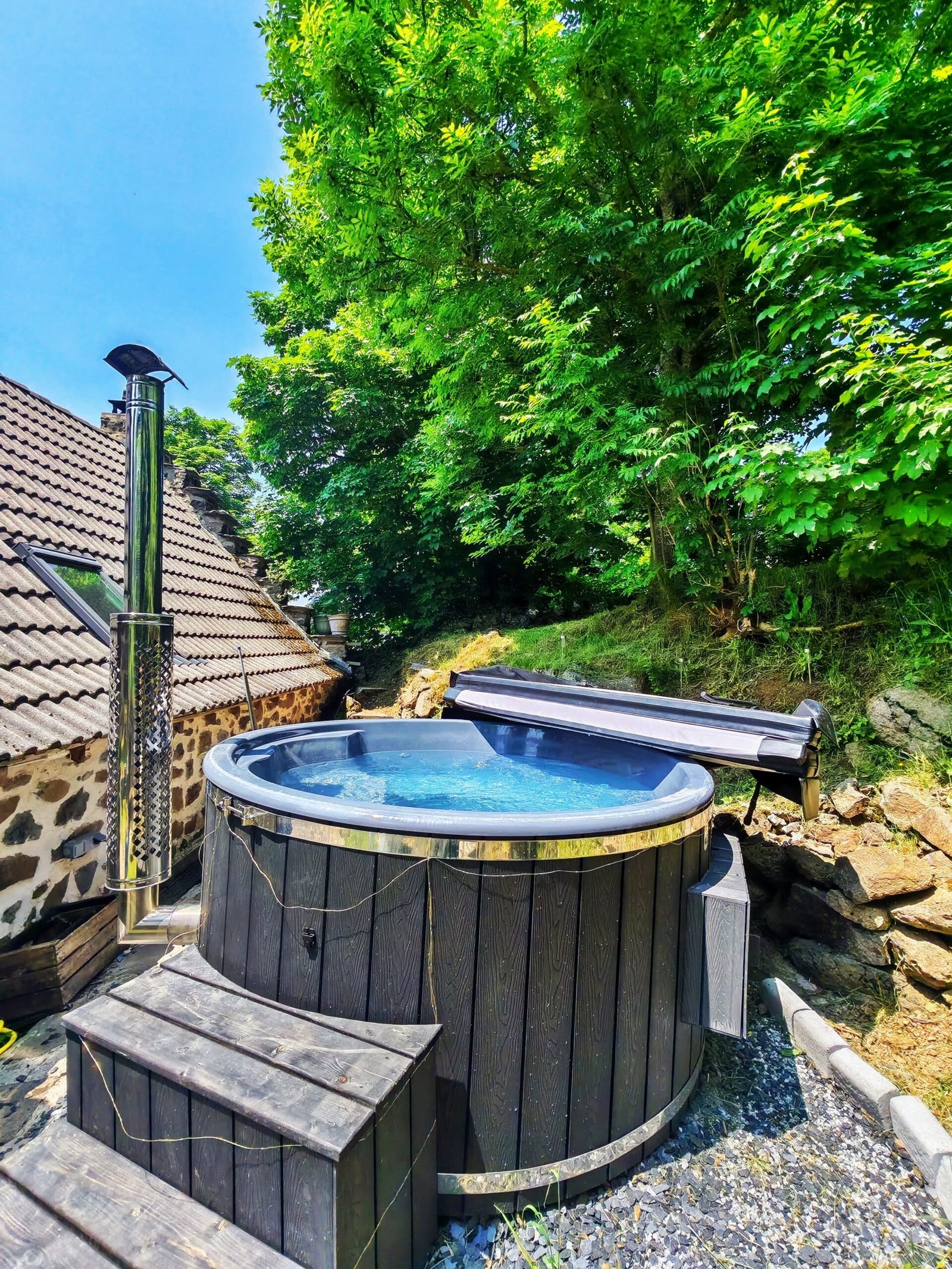
Dark timber-clad hot tub with a chimney beside a stone building and trees
Compatibility is a system question: the water path must stay open, the heater flooded and every hot surface safely positioned.

From our customers

These products at our customers’ homes

Customer projects matched to the products listed on this page. Earlier specifications and selected options may differ.

Customer projects from United Kingdom.

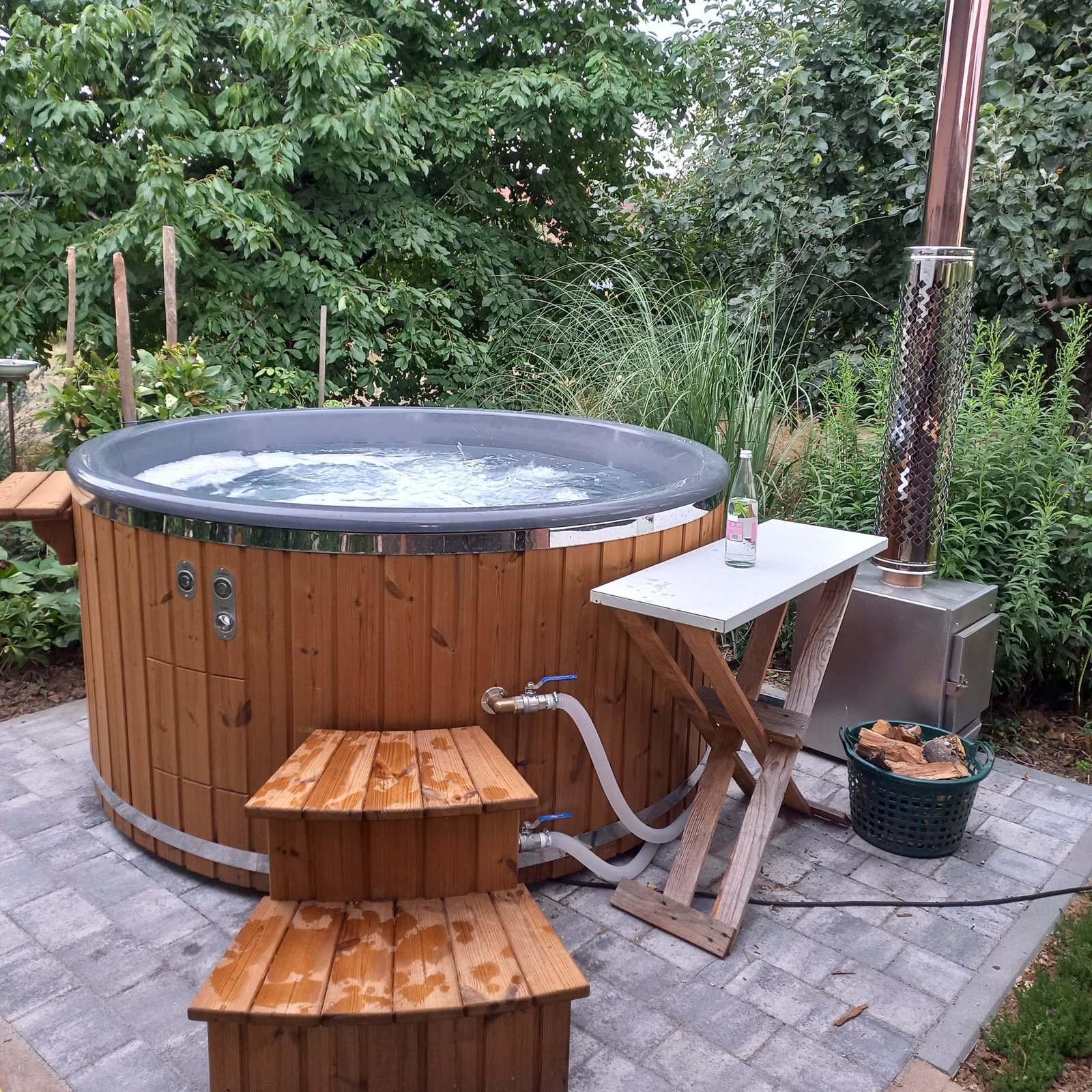
Customer project: Gabrielle — Herefordshire, United Kingdom

Gabrielle — Herefordshire, United Kingdom

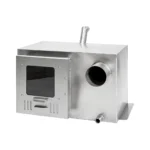
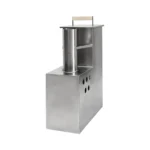
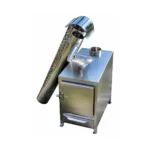
TimberIN Nordic External™ – External Wood-Fired Hot Tub Heater

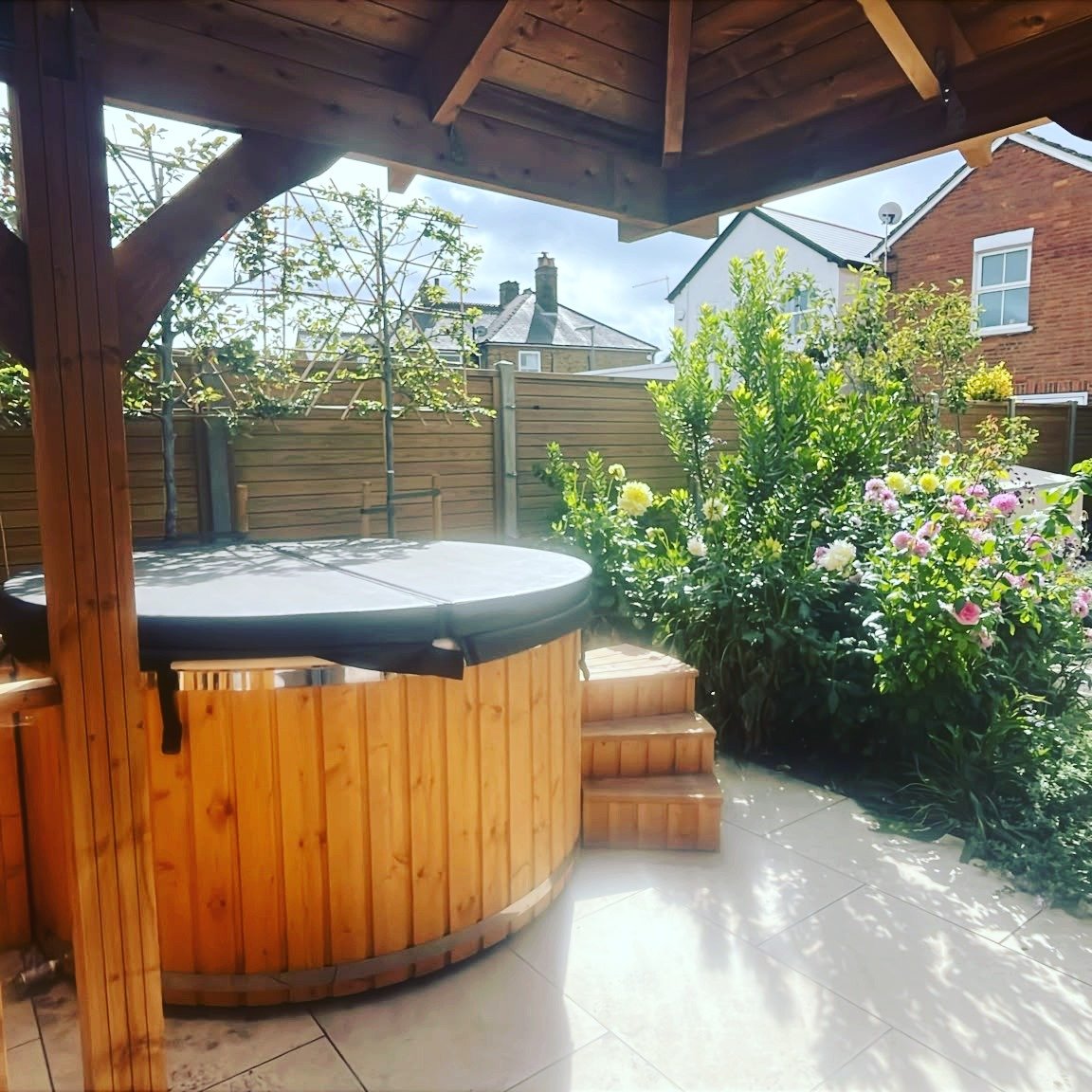
Dear Albertas, All fitted and working a treat!!! Thank you so SO much for all your help and of course for the superb heater. My partner is an artist blacksmith and has made the hot tub, he is so pleased with the great qu…

Read full review

Dear Albertas, All fitted and working a treat!!! Thank you so SO much for all your help and of course for the superb heater. My partner is an artist blacksmith and has made the hot tub, he is so pleased with the great quality of your heater. We have another tub that will need an integral heater, later in the year, there will not be a mad hurry for that one, I promise!!!! I will contact you prior to us ordering. Kindest Gabbie & Ricky
Review and installation photos →

Browse the full customer review library →

Wood-fired hot-tub heaters

Compare every current wood-fired heater family in recorded sales order. Match the exact heater to the vessel, water connections and approved circulation design before ordering.

What the stove actually does

Combustion stays on one side; moving water carries the heat away

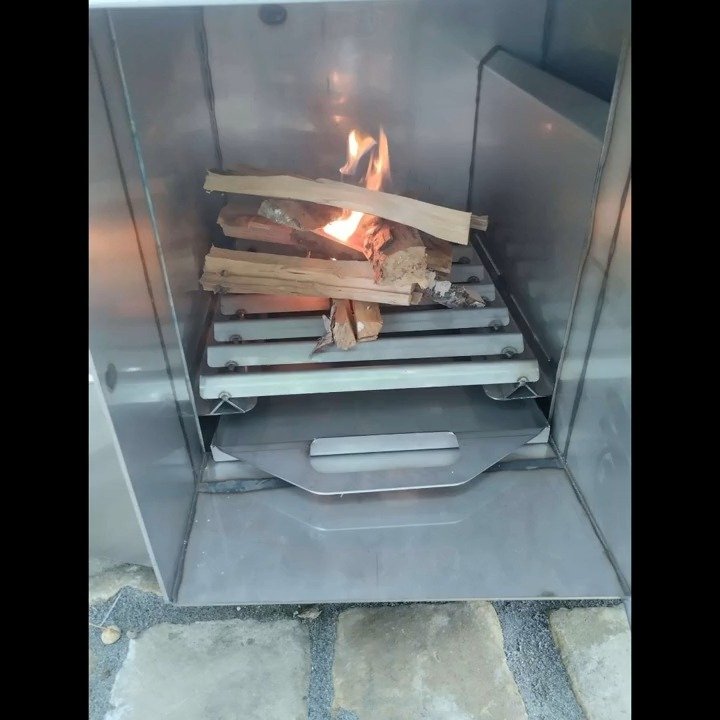
A purpose-designed wood-burning hot-tub stove combines a firebox with a water jacket or heated body. The fire produces heat; water moving through the heater absorbs it and returns to the tub. The firebox, welds, water passages, connections and chimney must remain in the conditions specified by the manufacturer.

That is why a room stove, improvised coil or visually similar heater is not a safe substitute. A hot-tub heater is continuously exposed to hot water, treatment chemicals and repeated temperature change while operating close to bathers.

Read the heater as a system

Six components deserve routine attention

01

Firebox

Contains the fuel. Inspect for ash, distortion, corrosion and damaged welds.

02

Water jacket

Transfers heat into the water. Look for leaks, scale and material damage.

03

Connections

Carry water between tub and stove. Diameter, seals, height and support must suit the design.

04

Door and air control

Manage loading and combustion. Check closure, hinges and heat damage.

05

Chimney connection

Starts the flue route. Confirm fit, support, clearances and condition.

06

Drain or low point

Allows winter emptying where provided. It must remain accessible and drain completely.

Position changes capacity and plumbing

External, integrated or internal?

All three directions can work well when designed for the tub. Compare real bathing space, the overall operating footprint and the access needed for firing, ash removal, inspection and drainage.

External

Preserves the bathing area and gives direct firebox access. It needs ground space, two water connections and a frost-safe pipe route.

Best question: can the heater sit close enough and low enough for the approved circulation layout?

Integrated

Creates a compact overall form while keeping more bathing space than a fully internal stove. The enclosure must not block ventilation or service access.

Best question: can ash, fittings and drains still be reached after landscaping?

Internal

Sits inside the water behind a protective guard, with no external water hoses. It reduces usable bench and leg space and keeps hot metal within the vessel.

Best question: what is the real capacity after the guard is installed?

Natural thermosiphon

Warm water rises only when the route allows it

In a correctly designed external system, cooler water enters the lower heater connection. As it warms and becomes less dense, it rises through the upper return, drawing more cool water into the heater. This can circulate without a pump, but it is sensitive to resistance and air.

Hot tubHeaterCooler water → lower inletUpper return ← warmer water

Output needs context

Calculate the water’s demand before discussing heat-up

Theoretical energy in the water can be estimated as litres × temperature rise in °C × 0.001163. This does not include heat lost through the surface, vessel, pipework and chimney, so actual fuel input must be higher.

10°C → 38°C

700 L22.8 kWh
1,000 L32.6 kWh
1,200 L39.1 kWh
1,500 L48.8 kWh

Real heat-up also changes with starting temperature, heater performance, fuel moisture, cover, insulation, wind and maintenance. A universal time should not be guaranteed. Cold fill water, a larger volume, wet logs, poor cover, strong wind, soot or air in the circuit all extend the process.

Material and water must agree

“Stainless steel” is not a complete compatibility statement

Different grades respond differently to chlorides, salt, disinfectant concentration, low pH and contact with other metals. Confirm the exact heater material and its written water-chemistry limits before introducing any treatment system.

Do not assume a heater is suitable for saline water. Persistently low pH or excessive chemical concentration can attack metal and seals, while stagnant aggressive water can continue damaging a drained or poorly dried system.

Fire, water and bathers share one area

Plan the chimney and temperature routine together

At the installation

Use a stable non-combustible heater base, the specified chimney parts and support, and suitable clearances from fences, roofs, pergolas and planting. Keep the firing door away from steps and exit routes. Property-specific conditions must be checked rather than assumed from a generic diagram.

During heating

Supervise the fire, keep water above the required level and protect children and guests from hot metal. Stir or circulate the tub and measure mixed-water temperature. Stop adding fuel early enough for the remaining embers to release their heat without overshooting.

Replacement heater dossier

Match more than the old pipe centres

A replacement can be sensible when the vessel and plumbing remain sound. Record the normal litres, vessel material, internal and external connection dimensions, fitting type, centre-to-centre spacing, heater position, chimney route and water treatment. Photograph every connection with a tape measure visible.

Identify why the old heater failed. Corrosion, freeze damage, dry firing, leakage or poor circulation are not solved simply by fitting a new stove. The cause must be corrected first.

  1. MeasureVolume, fittings, centres and levels.
  2. DiagnoseUnderstand the previous failure.
  3. MatchMaterial, application and circulation.
  4. PlanFlue, base, clearances and drainage.
  5. CommissionFill, vent and leak-test before firing.

Frost has no sympathy for low points

Drain every vulnerable water passage

Water trapped in a heater, hose, valve or low connection can freeze, expand and split metal or fittings. Wait until the fire and embers are extinguished and the heater has cooled before draining. Follow the exact winter procedure, keep drains accessible and never light a stove when ice may obstruct circulation. A filter pump does not automatically protect every heater passage.

Before firingwater level, flow path, chimney and clearancesAfter coolingash removal and leak checkRegularlysupports, seals, door and chimney jointsSeasonallycorrosion, welds, firebox and water jacketBefore frostheater, pipes, valves and every low pointAfter storagerefill, vent and leak-test

Price the working system

The heater is only one line of the project

Compare the stove, material, connections and included chimney together with temperature-rated pipework, unions and supports, compatible flue sections, non-combustible base, heat protection, plumbing, commissioning and any changes to the tub connections or water treatment. Reusing an old hose or chimney simply because it fits visually can create a false saving.

Compatibility questions

Frequently asked questions

Can an external heater work without a pump?

Yes, when the heater, connection heights, pipe diameter and route are designed for reliable natural thermosiphon circulation.

How many kilowatts should a hot-tub heater have?

There is no universal figure. Use the actual water volume, temperature rise, supported application range, climate, insulation and intended heating routine.

Can valves be closed while the heater is burning?

No arrangement should be allowed to isolate or pressurise a burning heater. Follow the approved open circulation design for the exact product.

Is every stainless-steel heater suitable for salt water?

No. Confirm the exact grade and written water-chemistry limits, including chloride or salinity exposure, pH and disinfectant concentration.

Is an external heater better than an internal heater?

External heaters preserve bathing space and are accessible outside the tub. Internal heaters reduce the external footprint but occupy part of the vessel. Compatibility and site layout decide the better choice.

How long will the heater take to warm the tub?

Heat-up depends on litres, starting temperature, useful heater output, fuel, cover, insulation and weather. Use model-specific information under stated conditions rather than a universal promise.

Start with measurements, not assumptions

Match the log burner to the tub and circulation system

Send the water volume, vessel material, connection dimensions, pipe centres, heater position, water treatment and photographs. We can then check which current heater direction deserves closer consideration.

GET A QUOTE FAST!
close slider

TIMBERIN ON INSTAGRAM

Claim 4% discount

Follow @timberinhottubs and send us a direct message. We’ll reply with your discount code.

Open this TimberIN project on InstagramOpen this TimberIN project on InstagramOpen this TimberIN project on InstagramOpen this TimberIN project on InstagramOpen this TimberIN project on InstagramOpen this TimberIN project on Instagram

Open Instagram profile