
A hot-tub cover limits heat loss, keeps debris out and helps protect an unused vessel, but it is a wear item. Water in the insulating core, damaged seams, distorted panels and tired fixings develop gradually. A short inspection can separate harmless surface marks from a cover that no longer fits, insulates or handles safely.
What the cover is expected to do
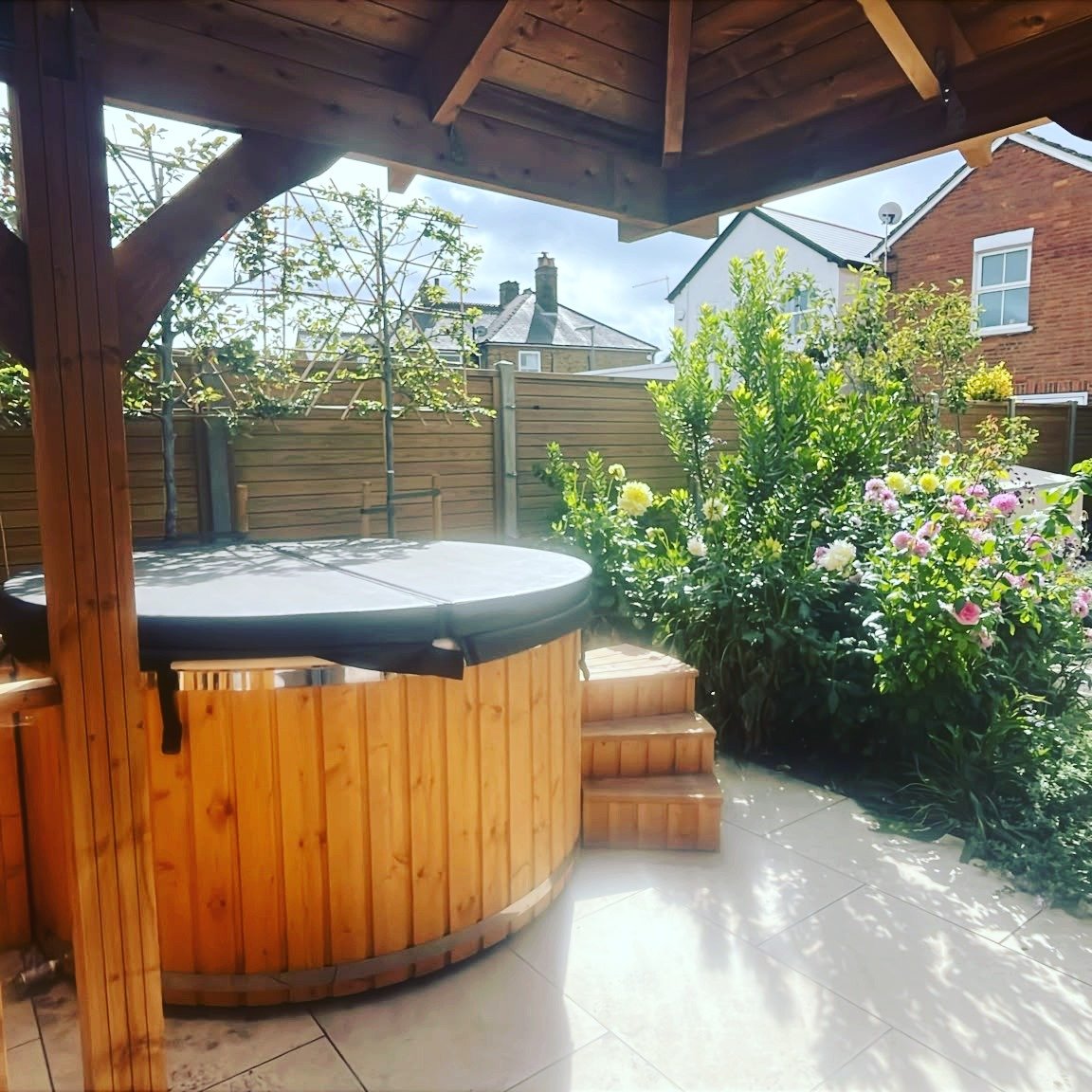
The cover is more than a lid. It reduces air movement and evaporation over the water, limits debris and rainfall entering the vessel and, where the product is designed and certified for it, contributes to security while the tub is not in use. To perform those jobs it must sit in the intended position, remain reasonably dry and match the tub’s diameter or outline.
A cover never replaces adult supervision, and not every cover is a safety cover. Whether it can take a load, how the straps and locks should be used and what wind or snow load is permitted are product-specific questions. Do not allow children or animals to climb or sit on a closed cover.
Choose a dry day and support it correctly
Inspect at the start and end of the main season and after severe wind, heavy snow or an unusual incident. Brush away loose material before opening the tub. Place removable sections on a clean, broad support; do not balance a soft panel on a narrow edge or drag it over rough paving. Point loads can turn a small weakness into a broken core.
For a multi-part cover, assess each segment separately. Take photographs from the same angle if a bow or seam is changing. A comparison over time is more useful than a vague memory that the cover “seems heavier”.
Seven warning signs worth recording
- Unexpected weight: a panel that has become much harder to lift may have absorbed water.
- Permanent bowing: a depression that remains when the cover is dry may indicate a damaged or distorted core.
- Soft areas: local flex can reveal failed internal material. Do not test it with body weight.
- Open seams or tears: these admit water and tend to spread when the cover is moved.
- Persistent musty odour: a smell that remains after surface drying suggests trapped moisture.
- Loose straps or fittings: the cover may no longer stay positioned in wind.
- Poor fit: lifted edges, large gaps or a displaced centre hinge increase heat loss and debris entry.
Check heat loss without pretending one number proves it
Higher fuel or electricity use does not automatically mean the cover has failed. Wind, colder air, longer bathing sessions, more water and a higher target temperature all change demand. Start with observable details: is the cover aligned, does it touch the rim evenly, is the centre joint closed, is the water level so high that it remains in contact with the underside, and does vapour escape from one edge?
Compare the temperature fall over several similar periods with the same starting temperature and cover position. A single cold night is not a controlled test. The existing guide to thermal insulation for hot tubs and outdoor saunas explains why the vessel, pipework, wind exposure and operating pattern matter as well.
| Finding | Likely meaning | Sensible next step |
|---|---|---|
| Surface dirt; core firm and light | Normal use | Clean with an approved method and dry fully |
| Wet outside after rain, then dries | Weather exposure | Improve drainage and temporary storage |
| Persistently heavy and musty | Water may be trapped in the core | Ask the supplier about a correctly matched replacement |
| Torn hinge, broken core or failed strap | Function or handling safety is impaired | Stop loading it and use the specified replacement part |
Clean and dry it without causing new damage
Use a soft brush or cloth for loose dirt. Any cleaner must be compatible with the outer material; harsh solvents, abrasives and stiff brushes can damage the coating, stitching and seals. Rinse away residue sparingly and allow both sides to dry.
For temporary storage, use a wide stable rack. Do not leave a flexible panel on a sharp corner or folded more tightly than its designed hinge. Longer-term storage should be clean, dry, ventilated and protected from distortion. Follow the maker’s instructions if the cover has removable core sections or special vents.
Do not cut the skin, puncture a liner or dismantle a sealed core to confirm waterlogging. First clear surface water and compare handling weight under similar dry conditions. Unexpected weight can have more than one cause; photographs of the seam, hinge and overall shape help the supplier distinguish surface wetting from internal damage.
When a repair is reasonable—and when replacement is safer
A small superficial mark may be repairable only if the manufacturer approves a method and the core is dry and intact. Universal tape is rarely a durable answer: it can trap moisture, loosen in heat and hide a growing split.
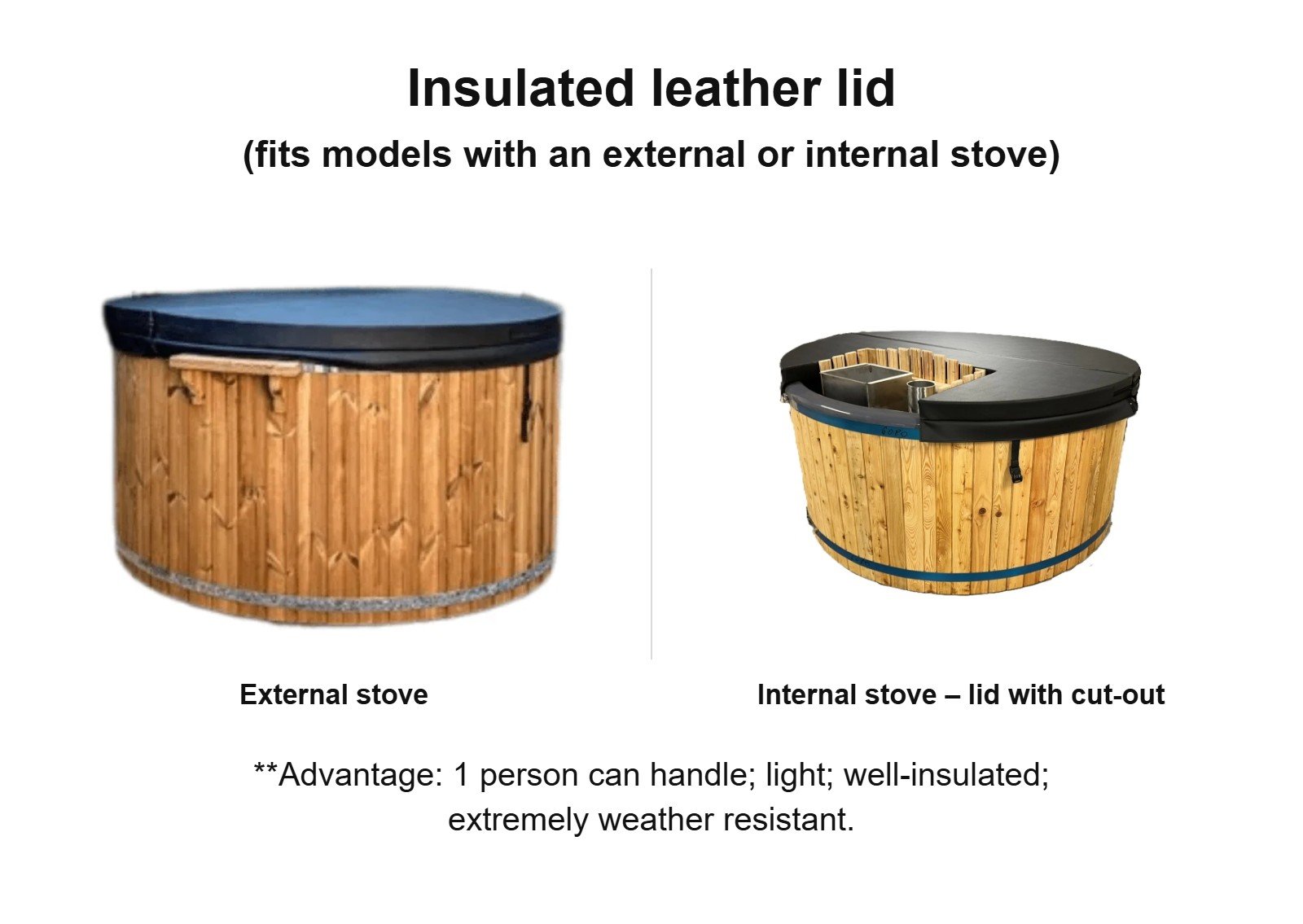
A broken core, widespread water absorption, failed hinge, non-functioning straps or serious misfit normally points to replacement. Do not order from an estimated diameter alone. Record the widest dimensions, outline, corner shape, segment direction, skirt depth and any cut-out around a heater or flue. For an existing TimberIN model, a confirmed model reference is safer than guessing.
Wind, rain and snow
Use the designed straps and fasteners in wind. Bricks, loose timber or other improvised weights can damage the core and become hazards in a storm. Remove snow from a safe standing position with a soft tool; never assume the cover is walkable. Do not attack ice with a sharp object.
For cold-weather operation and shutdown decisions, use the consolidated winter hot-tub care guide together with the manual for the fitted system.
Cover decisions owners commonly face
Why has my hot-tub cover become heavy?
The insulating core may have absorbed water. Assess weight, odour, seams and distortion when the surface is completely dry. Surface drying rarely restores a core that is saturated internally.
Should the cover touch the water?
That depends on its construction and the specified fill level. Continuous contact caused by overfilling can affect the material and hygiene. Follow the water-level mark and product instructions.
Can I stand on the cover to clear snow?
Do not stand on an ordinary hot-tub cover. Clear snow from stable ground with a soft tool, following the cover maker’s instructions. Do not infer load capacity from its thickness, appearance or straps.
How do I measure for a replacement?
Use the supplier’s measuring guide and record the full outline, maximum outside dimensions, corners, cut-outs and fold direction. Confirming the model and production details is preferable to relying on one diameter.
Cover, weather and heat-loss references
- The handling, load, restraint and maintenance instructions supplied with the fitted cover.
- Health and Safety Executive: avoiding unnecessary work at height, relevant to the principle of clearing snow from a safe position rather than standing on an unverified cover.
Permitted loading, locking method, cleaning products and replacement dimensions are specific to the fitted cover. Confirm them with its documentation or supplier.