
Before changing a sauna setting, write down exactly what has changed: heating time, a damp corner, the door movement or a fault message. That record helps separate a room problem from a heater problem. Some symptoms allow a cold visual check; smoke leakage, electrical faults and a blocked exit require the sauna to stay out of use.
Many of the checks below start at the heater, so keep our sauna heater guide to hand; the details of each cabin are on our outdoor saunas pages.
| Symptom | First evidence to collect | Who may need to act |
|---|---|---|
| Slow or uneven heating | Outside temperature, warm-up time, heater behaviour, stone condition, door fit and vent positions | Owner inspection, then heater/installation specialist |
| Persistent condensation or musty smell | Drying routine, blocked vents, roof staining, cold corners and drainage | Sauna supplier or building-envelope specialist |
| Door rubs or will not close | Base level, frame movement, hinge condition and recent moisture/weather | Installer or joinery technician |
| Repeated electrical tripping | Which function triggers it, moisture evidence and fault history | Competent electrician; do not keep resetting |
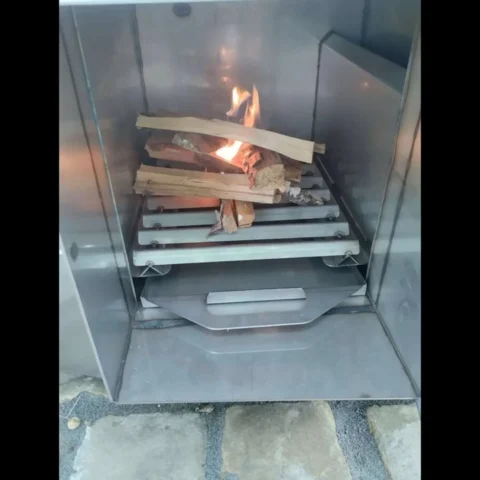
| Smoke or poor wood-heater draught | Fuel, flue condition, combustion air, weather and door/vent state | Qualified stove/flue professional |
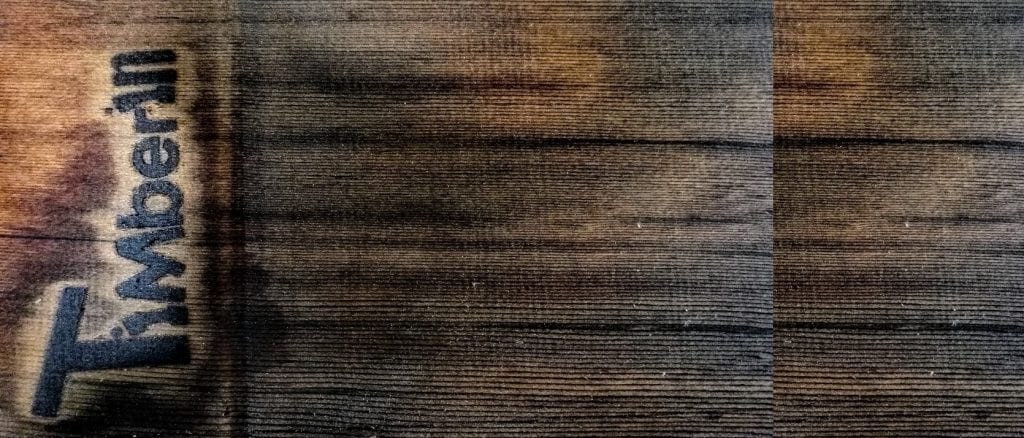
| Dark timber near heater | Clearance, guard, mounting, stones and heat pattern | Stop use; heater installer/manufacturer |
Slow heating: separate heat input from heat loss
Compare the same outside temperature, starting cabin condition and heater setting. Check that the heater is approved for the finished room volume and glazing, that electrical supply or dry fuel is normal, and that stones are placed as specified. Crumbled, compacted stones can restrict airflow; a damp cabin also consumes energy before the air feels hot.
Then inspect losses: door fit, unintended gaps, glazing, ceiling and the base. Keep vents in their designed operating positions. Blocking ventilation to force a higher reading can conflict with heater cooling, combustion air, air quality and drying.
Condensation: decide whether it clears or persists
Warm humid air meeting cold glass can produce short-lived condensation, especially in winter. The concern is water that remains after the prescribed drying cycle, returns from a roof or wall leak, or repeatedly collects in one hidden area. Map the dampness before cleaning it away.
Clear the designed vents, remove wet items, use residual heat as instructed and keep the room in its drying mode until surfaces are dry. If one corner stays wet, inspect rain entry, flashing, insulation continuity, ground drainage and the airflow path. Coating damp timber or adding a fragrance hides evidence and delays the real repair.
A moving door may be a base warning
Timber and seals respond to heat and humidity, so modest seasonal adjustment can be normal. Before altering hinges, check whether the threshold is level, the frame is square and the base is supported. Repeatedly planing a door while the foundation settles treats the symptom and can create a permanent gap when the cabin dries.
Inspect hinge screws, handle, latch and glazing restraints. The door must open freely without a locking arrangement that could trap a user. Replace only with heat-compatible parts specified for the sauna.
Heater stones can explain several symptoms
Cracked stones settle and reduce air space. Electric elements may then run in poor airflow, while water behaves differently on the compacted surface. With the heater fully cold and isolated, follow its manual for inspection, restacking and replacement. Use only the specified stone type and size; do not pack stones tightly around elements.
On wood heaters, also inspect ash, airways and the flue through the approved maintenance route. Wet fuel, a blocked flue or insufficient combustion air should not be compensated for by leaving the stove door open or altering the cabin ventilation.
Electrical faults need diagnosis, not a larger breaker
Note which control or stage triggers the fault and whether it follows cleaning, rain or a long idle period. Do not open enclosures, bypass protection or replace a protective device with a different rating. A competent electrician and the sauna/heater technician need the model documents, circuit information and fault history.
Exterior decay begins with water staying where it should not
Inspect roof edges, chimney flashing, lower boards, corners, fixings and the interface with the base. Keep vegetation and soil away, direct surface water outwards and maintain ventilation around the structure. A peeling coating may indicate an incompatible finish or moisture behind it; identify the wetting route before refinishing.
Create a repeatable fault record
Send the supplier the cabin and heater model, serial label, order reference and manual revision. Include one photograph of the whole room and close views of the symptom, plus the date, weather, starting condition, settings, vent positions and recent maintenance. Photograph only safely accessible labels; do not remove an enclosure to obtain one.
For slow heating, add the time and temperature readings from the last normal session if available. For moisture, mark the first wet location and whether it followed bathing or rain. For a door, show its gap and base condition without forcing it.
Repeat observations only where the system is safe to operate. A fault involving smoke, a trip, scorching, damaged glass or unstable structure must be assessed before another test. Record the technician’s correction and the next normal session; do not clear a safety fault by trial and error.