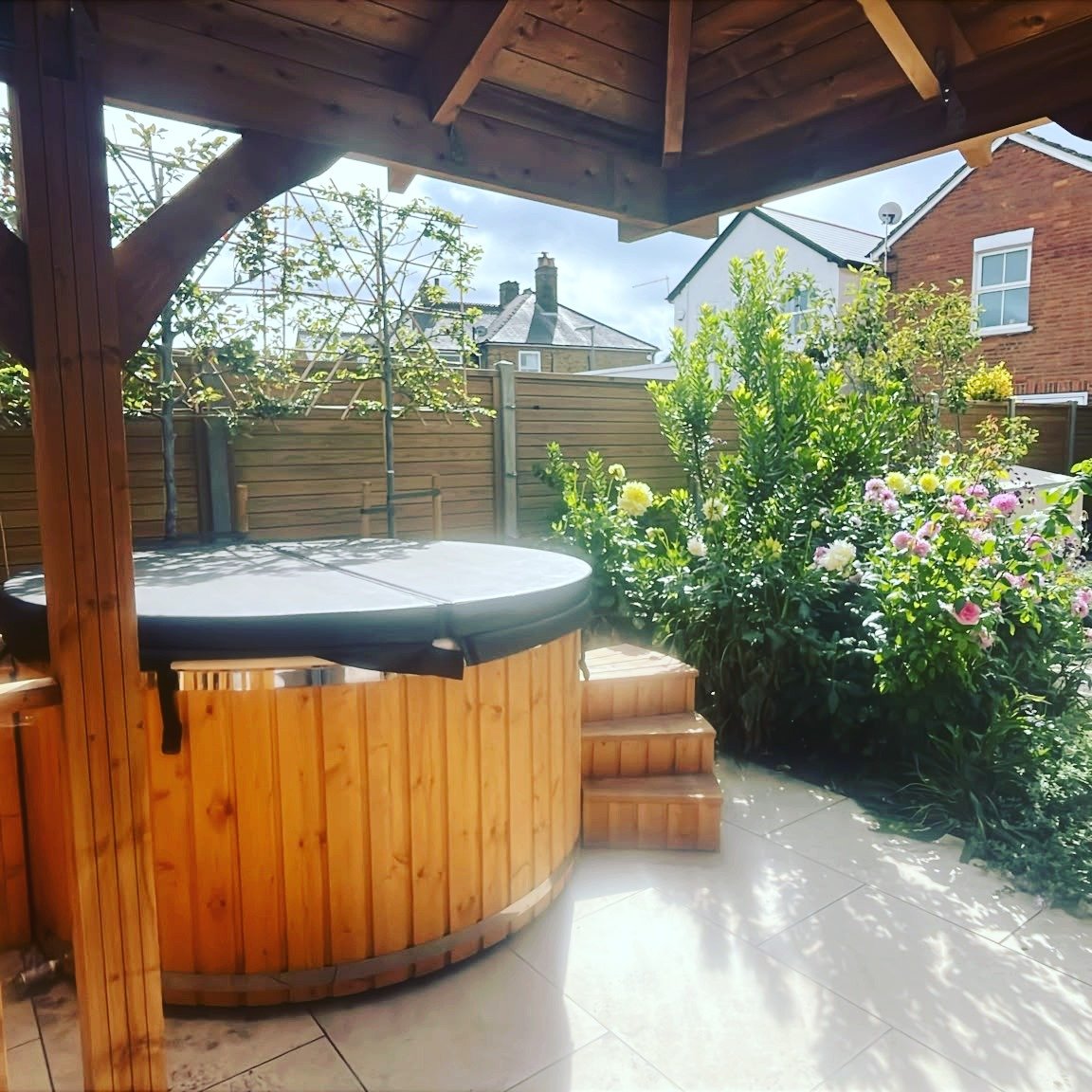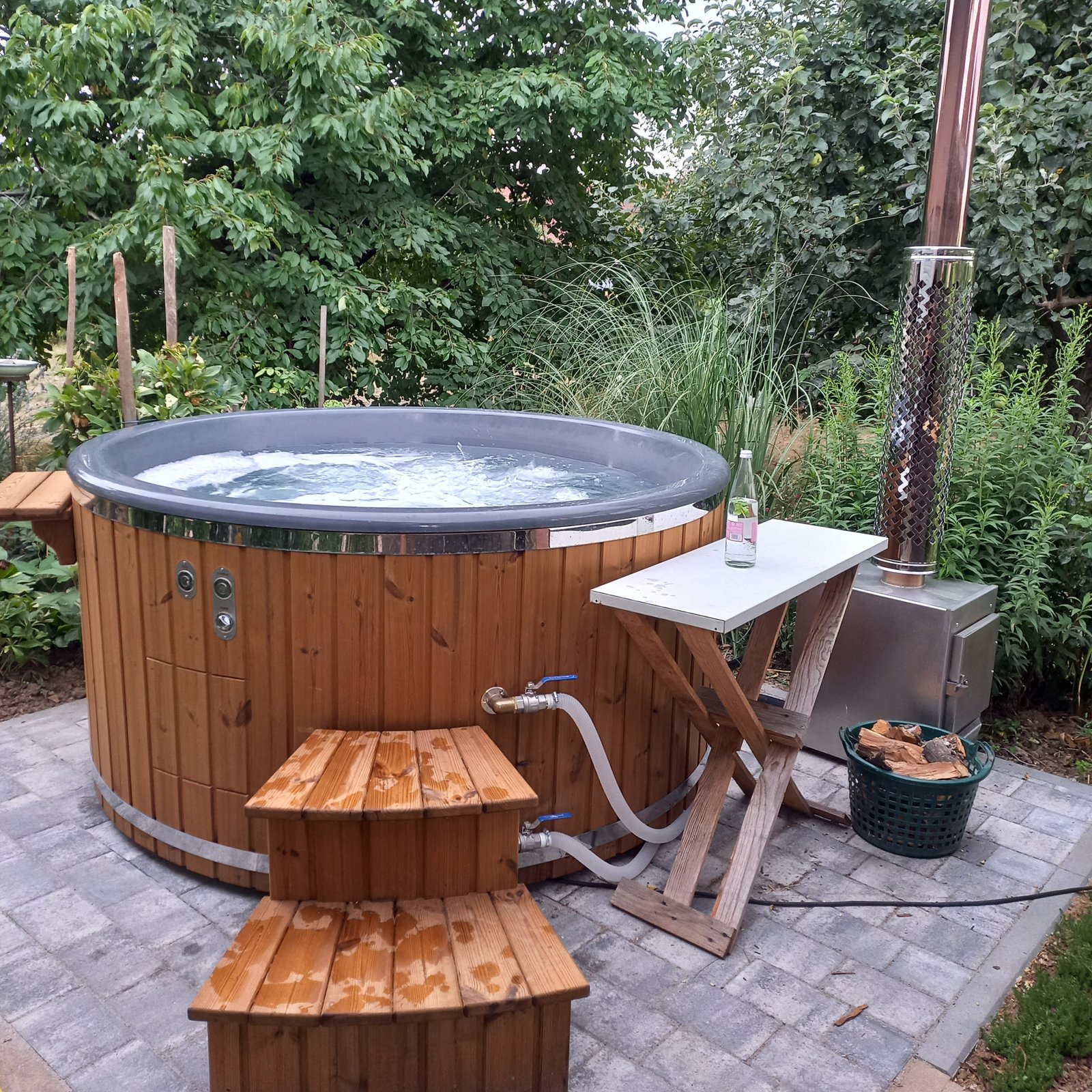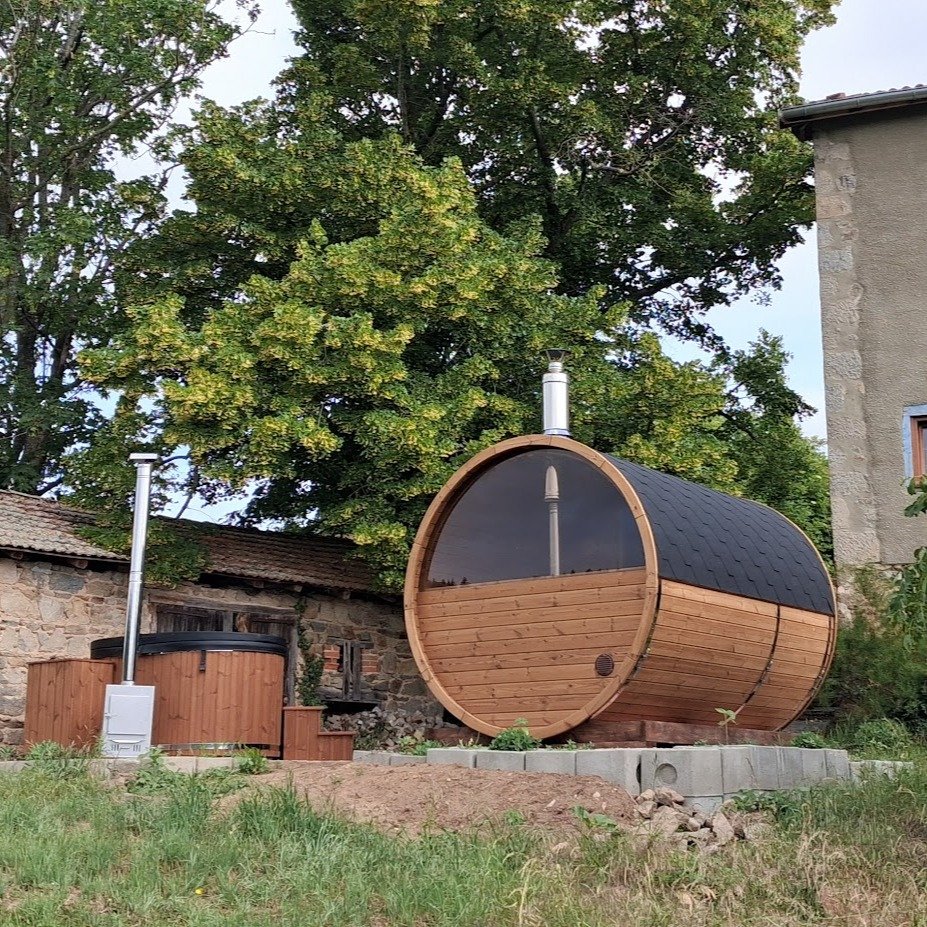


A hot tub that has been unused for a week or two deserves a controlled restart, not an immediate fire or a handful of chemicals. Standing water, a loosened union, a blocked suction point or a dirty filter is easier to find while the equipment is cold and the area around it is dry. This checklist takes you from the first look beneath the cover to a supervised first heating cycle.
Why the order of checks matters
A covered hot tub can look unchanged after a holiday, yet small conditions may have developed out of sight. Rainwater may be sitting in a cover fold, leaves may have reached an opening, or a union that was only finger-tight may begin to drip as the water level rises. If water remained in the system, the surface of the tub is only part of the inspection: low points in the plumbing, the filter housing and the heater circuit matter as well.
The useful order is simple: look first, clean second, fill slowly, establish circulation and heat last. If you find frost damage, a split hose, a deformed fitting, a scorched electrical component, unexplained odour or a damaged heater seam, keep the system off until the cause has been assessed by the manufacturer or an appropriately qualified professional.
1. Clear the cover before opening it
Remove leaves, twigs and standing rainwater from the closed cover so that they do not fall into the vessel. Check hinges, straps, seams and the shape of the insulating core. A cover that has become unusually heavy, permanently bowed or persistently musty may have taken on water. That makes it less effective and more awkward to handle safely. The separate guide to hot-tub insulation and heat loss explains why fit and moisture matter.
Inside the tub, look for staining, deposits, foreign objects and damage to the liner or timber. Use a soft cloth and only a cleaner permitted for the actual wet-side material. Abrasive pads can mark acrylic, polypropylene and fibreglass surfaces; mixing cleaning products can create a separate hazard. The product manual takes priority over generic cleaning advice.
2. Decide what to do with any water left behind
Separate three situations before deciding the next step.
- Drained storage: inspect the vessel and every accessible low point. An empty tub does not prove the heater, filter housing and pipework were drained or remained frost-free.
- Water retained under a documented care routine: review the actual treatment and circulation records, then test the parameters required by that system. Clarity and smell are observations, not proof of safe water.
- Unknown or interrupted water care: keep bathers out. Use the equipment maker’s recommissioning procedure, including the pipework and filter, rather than guessing a chemical dose or simply reheating the old water.
Where draining, cleaning and refilling are required, first make sure the heater is completely cold and the disposal route is suitable. A fresh fill alone does not clean contaminated plumbing. Do not mix cleaning products or improvise a disinfectant concentration.
HSE spa-pool guidance includes domestic-type tubs used in business activity. Holiday accommodation needs its documented risk assessment and operating controls; this private-owner restart sequence does not replace them.
3. Inspect pipe connections, filter and heater while cold
Follow the visible water route from the vessel to the equipment. Look for cracks, displaced seals, damp marks, animal damage, kinked hoses and unions that have moved. Do not force plastic unions tighter: excess force can distort a seal or damage a thread. Confirm that valves needed for normal operation are in the position stated by the system instructions and that suction and return openings are unobstructed.
Remove a serviceable filter only as described by its manufacturer. Replace a split, distorted or permanently contaminated element rather than trying to rescue it. Sand filters and other media systems have their own venting, backwash and start-up sequence; do not assume the procedure for a cartridge filter applies.
With a wood-fired heater completely cold, inspect the firebox, door, air inlet, flue and visible water connections. Ash must be fully cold before removal. Significant corrosion, a damaged weld or an uncertain heater connection needs competent assessment before the stove is used. For the normal pipe arrangement, see the guide to connecting an external wood-fired hot-tub stove.
4. Prepare clean equipment and fill slowly
Before filling, have a clean hose, the correct water-test method, a bucket, soft cloths and the current product instructions ready. Do not use a hose that has carried wastewater, garden chemicals or other unsuitable liquids. Flush out water that has been standing in the hose before placing it in the tub.
Fill gradually and watch the areas you inspected. Dry tissue placed beneath a union can reveal a small fresh drip without opening the fitting. Stop filling if a leak appears; dealing with it at a low water level is safer and less wasteful than allowing the vessel and pipework to become fully loaded.
5. Confirm water level and circulation before heating
The safe operating level depends on the model, the height of the connections and the heater arrangement. Follow the product instructions rather than copying a level seen in a photograph. A water-carrying wood stove must be completely flooded and have a free water path before a fire is lit. A pump must not run dry. If the system specifies a venting or priming sequence, complete it in that order.
| Check | Normal finding | If it is not normal |
|---|---|---|
| Visible connections | Dry, aligned and free from cracks | Stop filling and identify the fault |
| Suction and return | Clear, with an even water flow | Switch off; check water level, valves, filter and trapped air |
| Pump | Stable sound and flow typical of the model | Stop immediately if it only hums, runs dry or leaks |
| Wood heater | Cold, flooded and connected to a free water circuit | Do not light it until the safe condition is confirmed |
| Water | Clear and within the treatment limits for the system | Test and correct according to the treatment and equipment instructions |
6. Re-establish water care from measurements
Fresh tap water is not automatically ready for bathing, and apparently clear stored water is not automatically suitable either. Test the parameters required by your treatment system and record the result. Adjust only with products compatible with the liner, heater, seals and filter, following the label and equipment guidance. Keep bathers out until the system is operating correctly and any treatment is fully distributed.
The article on hot-tub water-care options explains the roles and limits of common systems. A privately used family tub and a hot tub supplied as part of a business are not governed by the same operating context. HSE spa-pool guidance specifically covers domestic-type hot tubs used in holiday accommodation, displays and other business activity.
Before the first heat, record the date, storage condition (full or drained), water test results, filter condition, cold leak check and the person completing the checks. Use the test method and permitted ranges specified for the actual water-care system. If a required reading cannot be obtained or a result is outside its range, bathing remains on hold.
7. Supervise the first heating cycle
Stay near the system during its first run. Recheck the visible connections, water flow and any unfamiliar sound after a few minutes. Use only suitable dry fuel in a wood-fired heater, and control the fire according to its manual. There is no honest universal warm-up time: water volume, starting temperature, wind, cover performance, circulation and useful heater output all affect it.
Note the start time, starting water temperature and anything unusual. Those details make a later change easier to diagnose. If you smell scorched electrics, see smoke escaping where it should not, lose circulation or find a new leak, shut down safely and follow the model’s fault procedure. Never drain a tub in an attempt to cool a burning water-carrying stove.
Restart checklist
- Clean the outside of the cover and inspect its condition.
- Inspect the vessel, drain and accessible wet-side surfaces.
- Assess stored water from treatment records, tests, clarity and odour.
- Check visible pipework, filter, valves and heater while cold.
- Prepare a clean filter, hose and suitable test equipment.
- Fill slowly while watching every accessible connection.
- Confirm the specified water level and unrestricted circulation.
- Test and adjust water according to the approved treatment method.
- Start equipment or heater only in the sequence stated for the model.
- Supervise the first run and keep a short written record.
Restart questions before the first heat
Must I replace the water after every holiday?
Not automatically. Consider the length of the pause, whether circulation and treatment continued, recorded test results, clarity, odour and filter condition. If the water-care history is unknown or control was lost, keep users out and follow the system’s recommissioning instructions, including plumbing and filtration. Do not decide from clarity alone.
Can I light the wood stove while the tub is filling?
No. A water-carrying stove must not be used until the specified water level has been reached, the heater circuit is completely flooded and free circulation has been confirmed. Follow the heater manual.
What if the pump only hums after the break?
Switch it off. Without opening electrical parts, check water level, valve positions, filter condition, suction path and whether air is trapped in the system. If the fault remains, arrange a competent diagnosis.
When can people use the hot tub again?
Only when the system is watertight and operating normally, the water is clear, required measurements are within the permitted range and any treatment has been applied and circulated according to its instructions.
Commissioning references
- Health and Safety Executive: spa-pool systems
- Health and Safety Executive: systems and conditions associated with legionella risk
- The operating, filling and fault instructions supplied with the selected hot tub, heater, pump and filter.
This article is a general inspection and maintenance aid. The operating manual, technical data and written specification for the selected system take priority. Business operators must complete the risk assessment and control duties that apply to their premises and users.