
Wood Fired Heaters for Hot Tubs – How They Work, Types & Buying Guide
Wood-fired heaters are a traditional and efficient way to heat a hot tub using natural firewood. In this guide, we explain how wood-fired hot tub heaters work, the difference between internal and external stoves, running costs, safety considerations, and how to choose the right option for your setup. Each model is designed for efficient heating, safe operation and long-term outdoor use.
Looking to buy a complete hot tub system?
View TimberIN® Wood Fired Hot Tubs

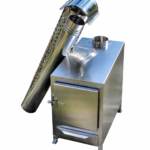

Wood Fired Heaters for Hot Tubs
Start here
What Is a Wood Fired Heater for a Hot Tub?
A wood fired heater for hot tub use is a purpose-built stove that heats water by burning logs inside a sealed fire chamber. Heat transfers into the water as it circulates through the heater system, gradually raising the temperature to comfortable soaking levels. In many setups, circulation is supported by natural convection, which means the system can work without pumps and without being connected to the electrical grid.
Compared with electric heaters, wood fired systems are valued for their simplicity and reliability. They are an excellent option for countryside properties, glamping sites or anyone who wants to reduce running costs while keeping that authentic wood-heated outdoor feel. A well-chosen hot tub wood burner can also offer impressive warm-up performance when used with seasoned firewood and a well-insulated tub cover.
Internal vs External Wood Stoves
Choosing between an internal or external stove is one of the most important decisions when selecting a wood stove for hot tub heating. Both options can be highly effective, but they suit different priorities—space, comfort, safety and ease of operation.
Internal Wood Stoves for Hot Tubs
An internal wood stove for hot tub use is installed inside the tub, typically with a safety guard. This compact approach keeps the overall footprint small and can deliver fast heat transfer into the water. Internal stoves are often chosen where space around the tub is limited or when you want a neat all-in-one design.
Internal stoves can be especially practical for smaller tubs, where a compact layout and quick warm-up are the main goals. They are also popular for garden installations where you want to keep the tub and heating system integrated into one clean silhouette.
External Wood Stoves for Hot Tubs
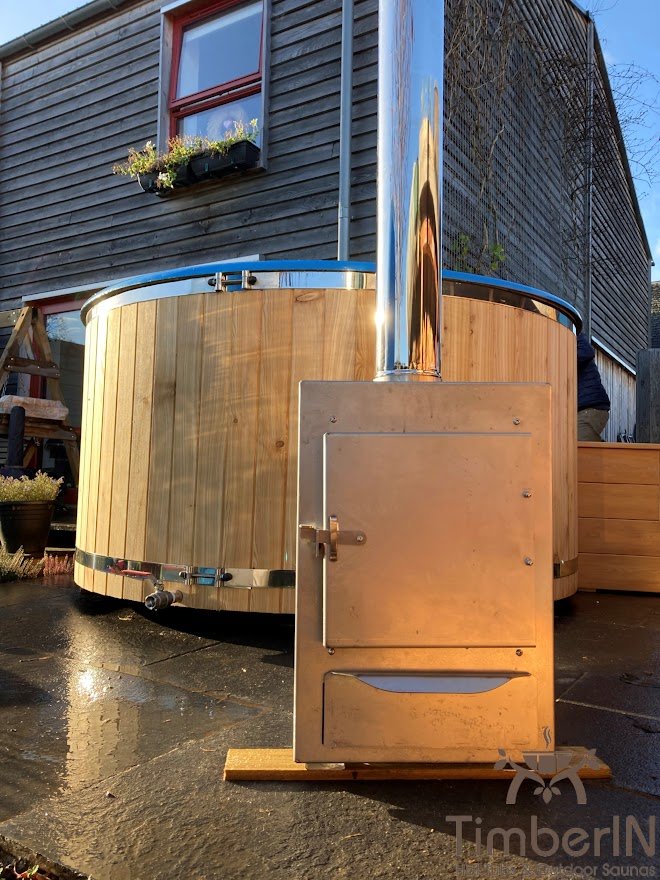
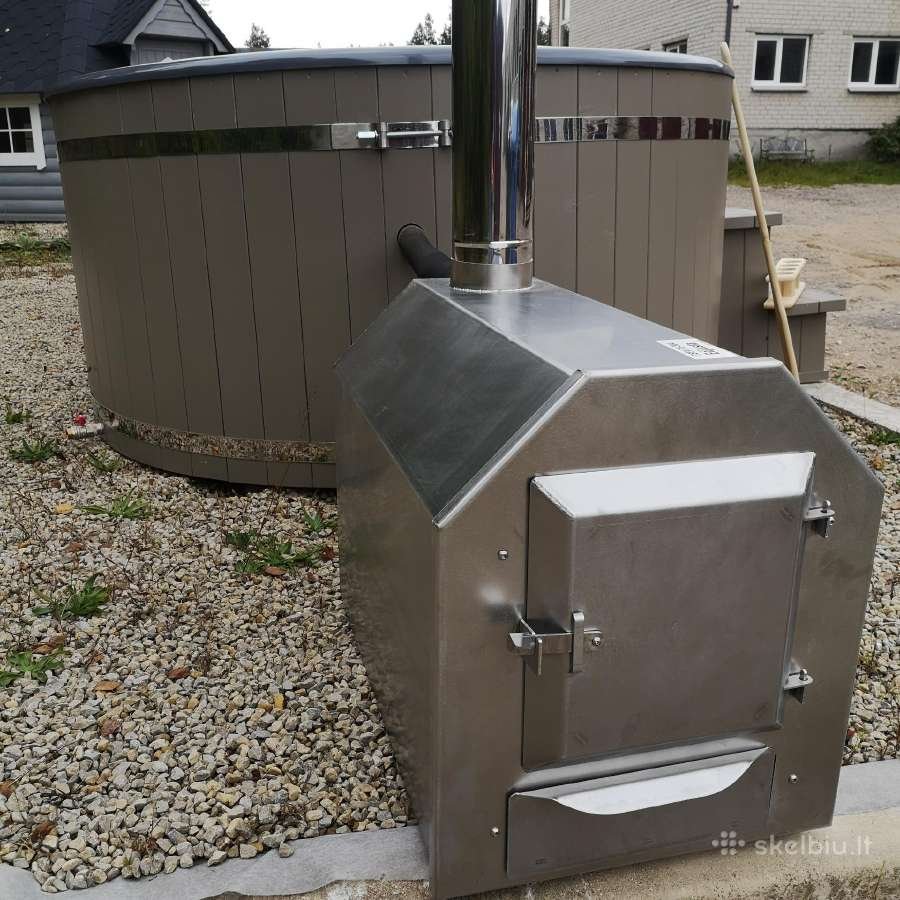
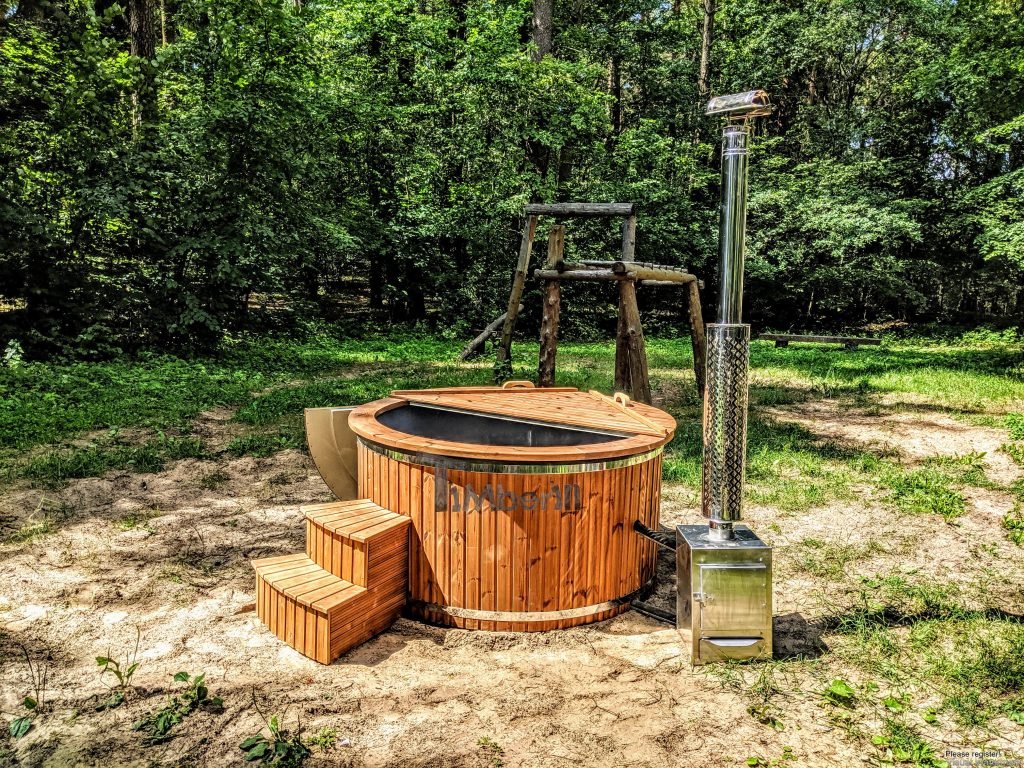
An external wood stove for hot tub setups is positioned outside the tub and connected via pipework. This design offers more internal seating space and keeps the fire chamber fully outside the bathing area. For many users, external heaters feel more convenient: adding wood is easier, access is clearer and the bathing area remains completely open.
External stoves are a strong choice for families, social hot tubs and holiday rentals, where comfort and safety are priorities. They also make it simpler to manage ash and cleaning, since the main heating components are outside the tub.
How Efficient Are Wood Fired Hot Tub Heaters?
Heating speed and efficiency depend on the stove design, the size of the tub, outdoor temperature, wind exposure and water volume. However, a high-quality log burner for hot tub heating can raise water temperature efficiently when paired with the right habits and accessories.
To improve heat-up time and reduce wood consumption, focus on three fundamentals:
- Use seasoned firewood (dry wood burns hotter and cleaner).
- Use a well-fitting cover during heating and between sessions to reduce heat loss.
- Keep the tub insulated (especially the bottom and side walls) for improved heat retention.
In practical UK conditions, good insulation and a quality cover often make a bigger difference to running costs than anything else. Many owners are surprised how much faster a tub heats when heat loss is reduced—especially on breezy days.
Choosing the Right Wood Stove for Your Hot Tub
The best wood stove for hot tub heating is the one that matches how you plan to use your tub. A private garden installation might prioritise compact design, while a rental property may prioritise safety, clear user guidance and durable components.
Consider these practical factors before choosing:
- Tub size and capacity – larger volumes need more heating power for efficient warm-up.
- Internal space vs external footprint – internal stoves save external space; external stoves save seating space.
- Ease of adding wood – external stoves often feel simpler for day-to-day use.
- Maintenance access – ash cleaning and inspection should be straightforward.
- Safety – especially for families and holiday lets, guards and clear installation matter.
If you want the most comfortable bathing area, an external heater is usually the best choice. If you need the most compact overall installation, an internal stove can be ideal.
Materials & Build Quality – What to Look For
A wood-fired heater is exposed to intense heat cycles and outdoor weather, so build quality is essential. The most reliable hot tub wood burner models are constructed from durable, corrosion-resistant metals and designed to handle long-term exposure to water treatment chemicals and changing temperatures.
When comparing models, focus on:
- Stove body thickness and weld quality for longevity under repeated heat cycles.
- Corrosion resistance for real-world outdoor use and treated water.
- Safe loading design to reduce sparks and improve user comfort.
- Stable mounting and reliable connections for consistent circulation and safety.
Investing in a better-built heater typically pays back through fewer maintenance issues, more consistent heating and greater confidence for year-round use.
Chimney & Flue Considerations for UK Installations
A chimney and flue system supports safe airflow and stable burning. While each installation is unique, the guiding principle is simple: the system must be installed safely, with clearances respected and components securely fitted.
For external heaters, access to the chimney is often easier, while internal heaters may require extra attention to guards and user safety. If your tub is used commercially (for example, in a holiday rental), clear user instructions and safe access become even more important.
If you’re unsure about the ideal setup for your site, choose a configuration that prioritises safe access and robust installation, especially in windy locations where airflow can vary.
Running Costs & Everyday Practicality
One of the biggest advantages of a wood fired heater for hot tub use is low running cost. Firewood is often more economical than electricity for large volumes of water, and many UK customers appreciate the ability to heat their tub without relying on peak-time electricity pricing.
For smoother ownership, plan a simple routine:
- Keep seasoned wood stored dry and ready.
- Use a cover during heating to retain heat.
- Clean ash regularly for better airflow and efficient burning.
- Check connections and fittings periodically, especially after winter.
With the right setup, a wood fired heater becomes a practical, repeatable routine—light the fire, relax, and enjoy the calm ritual of outdoor bathing.
Internal Wood Stove for Hot Tub: Who Is It Best For?
An internal wood stove for hot tub installations is a strong choice when you need a compact solution. It suits smaller gardens, tighter footprints and buyers who prefer an integrated design. If you want a neat, minimal outdoor layout, internal heating can be an excellent match.
It’s also a popular option when the tub itself is small or medium-sized and the priority is achieving efficient heating without expanding the footprint around the tub.
External Wood Stove for Hot Tub: Who Is It Best For?
An external wood stove for hot tub installations is ideal for users who want maximum comfort and seating space. The bathing area remains fully open, and the stove can be accessed easily for adding wood and cleaning. For social tubs, family use or properties where different guests may use the tub, external stoves often feel like the most user-friendly option.
External stoves are also a natural fit for larger tubs, where keeping the entire interior free for seating makes the experience noticeably more premium.
Safety Tips for Wood Burning Hot Tub Stoves
Safety matters with any live-fire heating system. A properly installed wood burning stove for hot tub use should always be operated with care, especially when children are present. Use protective guards where required, keep clear access around the stove, and ensure users understand basic operating steps.
- Never leave the stove unattended for long periods during initial heating.
- Use appropriate tools for adding wood and removing ash.
- Keep flammable items away from the stove and chimney area.
- Use a quality cover when the tub is not in use to protect water and retain heat.
For holiday rentals, clear instructions and a user-friendly configuration can significantly reduce misuse and support consistent guest satisfaction.
Delivery & Choosing the Right Model
When selecting a wood stove for hot tub heating, the best approach is to match the heater to your tub size, your site constraints and how you plan to use the hot tub. Internal stoves are excellent for compact footprints; external stoves are often preferred for comfort and ease of operation.
Explore the internal and external heater models below to find a durable, efficient solution designed for long-term outdoor use. If you’d like help choosing the best heater configuration for your specific hot tub, consider your user profile (private home vs rental), seating expectations and the space available around the tub.
Frequently Asked Questions About Wood Fired Hot Tub Heaters
How does a wood fired heater for a hot tub work?
A wood fired hot tub heater works by burning logs inside a sealed stove chamber. As the fire heats the metal body of
the stove, water circulates through or around it, gradually increasing the temperature of the hot tub. Many systems
rely on natural convection, meaning they can operate without pumps or electricity.
What is the difference between an internal and external wood stove?
An internal wood stove is installed inside the hot tub and is protected by a safety guard. It offers a compact design
and fast heating. An external wood stove is positioned outside the tub and connected via pipework, providing more
seating space inside the tub and easier access for adding wood and cleaning.
Which wood stove is better for a small garden?
For smaller gardens or limited spaces, an internal wood stove is often the better choice because it keeps the overall
footprint compact. External stoves are better suited when space allows and when comfort, safety and ease of access are
higher priorities.
How long does it take to heat a hot tub with a wood fired heater?
Heating time depends on the size of the hot tub, outdoor temperature, wind conditions and the quality of firewood.
On average, a wood fired heater can heat a hot tub in around 1.5 to 3.5 hours. Using seasoned wood and an insulated
cover can significantly reduce heating time.
Are wood fired hot tub heaters expensive to run?
Running costs are generally low, especially if firewood is readily available. Compared to electric heaters, wood
fired hot tub stoves offer excellent value for heating large volumes of water and are popular with off-grid and
eco-conscious users.
Is a wood burning stove for a hot tub safe?
Yes, when installed correctly and used responsibly. Safety guards, proper clearances and correct chimney installation
are essential. External stoves are often preferred for family use and holiday rentals, as the fire chamber is kept
completely outside the bathing area.
Can I use a wood fired heater in winter?
Wood fired hot tub heaters are well suited for year-round use, including winter. Cold outdoor temperatures often
enhance the bathing experience. Proper insulation, a well-fitting cover and frost-safe installation help ensure
reliable winter operation.
Do I need electricity to run a wood fired hot tub heater?
No. Most wood fired heaters operate without electricity, relying on natural water circulation. This makes them ideal
for remote locations, countryside properties and off-grid installations.
What type of wood should I use in a hot tub stove?
Seasoned hardwood is recommended for best performance. Dry wood burns hotter and cleaner, producing less smoke and
ash. Avoid using wet or treated wood, as this reduces efficiency and can damage the stove over time.
Can wood fired hot tub heaters be used in holiday rentals?
Yes, wood fired heaters are commonly used in holiday lets and glamping sites. External stoves are often preferred in
these settings due to their ease of use, improved safety and clear separation between the fire and bathing area.