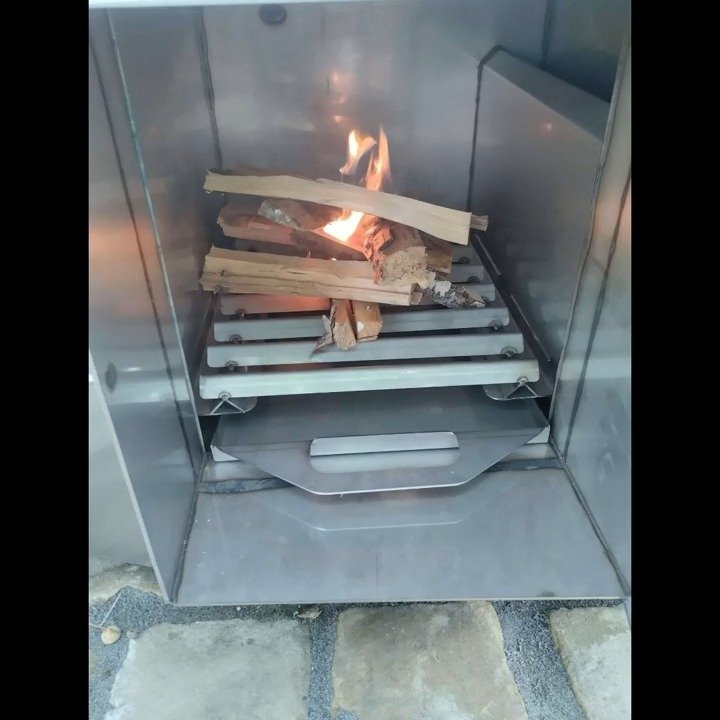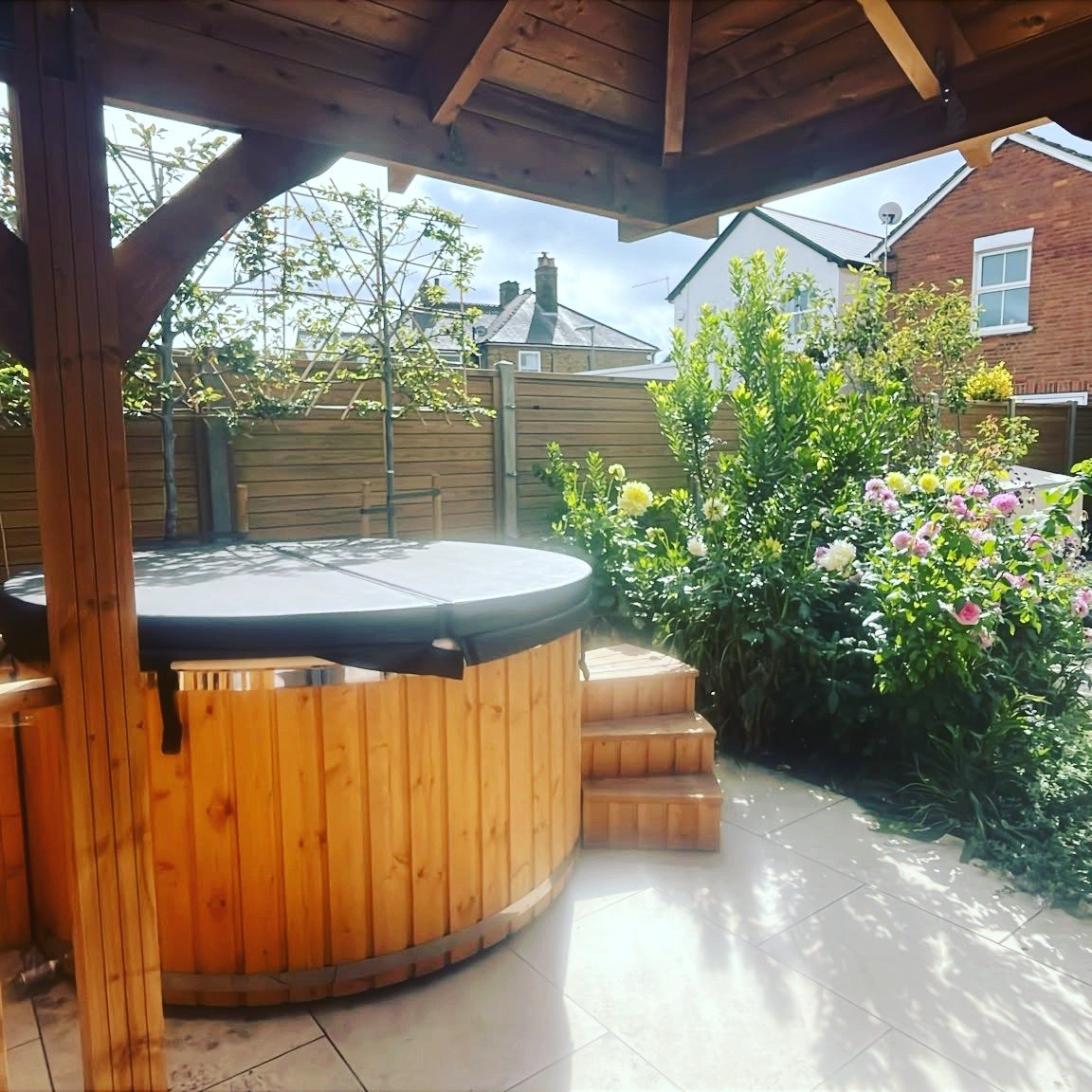

Charles — London, United Kingdom
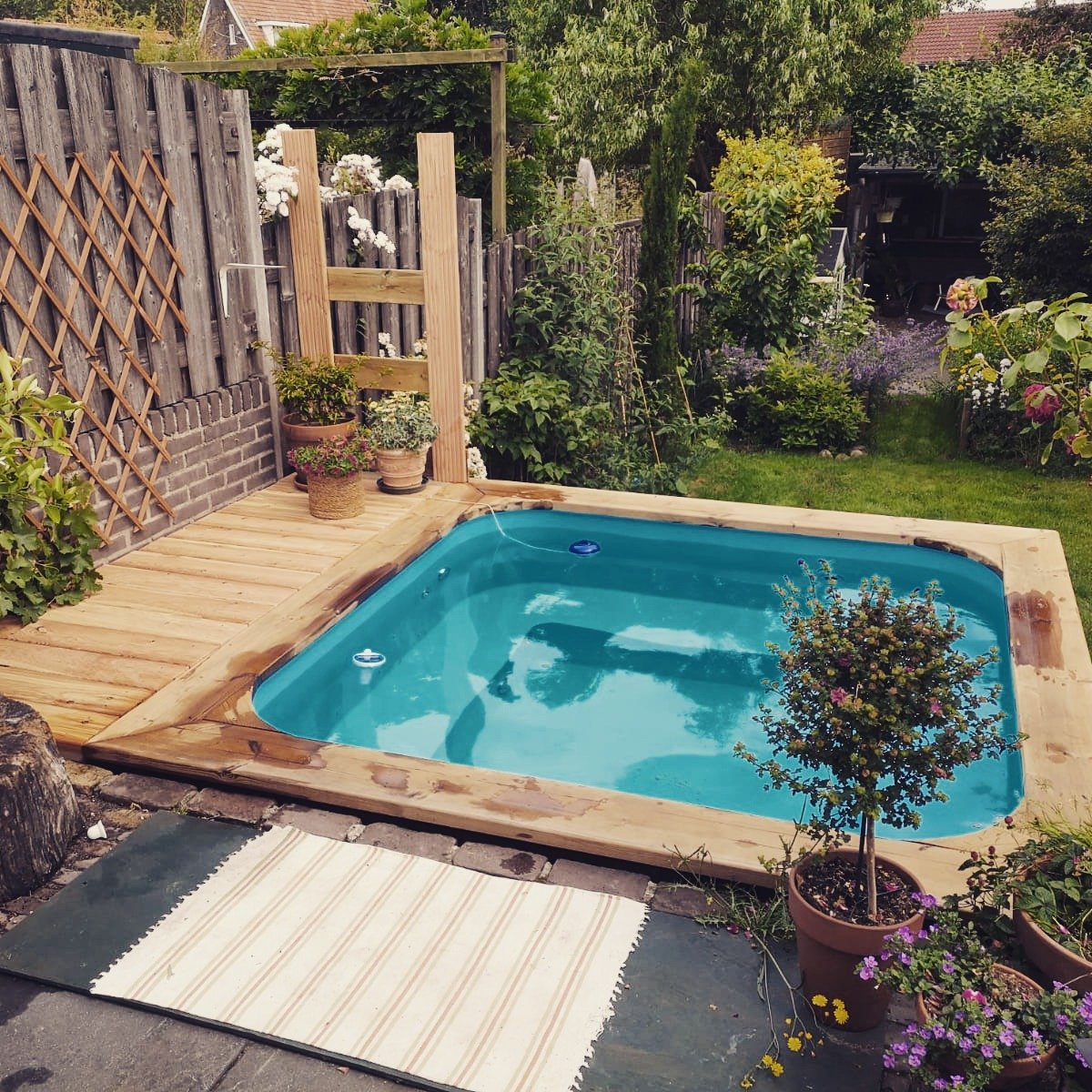
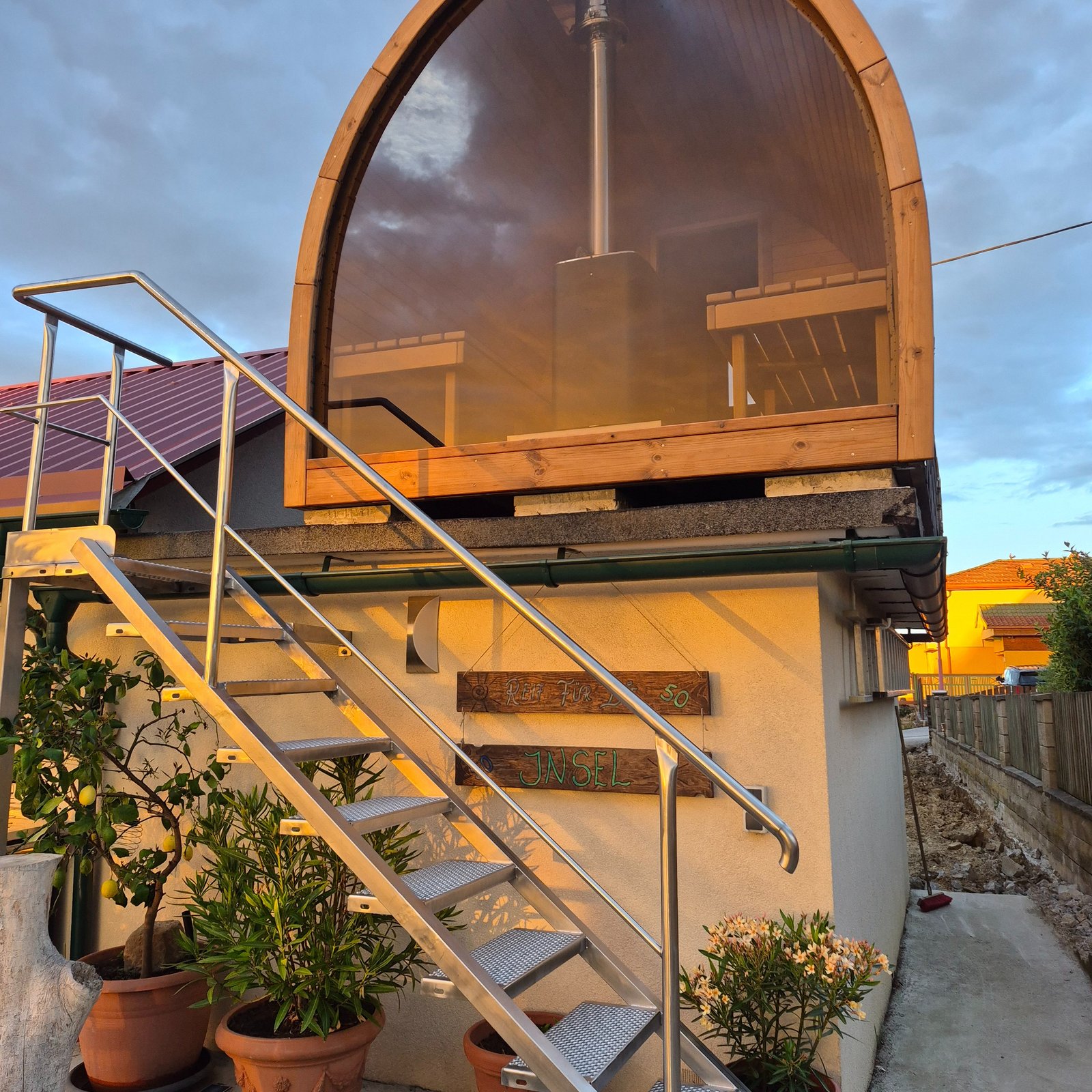
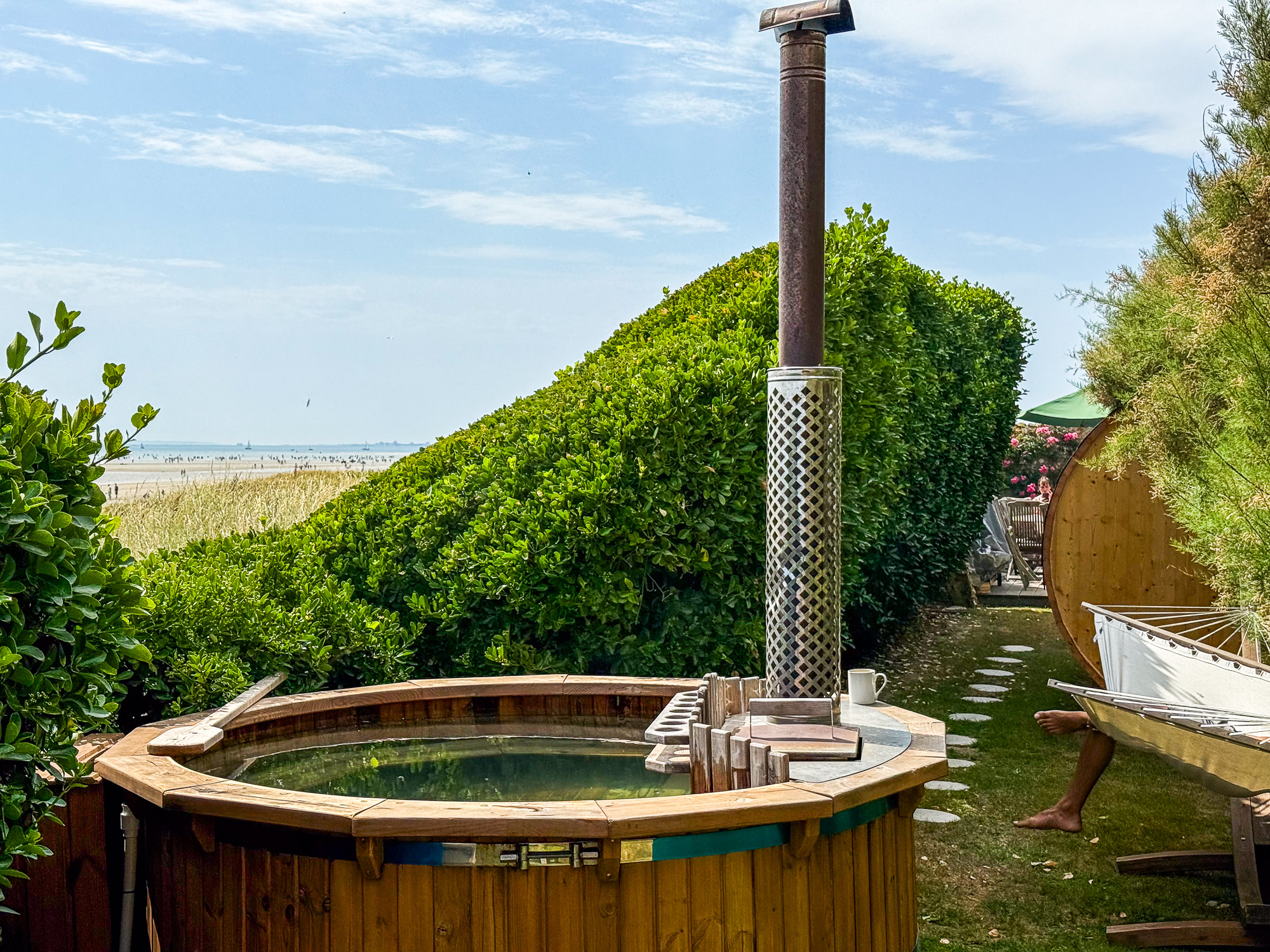
Review and installation photos →Hi, you can see the hot tub in these pics at our retreat.
A practical shortlist, not a league table
Start with the people, site and heating routine. Then compare the configurations that meet those requirements.
This guide compares TimberIN’s own range and does not claim independent testing. Use the model examples and buying criteria to separate useful features from compromises you would rather avoid.
From our customers
Customer projects matched to the products listed on this page. Earlier specifications and selected options may differ.
Customer projects from United Kingdom.
Review and installation photos →Hi, you can see the hot tub in these pics at our retreat.

Hi Albertas, as promised, I’ve attached some photos of our Hot Tub. We’re not on Facebook or the other social media platforms, but we’re happy for you to use any you might want for your website. It arrived Friday morning…
Hi Albertas, as promised, I’ve attached some photos of our Hot Tub. We’re not on Facebook or the other social media platforms, but we’re happy for you to use any you might want for your website. It arrived Friday morning 4th April and we were in the water and enjoying it on Saturday evening. We’ve been in it every night since! A big thank you to you and your team. The specification is exactly as planned, and the workmanship is excellent. You might welcome some feedback on a couple of relatively minor issues, which I hope you will find helpful. We only received 4 pictures of the hot tub, but in all honesty, these weren’t really enough for us to confirm that we would be happy with the product before making the final payment. We trusted the process and made payment, but it would have been better if we could have seen images of the liner and also inside the electric cupboard and the insulation. Just something to be aware of. The other minor point relates to the sand filter and UV-C. both of them came with European plug fittings that required changing. I would have thought that a UK specification would come with a UK plug. Again, this is not a huge point, but it was inconvenient to have to change these. Apart from those minor niggles, everything was great. So, once again, a big thank you to you and your team. Best of luck and continued success in the future.

Review and installation photos →Hi, we have finally moved into our house & hot tub is amazing! Attached photo (feel free to use!)
Compare the selected log-burning configuration on each page. This complete group includes lined and traditional timber tubs, kit options, a recessed system and a trailer model. Sales order is not a quality ranking.
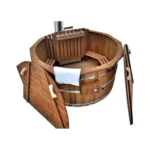
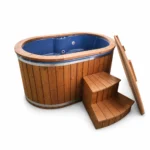
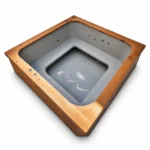
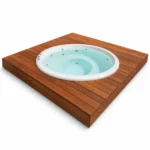
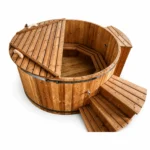
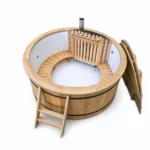
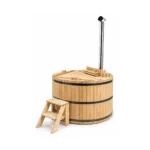
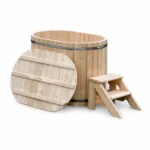
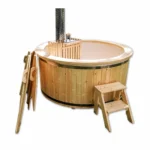
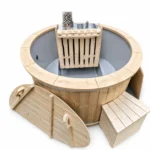
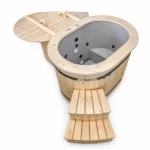
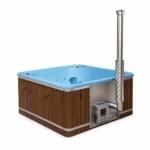
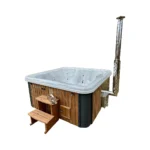
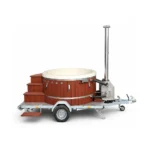
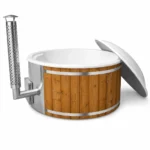
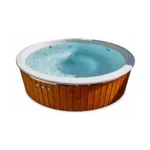
These models suit a different heating routine. External Comfort and Nordic Core are shown here for their electric and pellet heater choices; check the current available heater choice.
Start with outcomes that can be checked: comfortable seating for normal users, a footprint that fits with safe access, a heater arrangement the owner can operate, a body material they are willing to maintain and a final cost that includes delivery and site work. Add optional systems only when they improve the expected sessions enough to justify their price and upkeep.
Ignore labels such as premium, luxury or top rated until the underlying specification is clear. Ask for the selected diameter or shape, water volume, stove position and material, liner or timber construction, insulation, cover, steps, filtration and any electrical equipment in one written schedule.
| Starting brief | Useful models to compare | Decision that changes the shortlist |
|---|---|---|
| Two regular bathers | Nordic Duo, Duo Wood and Oval Duo | Compare the actual bathing surface, legroom and external-stove layout rather than treating every two-person tub as equivalent. |
| Family tub with massage | Nordic Core | Core can be configured with hydromassage, air bubbles, LED lighting and sand filtration; compare the complete selected Core quotation with and without that spa package. |
| Space outside the tub is constrained | Compact Snorkel and External Comfort | An internal stove takes bathing space; an external stove needs its own operating footprint and connections. |
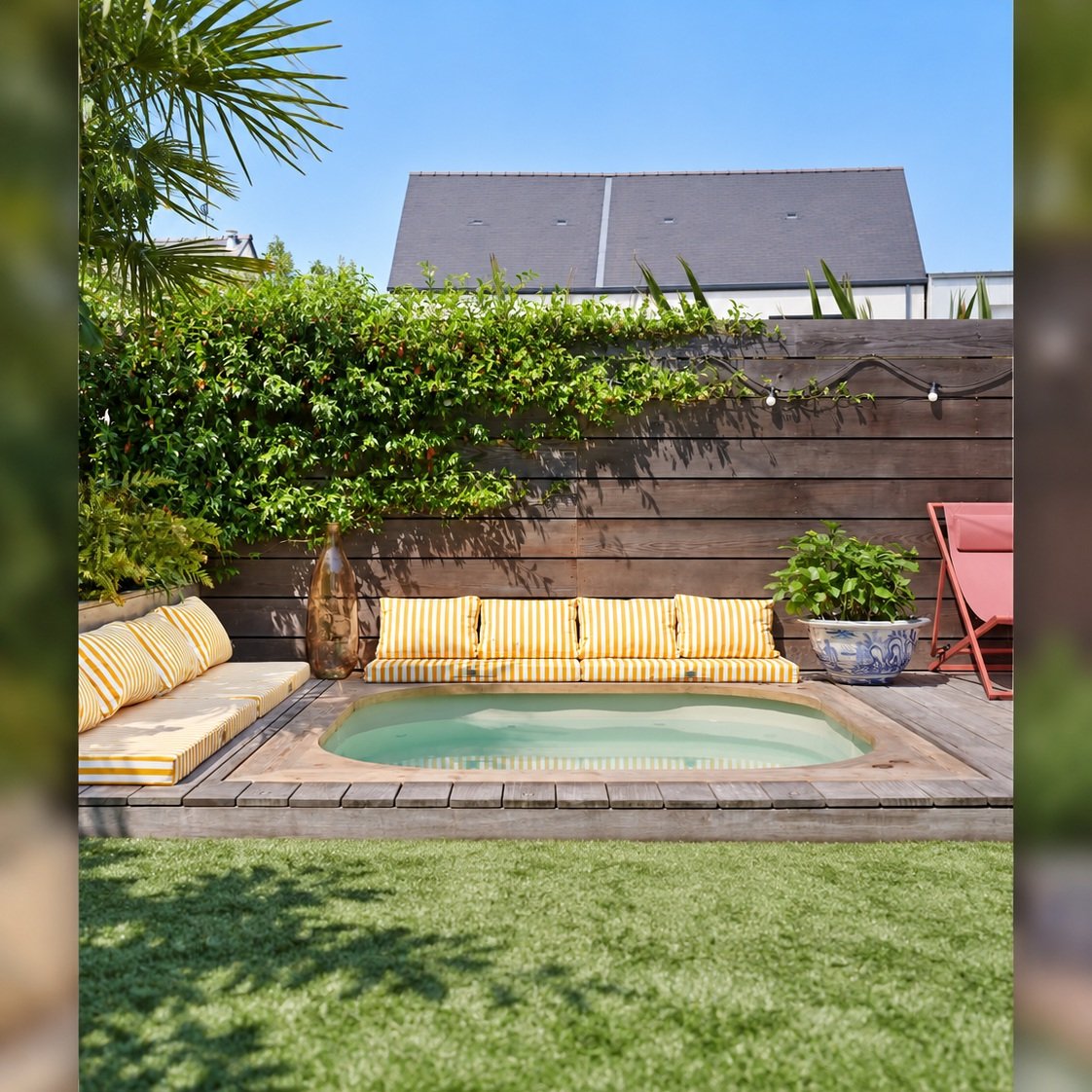
| A deck or landscaped recess | InGround Comfort and a freestanding lined tub | The recessed route changes structural support, drainage and access to equipment; a freestanding unit can be easier to inspect. |
| Narrow access with assembly space | Nordic Wooden Basic, Nordic Deluxe, Nordic Thermowood Basic and Nordic Duo Wood | Check the currently offered kit route, actual package dimensions and assembly duties against factory delivery. |
These are starting comparisons within TimberIN’s range, not test winners. The full catalogue includes additional square, acrylic and trailer routes. If a model’s available options change, rebuild the comparison from the current selector and accepted quotation rather than assuming that an older feature list still applies.
A moulded fibreglass or polypropylene insert separates the bathing surface from the decorative external cladding. Buyers often choose an insert for its smooth surfaces and predictable cleaning. The exact colour, seat moulding, temperature limits and maintenance instructions depend on the selected model and material.
A traditional wooden bathing tub gives direct contact with timber and a distinctive character, but the body relies more heavily on wood movement, correct wetting, hygiene routines and ongoing care. It is not automatically the best choice because it looks most traditional. Compare the practical ownership duties in the wooden hot-tub guide. For heater positions, capacities and the complete current range, see wood-fired hot tubs.
The current square acrylic model adds a further lined option, with external- and integrated-wood-stove versions. Confirm the exact shell, included equipment and care instructions rather than borrowing the specification of a fibreglass model with a similar appearance. Exterior timber colour is not evidence of the material that holds the bathing water.
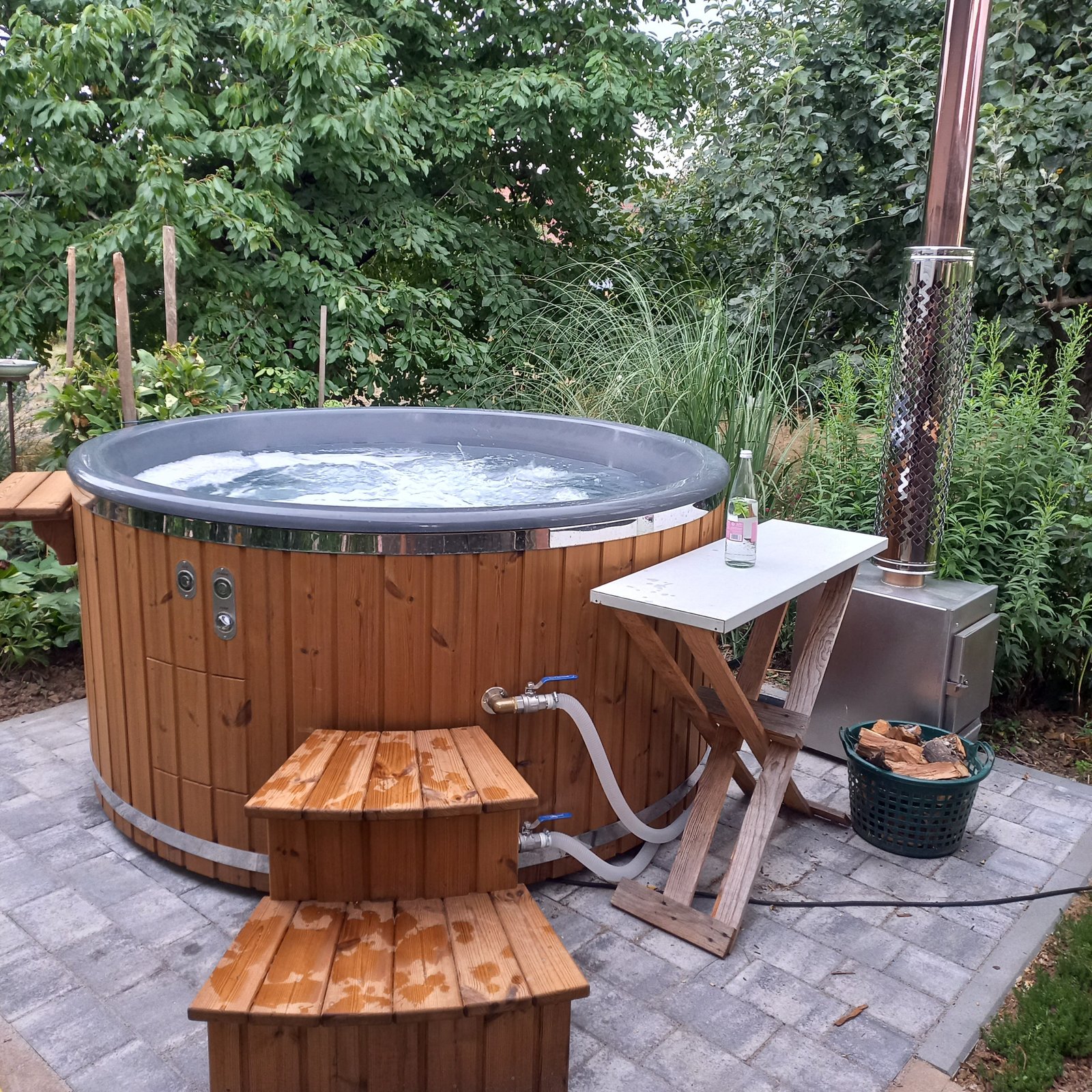
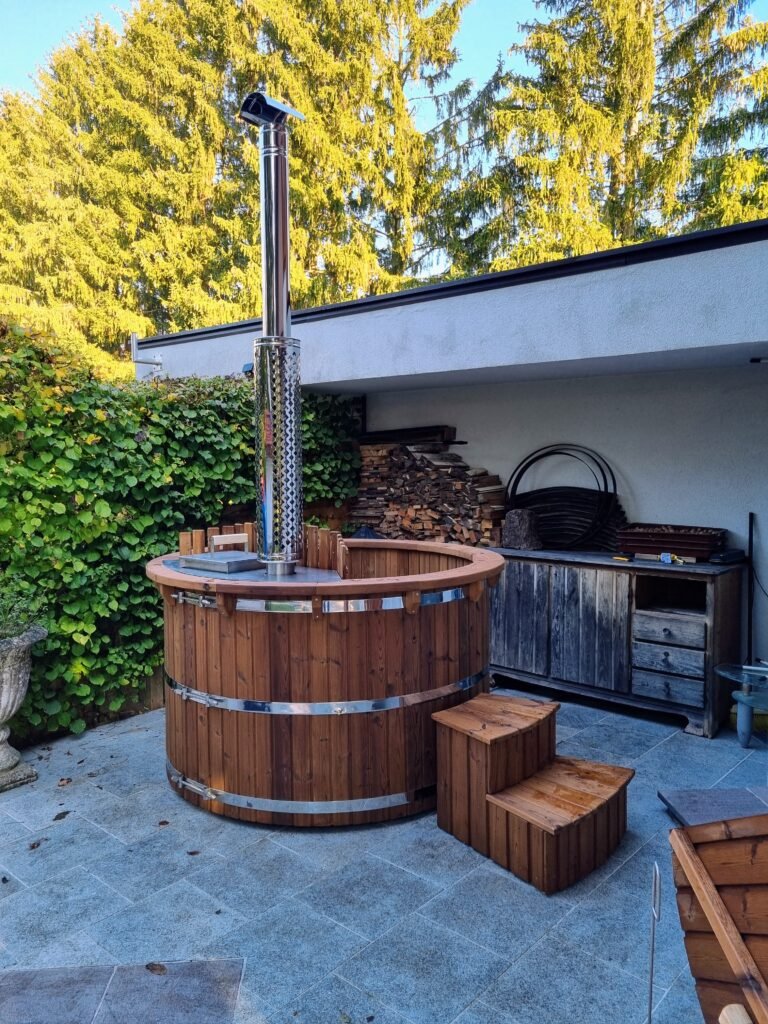
An external stove preserves internal bathing space and keeps the fire outside the shell, but it adds pipework and increases the site footprint. It needs clear access for fuel, cleaning and safe circulation. An integrated heater creates a compact combined outline and can reduce exposed connections, while still changing the shell layout and service access.
An internal “snorkel” heater sits within the tub behind a protective guard. It can support a simple compact arrangement but uses part of the water space and makes correct guarding and water level especially important. The best heater position is the one that fits the users, base and operating route shown on the final drawing.
No responsible comparison gives one universal heat-up time. Water volume, starting temperature, useful stove output, firewood moisture and size, ambient conditions, wind, cover and operator technique all affect the result. A manufacturer’s estimate is meaningful only when its assumptions are stated and close to the intended configuration.
Compare the selected tub’s water capacity and stove, not the highest headline kilowatt figure. Ask where heat is transferred, how circulation is established, what water level is required before lighting and how temperature is monitored. Never light a water heater before the system is correctly filled and circulating, and never drain it while the stove remains hot.
Person counts are model guidance. Two adults may prefer generous space in a four-person-labelled round tub, while a larger family may find a high nominal count uncomfortable once legroom and heater guards are considered. Request internal diameter or dimensions, usable bench length, depth and heater intrusion.
Choose around normal occupancy, then decide whether occasional extra capacity is worth the added water and footprint. Buyers focused on couples can compare the dedicated two-person hot-tub guide; households can use the family hot-tub guide.
Hydromassage jets, air bubbles and lighting can change the experience, but each system adds components, controls, electrical demand and maintenance. Identify where users sit and which body areas the jets serve. A high jet count is not useful when positions do not match the seats or when the pump is difficult to access.
For buyers who mainly want fire, warm water and quiet conversation, a simpler specification may be better. For buyers who value active massage, the equipment should be designed into the tub from the start. See the dedicated wooden hot tubs with jets guide before selecting options.
A fitted insulated cover can reduce heat loss during heating and between uses, help keep debris out and support the everyday closing routine. Wall and base insulation may also matter, particularly for repeated use and exposed sites. Ask what surfaces are insulated, how the cover fits around the chimney and how it is stored when open.
Do not compare efficiency from one component alone. Gaps, wind, uncovered water, long pipe runs and operating habits can offset a strong stove or thick wall package. The best solution is a compatible tub, heater, cover and operating routine.
A standard lid should not be treated as a child-safety barrier or a load-bearing surface without specific documentation. Also compare the effort of lifting, folding and storing it: a cover that is awkward to handle can undermine the heating routine you planned. Confirm fit around the actual rim and heater arrangement.
The base must carry the filled tub, water, stove and users without settling or twisting. Obtain the model’s support drawing, empty weight and water capacity before building it. Plan where water will discharge and keep the route away from structures, neighbours and ground that can become unstable.
Place the stove door, chimney and hot surfaces where the operator can work without crossing the bathers’ normal path. Maintain manufacturer clearances and suitable protection. Children and guests should not be able to brush against the heater while entering or leaving the tub.
Check the proposed stove and chimney with the local authority where smoke-control rules or neighbour impacts may matter. GOV.UK’s smoke-control guidance distinguishes appliance and chimney situations; it does not identify every hot-tub configuration as exempt. A retailer’s general “wood-fired” description is not evidence of approval for your address.
A model is not a good choice if it cannot reach the base safely. Measure gates, turns, walls, slopes and overhead obstructions; provide photographs; and compare these with the packed dimensions and lifting points. Confirm whether delivery ends at the kerb, driveway or prepared base and who supplies unloading equipment.
A compact oval tub may solve a narrow route. A sectional or differently configured model may solve another. Do not assume that a crane is always available or included. Price any road permits, lifting, smaller transfer vehicle or temporary access work before production.
| Cost layer | What to include | What to verify |
|---|---|---|
| Base tub | Selected size, body, cladding, benches and drain | Whether the displayed price is for this exact variant |
| Heating | Stove, chimney, guard, connections and any electric support | Material, output, location and permitted configuration |
| Comfort systems | Cover, steps, insulation, filtration, jets and lighting | Compatibility, controls, power and maintenance access |
| Logistics | Freight, final delivery, unloading, lifting and placement | Delivery boundary and route-specific exclusions |
| Site work | Foundation, drainage, electrical work and fire-safe installation | Which competent trade supplies, tests and signs off each task |
Ask every supplier to quote against the same schedule. The UK wood-fired hot-tub price guide explains how to turn a base price into a realistic project budget.
Reviews can reveal communication, delivery and ownership patterns, but they do not replace technical comparison. Check whether a review relates to the same model, heater and use. Read recent positive and critical comments, identify how issues were resolved and distinguish manufacturer reviews from product-specific evidence.
Treat an unexplained badge, award or star count cautiously. A useful seller should still provide drawings, selected-option documentation, delivery terms and warranty conditions. The strongest evidence is consistent: the product page, quotation, manual and final order all describe the same tub.
There is no single best model. The right tub matches normal users, available space, heater routine, body-material preference, water-care plan and complete budget. Compare those facts against documented configurations.
External heaters preserve bathing space but add footprint and pipework. Integrated heaters create a compact combined outline but affect the shell and access. The site drawing and intended users determine which is better.
Moulded fibreglass and polypropylene bathing surfaces are generally chosen for smooth, accessible cleaning, but the complete water system, fittings and maintenance instructions also matter. Traditional timber bodies require a different care routine.
No. Useful heat transfer, water volume, starting temperature, fuel, weather, cover and circulation all affect heating. Compare the approved stove and tub combination under stated assumptions.
They can be when massage is a real priority and the jet positions suit the users. They also add pumps, electricity, noise, pipework and maintenance, so compare the complete system rather than the jet count.
Picture an ordinary evening with each shortlisted tub. Where is the dry fuel kept, who tends the fire, where does the cover rest and how do people reach the seats? Include the time and access needed for water checks, cleaning and closing the installation. A model with more features can be worthwhile, but only when those features suit the way the tub will actually be used.
Manual log heating, automatic pellet heating and electric heating involve different routines. The electric and smart-pellet models are separated above because they are alternatives to the manually fired log-tub brief, not identical products with a different finish. Likewise, a trailer tub adds towing and repeated site setup to the ownership task.
Request a comparison of two or three configurations with your normal occupancy, site measurements, access photographs and preferred heating routine. Ask for the same inclusions and delivery boundary on each quote. The final choice should follow from those documented differences, rather than a universal ranking or a product name.