
Charles — London, United Kingdom
TimberIN Nordic™ Thermowood Deluxe
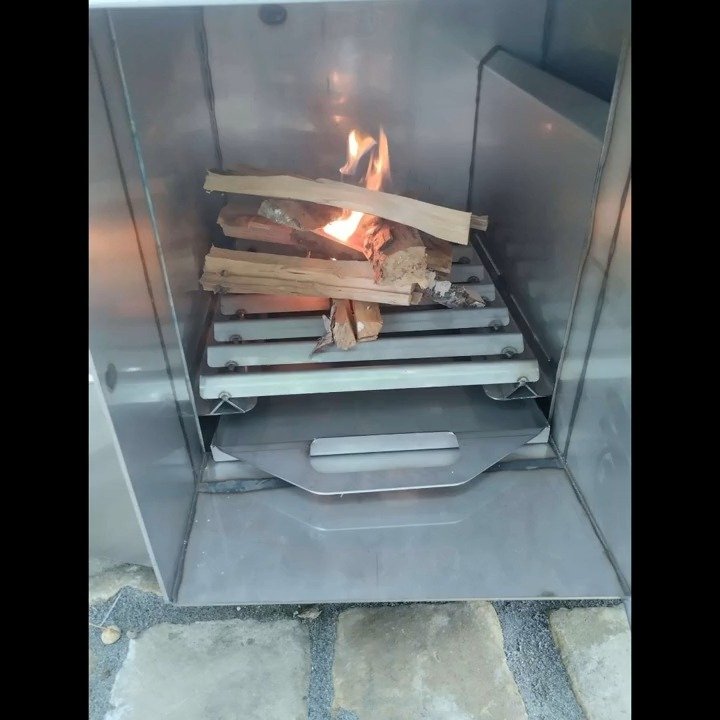
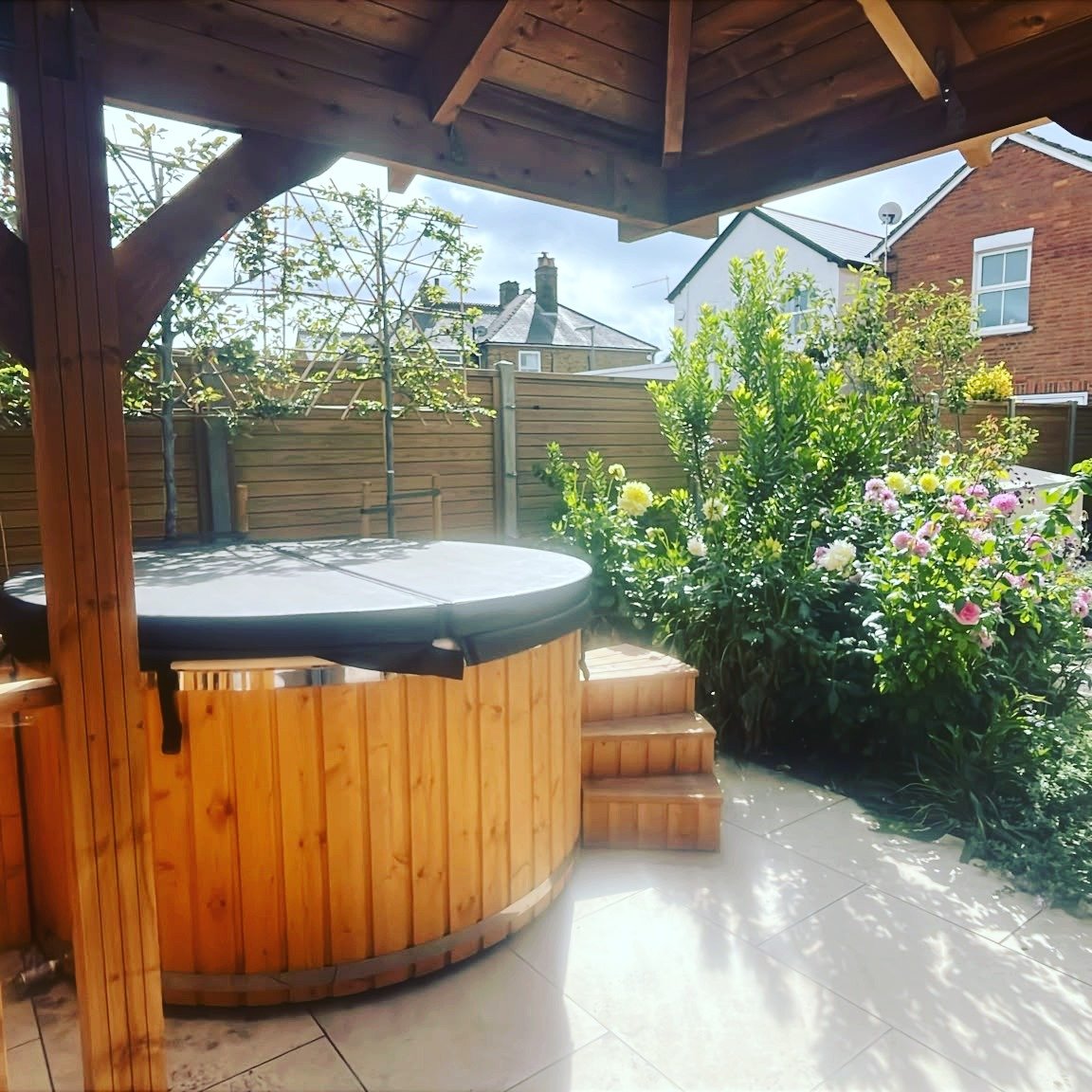
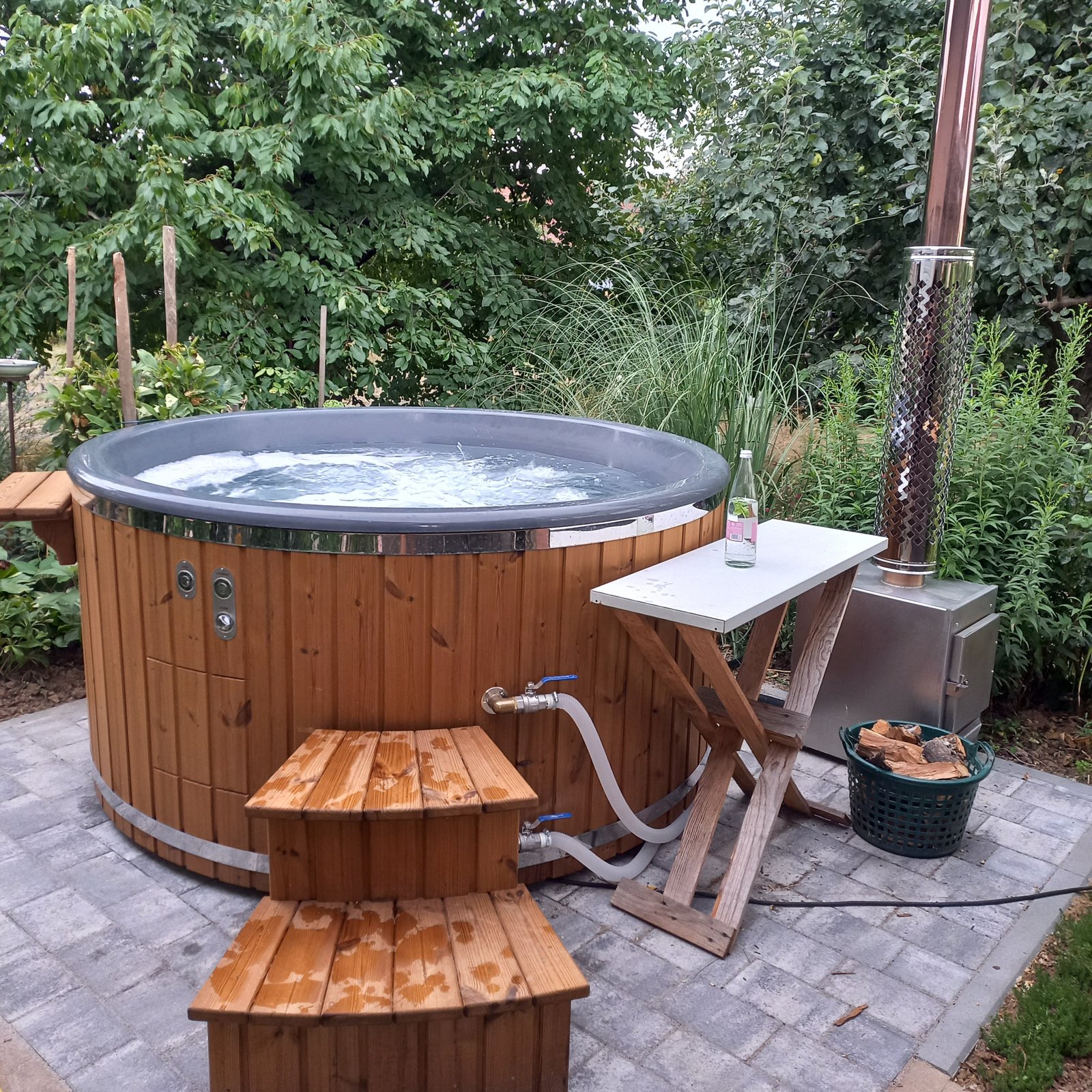
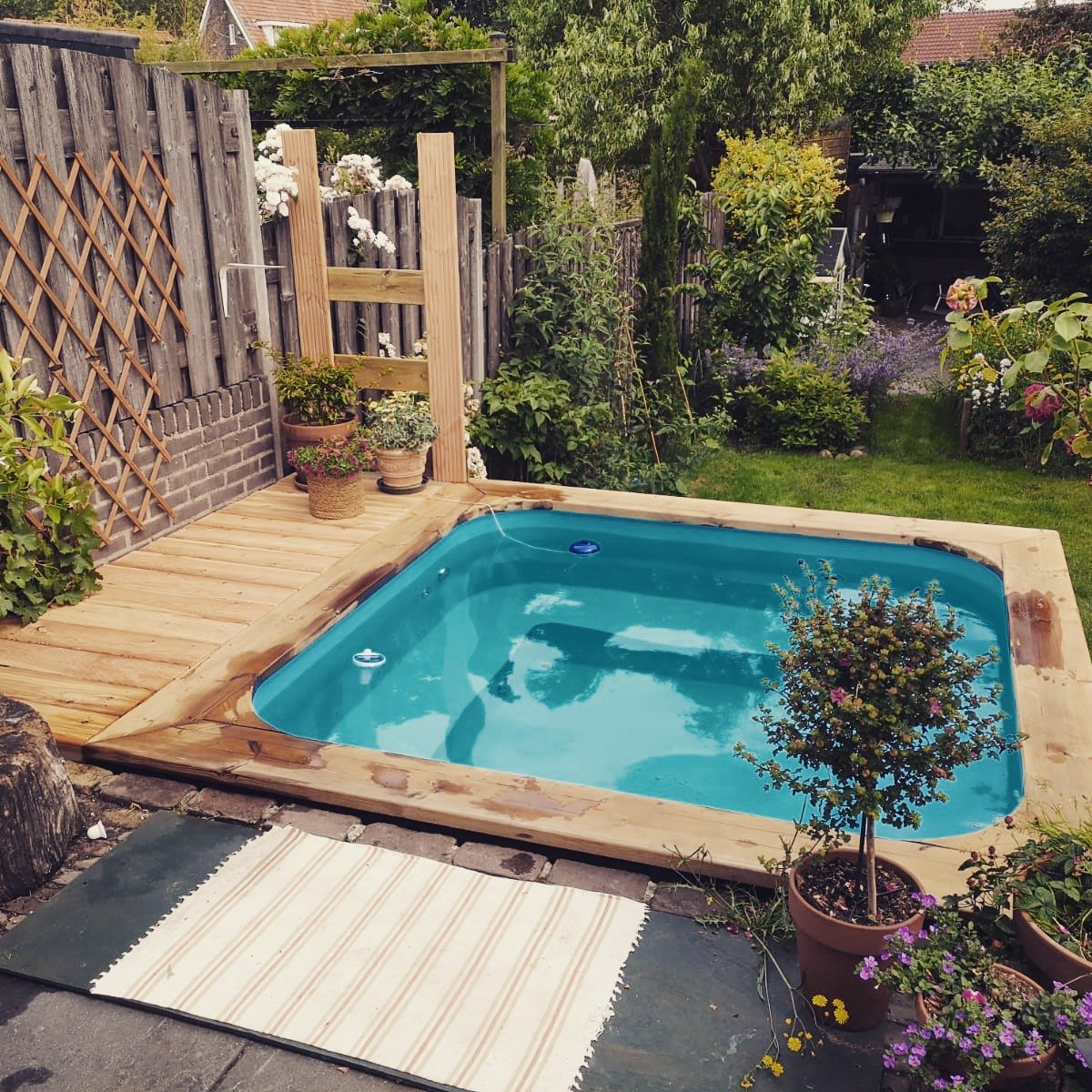
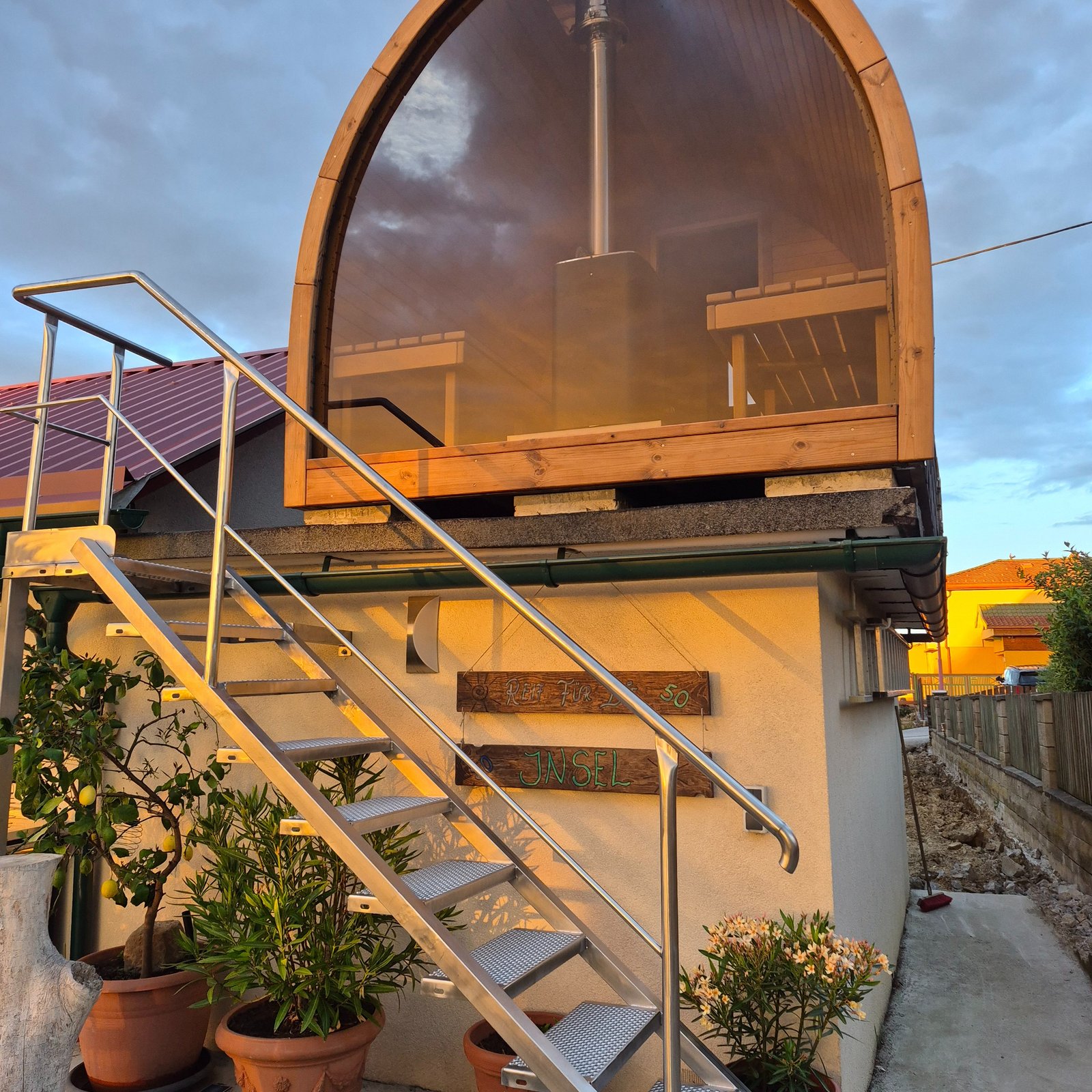
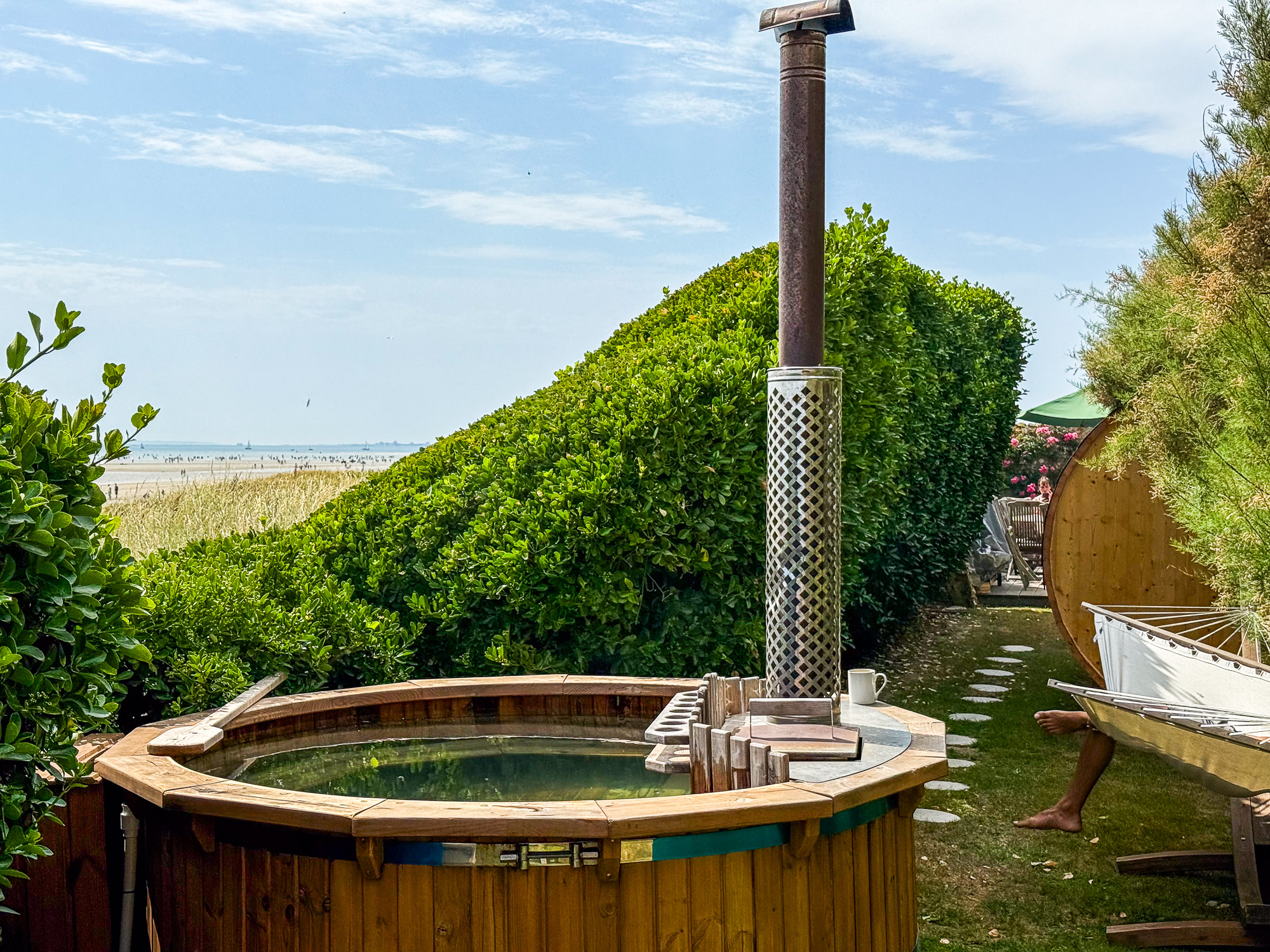
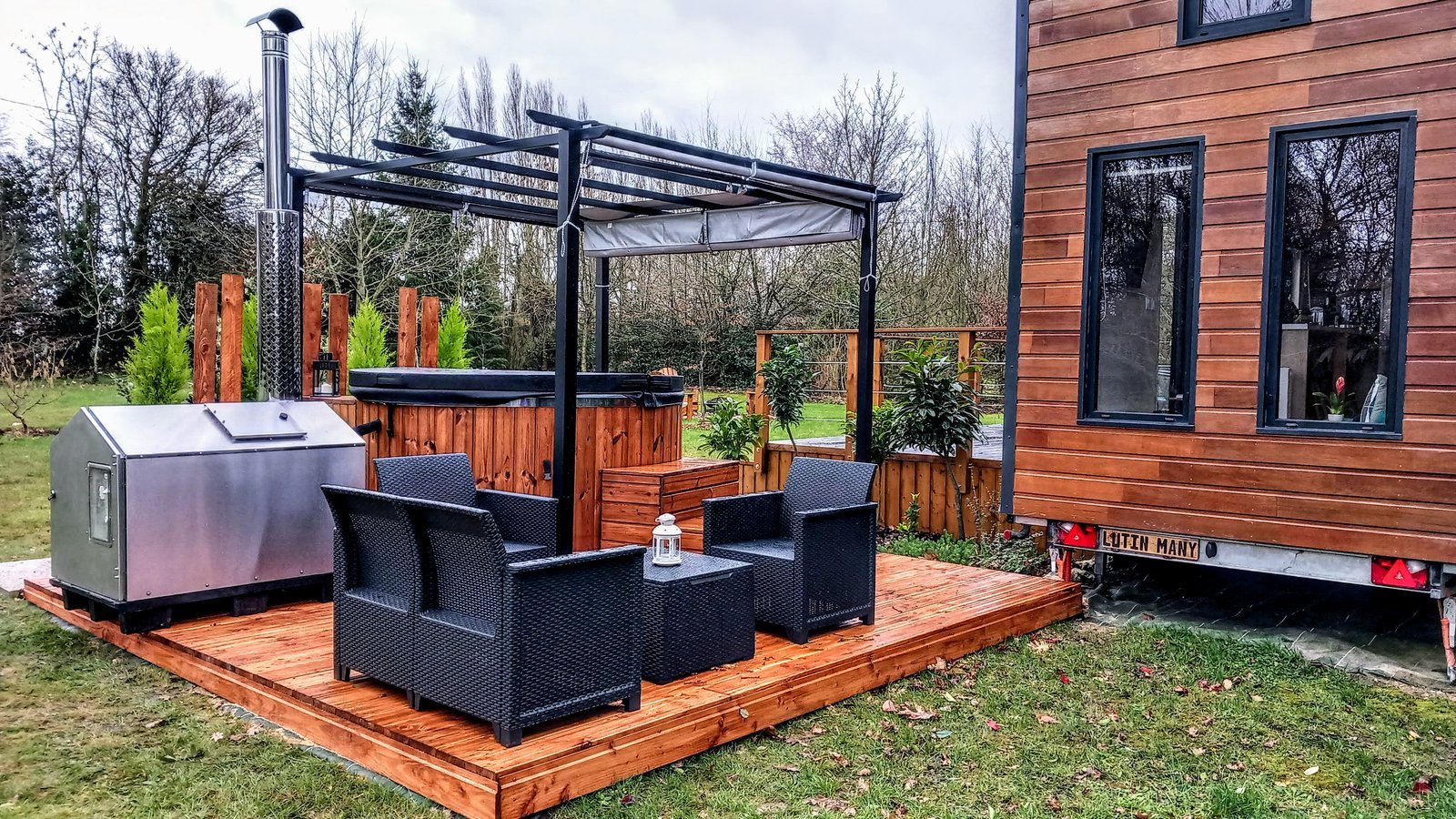
Review and installation photos →Hi, you can see the hot tub in these pics at our retreat.
Choose a model. Define the complete order.
Compare the current TimberIN hot tubs below, then turn your shortlist into a written specification. The useful buying decision combines the right bathing space, heating arrangement and equipment with a delivery plan your property can accommodate.
A model’s displayed starting price is the beginning of that comparison. Your selected size, options, transport and local work establish the complete project cost. Keep the product links, record the choices and ask for one itemised quotation before committing.
Already settled on a wood fire? The wood-fired hot-tub guide explains the heating and ownership decisions in greater detail.
From our customers
Customer projects matched to the products listed on this page. Earlier specifications and selected options may differ.
Customer projects from United Kingdom.
TimberIN Nordic™ Thermowood Deluxe
Review and installation photos →Hi, you can see the hot tub in these pics at our retreat.

Hi Albertas, as promised, I’ve attached some photos of our Hot Tub. We’re not on Facebook or the other social media platforms, but we’re happy for you to use any you might want for your website. It arrived Friday morning…
Hi Albertas, as promised, I’ve attached some photos of our Hot Tub. We’re not on Facebook or the other social media platforms, but we’re happy for you to use any you might want for your website. It arrived Friday morning 4th April and we were in the water and enjoying it on Saturday evening. We’ve been in it every night since! A big thank you to you and your team. The specification is exactly as planned, and the workmanship is excellent. You might welcome some feedback on a couple of relatively minor issues, which I hope you will find helpful. We only received 4 pictures of the hot tub, but in all honesty, these weren’t really enough for us to confirm that we would be happy with the product before making the final payment. We trusted the process and made payment, but it would have been better if we could have seen images of the liner and also inside the electric cupboard and the insulation. Just something to be aware of. The other minor point relates to the sand filter and UV-C. both of them came with European plug fittings that required changing. I would have thought that a UK specification would come with a UK plug. Again, this is not a huge point, but it was inconvenient to have to change these. Apart from those minor niggles, everything was great. So, once again, a big thank you to you and your team. Best of luck and continued success in the future.

Review and installation photos →Hi, we have finally moved into our house & hot tub is amazing! Attached photo (feel free to use!)
Current TimberIN hot tubs
Every current eligible complete hot-tub model appears below, ordered by recorded UK store sales with a consistent order for ties. Open each model to review its current price, available configuration and included equipment. The guide then helps you compare the resulting quotations.
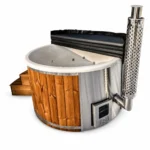
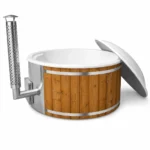
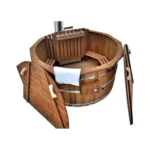
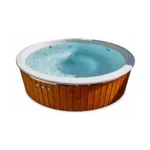
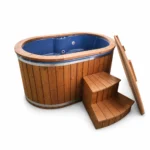
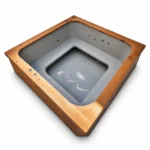
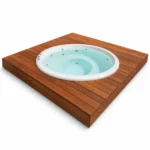
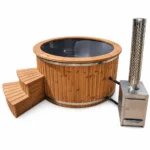
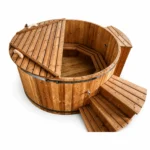
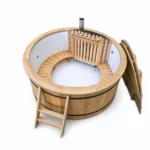
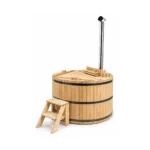
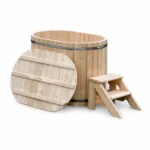
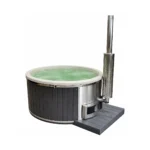
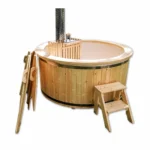
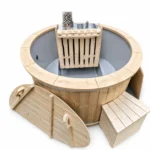
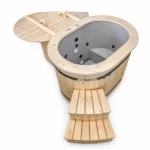
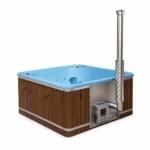
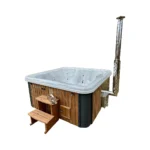
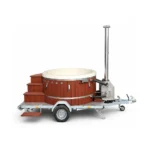
Two hot tubs can look similar in a catalogue and represent quite different orders. One may offer a choice of heaters and a short included-equipment list. Another may already contain massage, filtration, insulation and a fitted cover. Comparing their opening prices without those details tells you little about which meets your needs at the lower final cost.
Open the product you are considering and work through its actual choices. Note the size label, shell form, heater, exterior material and equipment. Some decisions sit in the variation selectors; others appear further down as additional options. A photograph can show an attractive combination without establishing that every visible component is included in the displayed amount.
Ask for currency, tax treatment and the delivery destination to appear on the quotation. Do not calculate a supposed saving by comparing a bare configuration with a fully equipped one. The wood-fired hot-tub price guide develops the budgeting questions; this page helps you decide which actual configurations deserve that detailed comparison.
A product listed for sale is available to enquire about through its current buying route. It is not a promise that a particular finished unit is waiting for immediate dispatch. Likewise, a model name containing “Basic”, “Value” or “Luxury” does not replace an equipment schedule. Read the live offer and obtain the current production and transport position for your chosen specification.
Start with the people who will use the tub on an ordinary evening. Record their number, whether they want quiet soaking or massage, and how much preparation time suits the household. Then measure the position and the approach to it. A model that cannot be delivered, serviced or used comfortably at the property should leave the shortlist before you spend time comparing finishes.
Choose two or three genuinely different candidates. A compact oval can test whether a smaller water vessel meets your needs. A configurable family model can show what you gain by choosing the equipment individually. A more inclusive spa package can establish whether the features you want are already grouped together. Each alternative should answer a real uncertainty, rather than differ only in colour.
“Fits our normal two-person use”, “allows our preferred heating routine” or “includes the massage equipment we expect to use” is more useful than “looks best in the photograph”. Add one unresolved question beside each reason. That turns an enquiry into a comparison the supplier can answer.
For one or two regular users, begin with the two-person and compact hot-tub guide. The current Nordic Duo offers electric, external wood-fired and hybrid choices. That makes the heating decision part of its specification; the words “wood fired” in the product title do not tell you which option you have selected.
For a regular family routine, compare usable seating and equipment access as well as advertised capacity. An internal heater occupies part of the bathing space; an external heater needs room outside it. Integrated heating brings another arrangement of shell and service access. If controlled electric operation is the priority, the electric wooden hot-tub guide explains the supply and operating questions to resolve.
The Nordic Family Electric currently offers different shell forms and electric, heat-pump or combined heating choices. Specify the actual shell and heating selection when requesting a comparison. A heading containing “electric” does not make every option identical, and a compact-looking tub does not establish that an ordinary socket is suitable.
The live Nordic Core and Nordic Rojal pages illustrate why an inclusion check matters. Core gives buyers several configuration choices. Rojal groups more spa equipment into its stated package. Neither approach is automatically better: the useful question is how each aligns with the experience and maintenance routine you actually want.
| Model | Current distinction | Question for the written order |
|---|---|---|
| Nordic Core | Two nominal diameters; several exterior timbers; integrated wood or hybrid heating. | Which cover, steps, insulation and spa systems form the selected package? |
| Nordic Rojal | Thermowood with a stated package including massage, filtration, insulation and an insulated lid. | Which diameter and heater position are being quoted, and which site costs remain separate? |
| Nordic Deluxe | Four inner-diameter choices and several heater routes, including a no-heater selection. | Does the chosen cover suit the heater layout, and is the intended heating equipment included? |
Core’s current included list names a side shelf, chimney guard and paddle. Its live form separately presents cover, stair, insulation and spa choices. That distinction is useful even where a particular option is currently included without an additional charge: it still needs to be selected and written into the agreed specification. Do not use a screenshot of the opening price as the equipment list.
Size labels deserve the same care. Core’s current specification distinguishes a nominal 1,800 mm version with approximately 2,000 mm outside diameter and 1,300 litres from its nominal 2,000 mm version with approximately 2,250 mm outside diameter and 1,500 litres. Those are different delivery envelopes and water loads, even before you add steps or equipment. Put the selected version on each quotation and request its final drawing for any tight opening or base. Do not ask a contractor to work from the shorter dropdown label alone, or treat approximate catalogue dimensions as construction tolerances.
Rojal’s current included list identifies steps, an insulated lid, wall and bottom insulation, hydromassage with two LEDs, a sand filter with its wooden box, and air massage alongside the shelf, guard and paddle. Check that list against the final order before requesting the same systems as extras. Size and external versus integrated heater remain meaningful choices, while transport and property work still need their own agreement.
A fair comparison might therefore put your preferred Core configuration beside a Rojal of the corresponding size and heater arrangement. Align the cover, steps, insulation and water equipment, then compare the written totals. If you do not want the spa systems, say so; an inclusive package can be less appropriate than a simpler build even when its feature count appears impressive.
Nordic Deluxe offers several diameters and heater arrangements. Its current cover information qualifies the insulated leather option for an external-stove layout. This is the sort of dependency that a quick list of desirable accessories misses. Confirm compatible combinations together, including the heater, cover sections, seating arrangement and access for handling them. A selectable no-heater version must not be mistaken for a ready-to-heat package.
Separate requirements from preferences before discussing upgrades. A fitted cover, suitable heating, an agreed water-care arrangement and accessible components support normal ownership. Massage and lighting may be worthwhile pleasures, but they also introduce equipment that needs power, inspection and winter planning. Ask what each addition changes in both the purchase schedule and the continuing routine.
For retained water, discuss filtration, treatment, testing and cleaning together. A filter should not be treated as the complete hygiene plan. For occasional use, ask how the selected vessel and pipework should be emptied and cleaned, and what must happen during freezing weather. Do not assume that a practice appropriate to a simple vessel transfers unchanged to a model with pumps and hidden water lines.
Ask who will explain cover handling, initial filling, heating controls and drain-down at handover. Keep the operating instructions for the specific heater and additional systems. A quotation that lists components without resolving access to them can leave an attractive installation unnecessarily difficult to maintain. Allow room to remove a filter lid, reach a valve and service a pump before landscaping fixes their position.
If the total exceeds the project budget, revisit unused capacity and optional complexity first. The affordable hot-tub guide considers those trade-offs. Request a revised specification showing exactly what has changed. A lower headline total is only informative when you can see the corresponding equipment, size and responsibility changes.
Describe the whole route from the road to the final position. Include the narrowest gate, bends, gradients, steps, soft ground and overhead restrictions. Photographs help explain the route, but measurements and the packed product dimensions decide whether it works. Ask which delivery form applies to the selected model and whether any components travel separately.
“Delivered” can leave important questions unanswered. Confirm the unloading location, who unloads, who moves the product to its base, and whether specialist lifting is required. A crane or additional handling team needs its own access and working space. Establish the responsible party and quoted allowance before treating transport as a single settled line in the budget.
The quotation can supply the tub while a local contractor prepares the base, an electrician provides the final supply, and another specialist manages lifting. Write those boundaries down. The practical gap is usually a job that both parties assumed someone else would organise.
Use the selected drawing and operating load to plan support and services. The base-preparation guide explains why empty weight and the visible outer diameter are insufficient. Include water, users, the heater and equipment, while retaining drainage and maintenance access. A finished patio or deck needs assessment for the actual installation; its appearance does not establish its capacity.
A recessed InGround Comfort configuration especially needs an agreed shell drawing before a terrace opening is built. Compare its project requirements with a freestanding model if easy future access matters. On either route, provide the equipment schedule to the relevant trades early, and avoid closing a surround before connections and service panels have been considered.
Send one concise project brief with the model links. Identify normal users, the intended heating routine, your delivery address, the available space and any fixed constraints. If the budget includes local works, say so. Otherwise a product-only response may look affordable while leaving substantial costs outside the comparison.
Keep the comparison manageable by asking the same questions for each candidate. Mark unresolved items explicitly instead of filling them with assumptions. If a revised quotation changes the heater or shell, recheck the drawing, services and cover rather than reviewing only the price difference. Technical compatibility matters more than maintaining the appearance of an earlier shortlist.
The current TimberIN buying process describes consultation, commercial documents, production review and delivery. Use the quotation, invoice and contract supplied for your order to confirm the agreed stages. Ask for current cancellation, warranty and change procedures before committing, particularly where a configuration is being manufactured to order. This guide does not replace those documents or promise a dispatch date.
Before dispatch, compare the confirmed specification with the final information supplied. Ask about any unexplained difference while it can still be resolved. Retain the drawings, option schedule and correspondence for installation and later maintenance. A clear written record also makes future questions about a replacement part or compatible accessory much easier to answer.
No. It identifies products offered for purchase. Any current promotion belongs to the specific live product and its stated conditions. Compare the selected configuration; do not assume a range-wide discount or a limited stock quantity.
Yes. Heater, size, cover, steps, insulation and spa equipment can differ. Align the included items and add the relevant transport and site responsibilities before comparing the written totals.
Keep the model link and note the exact selection or question. Ask TimberIN to confirm the compatible combination and its inclusion in the written quotation before ordering or arranging work around it.