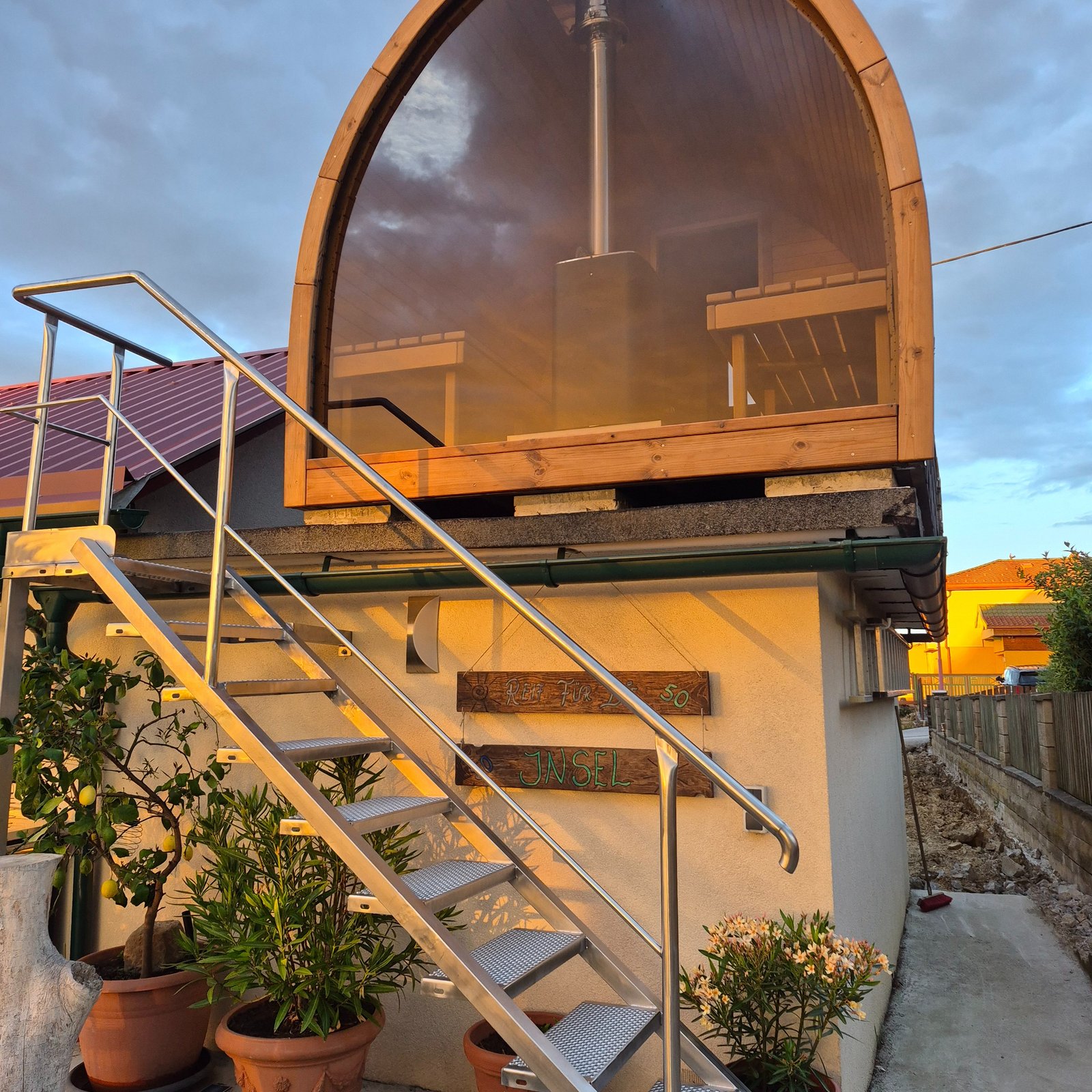

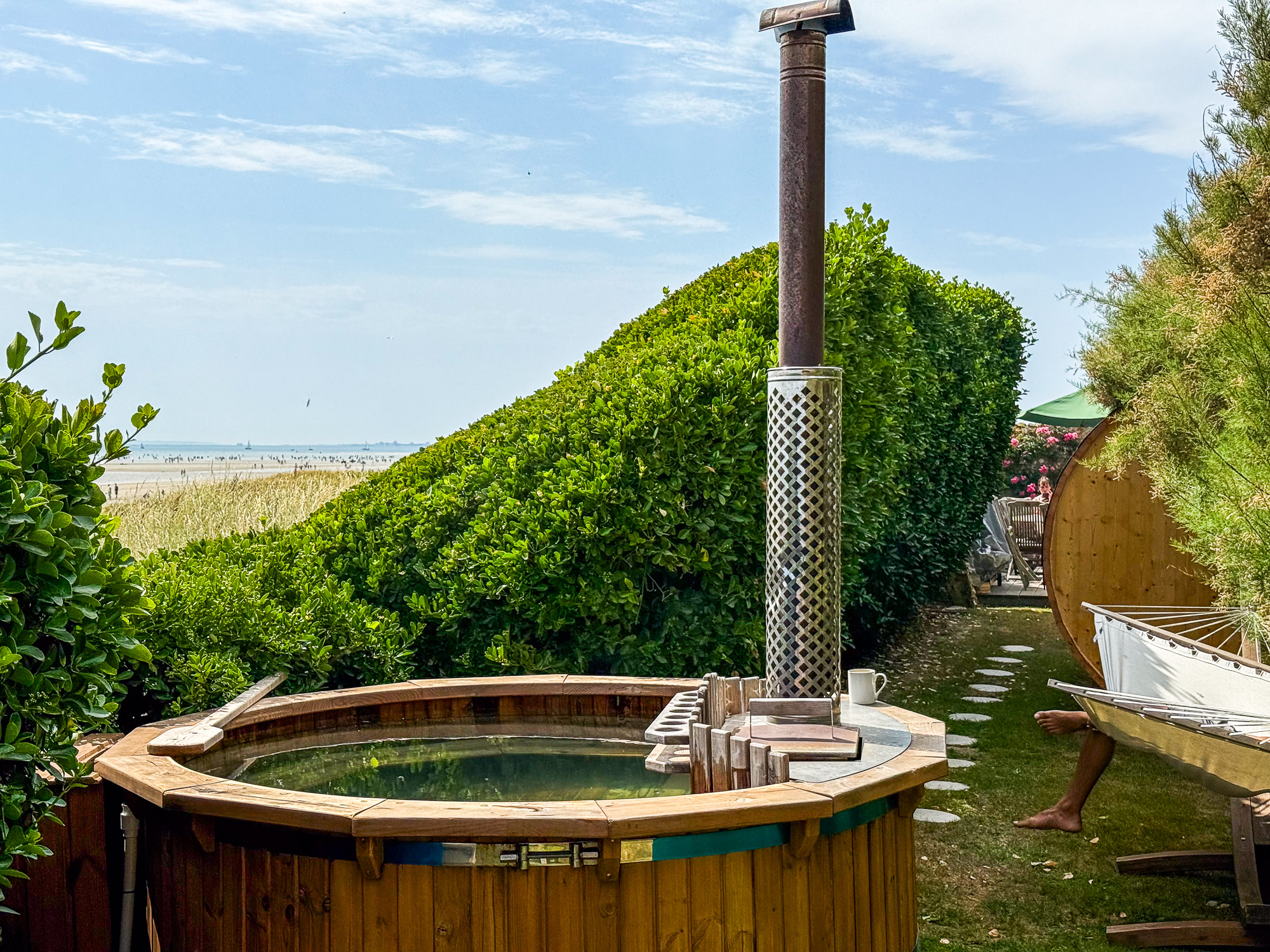
Charles — London, United Kingdom
TimberIN Nordic™ Thermowood Deluxe
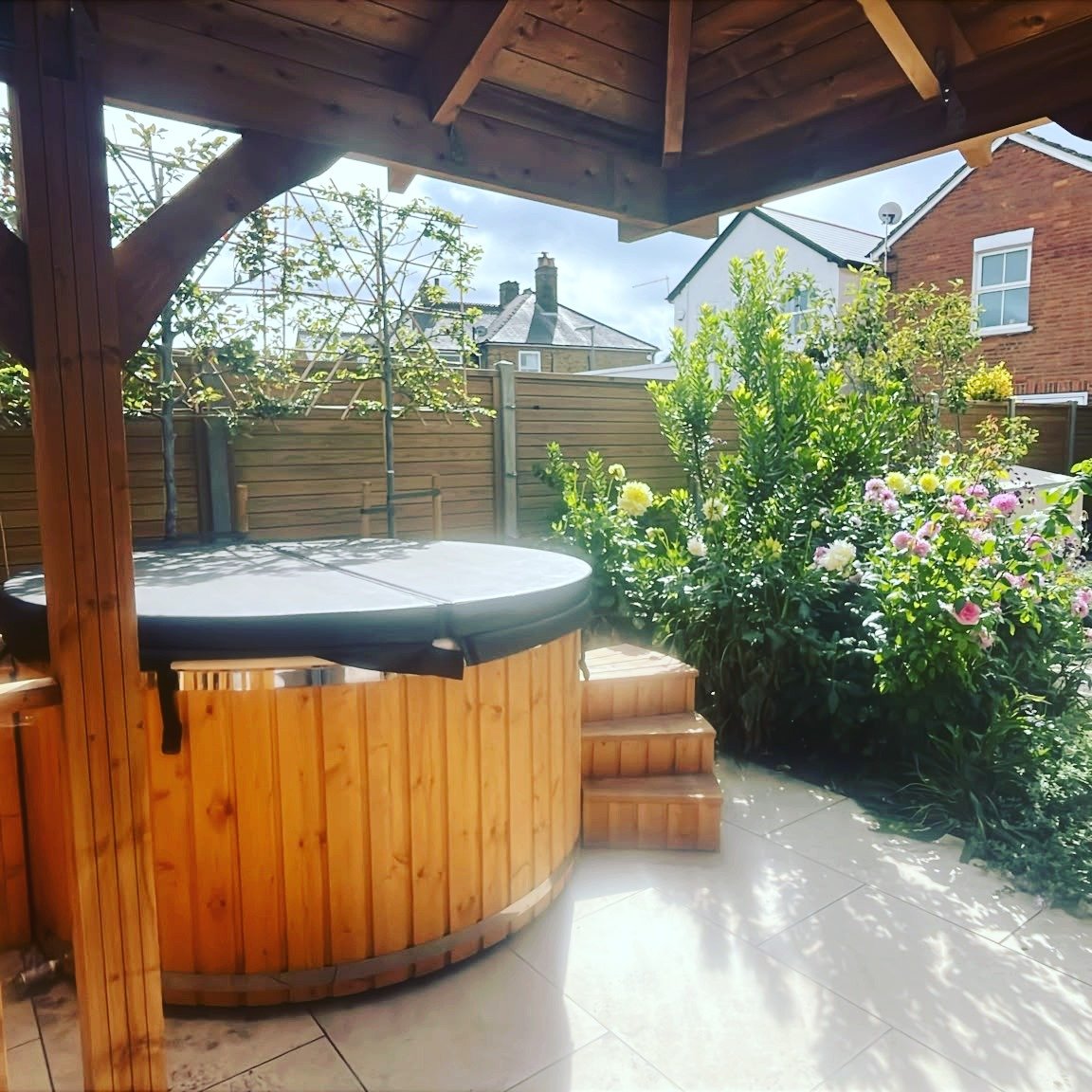
Review and installation photos →Hi, you can see the hot tub in these pics at our retreat.
Condition, collection and the cost of putting it back to work
A used hot tub earns its value through identifiable equipment, a credible history and a practical plan for moving and recommissioning it.
Use this guide to assess a specific second-hand offer. The catalogue directly below shows current new products for comparison; it is not a list of used stock for sale.
From our customers
Customer projects matched to the products listed on this page. Earlier specifications and selected options may differ.
Customer projects from United Kingdom.
TimberIN Nordic™ Thermowood Deluxe
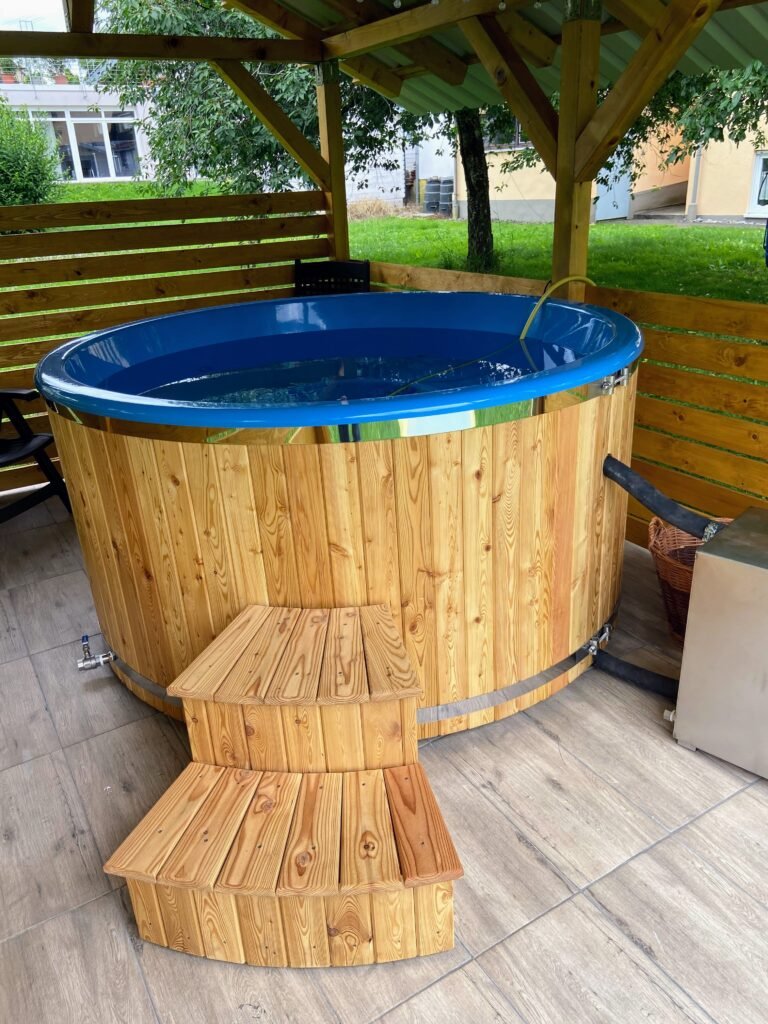
Review and installation photos →Hi, you can see the hot tub in these pics at our retreat.

Hi Albertas, as promised, I’ve attached some photos of our Hot Tub. We’re not on Facebook or the other social media platforms, but we’re happy for you to use any you might want for your website. It arrived Friday morning…
Hi Albertas, as promised, I’ve attached some photos of our Hot Tub. We’re not on Facebook or the other social media platforms, but we’re happy for you to use any you might want for your website. It arrived Friday morning 4th April and we were in the water and enjoying it on Saturday evening. We’ve been in it every night since! A big thank you to you and your team. The specification is exactly as planned, and the workmanship is excellent. You might welcome some feedback on a couple of relatively minor issues, which I hope you will find helpful. We only received 4 pictures of the hot tub, but in all honesty, these weren’t really enough for us to confirm that we would be happy with the product before making the final payment. We trusted the process and made payment, but it would have been better if we could have seen images of the liner and also inside the electric cupboard and the insulation. Just something to be aware of. The other minor point relates to the sand filter and UV-C. both of them came with European plug fittings that required changing. I would have thought that a UK specification would come with a UK plug. Again, this is not a huge point, but it was inconvenient to have to change these. Apart from those minor niggles, everything was great. So, once again, a big thank you to you and your team. Best of luck and continued success in the future.

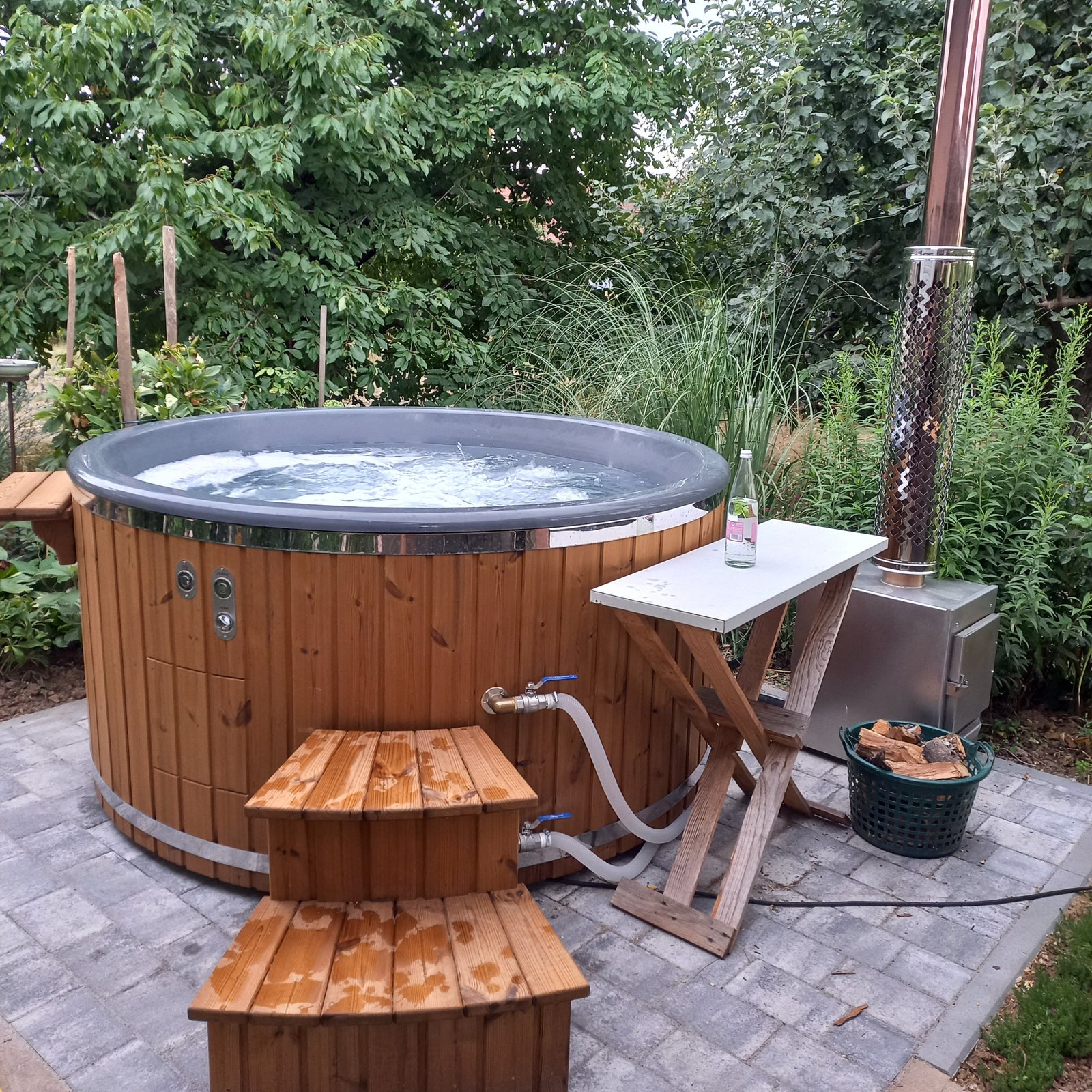
Review and installation photos →Hi, we have finally moved into our house & hot tub is amazing! Attached photo (feel free to use!)
These are new models, not second-hand listings. Compare the selected size, heater and equipment with the used offer before comparing complete installed costs.
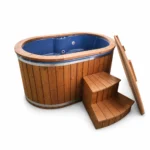


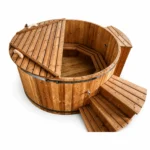
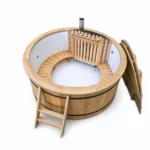
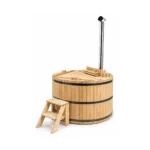
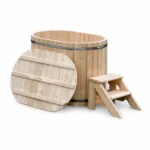
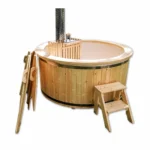
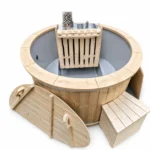
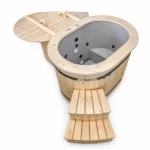
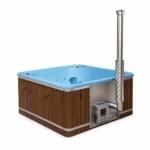
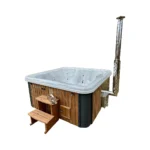
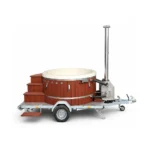


These heating routes provide a broader new-product comparison. Their power requirements and operating routines differ from a conventional log-fired tub.
A used purchase suits a buyer who can inspect carefully, organise lifting and accept that seals, timber, pipework or equipment may need work. It is less suitable when delivery access is difficult, the installation date is fixed, dependable business use is required or no competent person can assess the heater and electrical accessories.
Age alone does not decide condition. A younger tub can be damaged by incorrect storage or freezing; an older tub can remain serviceable after disciplined care. The useful evidence is its identity, specification, maintenance record, winterisation history and behaviour during a complete operating test.
Establish whether the seller is a trader or a private individual and keep a copy of the advert, equipment list and agreed terms. Consumer protections differ according to who is selling and how the transaction is made; a marketplace profile or “sold as seen” wording does not settle every question. Citizens Advice can help you check the rights relevant to the purchase.
The Office for Product Safety and Standards recommends checking instructions, recalls, physical condition and modifications when buying second-hand products. Ask for evidence about the actual tub and its equipment before committing to collection.
Ask for the manufacturer, model, serial or order number, original invoice, approximate production date, dimensions, empty weight, normal water volume and heater model. Request manuals and the original configuration, including liner material, cladding, insulation, cover, steps, filtration, pumps, jets, lights and controls. Photographs should show the actual item from several angles rather than catalogue images.
Confirm whether components were replaced or modified and by whom. An improvised stove, changed outlet, unverified electrical box or unknown chemical history can outweigh a low price. Where identification is absent, assume that spare parts, safe operating limits and lifting information may also be unavailable.
Ask the original supplier what can be established from the serial number and photographs. A model name may have covered different heaters or shell arrangements over time. Current replacement parts and current model descriptions are useful starting points, but they do not prove that an older example has identical dimensions, connections or components.
A dry inspection can reveal staining, cracks and corrosion but cannot demonstrate water-tightness, circulation, heating or accessory operation. Once the equipment has been judged suitable for a safe test, ask the seller or a competent technician to demonstrate it filled to the required level and operated under its instructions. Do not energise or light equipment with unresolved defects. Agree in advance who supplies water, fuel and time. Never fire a heater dry or restrict circulation to create a quick test.
| Area | Evidence to obtain | Warning signs |
|---|---|---|
| Vessel or liner | Filled test, seams, fittings, floor and underside | Active drips, patched cracks, distortion, persistent unexplained water loss |
| Timber exterior | Cladding, hoops, base, steps and hidden lower edges | Soft rot, loose structure, severe splitting or prolonged ground contact |
| Heater and flue | Model plate, manual, firebox, welds, outlets and chimney sections | Burn-through, leakage, heavy distortion, improvised parts or unstable flue |
| Water circuit | Flow, pump sound, unions, valves, filter housing and drainage | Air locks, leaks, seized valves, cracked housings or unknown freeze damage |
| Electrical equipment | Labels, controls, cable condition and safe functional test | Exposed conductors, water ingress, bypassed protection or undocumented changes |
| Cover and accessories | Fit, weight, hinges, fasteners and completeness | Waterlogged cover, unsafe lifting, missing steps, guards or service parts |
A lined tub relies on the integrity of its moulded shell or liner, penetrations, seals and supported base. Examine the waterline, corners, seats, fittings and underside where visible. Cosmetic fading differs from a crack, delamination or deformation. Ask whether repairs used a method approved for that material.
A traditional coopered wooden vessel depends on timber condition, hoop tension and controlled moisture. Dry storage may cause temporary leakage that closes as suitable timber swells, but rot, damaged staves, an unsound floor or repeated uncontrolled drying is not the same thing. Obtain model-specific advice before assuming that any leak is normal.
Inspect an external, integrated or internal heater as a separate appliance. Look for a readable identity plate, approved fuel, required water level, inlet and outlet arrangement, clearances and original chimney system. Rust on an outer surface may be cosmetic; leakage into the firebox, failed welds, severe distortion or a modified heat exchanger needs competent assessment.
Ask how the system was drained in winter. Trapped water can freeze in heaters, pipes, pumps and filter housings. For outdoor use, check local smoke and nuisance requirements rather than assuming a seller’s previous location proves compliance. The GOV.UK smoke-control guidance provides a starting point; confirm the rules for the relevant UK nation, local site and installation.
Do not inherit the seller’s water or rely on its appearance. Drain, clean and commission the system using instructions suitable for its materials and equipment. Replace consumables where appropriate and inspect inaccessible pipework, jets and filters. Ask which chemicals were used because unsuitable treatment can damage timber, metals, seals or liners.
Agree an appropriate water-management routine for the intended bathing load, including any required filtration, treatment and testing. Holiday-let or other business use requires a formal risk-based approach: the HSE spa-pool guidance covers design, commissioning, operation, maintenance and monitoring for systems used as part of a business activity.
Pumps, filters, lights, air systems, hydromassage and electric backup heating all add electrical load and wet-area risk. Photograph rating plates and controls, then ask a competent electrician whether the equipment, protection and proposed cable route are suitable for the new site. A plug shown in an advert does not establish that the complete installation is safe or compliant.
Obtain packed dimensions and verified empty weight, then measure both properties. Map gates, steps, slopes, corners, walls, overhead cables and soft ground. Clarify who disconnects, drains, dismantles, lifts, loads, secures and insures the tub. A seller’s promise that “four people moved it” is not a method statement.
Photograph every connection before dismantling and label parts without altering safety markings. Protect the vessel from point loads and distortion. Budget for specialist lifting when manual handling is unsafe, and confirm that the vehicle and load restraint suit the complete equipment.
Check the route out as carefully as the route in. Decking, fences or planting may have been added after installation. Agree whether anything must be removed, who has permission to do it and who restores it afterwards. Record the tub’s condition before loading and again at arrival so new transport damage can be distinguished from the defects already priced into the purchase.
| Cost line | Used-purchase question | New-purchase comparison |
|---|---|---|
| Purchase | Is every listed component included and identifiable? | What is included in the written configuration and warranty? |
| Collection | Who drains, dismantles, lifts, transports and unloads? | What does factory delivery include or exclude? |
| Repairs | Which parts need immediate or likely replacement? | Are parts current and documented? |
| Site work | Will a different footprint or connection layout change the base? | Can the specification be planned around the site? |
| Commissioning | Who checks water-tightness, heater, circulation and electrics? | What checks and instructions accompany handover? |
| Risk allowance | What happens if an unseen defect appears after collection? | What written remedies, warranty and support apply? |
Add the tub, collection, crane or lifting, repairs, missing accessories, foundation, drainage, electrical work, chimney parts, commissioning and first season of consumables. Compare that total with an equivalent documented new specification—not with an entry price for a different size or equipment package.
Separate confirmed quotations from allowances. A stated replacement-pump price is more useful than a seller’s assurance that a noisy pump is “probably a cheap fix”. If the correct part has not been identified or its availability is unknown, keep that uncertainty visible instead of using an optimistic estimate to make the purchase look attractive.
Do not proceed because travel or a deposit creates pressure. Serious warning signs include refusal of a filled test without a credible reason, an altered heater with no documentation, hidden identification, active structural leakage, unsafe wiring, freeze damage, a disputed seller identity or equipment that cannot be collected safely. An inspection cannot remove every risk, but the seller should allow reasonable evidence to be gathered.
A used tub can work well when it is a known model with manuals, serviceable parts, an honest history and an operating demonstration; the site is straightforward; and the saving remains material after professional transport and commissioning. Buyers who can reuse a sound foundation or carry out appropriate non-specialist site work may improve the economics without compromising safety-critical tasks.
For each item, write what you observed, what remains unknown and what action is needed before use. “Water visible beneath the heater” is an observation; “probably condensation” is an interpretation that still needs checking. Attach photographs to the relevant item and record whether a proposed repair has actually been completed or merely discussed.
Give unresolved matters an owner and a cost. The seller may provide a missing manual, a specialist may assess a damaged fitting, and a transport firm may confirm the lifting route. If nobody can resolve an essential question before collection, the sensible next step is to delay the decision or decline the purchase. A tidy checklist is useful only if its unanswered entries affect the buying decision.
There is no dependable age-only answer. Materials, water chemistry, storage, freeze protection, heater use and maintenance determine condition. Inspect the actual vessel, heater and equipment and verify them under operation.
An untested tub should be assessed as a project with unresolved condition and repair costs, not as a proven working installation. A dry viewing cannot prove water-tightness, circulation, heating or powered accessory operation.
That depends on the model, empty weight, lifting points, route and manufacturer instructions. Obtain documented dimensions and handling guidance, then use competent lifting and transport rather than assumptions from appearance.
Do not assume so. Ask the manufacturer or original supplier whether the specific warranty is transferable, what evidence is required and whether modifications, relocation or commercial use affect it.
No. Compare the installed totals after collection, lifting, repairs, missing equipment, foundation, drainage, electrical work and commissioning. A lower asking price can produce a higher completed-project cost.
A successful viewing is evidence of condition at that moment. Moving the vessel and disconnecting equipment creates a further set of checks. Before first use, establish that supports, fittings, guards, chimney parts and any electrical equipment have been correctly reinstalled. Use the identified model’s instructions and obtain competent help where required.
Start with a recorded inventory: vessel, heater, chimney sections, guards, cover, steps, drain fittings, pumps, filter, controls and manuals. Note anything missing or substituted. Keep the seller’s maintenance history, but create your own record from arrival, including cleaning, replacement consumables, repairs and commissioning. This gives future faults a useful starting point rather than another uncertain history.
Warranty and support should be checked separately from physical condition. Ask the original supplier whether any warranty on this particular item transfers to a new owner and what relocation, modifications or business use mean for it. Do not treat a current new-product warranty as evidence of cover on an older resale. Likewise, a willingness to supply spare parts is not a promise to certify an unknown installation.
If the used offer still compares well after those checks, the evidence supports a reasoned purchase. If the uncertainty absorbs the saving, use the new models above to request an equivalent specification and delivery quotation. The comparison should give the same household a similar bathing space and equipment level, rather than set a stripped-back used shell against a fully equipped new package.