
Charles — London, United Kingdom
TimberIN Nordic™ Thermowood Deluxe
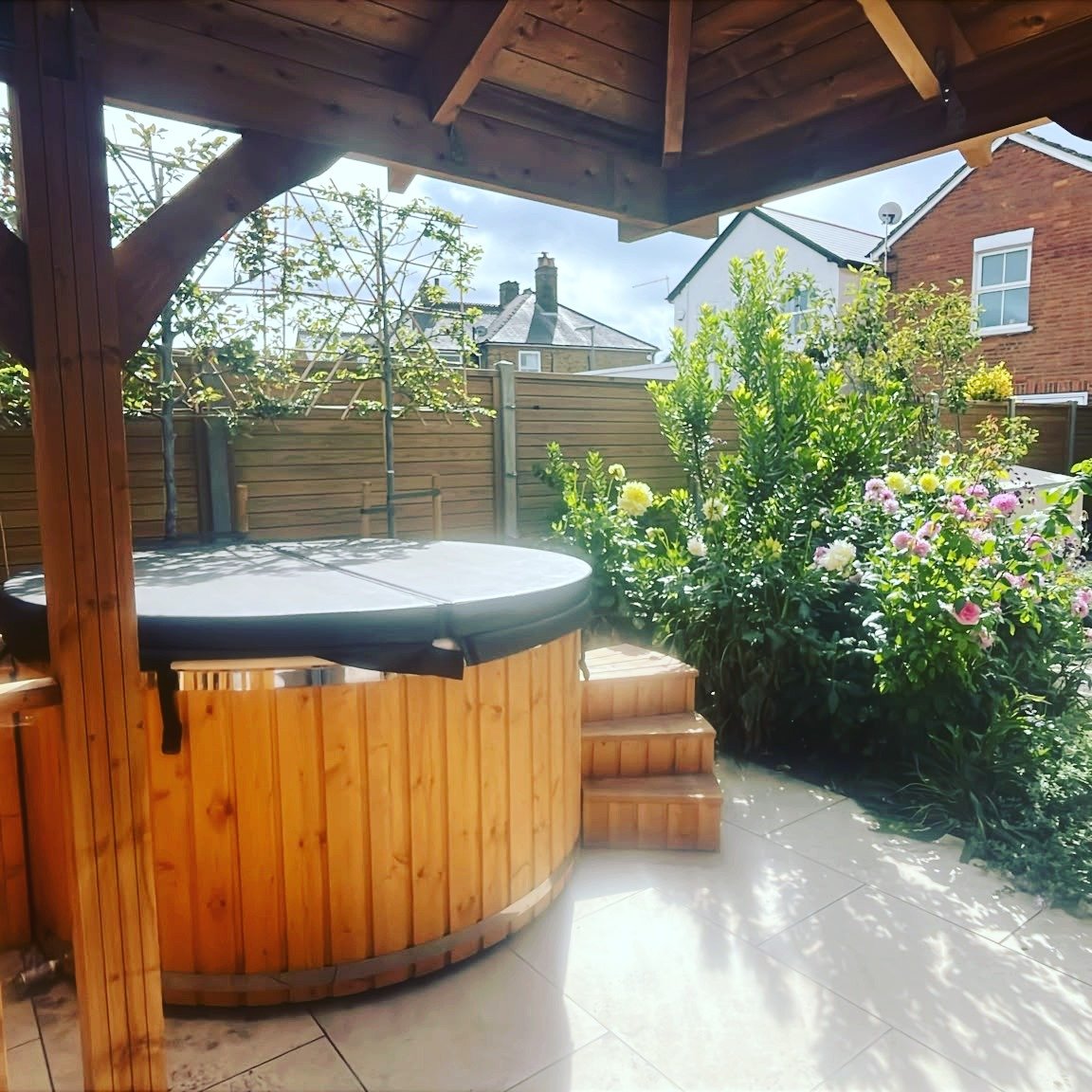
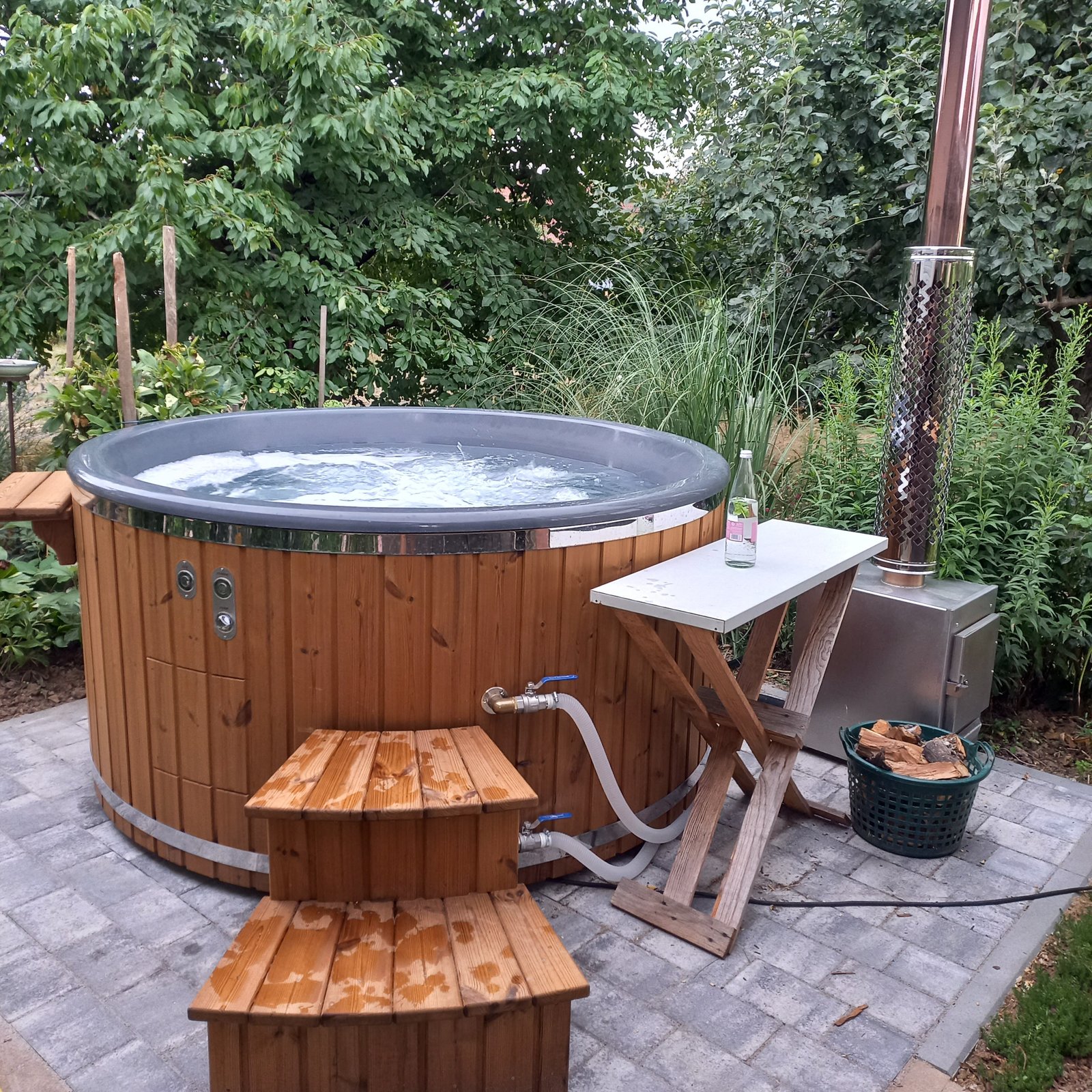
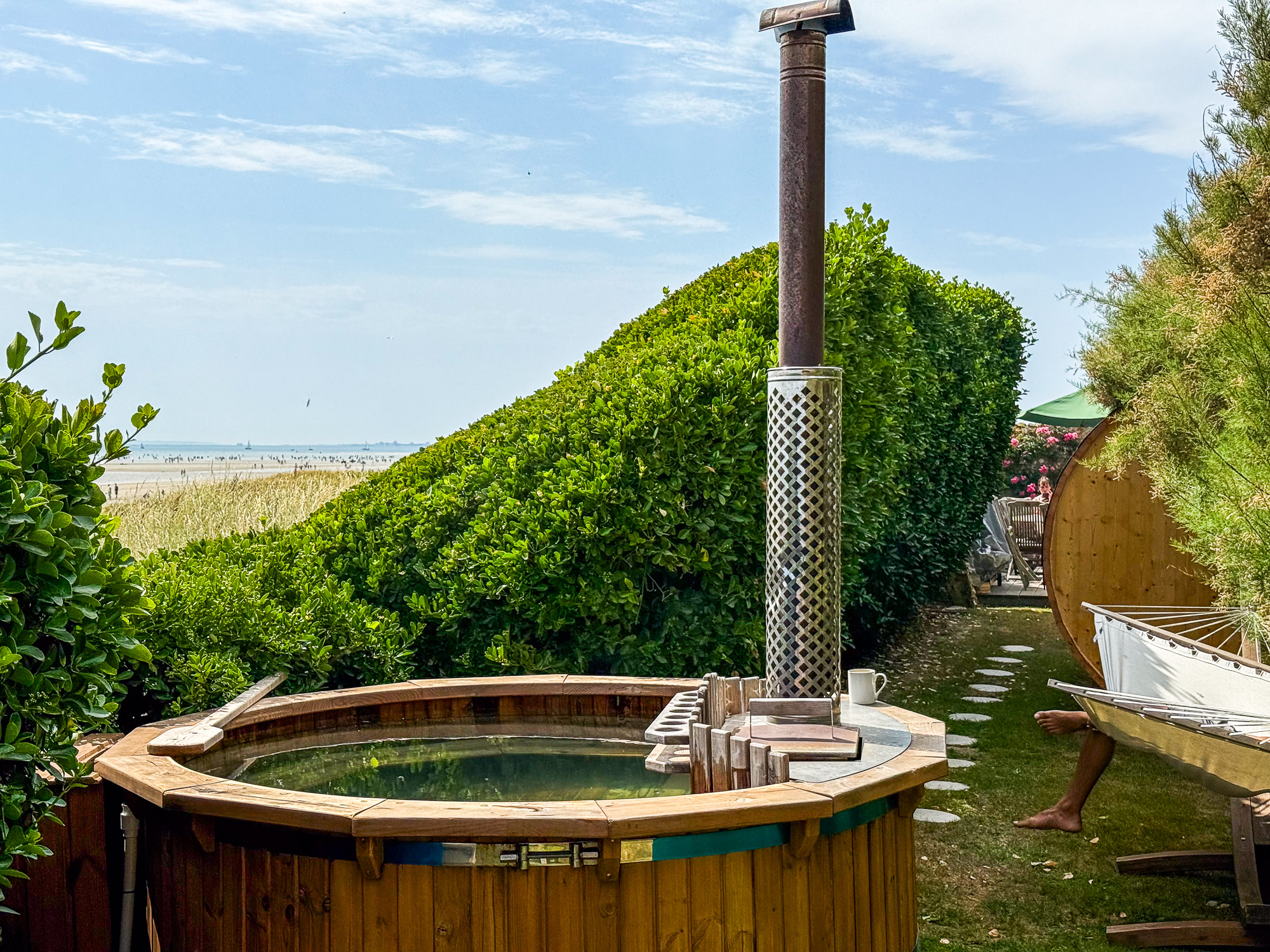
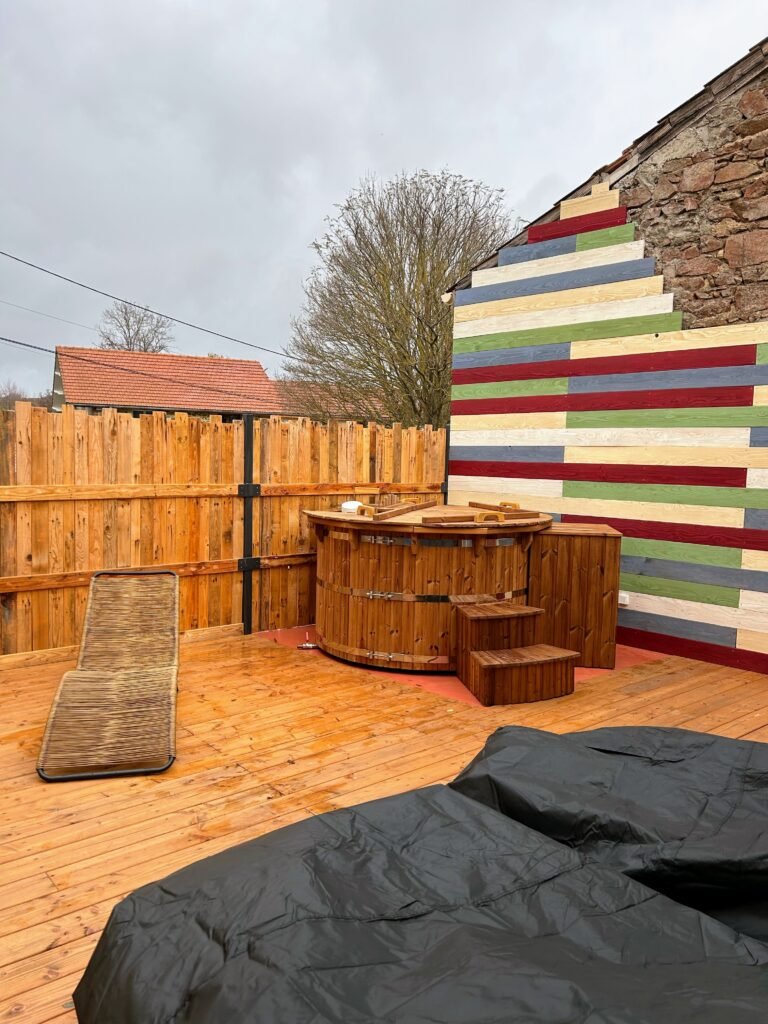
Review and installation photos →Hi, you can see the hot tub in these pics at our retreat.
Choose the barrel appearance with a clear construction specification
A barrel-style hot tub combines an upright circular vessel with vertical timber. Some hold water in wooden staves; others use a lined shell behind the timber exterior. Choose the construction, heater and care routine together.
Compare the traditional and lined configurations below, then check their actual seating, equipment and installation requirements. The barrel appearance is a starting point for the specification, not a promise of one material or heating system.
Compare barrel-style configurations · Understand the construction
From our customers
Customer projects matched to the products listed on this page. Earlier specifications and selected options may differ.
Customer projects from United Kingdom.
TimberIN Nordic™ Thermowood Deluxe
Review and installation photos →Hi, you can see the hot tub in these pics at our retreat.

Hi Albertas, as promised, I’ve attached some photos of our Hot Tub. We’re not on Facebook or the other social media platforms, but we’re happy for you to use any you might want for your website. It arrived Friday morning…
Hi Albertas, as promised, I’ve attached some photos of our Hot Tub. We’re not on Facebook or the other social media platforms, but we’re happy for you to use any you might want for your website. It arrived Friday morning 4th April and we were in the water and enjoying it on Saturday evening. We’ve been in it every night since! A big thank you to you and your team. The specification is exactly as planned, and the workmanship is excellent. You might welcome some feedback on a couple of relatively minor issues, which I hope you will find helpful. We only received 4 pictures of the hot tub, but in all honesty, these weren’t really enough for us to confirm that we would be happy with the product before making the final payment. We trusted the process and made payment, but it would have been better if we could have seen images of the liner and also inside the electric cupboard and the insulation. Just something to be aware of. The other minor point relates to the sand filter and UV-C. both of them came with European plug fittings that required changing. I would have thought that a UK specification would come with a UK plug. Again, this is not a huge point, but it was inconvenient to have to change these. Apart from those minor niggles, everything was great. So, once again, a big thank you to you and your team. Best of luck and continued success in the future.
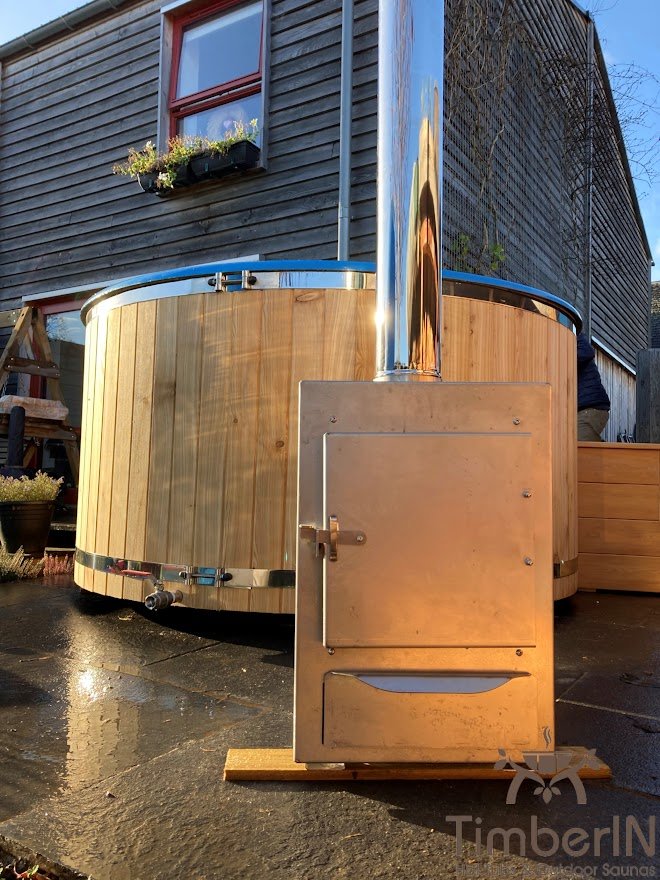
TimberIN Nordic™ External Comfort
We have, indeed, installed our spa... and we absolutely love it. The build quality and standard of materials are even better than we had hoped. The fact that we could order the spa without pumps or air jets was also fant…
We have, indeed, installed our spa... and we absolutely love it. The build quality and standard of materials are even better than we had hoped. The fact that we could order the spa without pumps or air jets was also fantastic; this way we can simply sit in lovely warm water and enjoy the peaceful Scottish Highlands with as little background noise as possible. Thank you and all of your staff for making such a good quality product, Alan
These families offer an upright circular bathing vessel with water-side timber or a vertical real-timber exterior option. Select timber where composite finishes are also offered. Lined builds use a separate water-retaining shell; the Mobile family also needs its trailer specification. Confirm the selected drawing and included equipment.
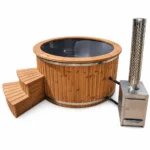
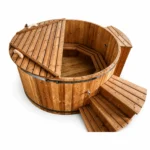
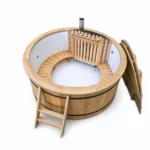
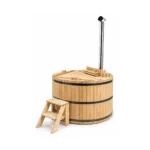
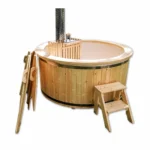
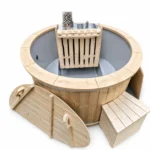
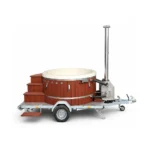
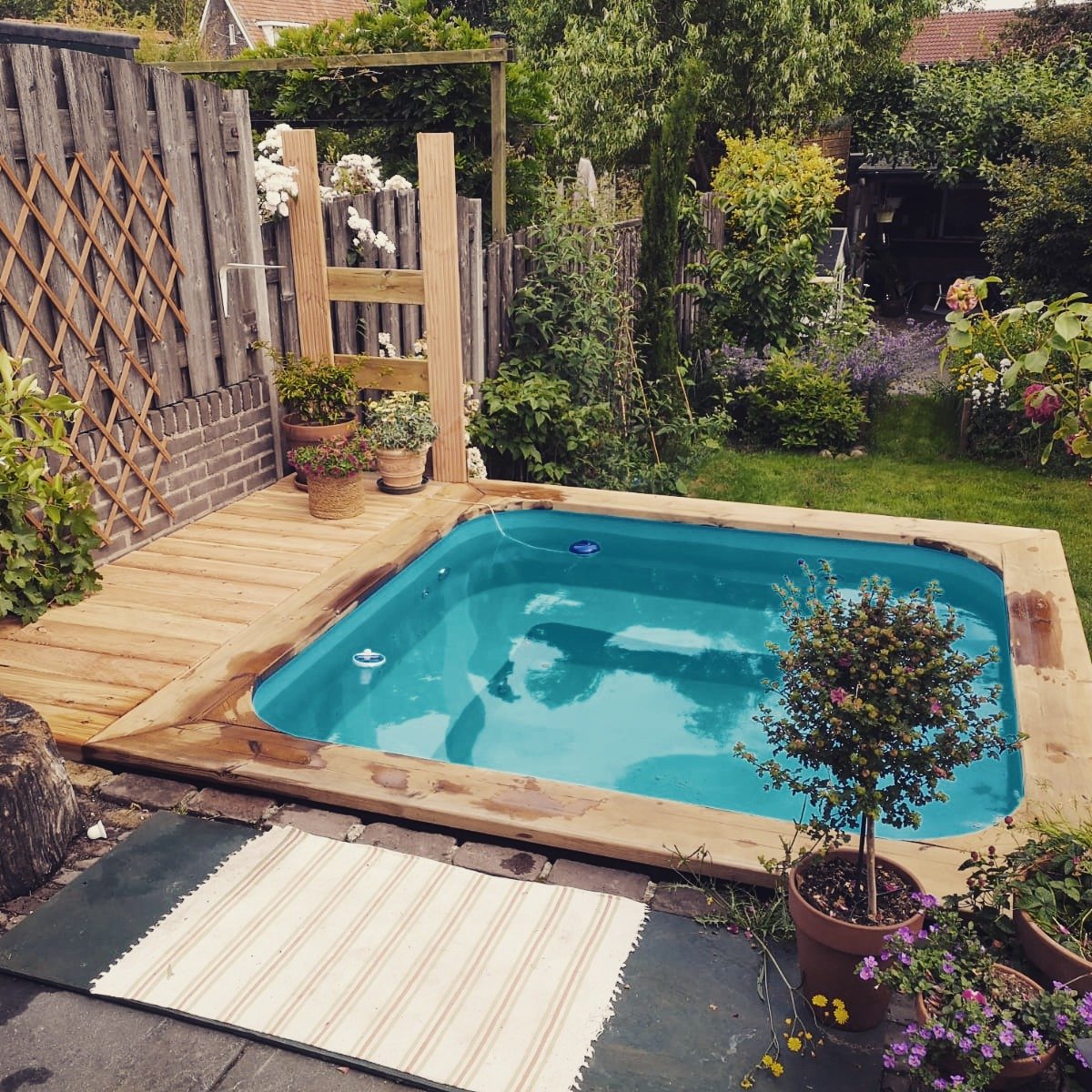
Compare these oval, square and recessed-shell families when their seating or installation better suits the project. A bare shell’s surrounding appearance depends on the separately designed enclosure.
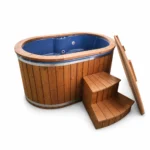
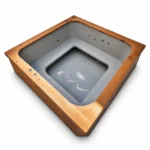
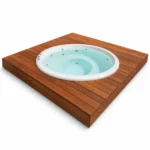
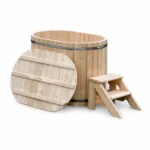
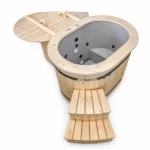
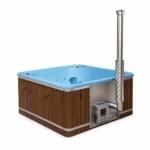
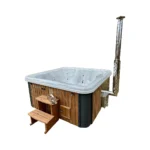
A barrel hot tub is an upright bathing vessel whose vertical timber and circular outline recall a coopered barrel. The phrase describes a recognisable form, but it does not establish what retains the water. One model may have timber walls and a timber floor; another may hide a polypropylene or fibreglass shell behind similar-looking boards. That distinction matters more to ownership than whether a seller calls the product rustic, Nordic or traditional.
Look at the inside as well as the exterior photograph. In an all-timber vessel, the wetted boards, their joints and the floor belong to the water-retaining structure. In a lined build, the inner shell performs that job and the outside timber provides its appearance and enclosure. Wooden benches do not by themselves prove that the vessel is timber: some lined configurations also offer timber seating.
Ask for three separate material descriptions: the bathing vessel, the seats and the exterior. Then identify any insulation between the liner and cladding. A clear answer makes it possible to compare cleaning, repair access and seasonal care without guessing from a cover-on photograph. Our wooden hot-tub guide explores the wider choice between water-side timber and a timber exterior.
Traditional stave construction uses accurately fitted timber held together by bands. Their purpose, position and adjustment belong to the maker’s design. A lined tub can also have exterior bands, so counting the hoops does not tell you whether the boards hold water. Do not assume that a decorative band should be tightened to the same setting as a structural one. Obtain the instructions for the actual vessel before adjusting anything.
The first catalogue group contains currently offered circular, upright bathing configurations with a timber vessel or real-timber exterior option. It includes both traditional and lined builds. Where a family offers composite cladding as well, select the timber option to obtain the appearance described here. A circular bare shell intended for recessing is a different installation: its eventual surround is designed separately.
Wooden Hot Tub Basic offers a straightforward spruce vessel with selectable diameters and wood-heater layouts. The traditional Wooden Jacuzzi family also documents round all-timber configurations; use the chosen size drawing to establish the ordered shape and seating rather than relying on a generic studio image. Nordic Deluxe provides a strongly timber-led Thermowood choice, with heater selection changing the available bench arrangement. Confirm the selected build’s water-side material in the quotation.
Nordic Core and External Comfort illustrate another route: a circular bathing shell with exterior timber and different heater positions. Flex offers a polypropylene shell with several equipment choices. Compact Snorkel and Nordic Value show how a lined circular vessel can retain the barrel appearance while using an internal wood heater. Their material and heater details remain distinct; the shared shape does not make their capacities or equipment interchangeable.
Electric, pellet and massage-equipped families can also offer this timber exterior. They belong in the style comparison when that finish is selected, though their services and care differ. The Mobile model adds a trailer platform and requires a separate transport and operating specification. Oval and square tubs follow as alternatives for different seating or site needs. No sauna building is included in this bathing-tub catalogue.
An all-timber tub is an assembled vessel, not a collection of ordinary fence boards arranged around water. Stave profiles, floor joints, band positions and support work together. Natural timber also responds to moisture. A new or dried vessel may therefore need a controlled first-fill routine that differs from commissioning a moulded shell. Ask for that routine before delivery, including what the maker expects you to observe and when to contact them.
Keep the joints and fittings accessible during initial checks. Water appearing at a timber joint is not automatically the same issue as leakage from a drain or heater connection. Record where it appears and follow the supplier’s response for that location. Avoid improvised sealants, household coatings or aggressive band adjustment: these can obscure the cause and make a straightforward inspection harder.
The heater’s commissioning instructions are separate from the timber’s wetting routine. Establish the required water level, a filled heater circuit and the specified circulation before firing. A barrel shape does not make a wood heater safe to run with too little water. Handover should explain both systems clearly, rather than leaving you to infer the sequence from photographs of finished installations.
An internal or snorkel-style heater occupies part of the bathing vessel. Its guard and access requirements reduce the area available to bathers even when the outside diameter stays unchanged. This can suit a site where separate equipment space is restricted, but the seat plan must show the protected heater zone. An integrated heater is another arrangement: it is built into the perimeter and should not be treated as an interchangeable name for every internal stove.
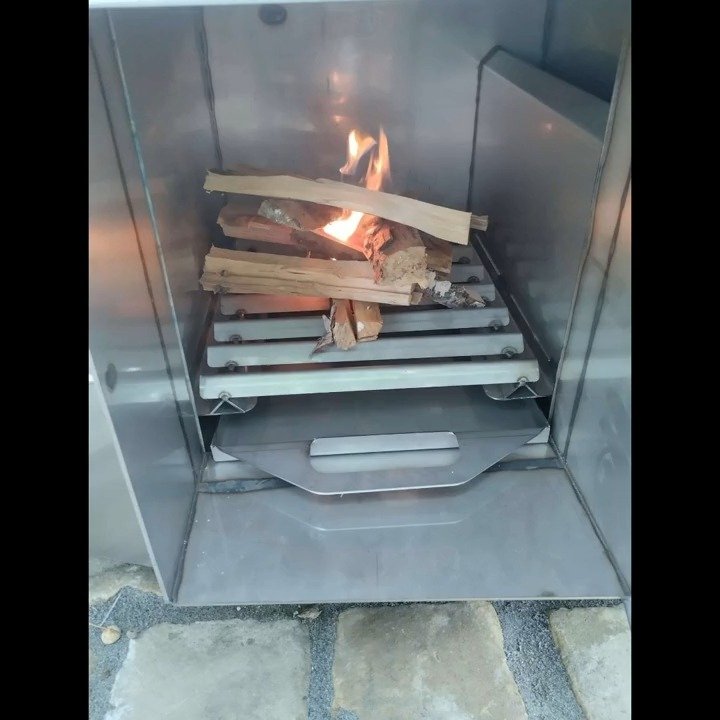
An external heater moves the firebox outside the vessel and may leave more of the circular bench available. It adds equipment and pipework beside the tub. Measure the complete installation, including the specified clearances, fuel-loading approach and maintenance route. A smaller-looking tub with an external stove can need more usable garden space than the diameter alone suggests.
Electric heat changes the services and operating routine without necessarily changing the barrel appearance. Hybrid and pellet configurations add their own controls and equipment. Confirm the selected model’s power requirements and installation responsibilities; decorative simplicity outside does not mean there is no equipment to service. The wood-fired range guide helps compare fire-heated configurations when deciding whether that routine suits your household.
Heating performance depends on the actual water volume, starting conditions, heater, cover and weather exposure. There is no reliable warm-up promise attached to the word barrel. Ask for an estimate for the chosen configuration and its assumptions. Equally, adding jets does not change a lined vessel into a traditional wooden one, and wood heating does not remove the electrical needs of any powered accessories.
A circular bench encourages people to face inward, but comfort comes from the detailed layout. Ask for the usable seating arc, bench height, seat depth and central legroom with the selected heater fitted. An internal stove may remove a section of bench. A moulded liner may divide the interior into shaped seats, while a timber bench can offer a different sitting position. Neither arrangement is universally more comfortable.
The wall height is not the bathing depth, and the maximum rim level is not the operating waterline. Water displacement changes when people enter. The supplied instructions should state the working fill level for the intended occupancy and heater arrangement. Compare the regular users’ needs, including stepping down and getting out, rather than treating the largest advertised headcount as your everyday seating plan.
Plan a stable approach to the steps and somewhere to pause before entering. A round rim can be visually inviting without providing a suitable handhold for every user. Discuss any access support needed and confirm which accessories are designed for the chosen model. Keep the route clear of heater loading, pipework and cover storage. For a comparison centred on circular seating and the footprint itself, see the round hot-tub range.
Water-side timber needs the maker’s guidance for wetting, cleaning, periods out of use and approved water treatment. A lined shell avoids relying on stave joints to retain the bathing water, but it still needs cleaning and a suitable water-care routine. Exterior timber on either type also needs inspection. Keep these duties separate when comparing products: a wipe-clean interior does not make the whole installation maintenance-free.
| Detail to establish | All-timber vessel | Timber-clad lined vessel |
|---|---|---|
| Water retention | Timber floor, staves and their designed joints | Specified inner shell and its fittings |
| First commissioning | Maker’s wetting and inspection routine | Shell, connection and equipment checks |
| Exterior bands | Follow the structural design and adjustment instructions | Confirm their purpose before any adjustment |
| Cleaning materials | Approved for the wetted timber and equipment | Approved for the liner, seals and equipment |
| Seasonal shutdown | Resolve timber condition as well as heater and pipe drainage | Resolve shell, fittings, heater and pipe drainage |
Filtration and water treatment must be specified as a working system for how the tub will be used. A cover helps protect the vessel between uses, but neither a cover nor clear-looking water proves that water care is adequate. Follow the supplied testing, cleaning and replacement instructions for the exact installation. Do not transfer a treatment routine from another vessel material without checking compatibility.
Exterior colour will also change with exposure and the chosen finish. Establish which surfaces may be treated and with what product; a coating approved for cladding is not automatically suitable below the waterline. Keep access to bands, drains and equipment, and inspect the underside and surrounding area as instructed. If you prefer uncomplicated hot soaking, the wood-fired soaking guide helps separate the desired bathing experience from optional powered features.
Position the tub using its complete operating envelope: vessel, heater, steps, cover handling and service access. The base must suit the confirmed filled load and the manufacturer’s support requirements. The attractive outline does not tell you how the underside should be supported. If a deck or platform is proposed, resolve that structure before delivery and ensure the tub can be inspected without dismantling the whole surround.
Agree how the unit reaches its final position. A completed circular vessel needs an access route sized for the delivered package, while a flat-pack option transfers assembly work and responsibility to the site. Confirm which route is actually available for the chosen model. Record gates, corners, changes of level and any lifting arrangement, including who supplies the equipment and who accepts the delivered unit.
Plan drainage and winter use at the same time. The main vessel is only one place water may remain; heaters, fittings and optional equipment have their own shutdown requirements. An exposed garden and an occasionally used property need a deliberate operating or shutdown plan. Confirm access to every relevant drain and service point before adding screens or planting around the timber.
Keep the final drawing, accepted equipment list and operating instructions with the tub’s records. If a cover, band, drain component or heater part later needs replacing, the family name alone may not identify the correct version. Record the selected dimensions and equipment references at handover, together with the supplier’s contact route for parts. A photograph of the accessible connections can help explain a fault without dismantling the installation.
Ask what can be removed independently and how it is reached. Decorative cladding that looks seamless may conceal a service panel; a surrounding screen can inadvertently block it. Leave the removal space described for the installed equipment, not just enough room to glance behind a board. This is particularly useful when comparing an integrated heater with an external unit. The aim is a finished garden setting that remains practical to own after the first season.
Send the model and selected size, intended regular occupancy, preferred water-side material, exterior timber and heater arrangement. Ask the quotation to repeat the bench layout, cover, steps, guards, insulation, filtration and other selected equipment. Separate supplied items from site work and installation services, and confirm the final drawing before ordering a close-fitting surround.
For price comparison, use the same complete scope for each build. A no-heater variation and a fully equipped heated package answer different needs. The wood-fired cost guide explains the wider project allowances. Include your delivery postcode and access information so the response can address the actual site.
No. The term can describe the appearance of a timber-clad lined tub as well as an all-timber vessel. Confirm the water-retaining material, bench construction and exterior separately.
Follow the specific maker’s inspection and adjustment instructions first. Establish whether the water comes from a stave joint, floor joint or fitting. Bands may have different roles on traditional and lined builds, so an improvised adjustment is not a universal repair.
No. A barrel hot tub is an upright vessel for bathing in water. A barrel sauna is an enclosed room with a different structure, heater and installation. Choose from the hot-tub models here when water bathing is the intended use.