
Outdoor Spas UK: Hot Tubs, Whirlpool Systems and Buying Guide
“Outdoor spa” can describe a simple heated soaking tub, a hot tub with hydromassage, or a complete garden wellness area. The label does not tell you whether the water is wood-heated or electric, whether jets are included, or how the tub is filtered and maintained.
This guide turns the broad search into practical choices: bathing experience, body construction, heating, jets, water care, capacity, electrical work and site preparation. It helps UK buyers compare TimberIN configurations without assuming that every spa feature belongs in every tub.
Choose the experience first: calm soaking, wood-fired ritual and active hydromassage need different equipment. Add features from the session you want, not from the word “spa”.
Spa, hot tub, whirlpool and Jacuzzi: what do the terms mean?
Hot tub is the broad everyday term for a heated bathing vessel. Spa can mean the same thing or imply a wider wellness experience. Whirlpool usually suggests water jets that circulate water through a pump. Jacuzzi is a protected brand name, not the generic name for every jetted tub.
Use the equipment schedule rather than the marketing word. A “wooden outdoor spa” may have a moulded insert inside timber cladding; a “wood-fired spa” may still use electricity for jets and filtration; and a quiet hot tub can provide a spa-like experience without any pump system.
Choose by bathing experience
| Experience | Core equipment | Main ownership question |
|---|---|---|
| Quiet outdoor soak | Tub, heater, cover and a suitable water-care routine | How will water be heated, kept clean and drained? |
| Wood-fired ritual | Approved stove, chimney, guarding and fuel | Who prepares and monitors the fire safely? |
| Hydromassage | Water jets, pump, controls and pipework | Do the jet positions suit the actual users? |
| Air-bubble massage | Blower, air lines and outlets | Are the sound, power and winter maintenance acceptable? |
| Ready-for-frequent-use spa | Controlled heat, filtration, insulation and cover | Can the electrical supply and maintenance routine support it? |
Current outdoor hot-tub and spa configurations
The current range appears below. Models in this collection have different standard and optional equipment; open each product and confirm whether the configuration includes wood or electric heating, jets, bubbles, lighting, filtration and insulation.
-
Product on saleSave up to 16% Wood Fired Hot Tub with Jets – TimberIN Nordic Rojal™ (4–8 Person)
From: £6,785From: £5,874 -
Modular coreTimberIN Nordic Core™From: £3,289
-
ThermowoodThermowood Hot Tub – TimberIN Nordic™ Deluxe (Wood-Fired, 4–8 Person)From: £3,200
-
2-person model2 Person Wood Fired Hot Tub – TimberIN Nordic DuoFrom: £2,420
-
Square modelSquare Wood Fired Hot Tub – TimberIN Nordic Square™ (160–220 cm)From: £2,862
-
In-ground modelTimberIN Nordic™ InGround Comfort – Sunken & In-Ground Hot Tub SystemFrom: £1,662
-
External stoveWood Fired Hot Tub with External Stove – TimberIN Nordic™ External ComfortFrom: £3,300
-
PolypropylenePolypropylene Hot Tub – TimberIN Nordic Flex™ (160–220 cm, Configurable)From: £2,537
-
Traditional timberWood Fired Wooden Jacuzzi – Traditional Timber Hot TubFrom: £2,751
-
Spruce value modelWooden Hot Tub Basic – TimberIN Nordic™ (Affordable Wood Fired Model)From: £2,276
-
App-controlled pelletsTimberIN Nordic™ Pellet Comfort – Wood Pellet Heated Hot TubFrom: £5,350
-
Compact for 44 Person Wood Fired Hot Tub – Compact Snorkel Stove DesignFrom: £2,891
-
Product on saleSave up to 17%Affordable Wooden Hot Tub for Your Garden – TimberIN Nordic Value™From: £3,190From: £2,860 -
8-person modelLarge 8 Person Wood Fired Hot Tub – TimberIN Nordic Elite™ SquareFrom: £4,290
-
Trailer modelMobile Wood Fired Hot Tub on Trailer – TimberIN Nordic Mobile™From: £5,655
-
Acrylic luxuryTimberIN Nordic Square™ Acrylic Hot Tub – External or Integrated Wood Stove (Luxury Marble Edition)From: £6,787
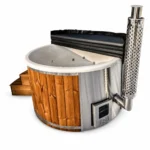
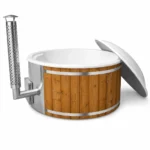
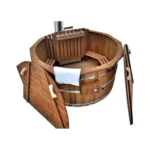
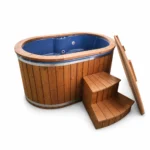
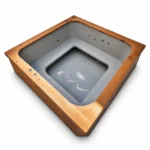
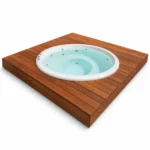
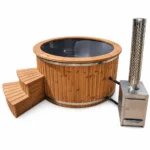
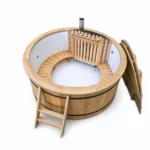
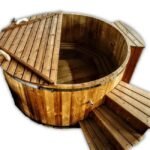
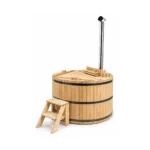
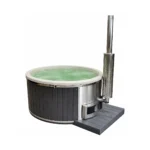
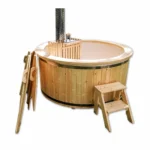
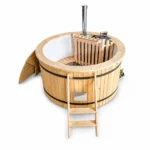
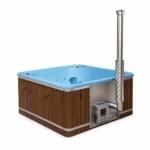
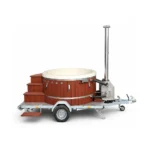
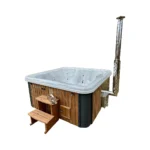
Wood-fired outdoor spa
A wood-fired hot tub centres the session on the fire. The user manages fuel, water level, circulation, temperature, ash and chimney care. External, integrated and internal heaters change the footprint and seating, so use the final drawing to choose the arrangement.
Wood heat does not make the whole spa off-grid when pumps, jets, filters or lights are selected. List every powered component and give the load data to the installer. Never light a water heater dry, obstruct the required circulation or drain the tub while the stove remains hot.
Electric outdoor spa
Electric heating can provide repeatable controls and may suit frequent use. The property supply must be assessed for the heater plus pumps, filtration, blowers, lights and controls. A small shell does not guarantee that a normal socket is suitable.
Give a competent electrician the exact rated equipment before fixing the order. Agree cable route, isolation, protective devices, testing and certification. The electric wooden hot-tub guide explains the complete planning route.
Hydromassage jets and air bubbles
Hydromassage jets move water through a pump; air systems introduce bubbles through a blower. They feel different and have different pipework, noise, power and maintenance. Ask which positions serve each seat, whether intensity is adjustable and which systems can operate together.
More outlets are not automatically better. Useful placement, pump capacity and comfortable seating matter more than headline counts. Inspect access to pumps, unions and valves and understand the drain-down procedure. See the hot tubs with jets guide before selecting a massage package.
Wooden appearance versus bathing-surface construction
A spa can look wooden because timber clads a fibreglass, polypropylene or acrylic bathing shell. This combines a wooden exterior with a moulded, smooth interior. Compare seat shape, colour, repair guidance and temperature limits for the selected insert.
A traditional wooden-body tub offers direct timber contact but has a different swelling, storage, hygiene and maintenance routine. Neither is inherently superior. Use the wooden hot-tub guide to decide whether the material experience justifies the care.
Size, seating and water volume
Choose from normal users, not occasional maximum capacity. Request internal dimensions, usable bench length, depth and heater intrusion. A large spa needs more water and a larger base; a compact model may still be comfortable when the seats and legroom suit the users.
Couples can compare two-person tubs; households can use the four-person guide. If massage is important, check that both users can sit at useful jets without crowding controls or entry points.
Filtration and water management
An outdoor spa can use a fill-and-drain routine or a filtration and treatment system suited to its usage. Jets and warm retained water increase the importance of planned hygiene. Follow model, filtration and treatment guidance and keep pumps and filters accessible.
Guest and commercial use requires a formal water-management process, cleaning and testing records appropriate to the operation. Do not assume that a domestic routine is sufficient for a holiday let or paying users.
Noise, controls and service access
Pumps and blowers add sound that can matter near bedrooms and boundaries. Position equipment and schedule use with neighbours in mind. Remote or timed controls should only be used where the approved system and safe operating routine support them.
Leave removable access to every pump, heater, filter, union, drain and control. A built-in deck should not conceal the systems that make the spa work. Record equipment positions before landscaping and retain an isolation and fault-reporting procedure.
Foundation, drainage and outdoor layout
The base must support the fully loaded tub at its intended support points and remain level. Ask for the empty weight, water volume and final drawing before a patio, slab or deck is designed. Plan filling and lawful drainage without flooding buildings or neighbouring land.
Mark the tub, heater, steps, open cover and maintenance route at full size. Include privacy and safe access, but do not trap damp against timber or block ventilation. The garden hot-tub guide provides a detailed site method.
Delivery and installation sequence
Measure the route from the public road to the prepared base, including gates, turns, walls, slopes and overhead cables. Compare it with the packed size, weight and lifting points of the final configuration. The addition of pumps, steps or a separate heater can change how the shipment is handled.
Clarify whether the carrier provides kerbside delivery, unloading or placement. Prepare the foundation and service routes from approved drawings, keep the delivery path open, then connect and commission the equipment before permanent screening or decking is closed. Retain electrical certificates, manuals and the selected-option schedule.
Private, holiday-let and commercial spa use
A private owner can supervise known users and adapt the water routine to real use. A holiday-let or commercial spa needs controlled access, written instructions, cleaning and water records, pre-use inspections, fault isolation and emergency arrangements. The operator should also confirm insurance and relevant local requirements.
A complex feature package is not automatically better for guests. Choose controls that authorised people can understand and equipment that staff can inspect. Avoid unsupported medical or therapeutic promises; people with health concerns, pregnancy or medication questions should seek appropriate professional advice before heat bathing.
Cover, insulation and winter routine
A fitted insulated cover helps reduce heat loss and debris and forms part of the safety routine. Wall and base insulation can also matter. Ask what is included and how the cover works around a chimney, lifter or surrounding deck.
For winter, decide whether the spa remains ready or is drained. Follow the exact procedure for the shell, stove, pumps, filters, jets, air lines and valves; hidden residual water can freeze. Keep the access path and steps well lit and free from ice.
Compare the complete outdoor-spa price
| Price layer | What it may contain | Question to ask |
|---|---|---|
| Base tub | Selected shell or timber body, cladding, benches and drain | Which size and material does the displayed price represent? |
| Heating | Wood stove and chimney or electric heater and controls | Is the complete approved heating package included? |
| Spa equipment | Jets, bubbles, lighting, filtration and pumps | What power, pipework and maintenance does each system add? |
| Comfort | Cover, steps, insulation and accessories | Are they compatible with the selected configuration? |
| Site and delivery | Freight, unloading, lifting, foundation, drainage and installation | Where does the supplier’s responsibility end? |
Outdoor-spa buying checklist
- Define calm soaking, fire-led use, massage or frequent controlled operation.
- Confirm body construction, usable seating and operating water volume.
- Select heating and every powered spa component as one system.
- Have electrical, stove and chimney requirements assessed.
- Choose water care, cover, insulation and winter procedure.
- Plan foundation, drainage, delivery and service access.
- Compare one itemised delivered and installed specification.
Frequently asked questions
What is the difference between an outdoor spa and a hot tub?
There is no universal technical distinction. Spa may imply massage or a broader wellness setting, while hot tub is a general heated-bathing term. Compare the actual heater, jets, filtration and construction.
Does every outdoor spa have jets?
No. Some are simple heated soaking tubs. Hydromassage and air systems must be listed in the selected configuration and add pumps, power, pipework and maintenance.
Can a wood-fired spa also have electric jets?
Yes, where the model supports the combination. Wood heats the water while pumps and controls require electricity. Confirm compatibility and the total electrical load.
Is a wooden outdoor spa difficult to maintain?
Maintenance depends on whether timber forms the bathing body or only the cladding, plus the water and equipment systems. Ask for the exact cleaning, finish, storage and winter routine.
How much does an outdoor spa cost?
The total depends on size, body, heater, spa equipment, cover, insulation, delivery and site work. Compare itemised configurations rather than starting prices or generic labels.
Configure the experience, not the label
Share the regular users, preferred heat, desired massage, available space and electrical information. TimberIN can then document the tub and equipment that create the intended outdoor-spa experience.