
Charles — London, United Kingdom
TimberIN Nordic™ Thermowood Deluxe
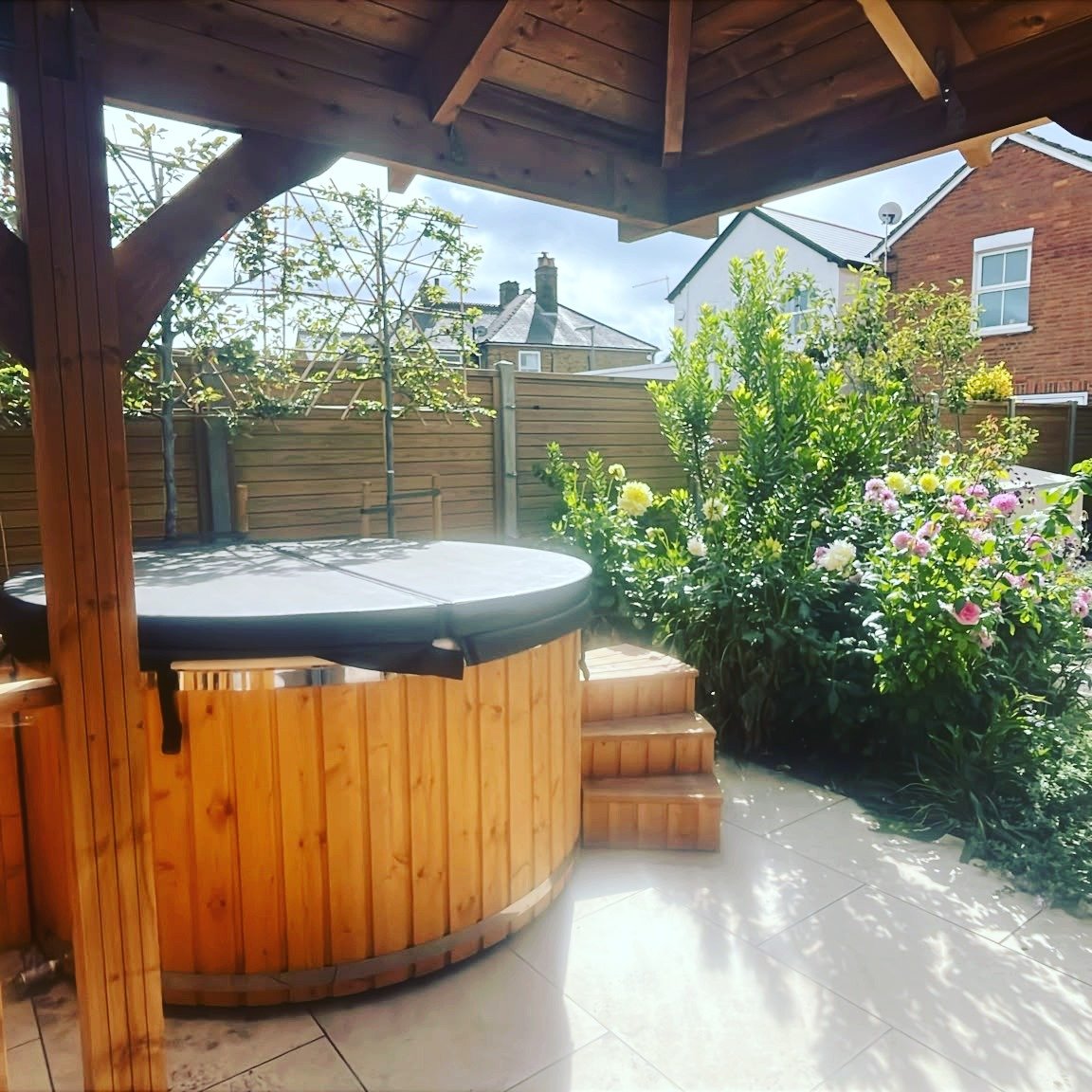
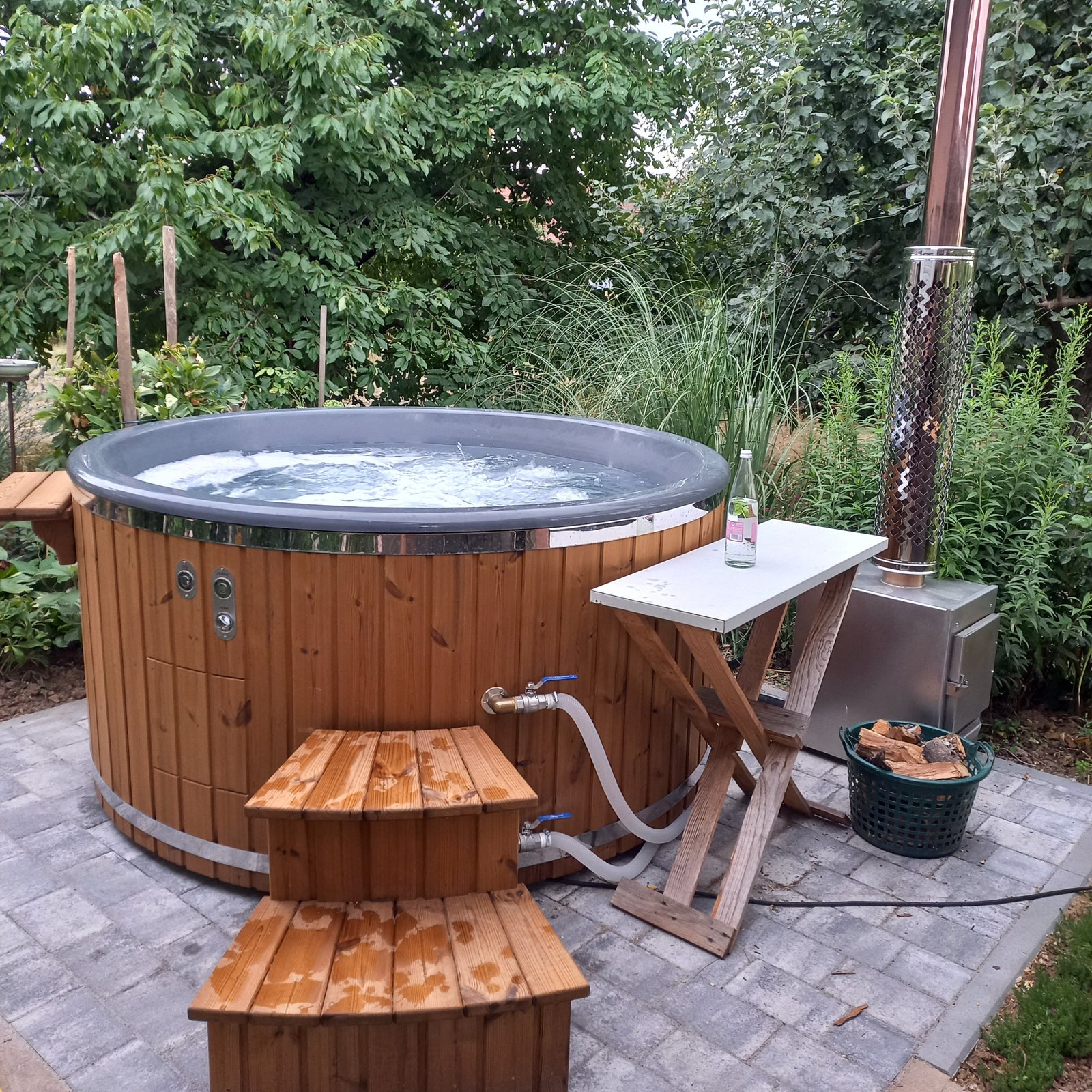
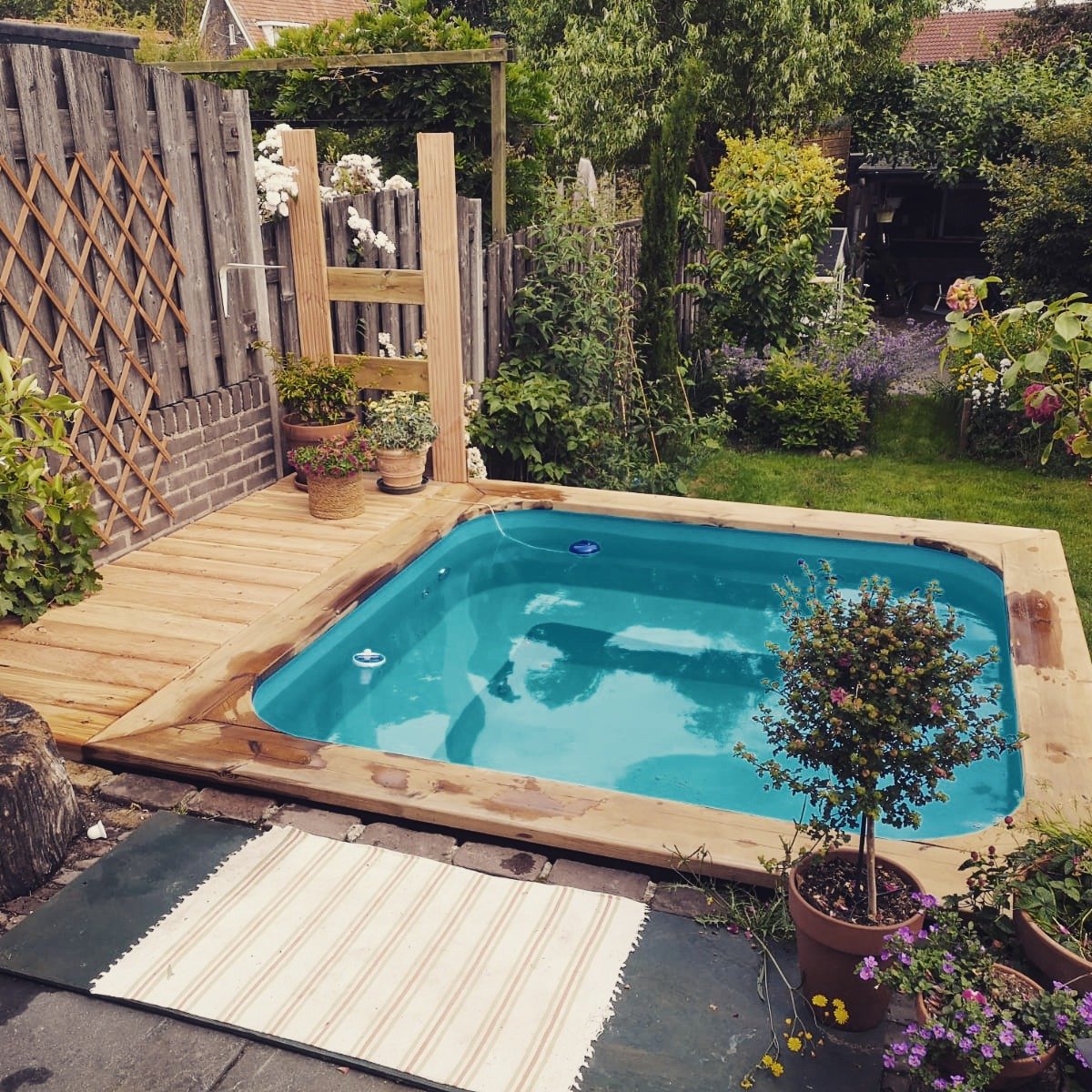
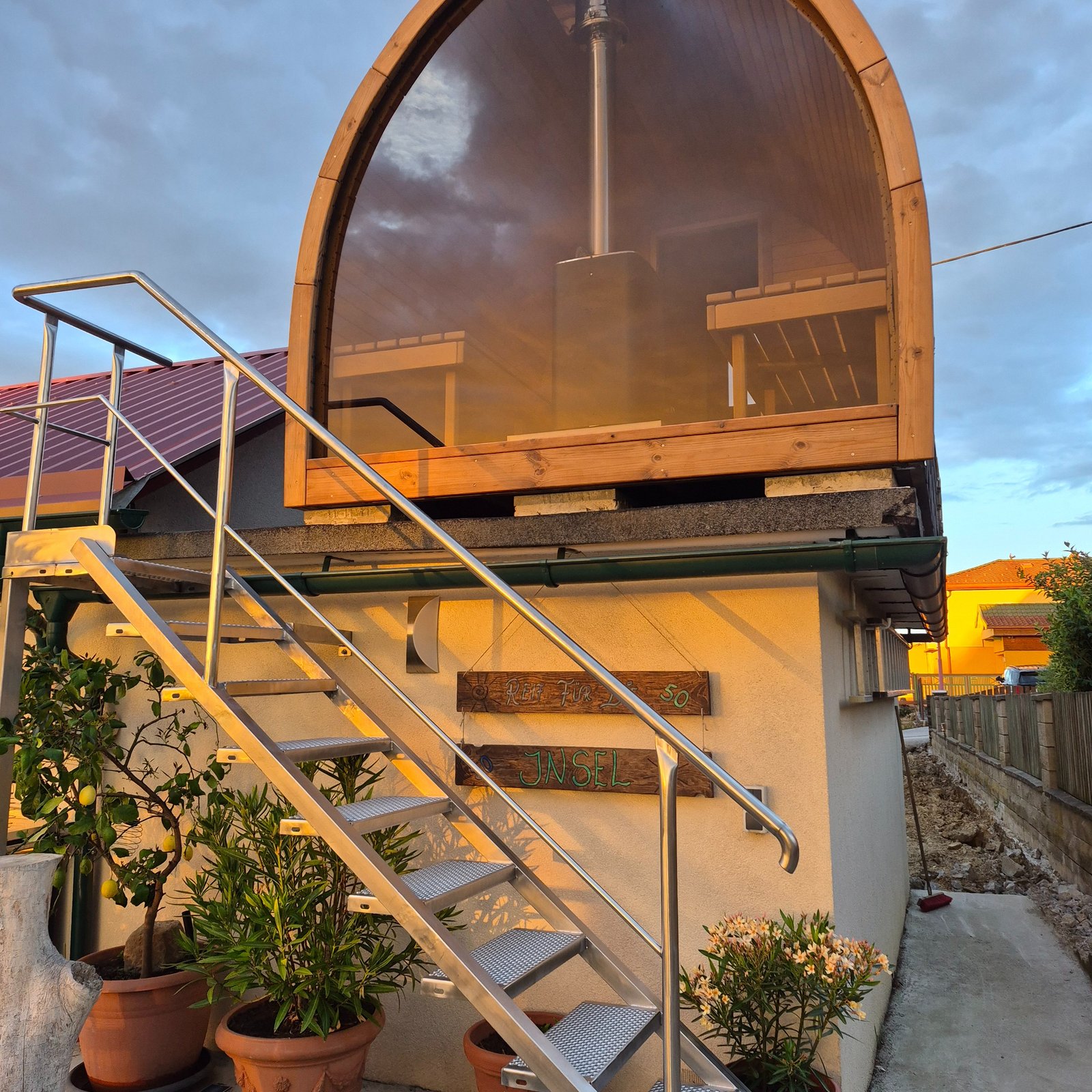
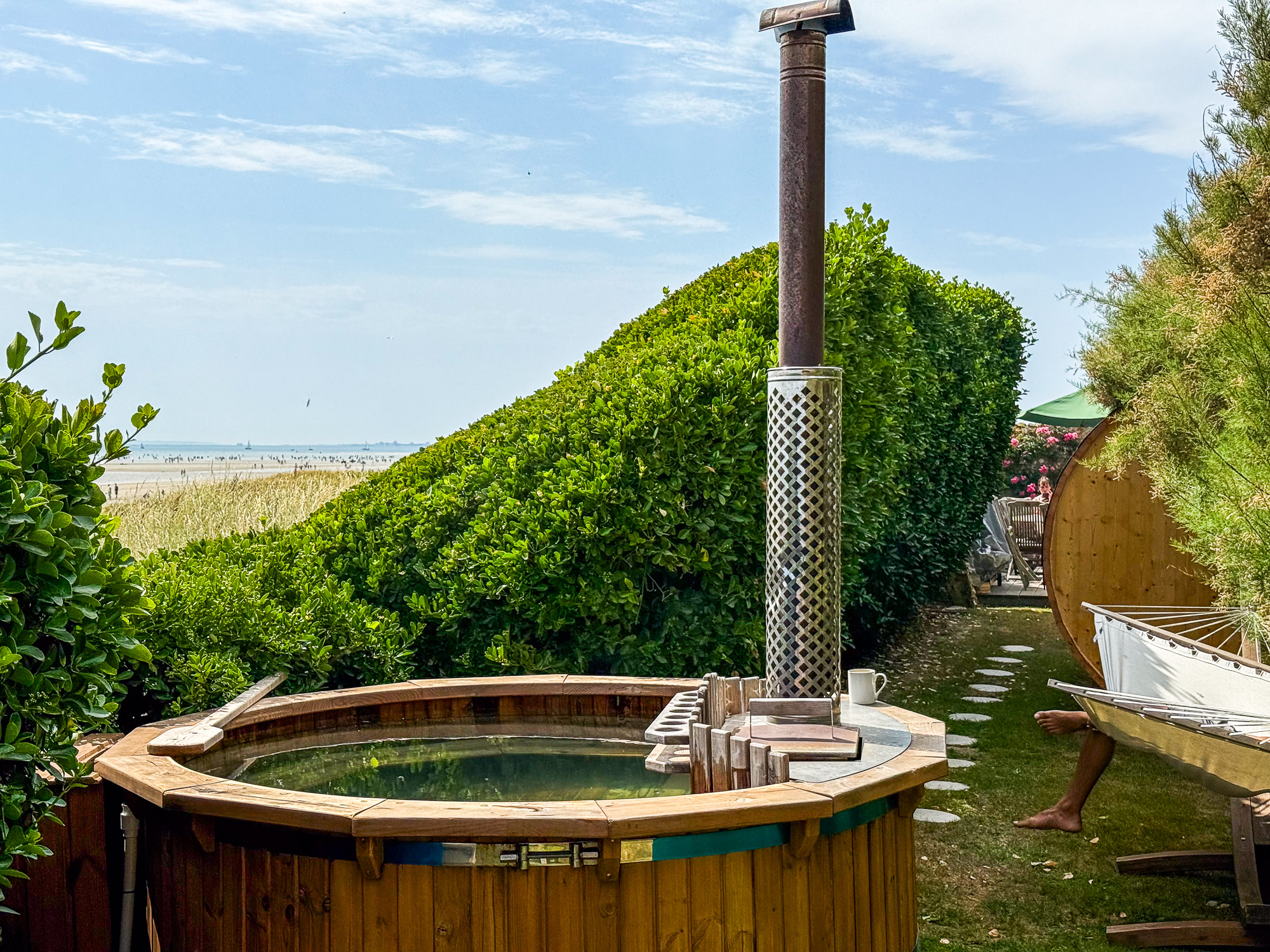
Review and installation photos →Hi, you can see the hot tub in these pics at our retreat.
From the first price to the finished garden
The right budget includes the tub you have configured, the journey to its final position and the work that makes the site ready. Start with current model prices below, then account for the details that change your own total.
This guide separates equipment choices, delivery, site work and ongoing costs so you can compare written quotations on equal terms. Current wood-fired configurations appear first; electric and pellet alternatives remain available for comparison.
View current model prices · Check the quotation scope
From our customers
Customer projects matched to the products listed on this page. Earlier specifications and selected options may differ.
Customer projects from United Kingdom.
TimberIN Nordic™ Thermowood Deluxe
Review and installation photos →Hi, you can see the hot tub in these pics at our retreat.

Hi Albertas, as promised, I’ve attached some photos of our Hot Tub. We’re not on Facebook or the other social media platforms, but we’re happy for you to use any you might want for your website. It arrived Friday morning…
Hi Albertas, as promised, I’ve attached some photos of our Hot Tub. We’re not on Facebook or the other social media platforms, but we’re happy for you to use any you might want for your website. It arrived Friday morning 4th April and we were in the water and enjoying it on Saturday evening. We’ve been in it every night since! A big thank you to you and your team. The specification is exactly as planned, and the workmanship is excellent. You might welcome some feedback on a couple of relatively minor issues, which I hope you will find helpful. We only received 4 pictures of the hot tub, but in all honesty, these weren’t really enough for us to confirm that we would be happy with the product before making the final payment. We trusted the process and made payment, but it would have been better if we could have seen images of the liner and also inside the electric cupboard and the insulation. Just something to be aware of. The other minor point relates to the sand filter and UV-C. both of them came with European plug fittings that required changing. I would have thought that a UK specification would come with a UK plug. Again, this is not a huge point, but it was inconvenient to have to change these. Apart from those minor niggles, everything was great. So, once again, a big thank you to you and your team. Best of luck and continued success in the future.

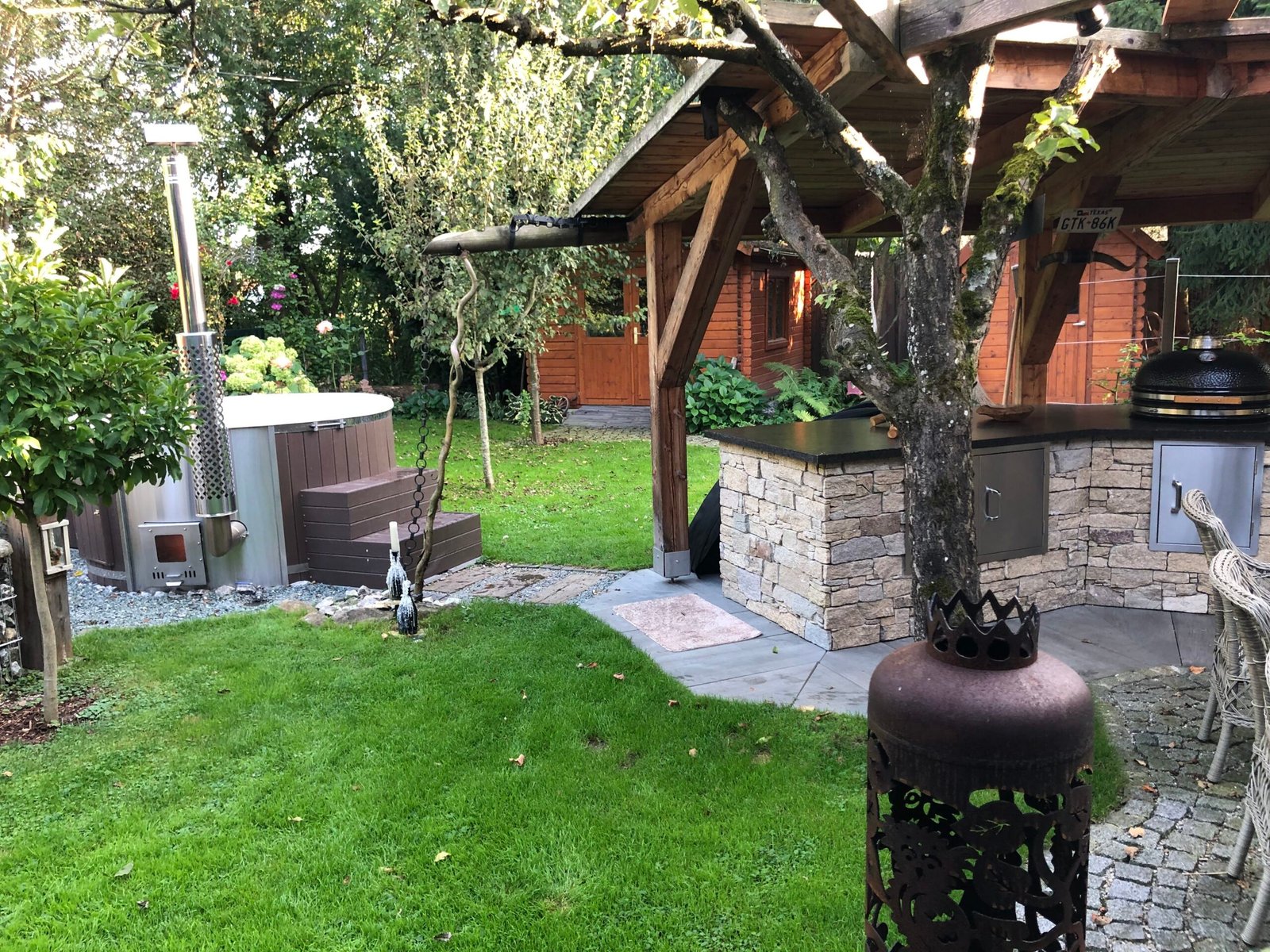
Review and installation photos →Hi, we have finally moved into our house & hot tub is amazing! Attached photo (feel free to use!)
Open a model to select its size, heater and equipment. A starting price or range can include different configurations; confirm the wood-fired package and destination quotation before comparing complete project totals.
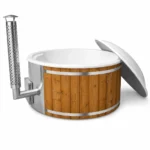
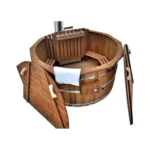
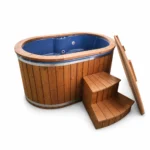
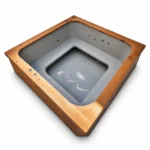
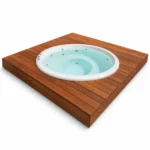
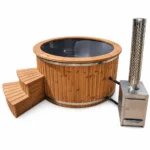
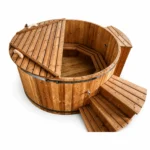
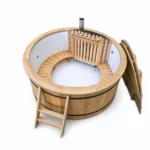
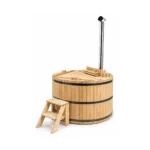
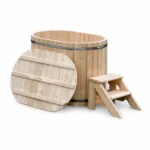
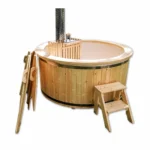
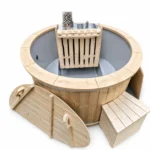
These model families use different heating arrangements. Compare their equipment and operating requirements separately from a log-fired setup.
The useful answer to “How much does a wood-fired hot tub cost?” starts with the model you want, then follows it all the way into the garden. The live cards above show current catalogue prices. Your selected size, heating arrangement and extras establish the equipment quotation. Delivery, placement and preparation establish the rest of the project. Treating those amounts separately makes gaps easier to spot.
These three amounts form the purchase and installation budget. Ongoing fuel, water care, electricity where required and maintenance belong in a separate ownership allowance. Ask which items are included, which are optional and which must be arranged with another contractor; an unpriced line is an unresolved cost, not a saving.
A starting price can be perfectly useful without describing your finished setup. It may refer to a smaller size, another heater choice or a model without the extras shown in lifestyle photographs. Some product families also offer a no-heater configuration. Open the product and choose the relevant wood-fired arrangement before comparing it with a complete heated package.
For a broad comparison of heating layouts and model families, visit the wood-fired hot-tub range. Here, the focus is the scope behind the price: what you receive, what remains to be done and what you will pay to operate the tub in your own circumstances.
Begin with the configuration that accommodates your normal group comfortably. A larger tub can change the purchase price, water volume and installation requirements together. Buying extra space only for occasional visitors can be worthwhile, but it should be a conscious choice. Compare usable seating, internal measurements and the selected version rather than treating a broad capacity label as a complete specification.
The shell also matters. A traditional timber tub, a polypropylene liner, a fibreglass interior and an acrylic interior are different products with different construction and care requirements. The colour and shape visible in a photograph do not tell you what is supplied. Ask for the shell material and finish to be stated separately from the exterior cladding, especially when two quotations use similar names.
Available wood choices vary by model. The current catalogue includes choices such as spruce, larch, thermowood and oak on some families; that does not mean every finish is available on every tub. Compare the selected finish, its treatment and its recommended maintenance. A more expensive exterior is not, by itself, proof of a better insulated or lower-maintenance complete installation.
Keep appearance upgrades visible as individual decisions. If the tub will be surrounded by decking, establish which surfaces remain visible and accessible before paying for a finish. At the same time, do not use surrounding construction to hide joints or equipment that needs inspection. A garden design should preserve the manufacturer’s access requirements.
An external heater, an integrated heater and an internal snorkel arrangement occupy space differently. Their quoted packages should identify the actual heater, relevant flue components, connections and any specified protective equipment. Compare the complete compatible assembly rather than the stove alone. The lowest component price does not establish the cost of making it work with your chosen tub.
Use the wood-fired heater guide when deciding between layouts or discussing a compatible heater package. If a model offers a hybrid, ask for the electric equipment and the necessary installation work to be separated in the quotation. Optional electrical support should not be mistaken for something included in the basic wood-fired price.
Ask each supplier or contractor to answer the same questions below. The aim is a comparable scope, not identical wording. Record the selected specification, the responsible party and the quoted amount for each relevant line. Where the work cannot yet be priced, identify what information is needed to settle it.
| Budget line | Define in writing | Common gap to resolve |
|---|---|---|
| Tub and heater | Exact model, size, shell, cladding, heating configuration and supplied parts. | A photograph or starting price describes a different configuration. |
| Cover and equipment | Cover type, insulation, steps, filtration, massage and controls selected. | An accessory is pictured or described but not included. |
| Delivery and placement | Destination, unloading method, delivery point and route to the final position. | Transport ends before the tub reaches its base. |
| Site and services | Suitable support, access preparation, drainage planning and any electrical work. | Separate contractor work has no confirmed allowance. |
| Order total | Currency, applicable tax treatment, charges, payment stages and quotation validity. | The displayed amount and payable quotation have different scopes. |
For two competing quotations, mark each item as included, optional, excluded or awaiting confirmation. Do not compare their totals until you have accounted for material differences. One package may include a cover and filter while another leaves both to selection. Either can be appropriate, but a headline-price comparison hides that choice.
A cover, insulation, filtration, steps, water jets and air bubbles have different jobs. Price them as separate decisions rather than calling every accessory an upgrade of equal importance. Ask what the model already includes and what the supplier recommends for your intended routine. Avoid paying twice for equipment that is part of a selected package.
Filtration and water care need to match how long water will be retained and how the tub is used. A weekend routine is not automatically suitable for frequent bathing or a rental property. Discuss that use before removing equipment from a quotation to reduce the total. The appropriate care procedure depends on the actual system, and a filter does not replace treatment and testing.
For massage, distinguish water jets from an air-bubble system and ask which pumps, controls and connections come with the option. Their purchase price is only one consideration: powered equipment can also affect electrical work, servicing access and operating consumption. A photo of moving water cannot establish the package included in the card price.
Some cosmetic choices may be easier to reconsider than construction or heater layout, but do not assume everything can be retrofitted later. Ask which additions are approved after manufacture, what work they require and whether access will remain available. A staged purchase only saves money if the later installation is practical and its extra labour is understood.
The budget-conscious hot-tub guide considers how to reduce unnecessary specification. Use that alongside a complete cost plan, so that a lower initial total does not simply move essential work into an unpriced second stage.
Give the supplier the exact destination and describe the journey from the delivery vehicle to the final position. Narrow gates, tight turns, slopes, steps and overhead obstructions can change the handling method. Send measurements and photographs where requested. The packed dimensions and handling instructions matter; the finished tub’s nominal diameter is not enough to plan unloading.
Ask where the delivery service ends. Kerbside delivery, unloading, movement through the garden and final placement are separate tasks unless the quotation explicitly combines them. Confirm who provides the people or equipment, who coordinates access and what conditions must be ready on the delivery day. Do not assume a driver will carry out unquoted garden work.
If specialist lifting or handling is proposed, obtain an assessment and quotation from the appropriate contractor before finalising the project budget. They need the actual load and site details. A photograph showing someone else’s installation cannot establish that the same method is suitable, available or included for your property.
Location also needs precision. For delivery to the Republic of Ireland, use the Ireland buying and delivery guide and request a destination-specific written quotation. State clearly whether the address is in the Republic or Northern Ireland. Do not apply a mainland delivery statement, assumed currency conversion or another customer’s charge to a different destination.
The tub needs support appropriate to the full installation and its filled use. Ask for the selected model’s support requirements and have the proposed base assessed where needed. An existing patio or deck is not automatically suitable because it looks level. Its condition, construction and the load it must carry should be considered before delivery is booked.
Plan the footprint of the heater, steps, cover storage and service access as well as the basin. Include the manufacturer’s required clearances when laying out the area. An external heater may change the garden arrangement even when the tub diameter stays the same. Check the drawing before constructing a surround that is difficult to alter.
Work out how the tub will be filled, maintained and drained under the supplied instructions. Access to water and an appropriate drainage plan belong in preparation, not in a last-minute workaround. Discuss any powered equipment with a suitably qualified electrician and provide the exact specification so the relevant installation can be assessed and priced.
Set aside a realistic allowance for unresolved work based on contractor advice. There is no universal percentage that makes every project safe from surprises. A modest project with clear access and an assessed base may have fewer unknowns than an ambitious sunken installation. Price the uncertain tasks directly wherever possible.
Wood-fired heating does not mean cost-free operation. Fuel use depends on the heater, water volume, starting temperature, weather, cover use and operation. Ask for the fuel specification and operating guidance for the selected stove. Compare fuel by a consistent quantity and quality rather than assuming every bag or load contains the same usable amount.
Once the tub is in use, record the fuel used for a session and the conditions alongside it. Multiply the measured quantity by its actual unit cost. Keep unusually cold starts or longer bathing sessions identifiable so they do not become misleading averages. Your time preparing and tending the fire also matters when deciding whether the routine suits you.
Allow for water, approved treatment products, testing supplies, filter care and replacement items required by the system. If pumps, lights, massage or electric heating are fitted, include their electricity consumption. A stove may heat the water without mains electricity while the complete chosen installation still has powered accessories.
Compare annual expectations using your own intended frequency and a range of seasonal conditions. Avoid turning a single pleasant-weather session into a guaranteed yearly bill. Ask about recommended maintenance, access to service parts and the terms of the supplied warranty as well. Purchase cost and ownership cost are connected, but one cannot be inferred reliably from the other.
A product family can contain several configurations. The catalogue card may show a starting amount or range, while your selection identifies a particular size and equipment package. Review the configured total and its inclusions, especially where a no-heater choice is available, then obtain the final written quotation for your destination.
Only when the agreed service explicitly includes that work. Ask where transport and unloading end, how the tub reaches its base and who arranges any additional handling. Confirm the route and responsibilities before delivery rather than assuming placement is part of the displayed price.
It can be a useful starting point, but value depends on the complete specification and installation. Add the equipment and work you actually need, then consider the intended routine, maintenance and support. Compare equivalent scopes before deciding whether a lower headline price represents a lower usable project cost.
Choose the model families that suit you from the current catalogue, then make one specification for each: size, shell, cladding, wood-fired heater, cover and selected equipment. Add the destination, access details and the site work already assessed. The hot tubs for sale guide can help organise the final configuration comparison.
Request an itemised quotation that separates supplied equipment, delivery and placement from any work you must arrange. Resolve the missing lines and confirm the quotation’s terms before placing the order. You should be able to explain both the amount payable for the tub and what remains to make it ready for use.