
Set a budget for a usable hot-tub project
An affordable hot tub should fit both the money available and the way you expect to use it. Start with the usual number of bathers, the preferred heating routine and the space you can prepare. Then compare a clearly defined product package and the work needed around it. A low figure is useful only when you know which parts of that intended project it covers.
Separate the supplied tub from delivery, unloading, foundations and any electrical or other installation work. Add the cover, access steps, water-care equipment and protections appropriate to the selected system if they are not included. Some items may be supplied by different contractors, but they still belong in the total. Keep unquoted work visible rather than treating a missing figure as a saving.
The first catalogue group uses current lower-entry configurations with a bathing vessel, heater, seating, steps and cover. This is a product-package comparison, not an installed-price promise. A family card can show a starting price for a different selection, including a no-heater version where offered. Open the product and select the configuration discussed before deciding whether it fits the budget.
For a fuller project breakdown, use the wood-fired hot-tub price guide. Here the focus is on reducing specification you do not need while retaining a coherent, usable installation. The most useful saving may come from choosing a smaller vessel or simpler equipment, rather than buying the least expensive headline and adding essential parts later.
Understand the lower-entry configurations
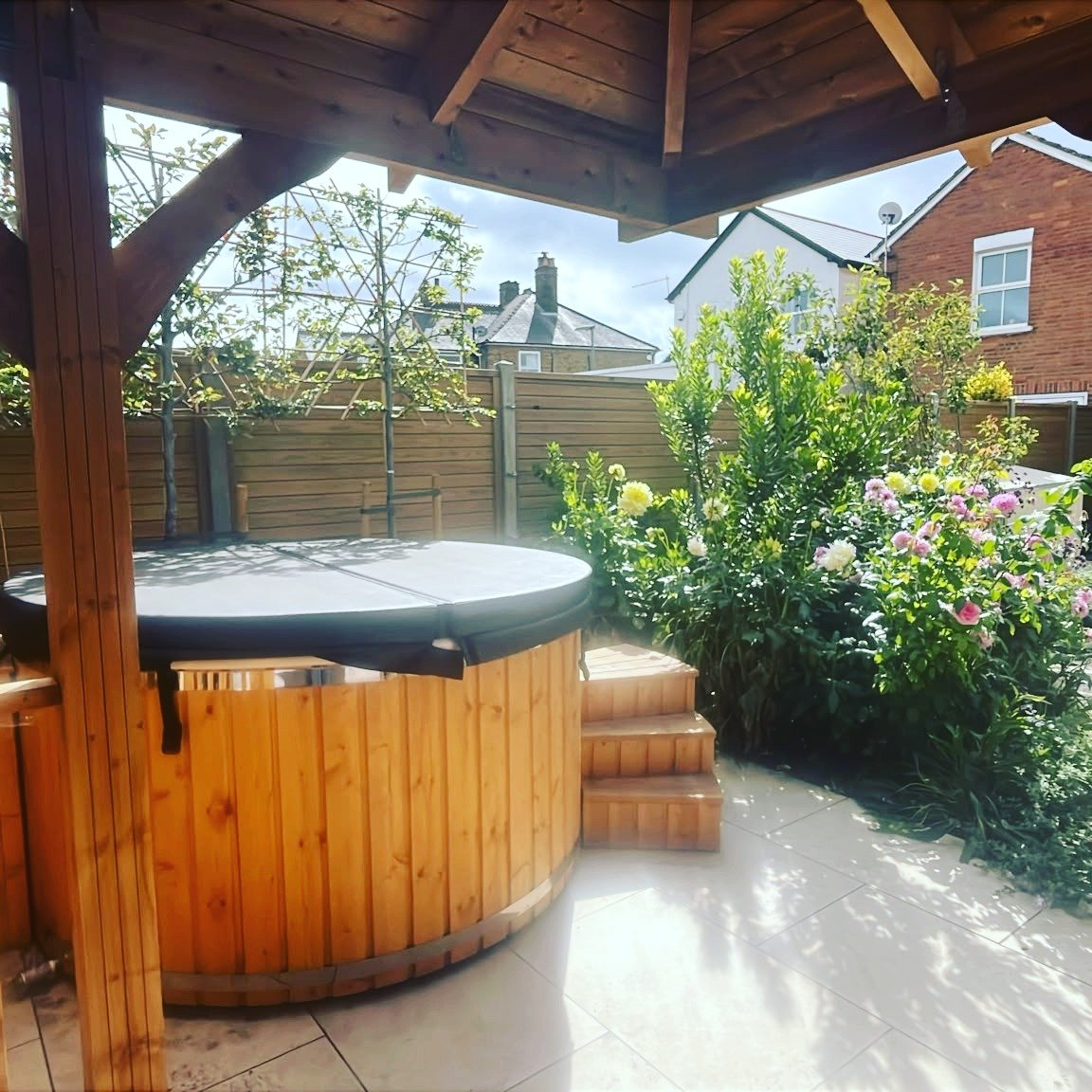
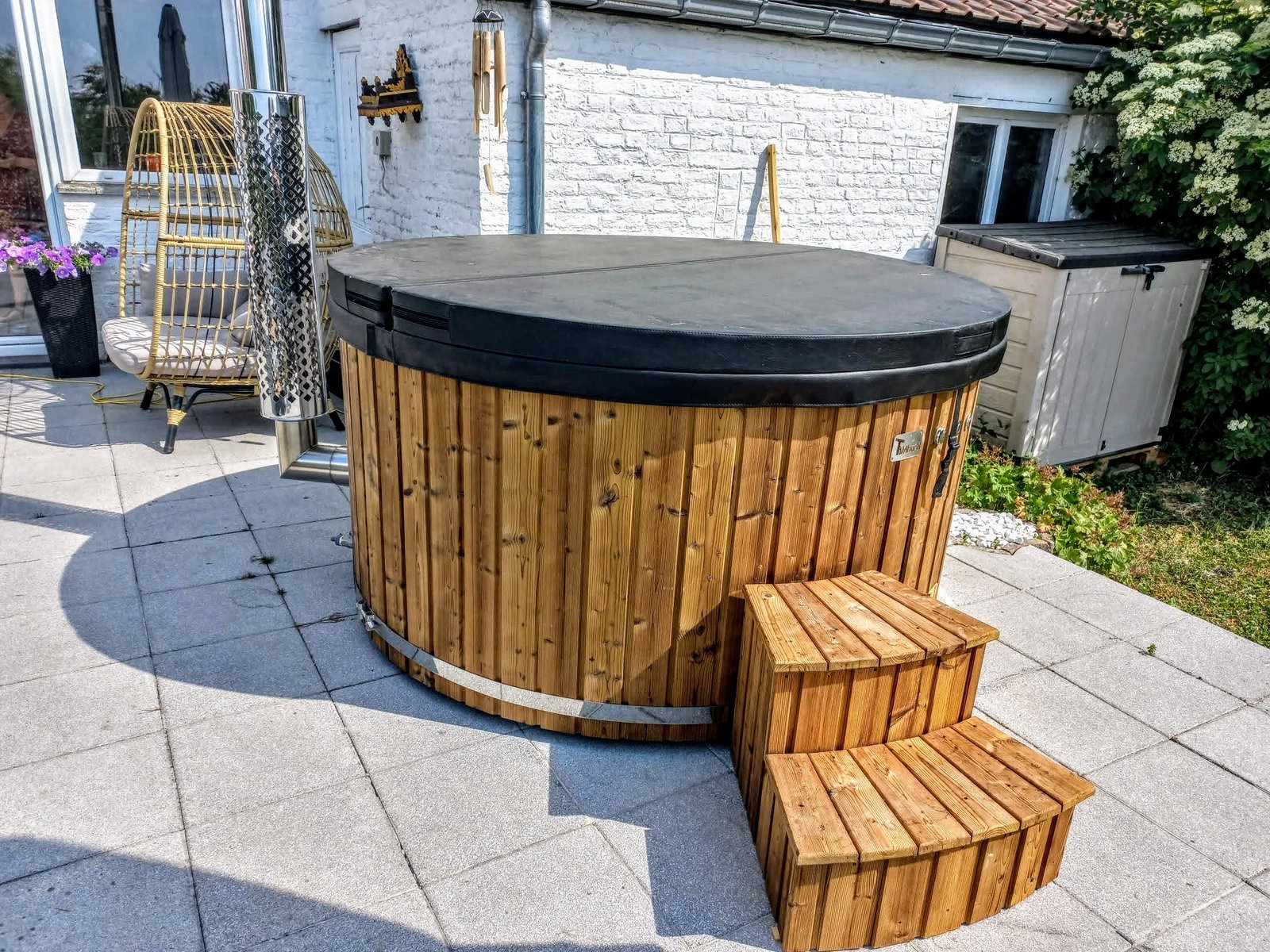
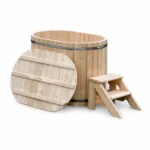
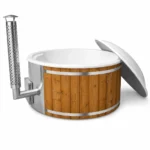
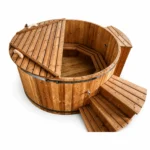
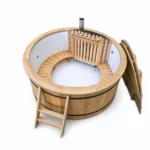
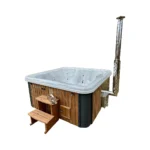
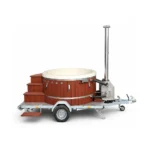
Wooden Basic offers a traditional timber vessel in several sizes. The comparison uses its smaller 1,600 mm version with internal wood heating and a wooden lid added to the package; the current listing identifies wooden benches and steps among the included items. An internal heater occupies part of the bathing space, so check the protected heater area and usable seating before selecting a size purely to reduce the purchase figure.
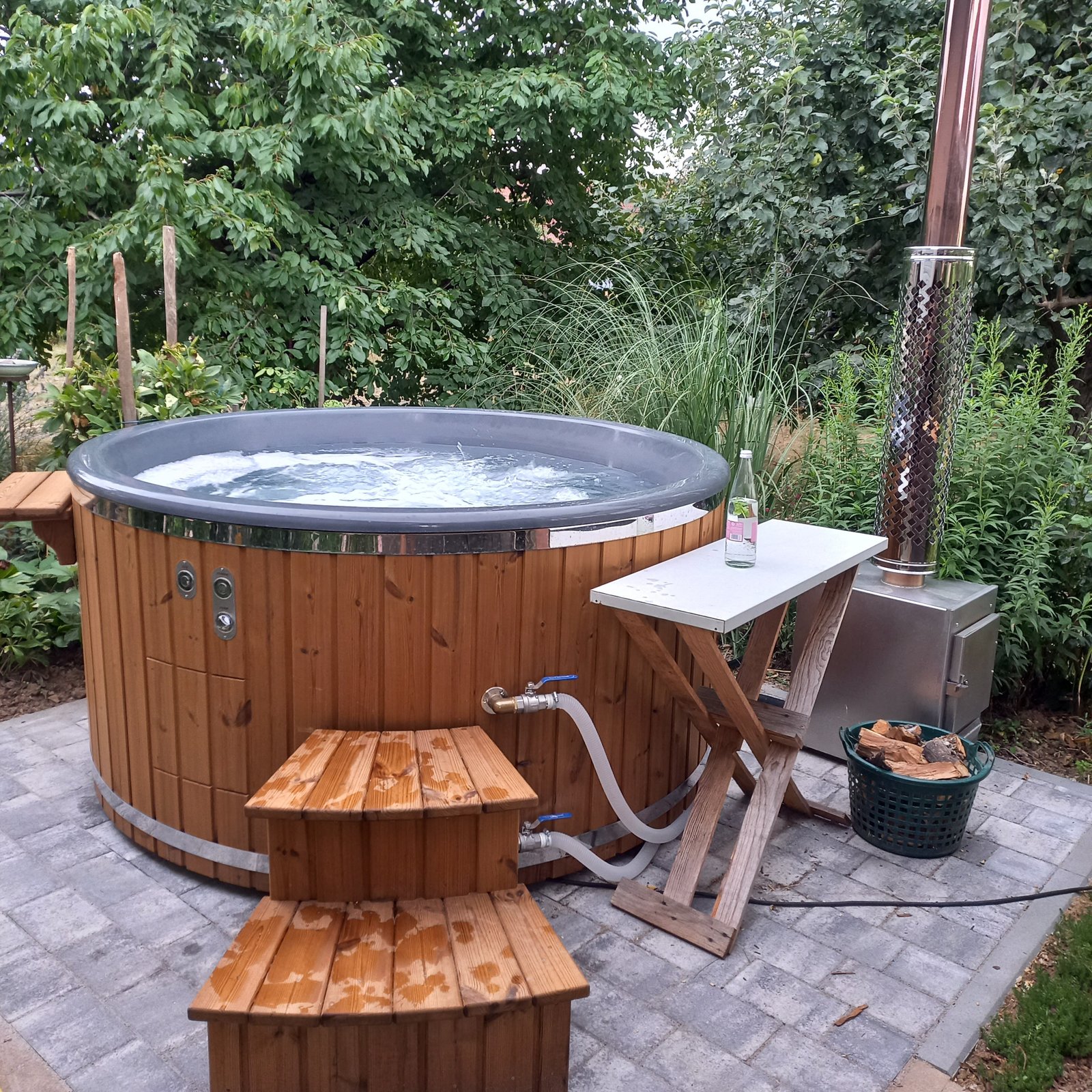
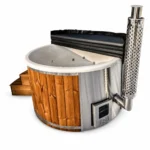
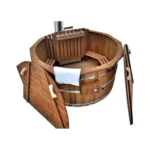
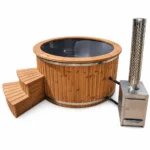
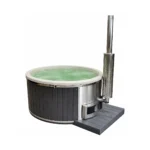
Nordic Duo Wood is an all-timber two-person route. For the comparison, select spruce, the external wood-fired heater and the wooden lid. A no-heater version is also offered, which explains why the family’s lowest displayed figure is not the price of the heated arrangement described here. Confirm the heater, connecting parts, cover and included access items in the written order.
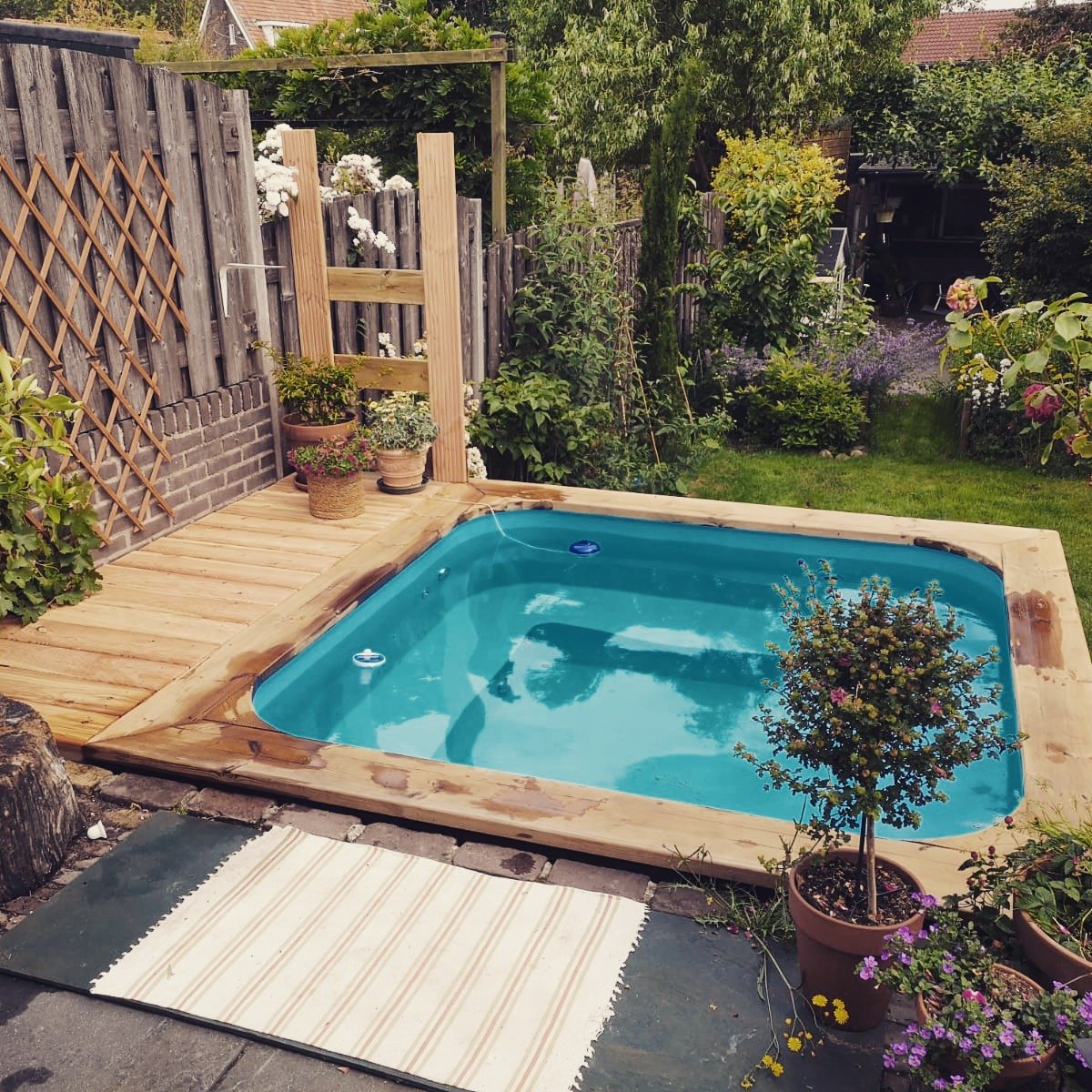
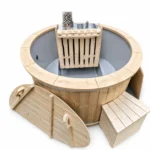
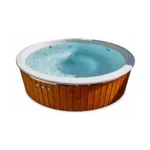
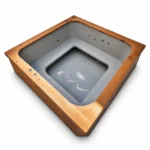
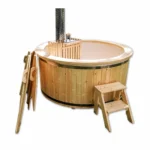
Nordic Compact Snorkel provides a compact lined configuration with an internal heater. The comparison uses the spruce exterior and the snorkel heater rather than the hybrid option. The current product lists steps, a wooden heater fence and a wooden lid among its included equipment. Confirm the exact supplied arrangement and remaining site requirements; a compact footprint does not remove the need to plan entry, flue access and maintenance.
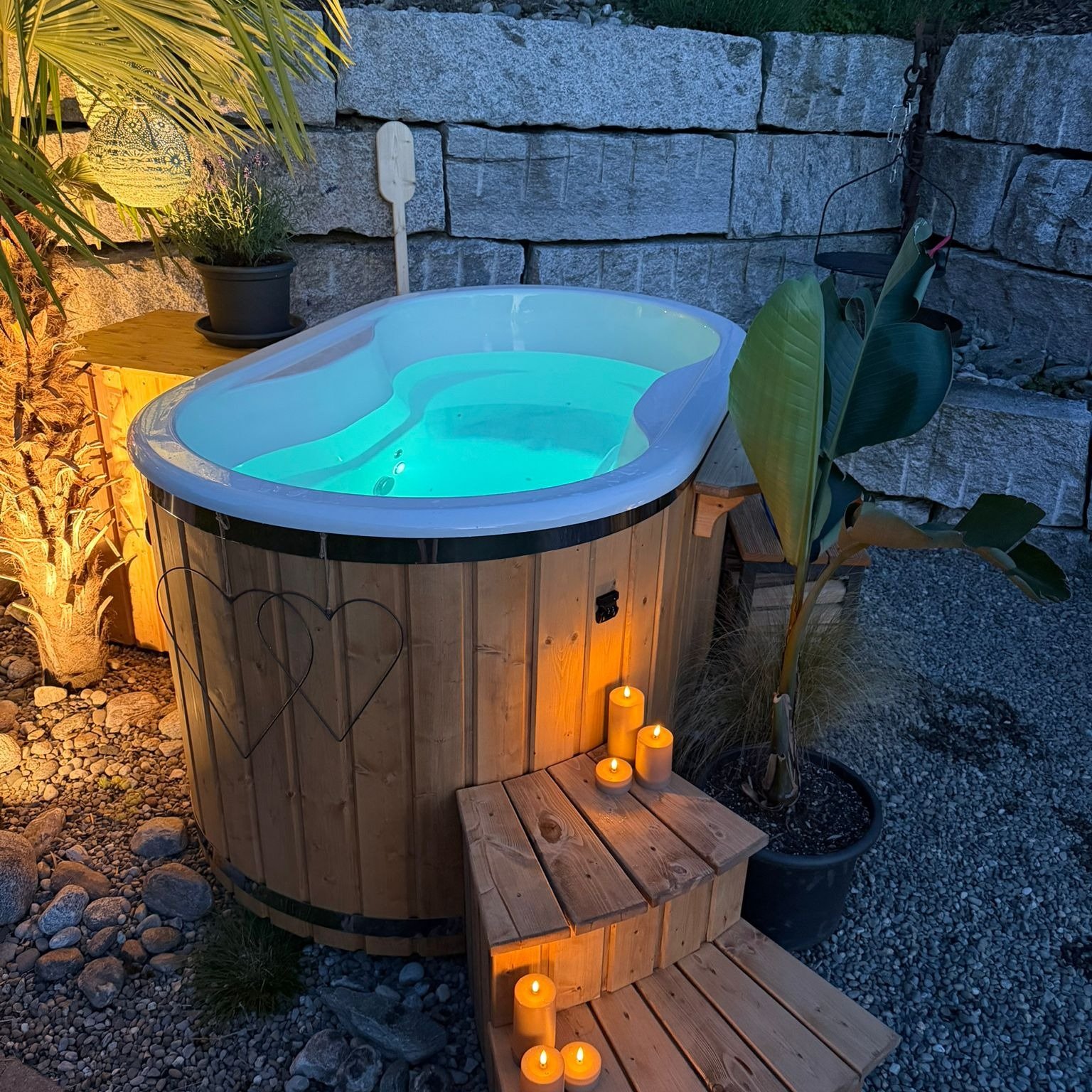
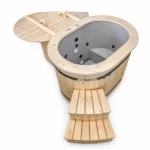
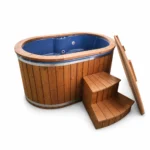
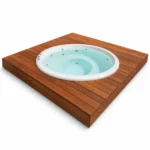
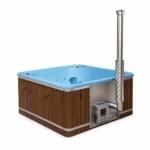
Nordic Oval Duo is a small polypropylene vessel with exterior timber and an external wood-fired heater. The comparison uses spruce and the available wooden lid, with the listing identifying steps and seating as included. Its purpose is to serve one or two regular bathers, so compare it with other small tubs by usable seating and ownership routine rather than expecting it to replace a larger social model.
These four families are shown in UK sales order within the lower-entry group. The remaining current hot tubs follow as alternatives, also in sales order. Their higher or different entry specification may suit your household better, especially if you require more room, electric heating, integrated massage or a specialist installation. The grouping is a starting point for comparison, not a statement that one model is the best purchase for everyone.
Choose the size for normal use
A tub used mainly by a couple does not need to be selected around the largest gathering you might host. Compare the smaller vessels first if they comfortably accommodate the regular users. The two-person hot-tub guide helps explain the compact layouts. A small outside footprint and a comfortable two-person interior are related questions, but they are not the same measurement.
Ask for the internal dimensions, seating plan and working water volume of the actual configuration. Heater position can change the space available, and an external stove adds to the area needed outside. Mark the complete installation on the ground, including steps and cover storage. A nominal diameter alone is not enough to decide whether the tub will fit or how many people will sit comfortably.
More water usually means more to fill and heat, but the running expense also depends on the heater, starting temperature, cover, weather and usage. Avoid choosing a very large tub on the assumption that the extra volume is free to own. Equally, do not choose a smaller model that forces the household into an uncomfortable layout. The useful saving comes from matching capacity to the routine, not from making every dimension as small as possible.
Check whether the vessel is lined or all timber before comparing similar-looking products. The commissioning, cleaning and seasonal care can differ. A traditional wooden interior may be exactly what you want, but it should be a deliberate construction choice rather than a surprise discovered after buying on price. Ask for the care instructions early enough to decide whether that ownership routine suits you.
Separate necessary equipment from personal preferences
Write down the function of each selected item. Heating, usable access, suitable water management and required protections support the intended operation. Decorative lighting, massage equipment, upgraded finishes or remote controls may be valuable preferences, but they are different decisions. Ask which parts are required for the exact system and site before removing an item from the quotation.
If you mainly want a quiet soak, compare configurations where massage can genuinely be omitted. The soaking-tub guide distinguishes optional equipment from packages that already include it. An included system may not have a removable price allowance, so do not assume the supplier can subtract the retail price of an accessory from a fixed bundle.
A cover deserves its own comparison. Confirm the type supplied, compatibility with the chosen heater and the manufacturer’s handling and care instructions. A wooden lid and an insulated cover are different products, and either may need a practical place to be stored during bathing. Choose an appropriate cover for the intended routine rather than treating every lid as an equivalent accessory or a substitute for controlling access and supervision.
| Decision | Useful way to control cost | What to confirm |
|---|---|---|
| Size | Choose for the usual bathers | Usable seating, working volume and complete footprint |
| Heating | Choose the routine you will use | Included heater, connections, controls and site needs |
| Massage and lighting | Omit unwanted options when selectable | Whether they are optional or part of a fixed package |
| Exterior finish | Compare the standard finish with upgrades | Material, weathering and permitted care |
| Cover and steps | Compare suitable basic and upgraded choices | Compatibility, access and what the package includes |
| Site work | Plan the location and route early | Support, services, drainage and safe operating access |
Compare heating and the continuing costs
Wood heating can provide a straightforward bathing routine when the household is happy to store fuel, prepare the fire and tend the stove. It is not cost-free heating: fuel, preparation time, cleaning and maintenance all remain part of ownership. The wood-fired range guide helps compare internal, integrated and external arrangements without reducing the decision to a single starting price.
Electric or hybrid equipment can suit a different pattern of use, but the final installation must have an appropriate assessed supply. Price the selected heater and controls together with the required site work. A wood-fired tub can also contain electrical accessories, so check the complete equipment list before assuming that no power connection is needed. Use the selected manufacturer’s instructions for operating and installation requirements.
Estimate ongoing costs using your own fuel prices or electricity tariff and a realistic bathing pattern. Ask how the system should be operated between sessions, including the chosen water-management arrangement. Avoid relying on a universal daily running figure or an assumption that a particular heating label guarantees the cheapest result. Two households can use the same tub very differently.
Cleaning and water care belong in the continuing budget. Identify the permitted treatment products, cleaning procedure and equipment maintenance for the vessel and heater. Filtration does not remove every other responsibility, and wood heating does not make retained water automatically suitable for reuse. Choose the ownership routine you can maintain consistently, with competent advice where the use requires it.
Keep installation savings realistic
A convenient location can reduce unnecessary complexity. Compare access routes, the distance to required services, available working space and the ground that needs preparation. The lowest-cost product may become a more expensive project if it needs difficult lifting or extensive alterations to reach its position. Assess those practical items before choosing a model around a sale price.
Use the final dimensions and filled-load information when planning support. The base must be suitable for the actual tub and users, and a raised structure needs an appropriate assessment. Keep drainage, entry steps, heater access and required clearances in the plan. These are not decorative upgrades to be removed from the budget when the product costs more than expected.
Clarify the delivery boundary in writing. Transport, unloading and final movement through the property may be separate responsibilities. If an assembled or flat-pack choice is offered for the model, compare the labour, tools and site space involved. Do not assume a kit is automatically cheaper once the work you must provide has been included, or that an assembled tub can pass through a standard doorway.
Be cautious about buying a stripped-back configuration with the intention of fitting everything later. Some accessories may require factory preparation or changes to the vessel, services or warranty. Stage an upgrade only when the supplier confirms that it can be retrofitted to the exact build and explains the cost and method. A hypothetical future option is not a substitute for equipment needed at the first use.
Compare new and used purchases on their actual condition
A used listing can have a lower asking price while leaving more work uncertain. Establish the model, age, included equipment and available documents, then arrange an appropriate inspection of the vessel, heater and accessories. Visible wear, missing parts and an unverified operating history need investigation before estimating the complete cost. This catalogue presents current products; it does not imply that TimberIN has used stock available.
Include collection, lifting, transport and recommissioning in the used comparison. Confirm which parts can be serviced or replaced and whether any warranty or support applies to the transaction you are considering. A seller’s photograph or statement that the tub once worked does not resolve those questions. If a fault cannot be assessed, keep that uncertainty visible rather than assigning an invented repair price.
For a new purchase, read the current warranty and support terms against the selected configuration and intended use. Ask who handles a fault and which installation or maintenance records you need. Buying new can give a clearer supplied specification, but it still requires careful agreement on inclusions. Do not substitute a product name such as Basic or Value for checking the actual package.
Ask for the simplest complete configuration that meets your brief
Give the supplier a realistic budget, the normal number of bathers and a short list of essential requirements. Include the delivery postcode, access measurements and proposed location. Ask which specification choices can be simplified while retaining the intended use. This is more productive than requesting the cheapest possible tub without defining the heating, cover, access or site work.
Compare the final written inclusions, selected options, currency and tax basis alongside delivery and installation responsibilities. Use the hot tubs for sale guide to review the wider current range. Keep the configuration with the quote and check its validity before ordering. A suitable smaller package can be good value without relying on an exaggerated bargain claim.
Questions about affordable hot tubs
Does the lowest starting price include a heater?
Not always. Some families offer a no-heater version. Select the intended heated configuration and confirm the cover, steps and other required items before comparing it with a complete package.
Can I save money by choosing fewer optional features?
Yes, where the model genuinely offers those choices and they are not required for your intended operation. Ask which items can be omitted, which belong to a fixed package and which need factory preparation before assuming they can be added later.
Are the lower-entry models the cheapest installed projects?
Not necessarily. The grouping compares specified product packages. Delivery, site access, the base, services, water-care arrangement and selected upgrades still affect the final cost at your property.