
Charles — London, United Kingdom
TimberIN Nordic™ Thermowood Deluxe
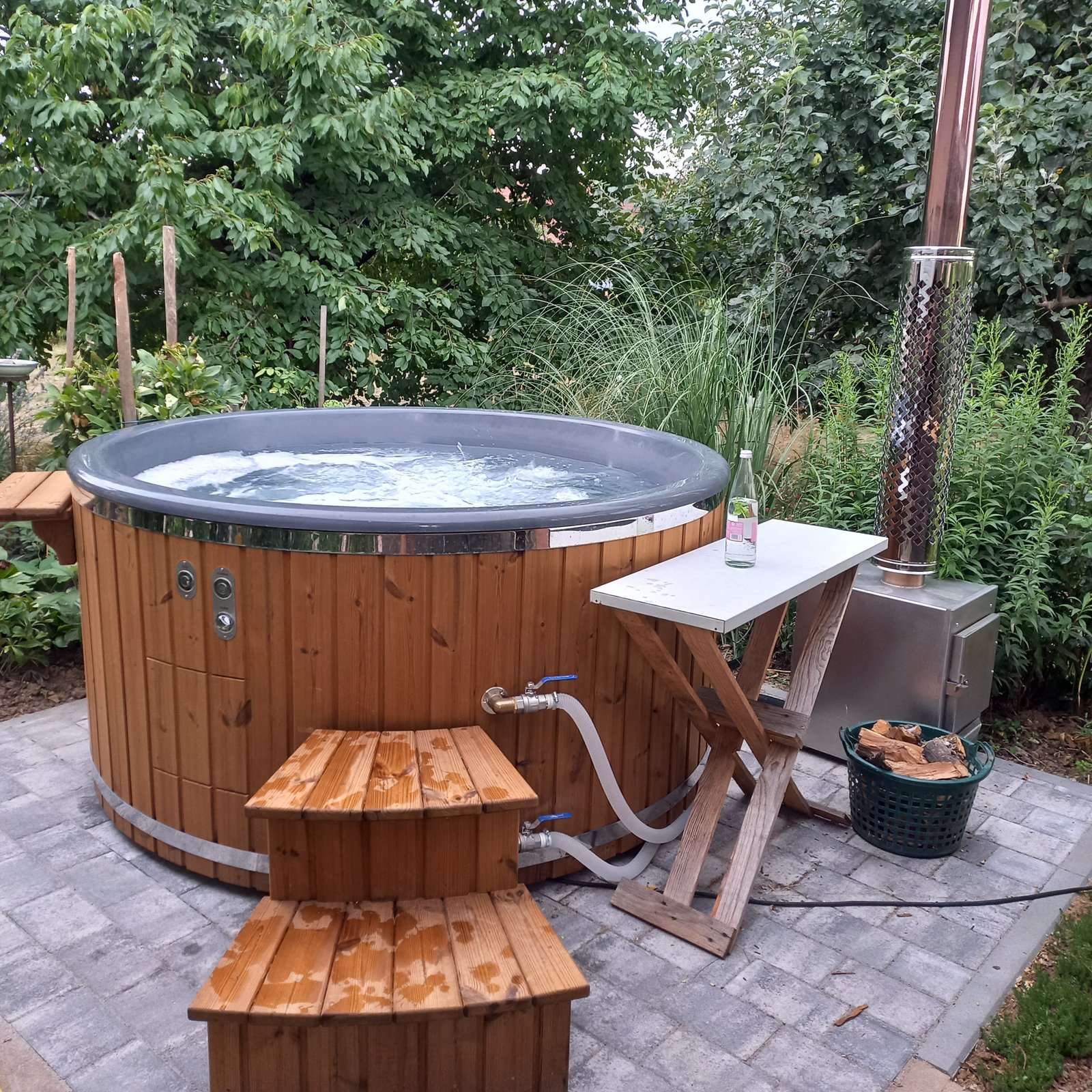
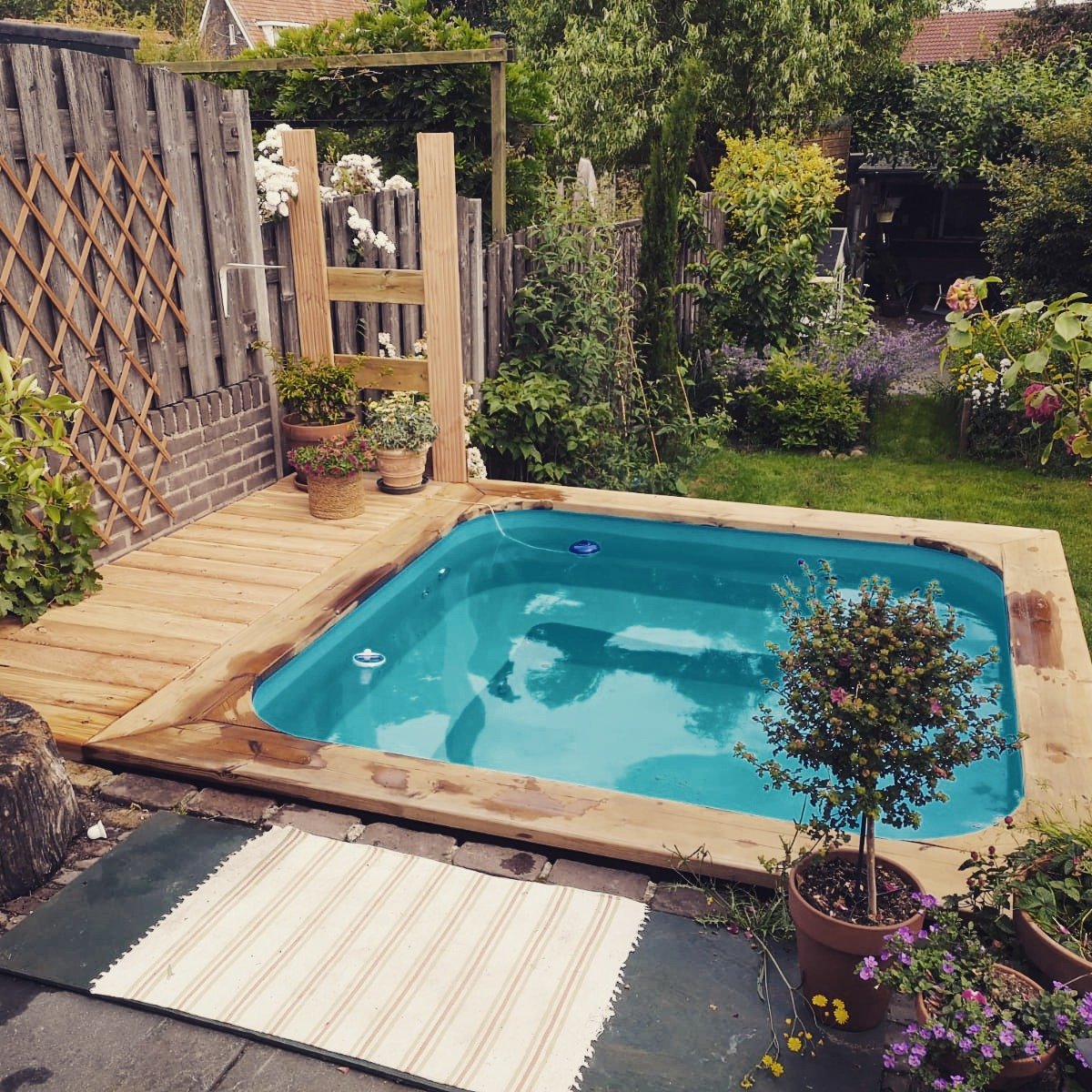
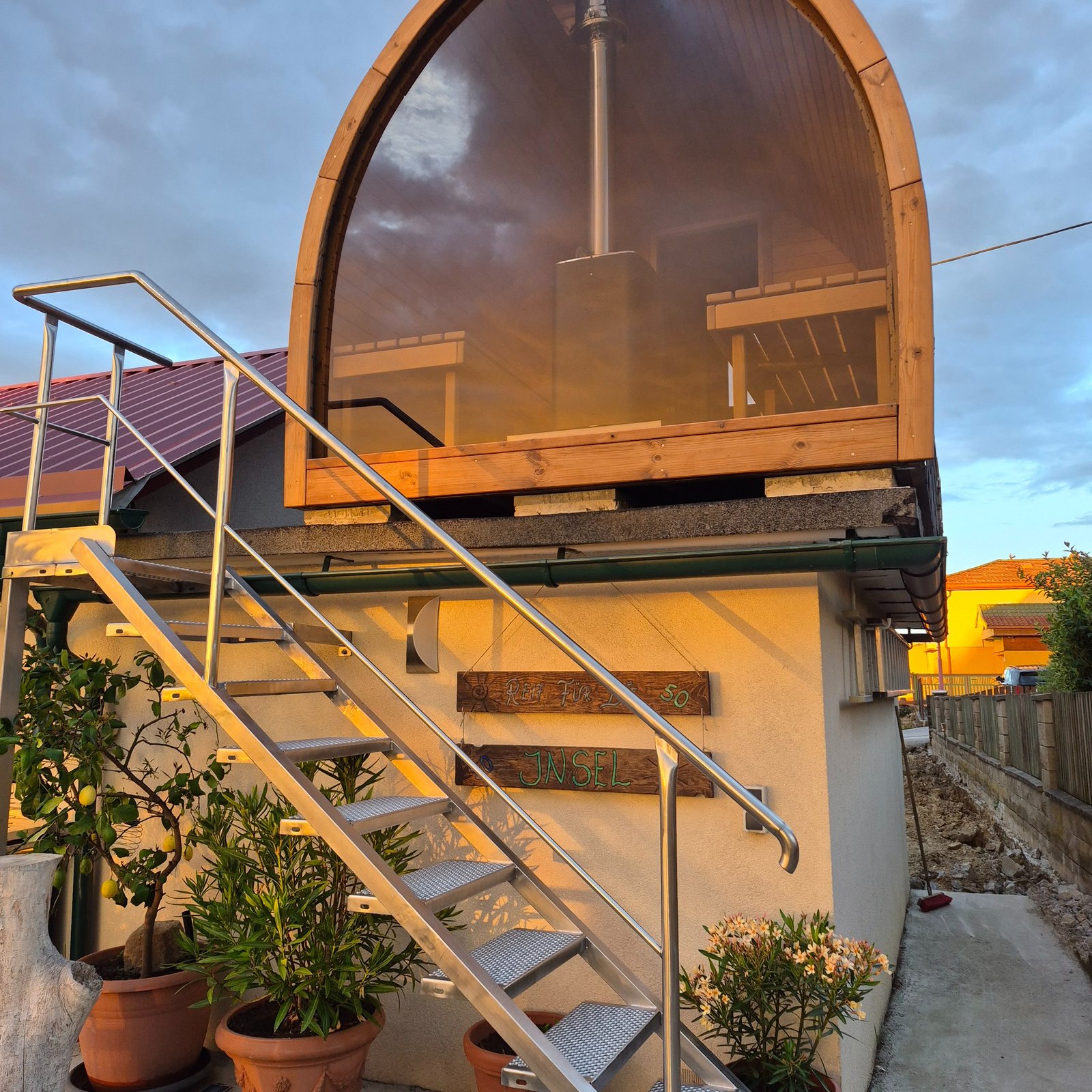
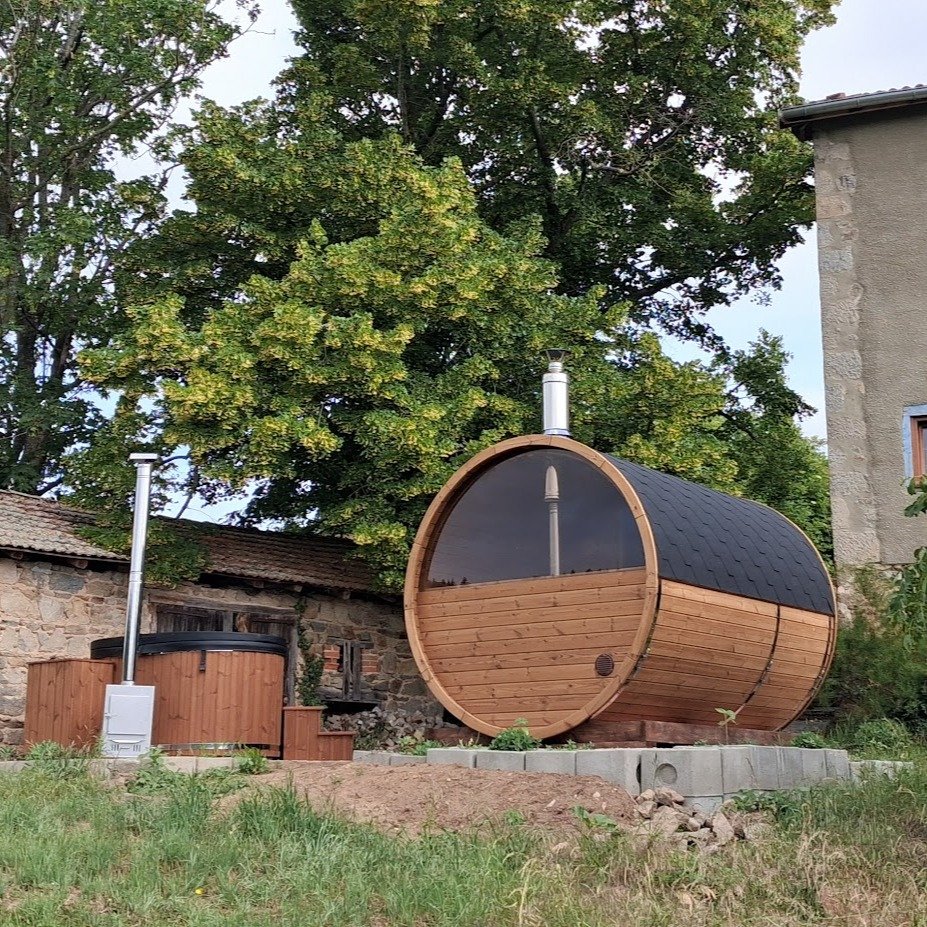
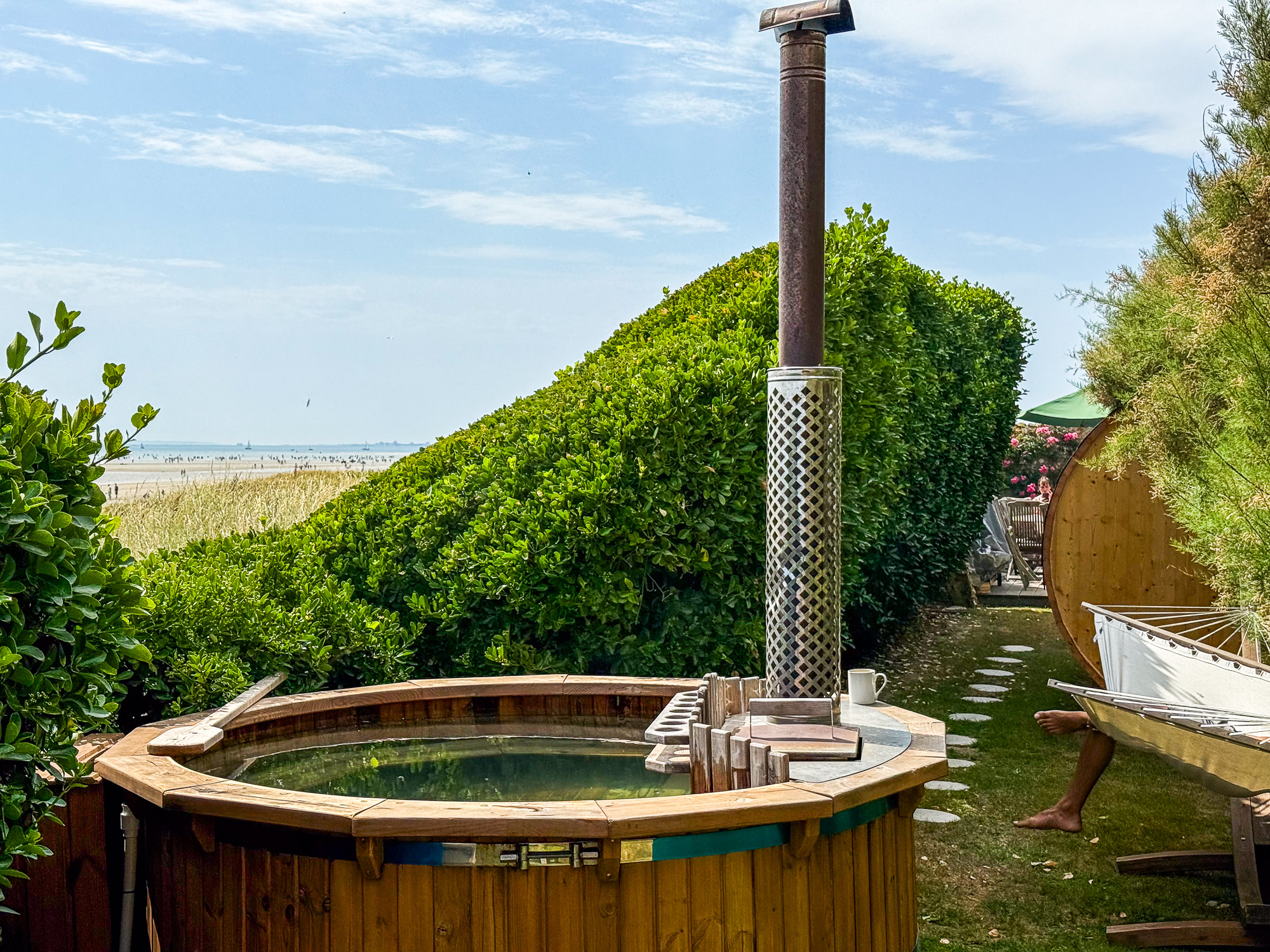
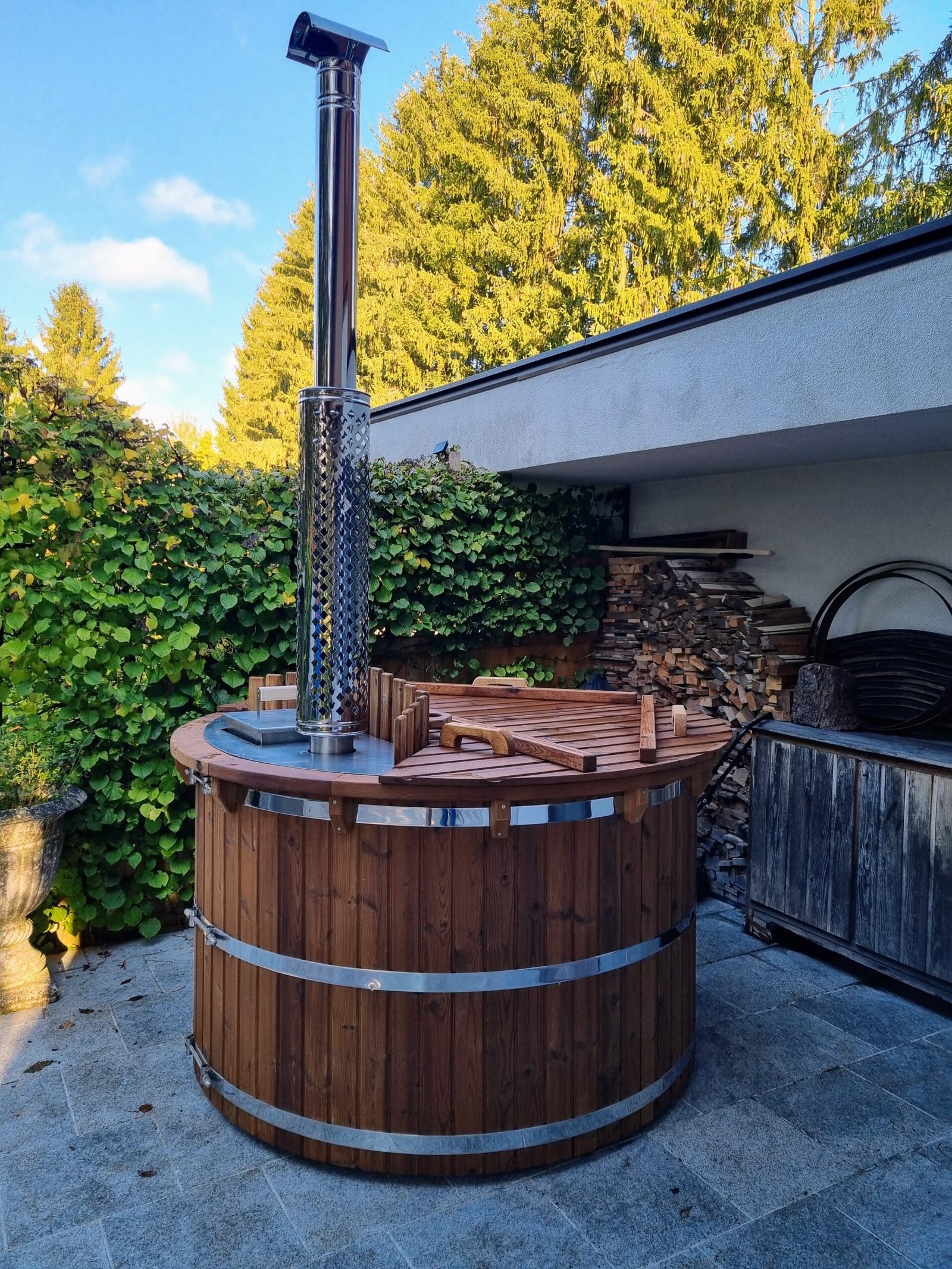
Review and installation photos →Hi, you can see the hot tub in these pics at our retreat.
A natural material, chosen with clear expectations
The most important question is not simply which timber looks best. It is whether you want to bathe in a traditional all-wood vessel or in a smooth liner surrounded by real timber cladding. Both create an unmistakably warm garden setting, but they feel different to use and ask for different care.
Choose the construction first, then build the specification around your routine: how often you will bathe, whether the tub may stand empty, how involved you want to be in heating it, and how much equipment you genuinely need. That sequence produces a better hot tub than starting with accessories.
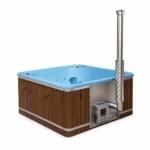
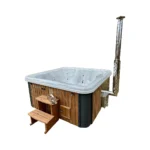
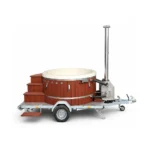
These families offer a timber vessel or a timber-clad configuration. They are ordered by recorded sales within this group; check whether water touches timber or a separate liner before comparing equipment.
From our customers
Customer projects matched to the products listed on this page. Earlier specifications and selected options may differ.
Customer projects from United Kingdom.
TimberIN Nordic™ Thermowood Deluxe
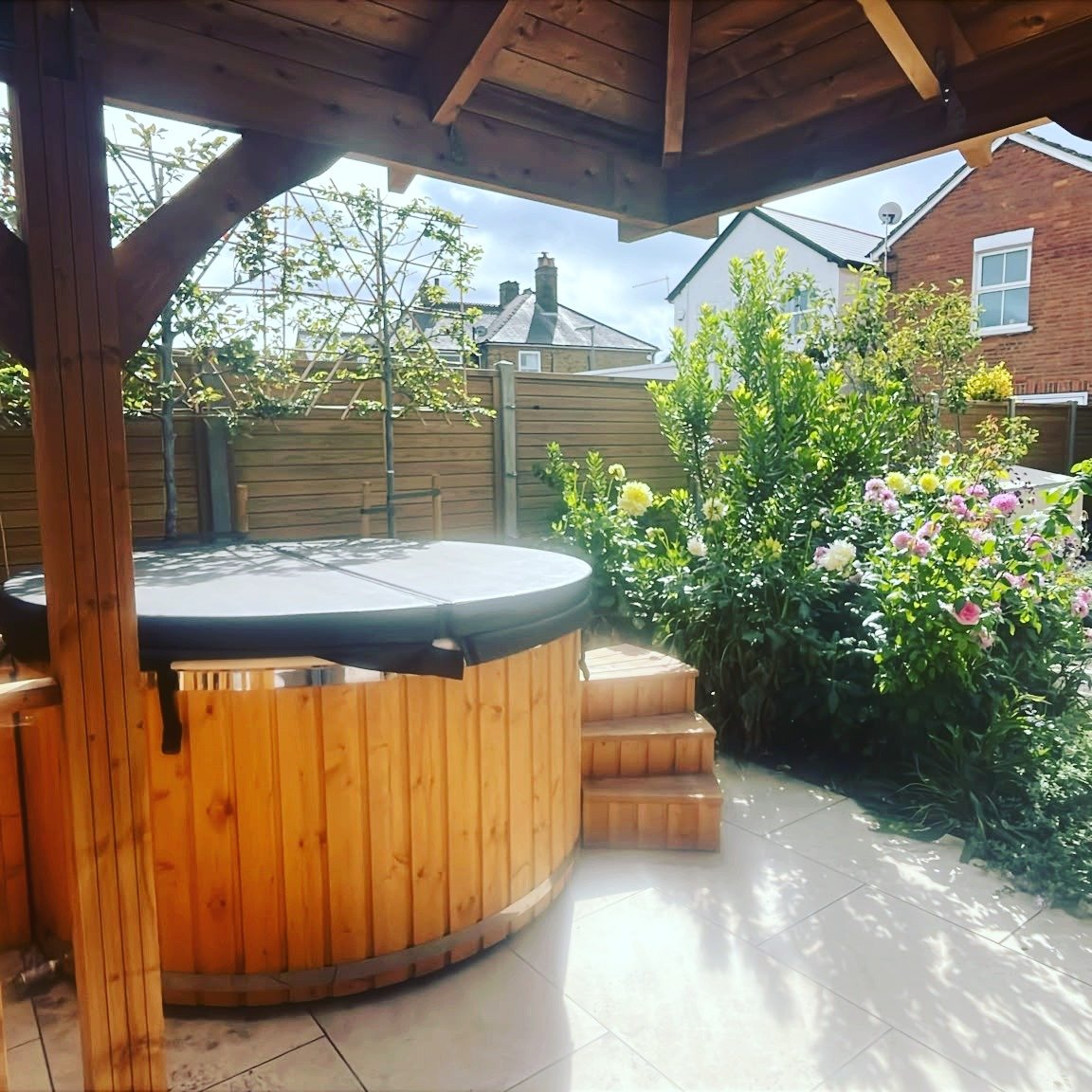
Review and installation photos →Hi, you can see the hot tub in these pics at our retreat.

Hi Albertas, as promised, I’ve attached some photos of our Hot Tub. We’re not on Facebook or the other social media platforms, but we’re happy for you to use any you might want for your website. It arrived Friday morning…
Hi Albertas, as promised, I’ve attached some photos of our Hot Tub. We’re not on Facebook or the other social media platforms, but we’re happy for you to use any you might want for your website. It arrived Friday morning 4th April and we were in the water and enjoying it on Saturday evening. We’ve been in it every night since! A big thank you to you and your team. The specification is exactly as planned, and the workmanship is excellent. You might welcome some feedback on a couple of relatively minor issues, which I hope you will find helpful. We only received 4 pictures of the hot tub, but in all honesty, these weren’t really enough for us to confirm that we would be happy with the product before making the final payment. We trusted the process and made payment, but it would have been better if we could have seen images of the liner and also inside the electric cupboard and the insulation. Just something to be aware of. The other minor point relates to the sand filter and UV-C. both of them came with European plug fittings that required changing. I would have thought that a UK specification would come with a UK plug. Again, this is not a huge point, but it was inconvenient to have to change these. Apart from those minor niggles, everything was great. So, once again, a big thank you to you and your team. Best of luck and continued success in the future.

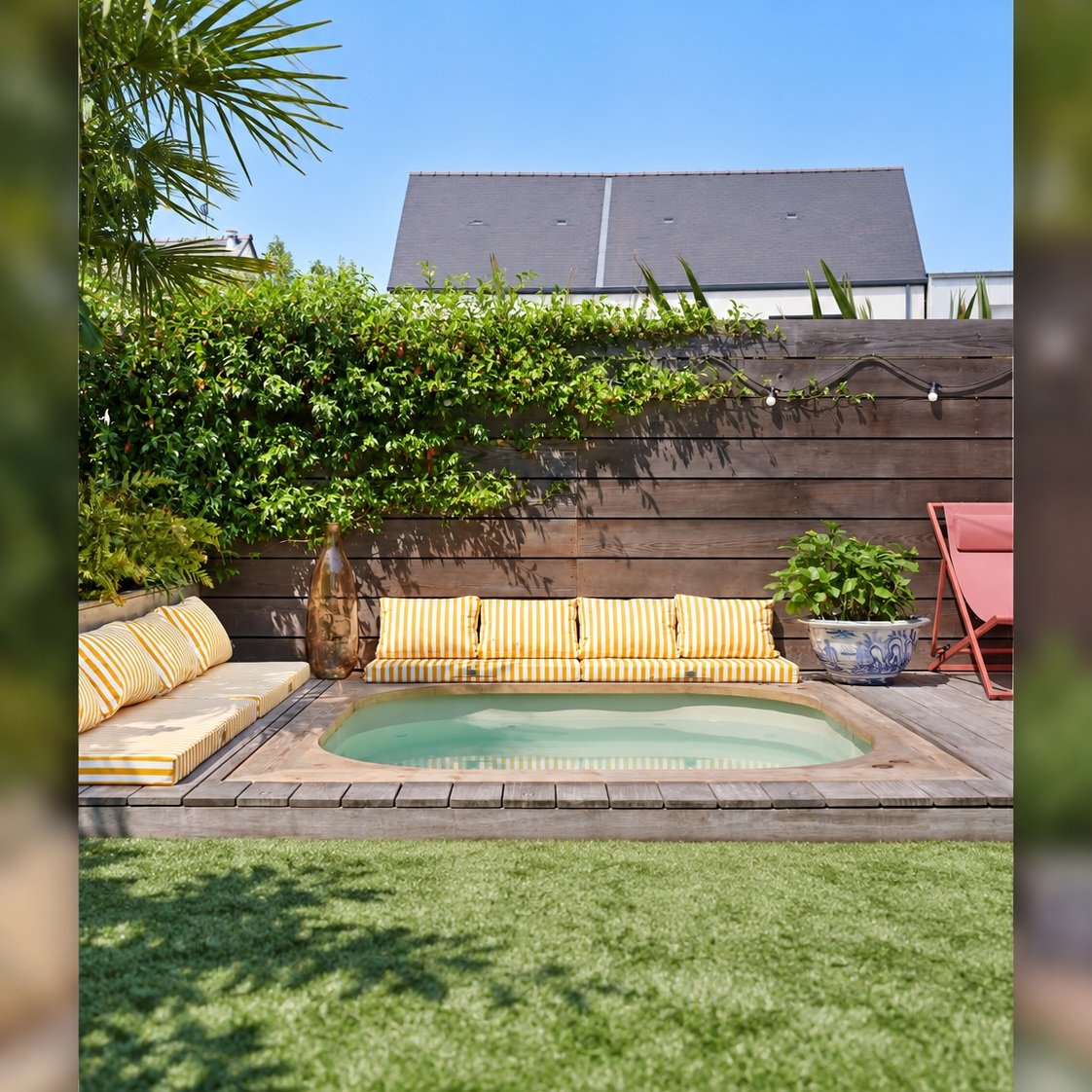
Review and installation photos →Hi, we have finally moved into our house & hot tub is amazing! Attached photo (feel free to use!)
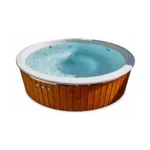
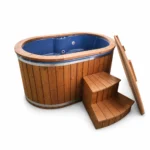
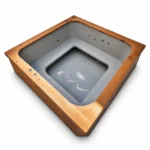
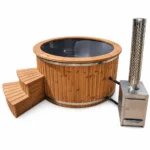
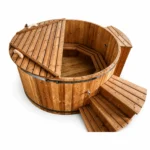
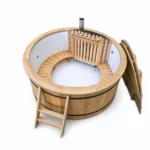
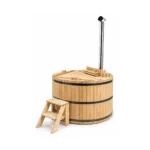
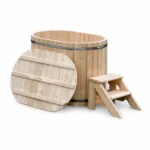
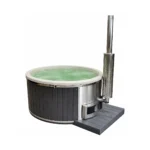
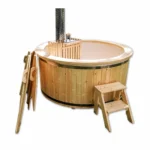
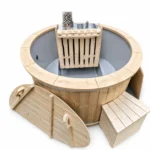
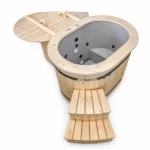
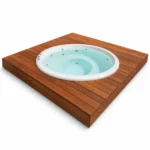
This built-in system is a separate construction approach. Its surrounding deck or timber finish belongs to the site design rather than defining the bathing vessel.
Start with the part you touch
A traditional wooden hot tub is a vessel in the literal sense: carefully joined timber staves hold the water, and the material can be seen and felt from the bathing area. For many owners, that direct contact with wood is the entire point. The grain, scent and gradual weathering make the tub feel more like a crafted garden feature than a conventional spa.
A wood-clad hot tub creates a similar exterior character around a polypropylene, fibreglass or acrylic shell. The water touches a smooth liner rather than timber, which generally makes wiping, inspection and periods of dry storage more straightforward. It also makes it easier to combine the tub with filtration, lighting, air bubbles, hydrotherapy jets or automated heating where the model supports them.
Neither approach is a shortcut. A traditional tub asks you to understand natural timber movement and compatible water care. A lined model still has pumps, pipework, a heater, a cover and exterior timber that require sensible access and maintenance.
Side-by-side
The right answer depends on the ownership experience you want, not on which option sounds more authentic in isolation.
| What changes | Traditional all-wood vessel | Wood-clad tub with liner |
|---|---|---|
| Bathing surface | Water touches the timber staves. | Water touches a smooth formed shell. |
| First fill after drying | Limited seepage can occur while the staves swell and seal again. | The shell does not depend on timber swelling for watertightness. |
| Cleaning | Use timber-compatible methods and avoid damaging the grain. | The smooth surface is generally easier to wipe and inspect. |
| Time standing empty | Requires a model-specific drying and refill routine. | Usually more tolerant of dry periods, although the exterior still needs care. |
| Equipment options | Often selected for a simpler, more traditional arrangement. | Commonly paired with filtration, lighting, bubbles, jets or automatic controls. |
Material character
Species matters, but so do drying, machining, construction and exposure. Outdoor timber changes colour and may develop small surface checks; good ownership means deciding whether to preserve a richer finish or allow a controlled silver-grey patina.
Spruce gives a classic pale appearance and is widely used in traditional tubs. It suits buyers who value simplicity and understand that knots, tonal differences and gradual weathering belong to natural timber. Exterior protection and good drainage are particularly important.
Larch is denser and naturally resinous, with a warmer tone and more pronounced grain. It can still grey and develop surface checks outdoors, so the choice between natural weathering and periodic treatment should be made before installation.
Heat treatment creates a deeper, more even colour and improves dimensional stability compared with untreated timber. It does not remove the need for ventilation or surface care, but it is attractive when a more refined contemporary finish is preferred.
Oak has distinctive grain, substantial weight and a strong traditional character. Its tannins and natural movement need appropriate construction and water management. It is chosen for material presence rather than as a maintenance-free upgrade.
For lined tubs: the exterior cladding controls the appearance, while the shell provides watertightness. Leave air around the boards and keep the base clear of soil, leaves and standing water.
Comfort begins with routine
The word “wooden” describes the vessel or exterior finish, not the heat source. Begin with the experience you want on an ordinary week, then check what the selected model supports.
Best when lighting the stove is part of the ritual and you are comfortable supervising the fire. Plan for dry fuel, a safe chimney route, circulation, clearances and ash removal.
Well suited to regular use and automatic temperature control. Confirm the electrical supply, heater output, insulation and realistic heat-up time for the chosen water volume.
A useful middle ground for buyers who want solid-fuel heating with more controlled feeding than logs. It needs power, dry pellet storage, routine cleaning and service access for the electronics.
Combines fast wood-fired heating with electric temperature support where the model permits it. The convenience is valuable, but the extra components should remain accessible for inspection and winter draining.
A simple stove-heated tub may operate without mains electricity. Filtration, lights, jets, blowers, digital controls and frost-protection equipment normally require a power supply.
Real-life ownership
A wooden hot tub is easier to enjoy when maintenance is treated as a rhythm rather than a rescue operation. The exact instructions depend on the model, but the pattern below is a useful way to think about ownership.
Check water condition, circulation, heater area and the route around the tub. Never light a stove if water flow may be restricted.
Close the clean, correctly fitted cover and follow the approved water-care routine. Remove concentrated residues before they contact timber or metal.
Clear leaves and trapped moisture, inspect exposed edges and maintain ventilation around the cladding, base and technical compartment.
Drain vulnerable pipework and equipment where required. A traditional vessel may need a controlled refill procedure after it has dried.
Do not copy a chemical routine from an acrylic spa into an all-wood vessel. Treatment must be compatible with the timber, heater, bands, fittings and filtration system. Measure water conditions, never mix chemicals, and replace the water when it can no longer be maintained safely. A tub without filtration will normally need more frequent water changes than a managed system.
Plan the project, not only the product
One litre of water weighs approximately one kilogram. Once the vessel, heater, equipment and bathers are added, the installed load is substantial. The foundation should therefore be level, stable, correctly sized and suitable for the complete wet weight.
Drainage is equally important. Rain, splash water and a full emptying must be able to leave the area without collecting beneath timber or flowing towards a building. Keep the heater, drain, bands, pumps and fittings accessible; tightly built decking often looks finished on day one but makes routine service unnecessarily difficult.
Before production, measure the whole delivery route from the road to the final base. Gates, walls, corners, steps, overhead cables and soft ground can determine whether a crane, forklift or telehandler is required. Confirm transport, unloading and final positioning responsibilities in writing.
A confident quotation starts here
With those choices clear, timber species, insulation, cover and accessories can be selected as one coherent specification. It also becomes much easier to compare quotations fairly, because you are comparing complete projects rather than headline prices.
Straight answers
In a traditional wooden hot tub, the timber staves contain the water. In a wood-clad model, a separate smooth shell holds the water while real timber creates the exterior finish. The difference affects cleaning, dry storage, water care and the range of compatible equipment.
A tub that has dried can show limited seepage while the staves absorb water, swell and seal again. Persistent water loss from fittings, pipework or damaged timber is different and should be investigated.
There is no universal best choice. Spruce gives a pale traditional appearance, larch is denser and warmer in tone, thermowood is darker and more dimensionally stable, and oak has substantial traditional character. Construction quality, exposure and the maintenance routine matter as much as the species name.
Yes, when the model is designed for it. Wooden and wood-clad tubs can use wood-fired, electric, pellet or hybrid heating. Check the available supply, water volume, insulation and intended use before choosing the system.
A lined model can normally stand empty without affecting the shell’s watertightness, although its exterior still needs care. A traditional vessel can dry and shrink, so follow the model-specific storage and refill procedure.
They are not automatically difficult, but the maintenance is construction-specific. Traditional vessels need timber-compatible water care and attention to drying. Lined models need shell and equipment care as well as ventilation and protection for the exterior timber.
Build the right specification
Tell us how many people will normally use the tub, how often you expect to bathe, which heating experience you prefer and what access is available at the property. We can then help you compare suitable models without adding equipment that does not serve your routine.