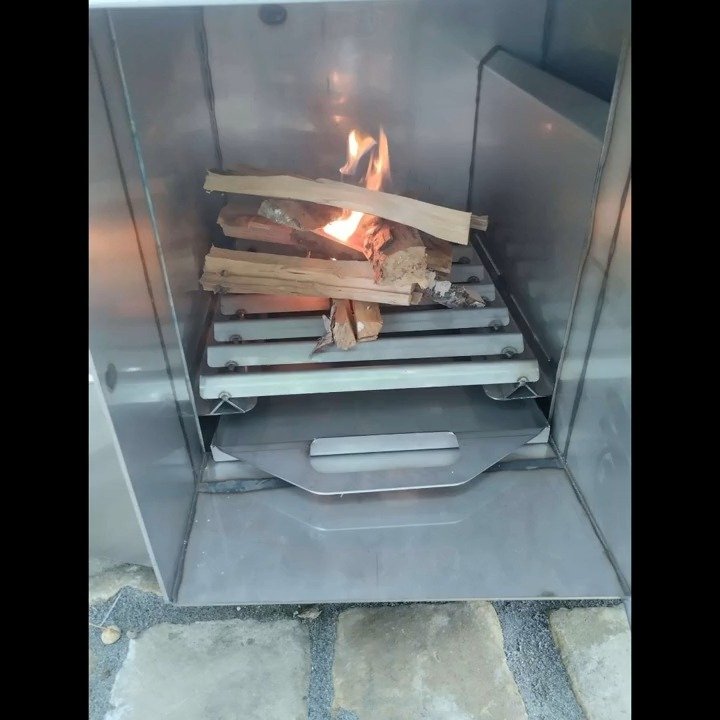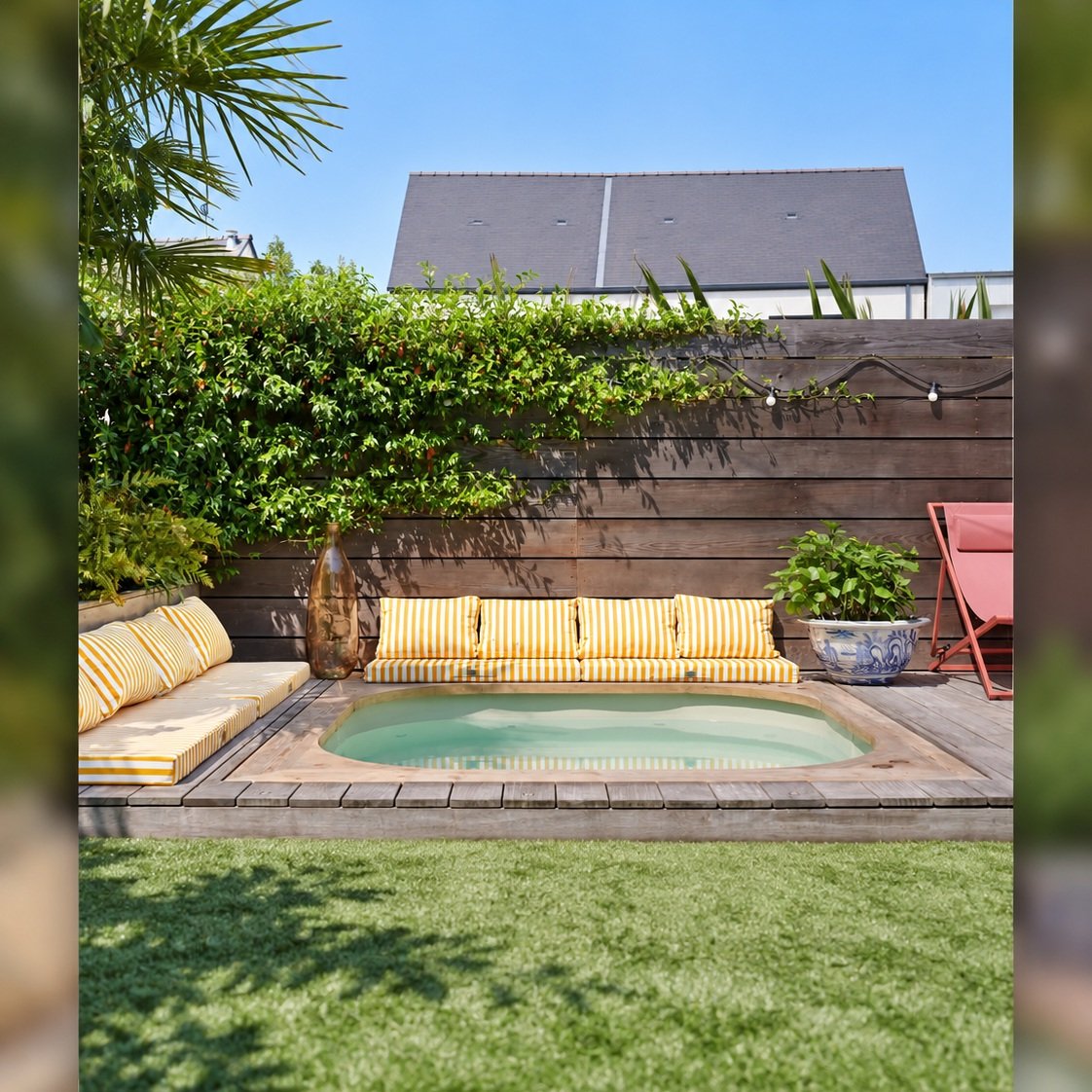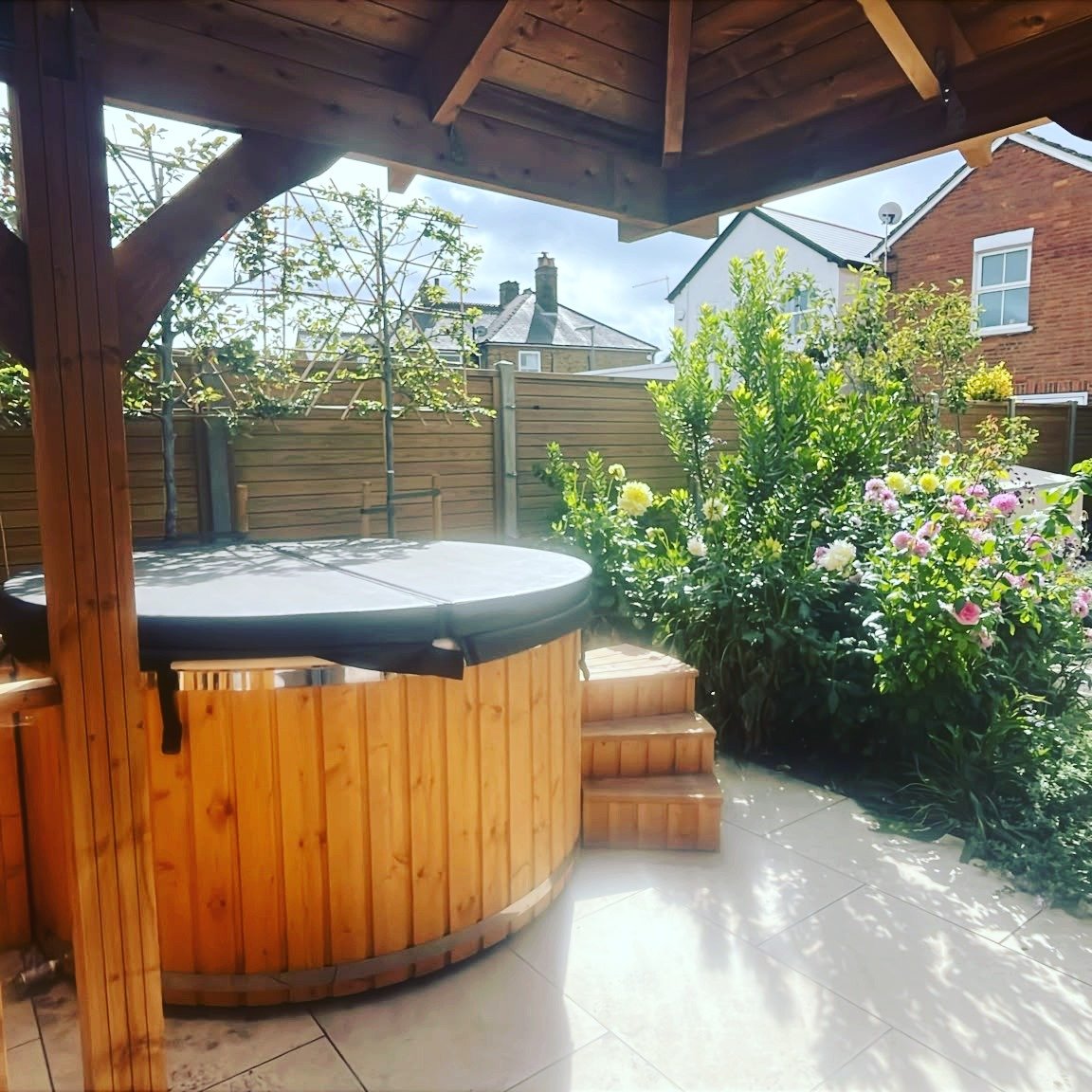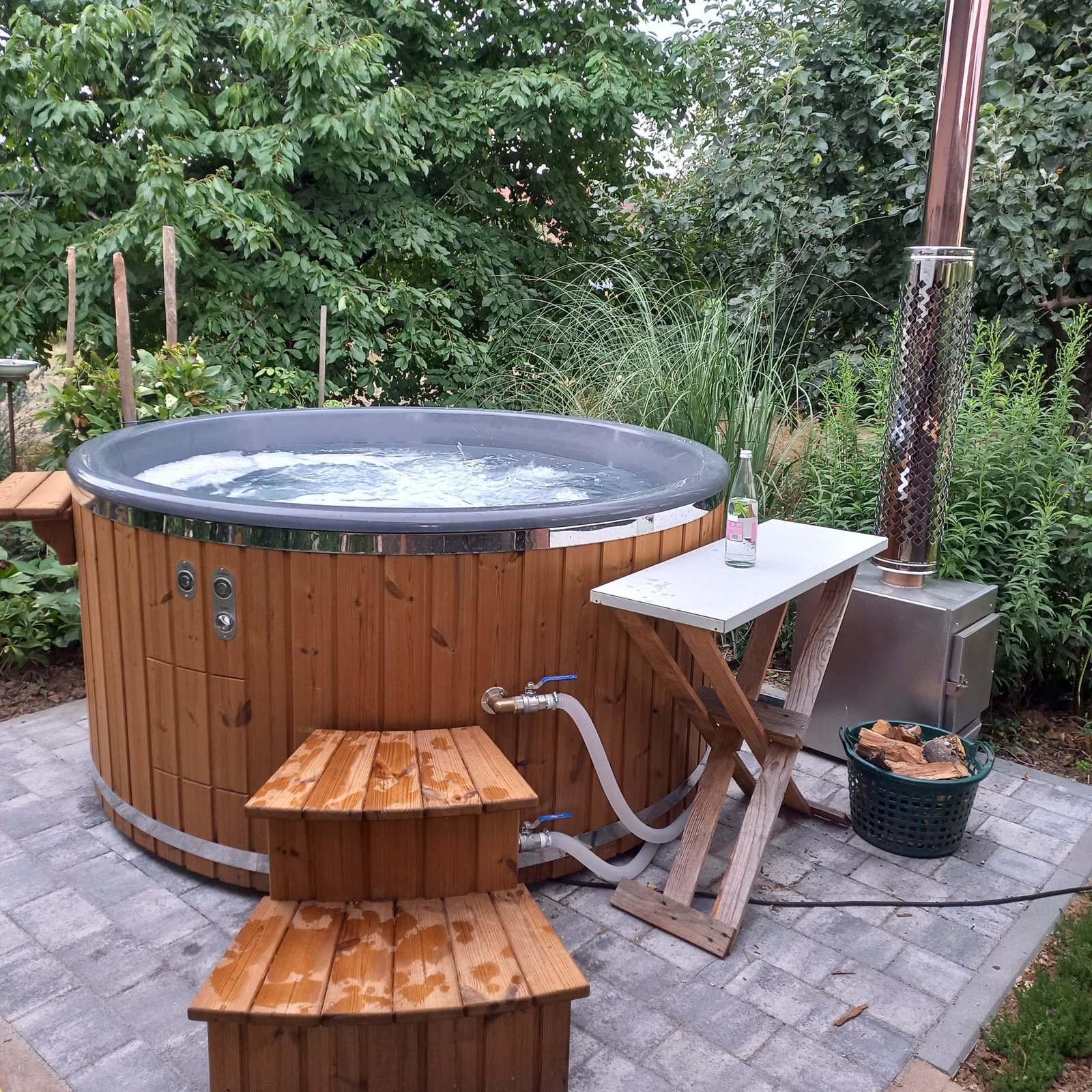

Charles — London, United Kingdom
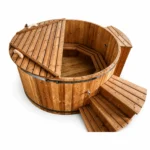
TimberIN Nordic™ Thermowood Deluxe
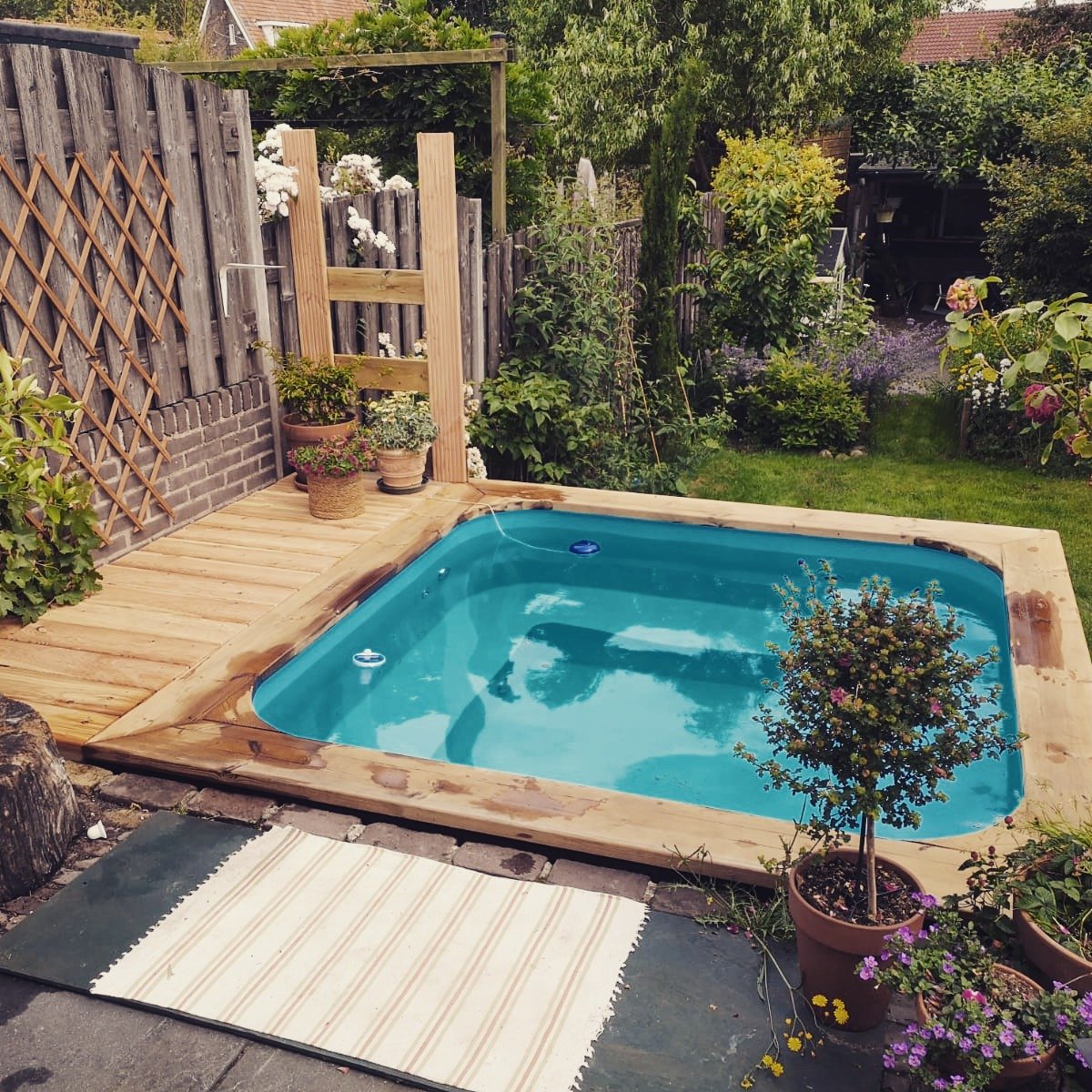
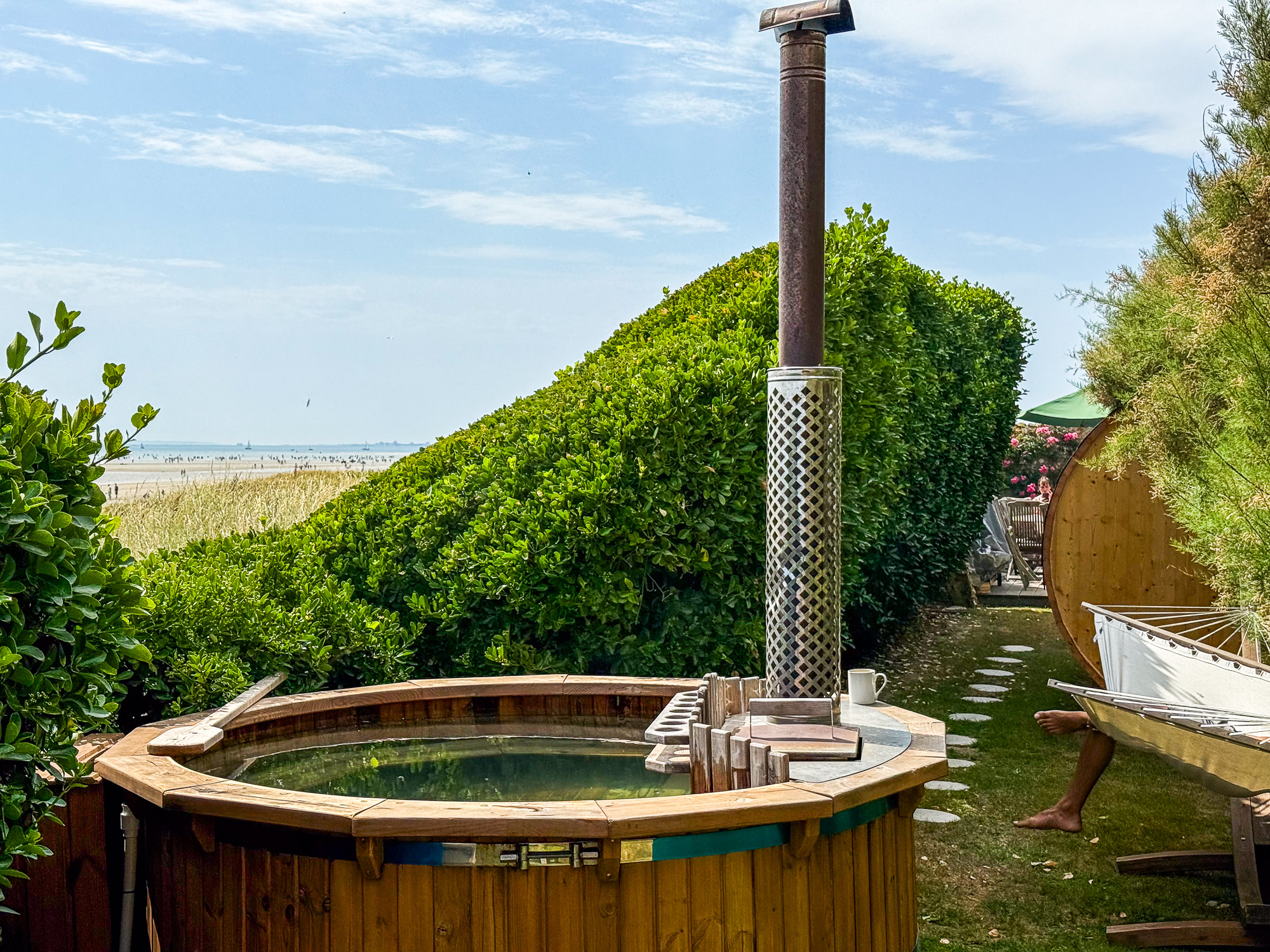
Review and installation photos →Hi, you can see the hot tub in these pics at our retreat.
A practical project with a defined supply list
Compare current flat-pack wooden tubs, documented heater options and assembled alternatives before deciding which work to take on yourself.
Four TimberIN hot-tub models currently offer a flat-pack delivery option. Start with the chosen product and its assembly instructions, then plan the base, access, services and finishing work around it.
From our customers
Customer projects matched to the products listed on this page. Earlier specifications and selected options may differ.
Customer projects from United Kingdom.
TimberIN Nordic™ Thermowood Deluxe
Review and installation photos →Hi, you can see the hot tub in these pics at our retreat.

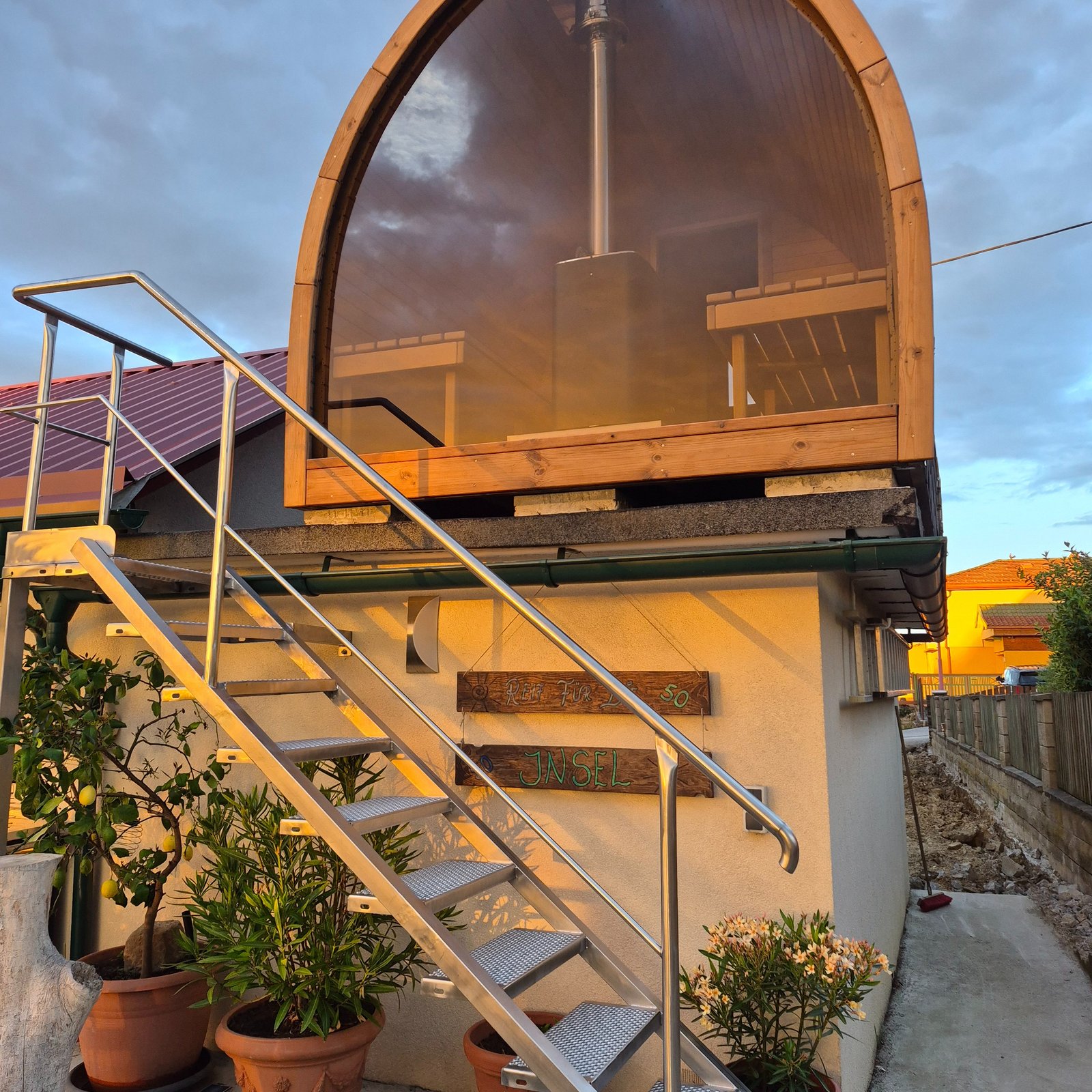
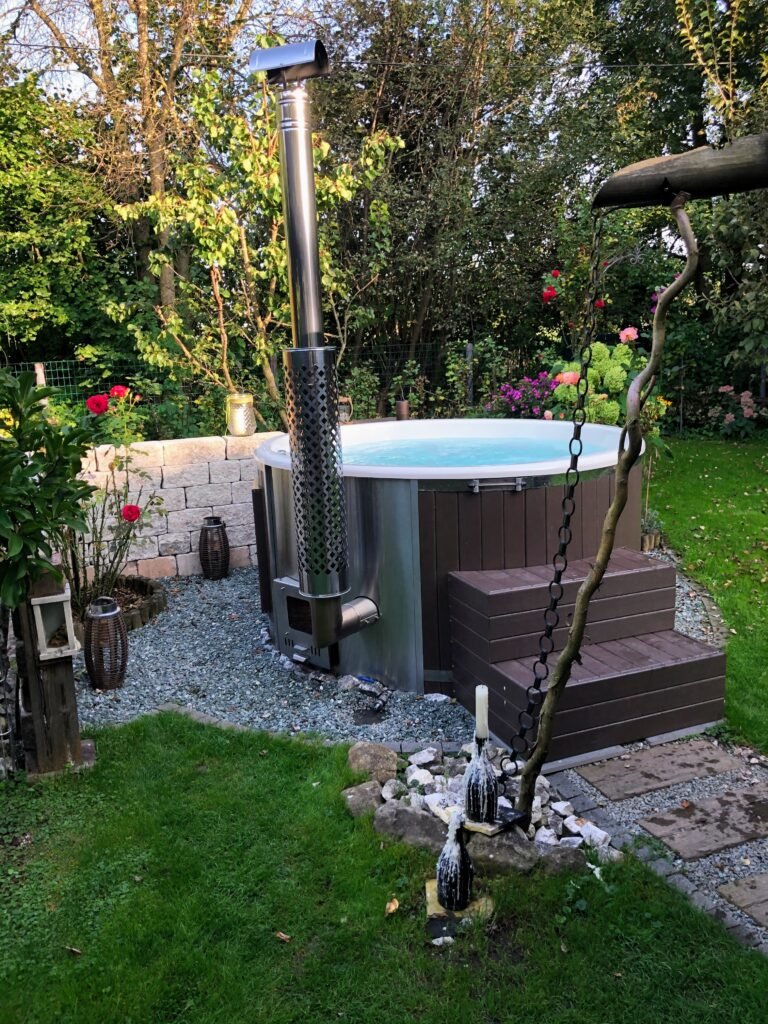
Review and installation photos →Hi, We have managed to install our hot tub, and this weekend was our first use! The hot tub is exactly what we wanted, looks fab, heated quickly and stayed warm for ages!

TimberIN Nordic™ Thermowood Deluxe
Review and installation photos →Here are some photos of the hot tub. We are very happy with it. The quality is high and it was easy to put together. Thank you. Marc
These four product configurators offer a kit delivery route. Confirm the exact contents, selected heater, assembly instructions and delivery arrangement before ordering.
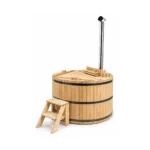
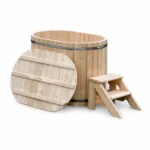
These are heater products, not complete hot-tub kits. Written compatibility and installation instructions are needed for the proposed vessel and arrangement.
The rest of the current hot-tub range provides assembled or separately specified project alternatives. These cards do not imply flat-pack availability; check the model and delivery arrangement.
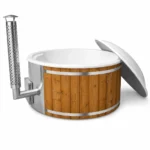
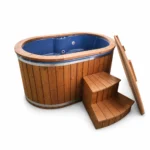
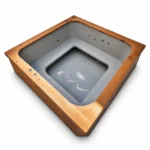
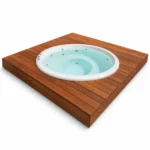
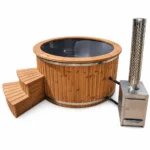
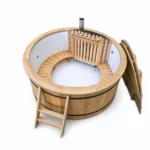
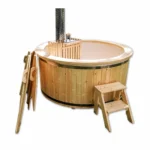
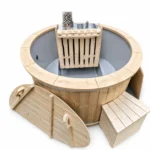
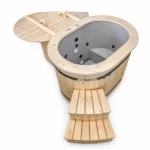
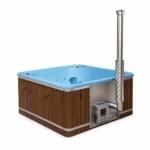
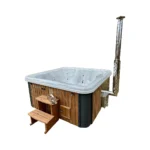
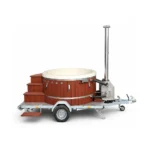
A successful DIY hot-tub project starts with a clear boundary. You might assemble a supplied wooden vessel, prepare a garden for a finished tub, or propose a separate heater for an existing vessel. Each route needs a different set of drawings, skills and responsibilities. Calling all three a kit makes it too easy to compare incomplete prices or discover missing work after delivery.
Write a short brief covering the regular bathers, available space, preferred heating method, access route and water routine. Then divide the work between you, the manufacturer and any local trades. An owner who measures access, organises the foundation and builds a removable surround still has a substantial practical project, even when the bathing vessel arrives assembled.
For a flat-pack tub, ask for the assembly instructions before committing. Check the parts schedule, required tools, lifting arrangements, storage conditions and the point at which the supplier expects inspections or photographs. If a step needs skills you do not have, price that help now. A clear division of work is more useful than an optimistic promise to finish everything over a weekend.
Four current UK hot-tub configurators list flat-packed delivery: Nordic Deluxe, the traditional Wood Fired Wooden Jacuzzi, Wooden Basic and Nordic Duo Wood. These are supplied product designs with an assembly route, rather than plans for fabricating your own heater. Confirm that the selected size, stove and added equipment can be supplied in the proposed kit arrangement; a delivery label alone does not define every assembly task.
Wooden Basic provides a straightforward starting point for comparing size. Its live selector offers 1,600, 1,800, 2,000 and 2,200 mm inner diameters, with internal or external wood-stove choices. The linked technical sheet illustrates how increasing the diameter changes water volume and support requirements. Use the final ordered dimensions for construction, because the manufacturer identifies published dimensions as approximate.
Nordic Deluxe has the same four diameter choices in its current selector and offers internal, external and electric heating routes. For a wood-fired project, compare the two wood-stove arrangements first. Its optional filtration, lighting and air-massage equipment add coordination work: find out which parts are factory-fitted, what arrives separately and who completes the connections. Selecting more equipment does not automatically make it suitable for owner installation.
Nordic Duo Wood offers a smaller timber-vessel route for two-person use. The traditional Wood Fired Wooden Jacuzzi provides another round wooden option. Open each model to compare its current timber, heater and delivery choices rather than assuming that all four kits contain identical fittings. Staves, floor, benches, hoops, drain, heater, flue and guards should each have an explicit place in the written supply schedule.
If your aim is simply to get a tub through a narrow entrance, compare kit delivery with an assembled model and an agreed lifting plan. Measure the largest individual package, its weight and the turning space needed at gates and corners. Flat-packed does not mean every component can be carried by one person, nor does it remove the need for a safe unloading arrangement.
Make space to unpack and identify the supplied components without leaving timber, seals or electrical equipment exposed to unsuitable weather. Match the delivery to the parts list and record any damage before work conceals it. Keep packaging and identification information until the supplier has resolved discrepancies. A missing bracket is easier to investigate before it becomes an improvised substitute.
Work from the instructions for the exact kit revision. Do not borrow a hoop setting, sealant method or heater connection from a similar-looking video. Timber species, floor construction and fittings can change the required sequence. Ask the supplier which stages must remain accessible for checks and which adjustments form part of commissioning.
Plan the surround after the vessel and service layout are agreed. Removable panels around drains, heater connections and equipment can make future maintenance practical. Fixed decking that hides a joint may look finished but can turn a simple inspection into dismantling. Leave enough working space for the actual person who will service the installation, including access when the tub is empty.
The first fill is part of commissioning, not a deadline for inviting guests. Follow the supplied procedure for the chosen shell. A natural timber vessel responds to moisture differently from a moulded liner, so ask what initial behaviour is expected and what requires attention. Photograph concerns and obtain advice before applying fillers, changing fasteners or tightening components beyond the instructions.
The three heater products shown above cover external, submerged and integrated arrangements. Nordic External has current 22, 28 and 40 kW choices. SubmergeFire 26 is an internal heater, while IntegraFire 30 is designed around an integrated installation. Those labels describe different physical systems; they do not make the products interchangeable replacements.
Before ordering a heater for an existing vessel, send its manufacturer, material, dimensions, water volume and photographs to the supplier. Include the proposed heater position and any existing openings. Ask for a written answer covering the complete arrangement, including the operating water level, support, circulation, connections, chimney and protection around hot surfaces. If compatibility cannot be established, choose a documented complete system.
An external heater uses garden space beside the vessel and needs access for firing and cleaning. An internal heater occupies part of the bathing area and requires its approved separation from bathers. An integrated heater depends on the correct shell geometry. A neat photograph cannot establish the strength of a wall opening or the suitability of a connection.
Do not fabricate a pressurised heating circuit or improvise valves, pipe restrictions or pump arrangements. Never light a heater without the specified water coverage, and follow the manufacturer’s cooling procedure before draining. This page helps you choose a purchase route; the installation and operating instructions must come from the supplier of the selected system. The separate hot-tub heater guide helps compare the available heater families.
A tub is a substantial water load. One thousand litres of water weighs approximately one tonne, before the vessel, equipment and people are added. Ask for the operating water volume and the required support pattern, then give those figures to whoever designs the foundation. A patio that looks level is not evidence that the ground beneath it can support the installation without settlement.
Draw the whole operating area, including the heater, steps, open cover, access panels and equipment boxes. Mark where fuel will be stored and how it reaches the stove without crossing the main bathing route. Check that the cover can be removed and stored without resting against hot components or blocking a door. The base preparation guide is a useful starting point for discussing the site.
Drainage deserves its own plan. Decide how the tub and any separate heater or equipment will empty, where the water may be discharged and how to prevent erosion around the foundation. Treatment products and local drainage arrangements affect the answer. Keep the drain accessible after landscaping, and obtain appropriate local advice where disposal is uncertain.
Think beyond the first summer. Exposed fittings and water trapped in equipment can be vulnerable to freezing. Ask for the shutdown and winter-use instructions for every installed component. Insulation and cladding should not obstruct drainage, ventilation or inspection. A decorative enclosure is easiest to maintain when these decisions have been made before it is built.
Measuring access, choosing finishes, arranging deliveries and coordinating trades are useful owner contributions. Structural design, lifting, electrical installation and any departure from a documented heater arrangement need the right competence. Agree these responsibilities before the delivery date so that assembly is not stalled by an unfinished base or an unavailable electrician.
Wood firing supplies heat; it does not supply electricity for filters, air blowers, lights or controls. Give an electrician the complete selected equipment schedule and manufacturer’s instructions. The electrical design should account for the outdoor location and the way the equipment will be used and serviced. Avoid buying cable or protective devices from a generic online checklist before the installation has been assessed.
Site the heater and chimney using the specified clearances. Consider neighbouring windows, combustible structures, planting and the path used by wet bathers. For questions about the proposed appliance and address, consult the local council. GOV.UK’s smoke-control guidance distinguishes outdoor appliances from installations using a building’s chimney; it should not be read as a blanket approval for a particular hot-tub installation.
A sheltered corner can be appealing, but adding walls or a roof changes the setting around the fire and chimney. Describe the proposed shelter when asking for technical advice. The same applies to a raised deck or partially sunken arrangement. Each addition should remain compatible with the documented tub, rather than becoming a reason to alter its safety-critical parts.
Start with two quotations using the same vessel size and equipment: the flat-pack route and the assembled route. Record exactly what changes between them. A lower shipping charge is a delivery saving, not proof of a lower overall project cost. Assembly help, tools, temporary protection and additional visits can outweigh that difference, while restricted access may make a kit worthwhile for reasons other than price.
| Budget line | What to compare |
|---|---|
| Supplied product | Exact vessel, heater, cover, guards, drain and selected equipment |
| Delivery and movement | Postcode charge, unloading, largest package and movement to the base |
| Assembly | Instructions, tools, labour, weather protection and commissioning help |
| Site work | Foundation, drainage, electrical work and removable landscaping |
| Ownership | Fuel, water, compatible treatment, cleaning, servicing and winter care |
Put a realistic value on your time and allow for work that must wait for a supplier response. Do not treat a complete manufactured tub and a collection of unverified parts as equivalent quotations. The latter still needs design, compatibility checks and a workable support arrangement. Compare wood-fired hot-tub project prices when deciding which costs belong in both routes.
Keep the accepted specification, drawings, invoices and commissioning record together. Ask how the warranty applies to owner assembly and which records the supplier expects. Establish who will diagnose a future problem if the vessel, heater and other equipment come from different sources. Clear responsibilities have practical value long after the initial build is finished.
Decide whether the planned system will use an approved fill-and-drain routine or retain water between sessions. That choice influences filtration, treatment, cleaning, drainage and the time needed to prepare a soak. Heating the water is not a substitute for a suitable hygiene routine, and clear water alone does not establish that it is ready for bathing.
Use treatment and cleaning products approved for the complete system, including the vessel and heater materials. Ask for the routine in writing and make sure every regular operator understands it. If you add filtration or change equipment later, confirm that the revised arrangement remains compatible rather than assuming a stronger pump or different chemical is automatically an improvement.
A holiday let or other business installation requires a separate assessment. HSE’s spa-pool guidance covers the management of infectious-agent risks and includes domestic-type hot tubs used in business activities. A kit delivery option does not establish commercial suitability. Discuss the anticipated bather load, operating responsibility and maintenance records before choosing a system for paying guests.
It identifies an assembly delivery route, but the accepted order should define every supplied part and every site task. Ask for the assembly manual, packing list and configuration-specific requirements before buying. Confirm how the heater and optional equipment are supplied and whether specialist installation is required.
Only a vessel and heater arrangement confirmed suitable for heated bathing should be considered. Material, structure, temperature limits, water connections and operating controls all matter. A container’s ability to hold cold water does not establish compatibility. Send the full proposal for technical review before cutting openings or buying components.
Assembly method does not determine heating demand. Water volume, starting temperature, weather, cover, insulation, heater and operation affect the energy required. Select a sensible size for normal use and compare the full configuration. Do not use a heater’s output label as a guaranteed time or fuel-cost estimate.
Send the preferred model and size, heater choice, delivery postcode, narrowest access dimensions, photographs of the route and proposed base, and the work you intend to do yourself. Include any filtration, lighting or massage requirements. That gives the supplier enough context to distinguish a suitable kit route from an assembled alternative.
Choose the model that suits the bathing experience first, then decide how it should reach the garden and who should assemble it. A good DIY route leaves you with a documented product, accessible service points and a routine you can maintain. Send TimberIN your kit or heater proposal to clarify the supplied components and the work needed at your site.