

Suzy — Loughborough, United Kingdom
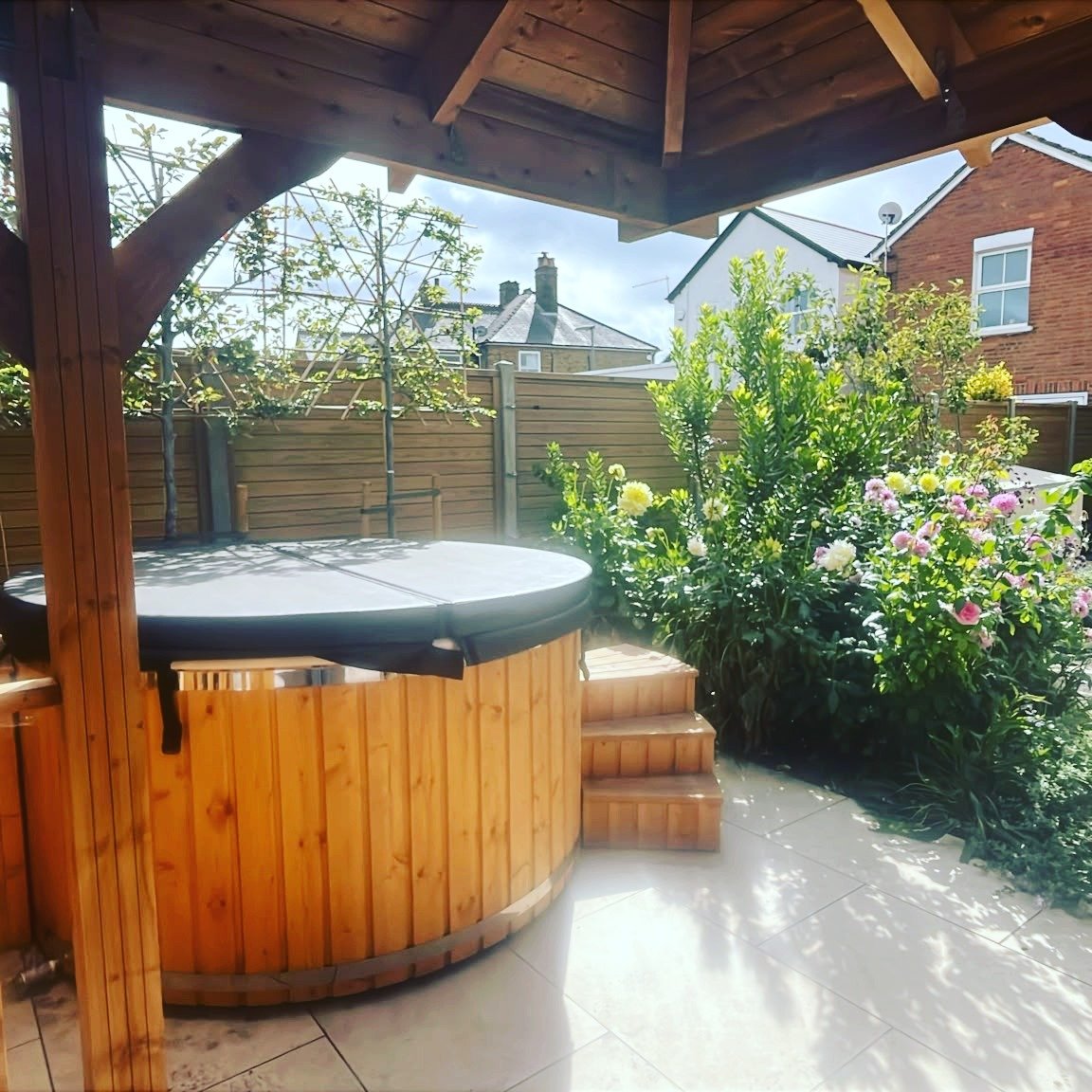
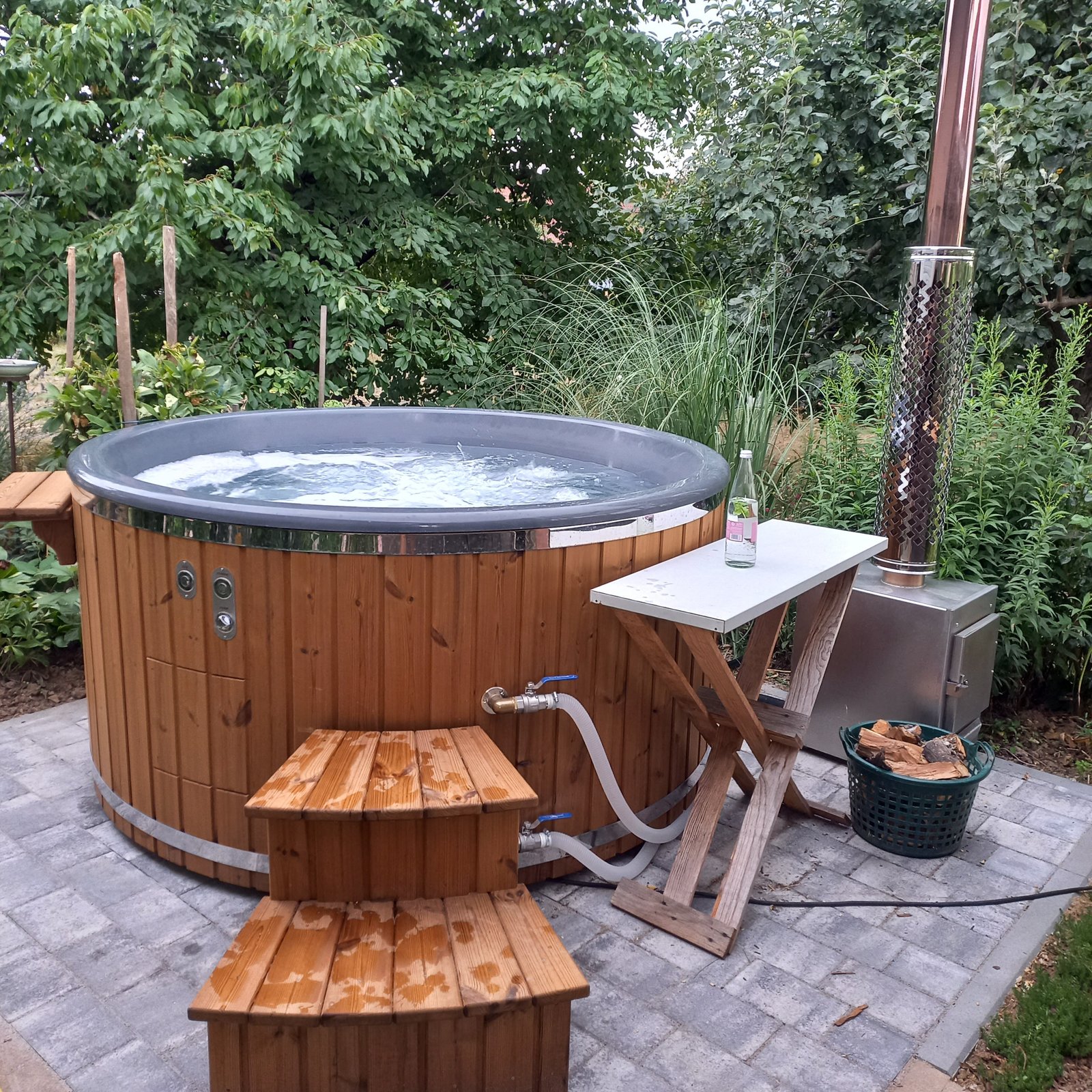
Review and installation photos →Hi, We have managed to install our hot tub, and this weekend was our first use! The hot tub is exactly what we wanted, looks fab, heated quickly and stayed warm for ages!
An oval bath for one or two regular users
Compare the three documented Ofuro oval families by the things you will notice every time: sitting position, water-side material, entry and heating.
A compact outside shape is only the start. Read the seat and shell drawings, allow space for the complete installation and choose the equipment that suits your bathing routine.
From our customers
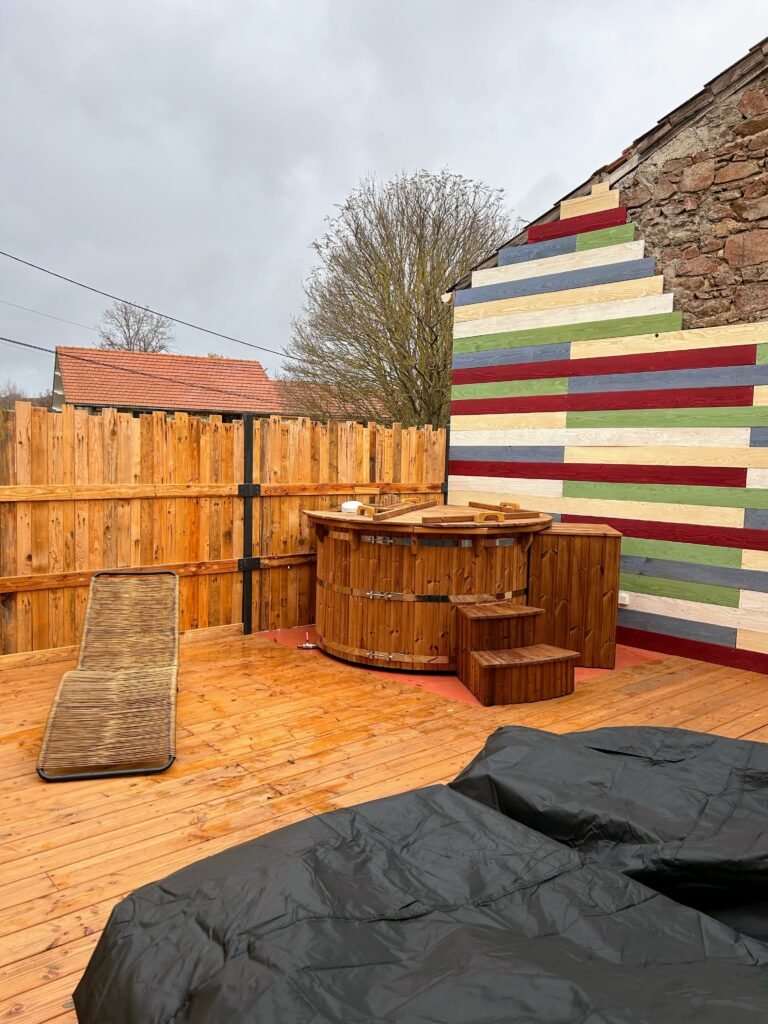
Customer projects matched to the products listed on this page. Earlier specifications and selected options may differ.
Customer projects from United Kingdom.
Review and installation photos →Hi, We have managed to install our hot tub, and this weekend was our first use! The hot tub is exactly what we wanted, looks fab, heated quickly and stayed warm for ages!
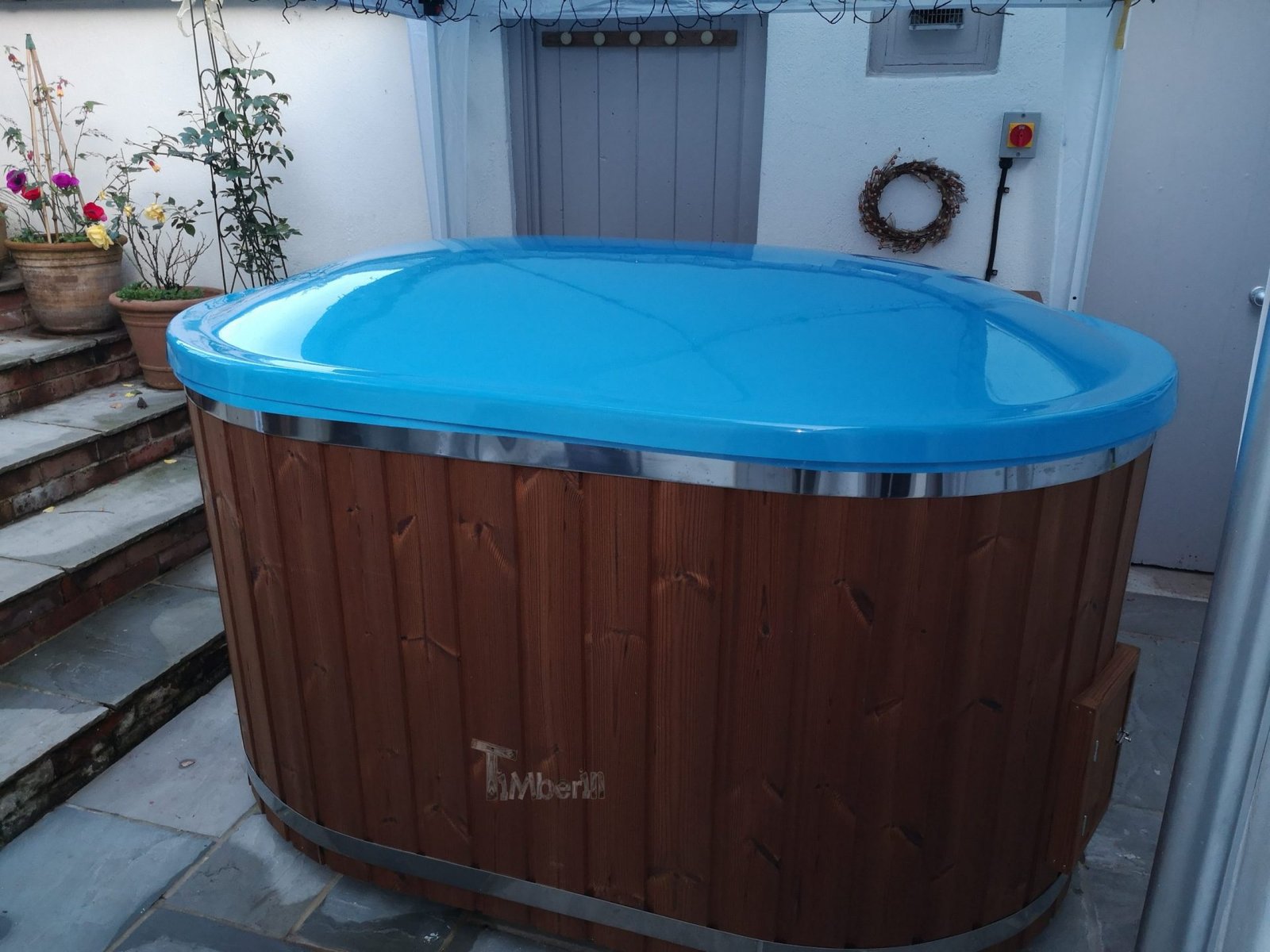
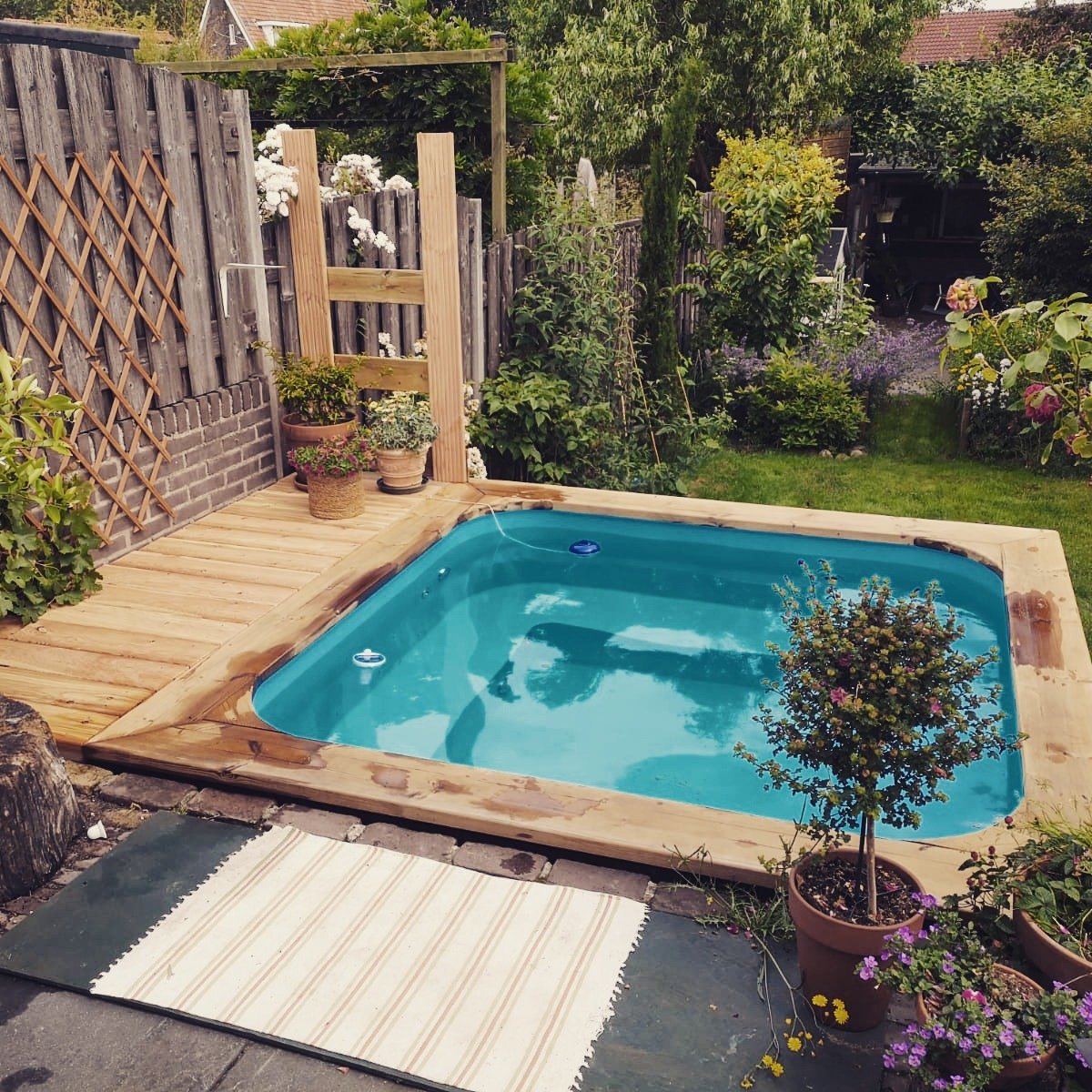
Review and installation photos →Hi Just to say that I am delighted with my hot tub. We have used it most evenings and it has become the highlight of the day.
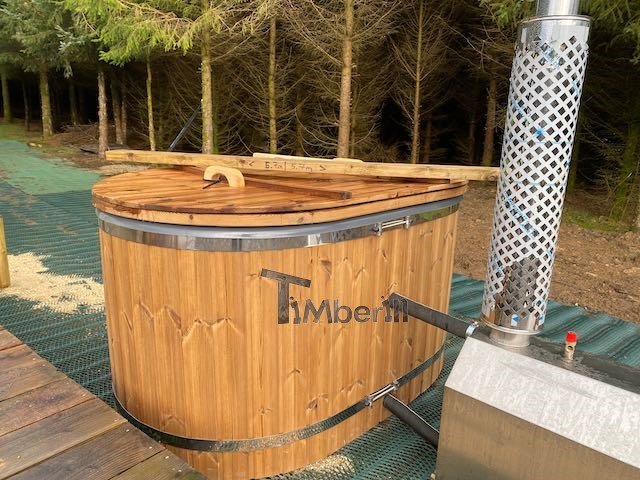
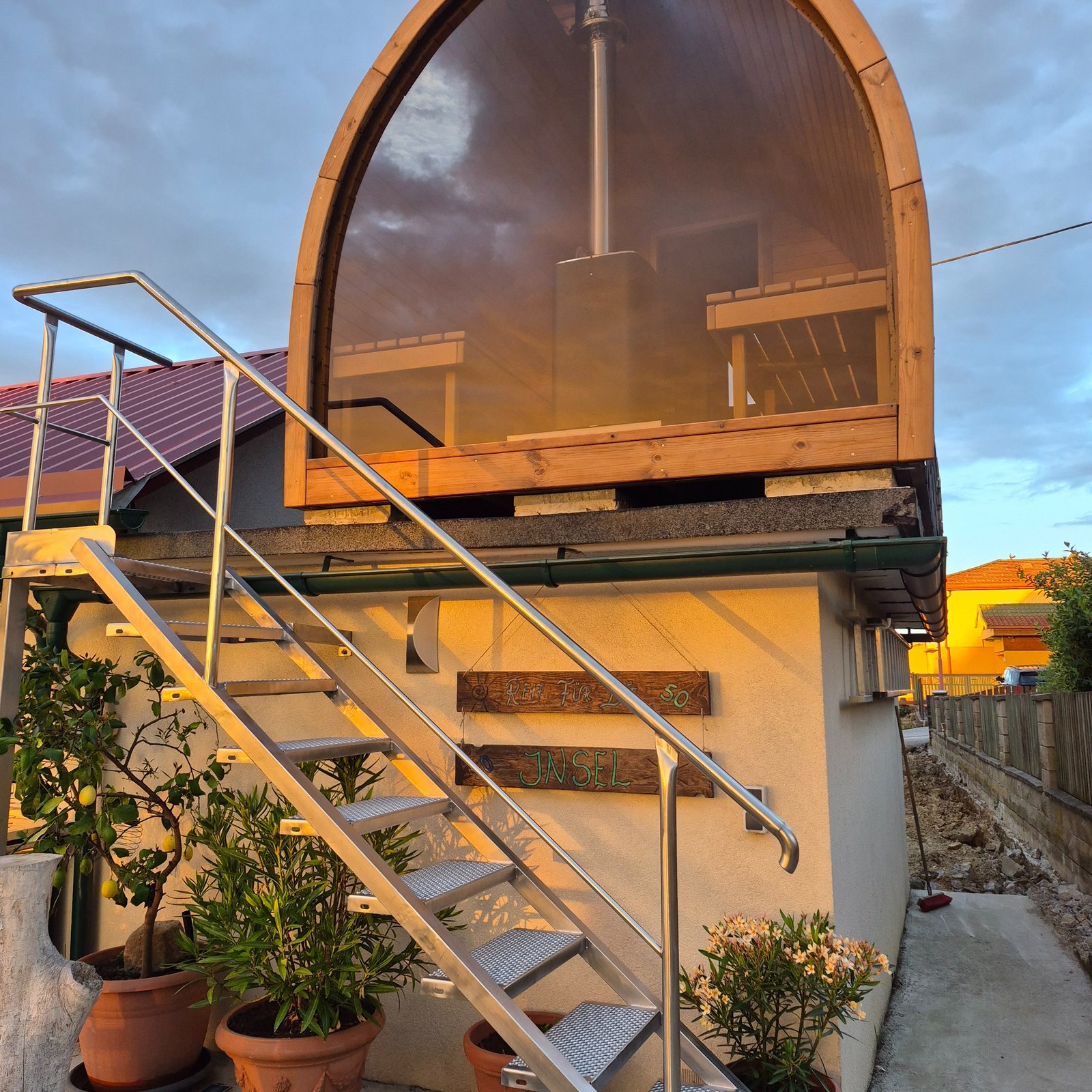
Review and installation photos →Very good service and very good product. Delivered at the agreed time and looks wonderful in my woods.
Compare the moulded-liner Duo, natural-timber Duo Wood and polypropylene Oval Duo. Open each model for its current price, heater selections and equipment.
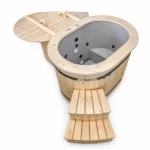
These complete models offer different shapes, capacities and installation arrangements. They are alternatives if an oval Ofuro is not the best fit, rather than additional Ofuro models.
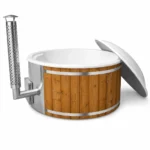
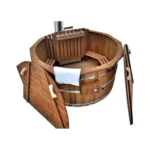
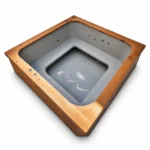
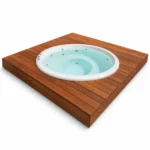
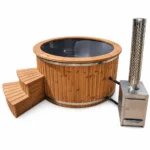
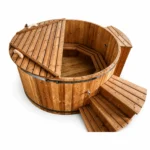
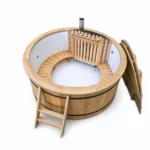
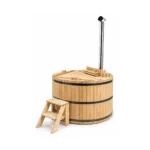
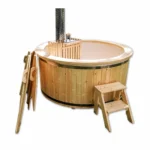
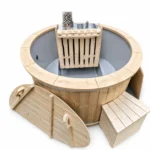
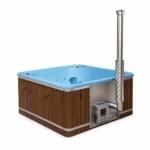
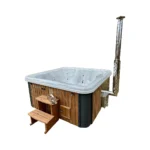
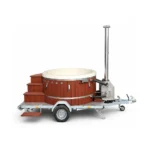
A Japanese-style soaking tub appeals to buyers who want a compact, seated bath rather than a broad social circle. In this range, the relevant models are documented as Ofuro oval tubs for one or two people. The name describes a design direction; it does not establish Japanese manufacture, a particular cultural provenance or a guaranteed depth of immersion for every user.
Start with the people who will normally use it. Someone with long legs may value the footwell length more than the outside width. A shorter bather may need a different seat-to-water relationship. The space that looks generous in an empty photograph changes when two people sit opposite each other. Ask for a section through the chosen seat and try the arrangement where a suitable demonstration is available.
The catalogue leads with the three documented oval families. The wider two-person comparison helps if capacity is your main requirement. A small round tub can be a useful alternative without being presented as an Ofuro configuration.
The shared Duo name does not make the shells interchangeable. Their technical sheets show different materials, proportions and details. Use the figures below for early comparison, then confirm critical dimensions against the finished specification before ordering steps, building a surround or booking lifting equipment.
| Documented family | Planning dimensions in its drawing | Bathing arrangement |
|---|---|---|
| Nordic Duo, moulded liner | Approximately 1,900 × 1,190 mm plan; 920 mm inner height; 1,060 mm finished outer height | One or two bathers; about 1,000 litres; opposed seats and a central footwell |
| Nordic Duo Wood | General-information drawing: approximately 1,400 × 900 × 1,000 mm | One or two bathers; about 1,000 litres; timber vessel and wooden benches |
| Nordic Oval Duo, polypropylene | General-information drawing: approximately 1,400 × 900 × 1,000 mm | One or two bathers; about 1,000 litres; lined oval with closed polypropylene seating |
The moulded-liner sheet also labels a 940 mm shell dimension separately from the finished outer height. The wooden model’s broader product description quotes a larger footprint than its own general-information drawing. That discrepancy needs a confirmed production drawing; it is not a reason to transfer the moulded shell’s measurements to the timber vessel.
Read the source sheets for the moulded-liner Ofuro, wooden Ofuro and polypropylene Ofuro. Each marks dimensions as approximate.
Inner height measures the vessel, while the water surrounding a seated person depends on the bench position, working waterline and their body proportions. A quoted metre-high exterior therefore cannot promise shoulder-depth water. The bathers also displace water, so a fill level chosen when the tub is empty may not be appropriate once both seats are occupied.
The moulded Ofuro drawing labels a 300 mm bench width and a 620 mm bottom-circle length. Those are useful geometry references, but neither is a certified seat height or an assurance that every pair will be comfortable. The wooden and polypropylene drawings illustrate their own benches without a complete set of seat-to-waterline dimensions. Request those missing details if posture is the deciding factor.
Consider entry and sitting as a sequence: step onto the approach, cross the rim, place a foot securely, turn and sit. The best model is the one that makes that sequence workable for the intended users, with enough room for knees and feet during the soak.
Nordic Duo Wood makes the timber vessel part of the bathing experience. Its current choices are spruce and Thermowood. Natural wood forms the water-side surface, so commissioning and the balance between wet use and empty storage matter. The owner should be comfortable following the supplied timber-care routine rather than treating the vessel like a moulded bath.
The other two oval families separate the liner from the exterior cladding. Nordic Duo uses the moulded shell shown in its Ofuro drawing; Nordic Oval Duo uses polypropylene. These give different seating details and cleaning surfaces. Exterior timber changes the appearance around that liner, but it does not turn the shell into an all-wood bathing vessel.
The current moulded Duo offers spruce, larch, Thermowood and oak exteriors; the polypropylene Oval Duo offers spruce, larch and Thermowood. Compare the actual finishes and their care requirements. If natural timber contact is essential, the wooden hot-tub guide explains the broader choice. Do not select a shell solely from the colour of its cladding.
The moulded Nordic Duo currently offers external wood-fired, 6 kW electric and hybrid selections. These are different operating commitments. Wood heat involves fuel, fire supervision and a suitable stove location. Electric heat needs the agreed dedicated installation and controls. Hybrid combines equipment and service requirements; it does not remove either set of responsibilities.
Nordic Duo Wood currently offers an external wood-fired stove or no heater. An electric heater appears in its older technical sheet, but it is not a current main selector choice. Treat a proposed electric conversion as a separate specification question, not an included or automatically available upgrade.
The polypropylene Oval Duo has an external wood-fired main selection and a separately listed optional 6 kW electric heater. Confirm how that option is connected and controlled in the finished order. The wood-fired range is useful for comparing the fire-led route, while wood-fired soaking tubs focuses on the bathing routine. The Ofuro shape itself does not determine the fuel.
A narrow vessel can make good use of a limited garden, but the full installation includes steps, heater, connecting pipes, equipment boxes and an open cover. Mark each on a plan. Leave room to approach the firebox, inspect a connection and remove a filter component without climbing over the bath or dismantling a permanent screen.
Check how privacy will work from both the seated position and the top step. A screen that blocks the view may also obstruct the heater, servicing or the route out. Keep curtains, vegetation and stored items clear of hot equipment according to the installation instructions. A customer photograph can suggest an atmosphere; it cannot establish suitable clearances for another site.
Consider the route from the house in ordinary weather. Wet feet, towels, a cover waiting to be replaced and a person passing behind the steps all need space. Lighting should make changes in level visible without shining directly into a seated bather’s eyes. Measure these everyday movements alongside the shell dimensions.
The drawings show different step arrangements. The wooden model’s B-type stair is approximately 500 mm high, with a 250 mm first step; the A-type stair shown for the lined models is approximately 600 mm high. Those reference drawings describe equipment, not universal accessibility. Confirm the supplied stair, its footprint and the relationship between the top step and the final rim height.
Discuss any difficulty with balance, bending, stepping or turning before selecting the tub. An installer may need to coordinate a suitable approach, support or separately designed handhold. Do not assume that a loose accessory stair or the tub rim provides a tested grab point. A flush deck around the rim also changes entry and maintenance, and needs its own structural and access design.
Place the entrance where the person can move without crossing stove pipes or reaching over hot metal. Keep the landing stable and suitable for wet use. A compact bath can still be awkward to enter when furniture, a wall or an equipment box narrows the approach.
All three sheets give approximately 1,000 litres as a reference volume. That is a meaningful amount to supply, warm and discharge. The actual operating fill depends on the ordered shell, equipment and occupants. Check water access and drainage before delivery, including how a hose will reach the tub without becoming a permanent trip hazard.
Choose whether the intended routine involves emptying after use or retaining water with the specified treatment system. Filtration removes particles but does not, by itself, establish hygienic water. Follow the instructions for the particular shell, heater, filter and treatment products, and agree the checks and cleaning responsibilities before using the equipment.
For timber vessels, compatibility and the manufacturer’s wet-and-dry guidance are especially important. For lined vessels, remember the hidden pipework and any massage circuits as well as the visible bowl. A rinse before bathing can reduce dirt carried into the water, but it does not replace treatment or cleaning. Guest and commercial operation needs its own documented management arrangements.
Opening and replacing the cover is part of every soak. The moulded Duo drawing lists a wooden lid around 30 kg and a fibreglass lid around 15 kg; those older references do not describe every cover offered today. Its current selector also lists an insulated leather cover, despite the old sheet marking that type unavailable. Confirm the actual supplied construction, weight and handling arrangement.
The wooden model currently offers wooden and insulated leather lids. The polypropylene model lists a wooden lid, with wall and base insulation available separately. Its technical sheet contains cover dimensions that differ from the shell’s general-information plan, so order a cover matched to the confirmed production size instead of buying from a copied family measurement.
Reserve somewhere clean and stable for the open lid, clear of the entrance and heater. Ask whether assistance or a compatible lifting arrangement is needed. A cover limits exposure between uses, but it should not be treated as a child-safety barrier unless that specific function is documented.
A quiet soak does not require massage equipment. If you prefer still water, focus first on comfortable seating, dependable temperature measurement, a manageable lid and drainage. If air or water jets appeal, check their positions against the actual seats and allow access to the additional circuits for cleaning and winter preparation.
The moulded Duo lists air massage, hydromassage, filtration and lighting. The wooden Duo lists air massage, filtration and two LEDs, but does not offer hydromassage in its current equipment list. The polypropylene Oval Duo lists air and hydro massage, filtration and two LEDs. Do not transfer options from one oval to another simply because their capacities are similar.
Controls and pumps may require electricity even when the primary heater burns wood. Before promising an off-grid installation, list every powered component and agree its supply. Ask for the equipment-box sizes and the parts that need removal during servicing. A tidy-looking enclosure is only useful when the owner can reach the equipment inside it.
About 1,000 litres of water adds roughly one tonne, before the vessel, people and equipment. A small footprint does not mean a light operating load. Have the support assessed for the selected system, particularly on raised decking or near an existing structure. Confirm support points and drainage so water does not remain trapped beneath the timber.
The delivery sheets show a larger packed envelope than the installed shell, with separate packages for some heaters or spa equipment. Measure gates, turns, overhead restrictions and the final unloading position against the dispatched load. The wooden Duo offers assembled and kit routes; choosing a kit transfers assembly work to the site rather than making that work disappear.
Agree who unloads, moves and positions the equipment, and whether specialist lifting is required. Leave final connections and checks to the responsible installers. Keep the supplied operating documents available, including the winter shutdown or frost-management procedure. An insulated cover alone does not protect every pipe and component during freezing conditions.
No. Exterior or inner shell height is different from the water depth above a seated person. Request the seat height, working waterline and internal section for the ordered model, then compare them with the intended users.
The Japanese-style and Ofuro descriptions identify the design interest on this page. They are not a claim of Japanese manufacture or cultural provenance. Ask for the manufacturer and origin information in the written order if these are purchase requirements.
No. The three families have different current selections and drawings. Specify the shell, heater, cover, insulation and electrical equipment together, and resolve any difference between an older sheet and the current configuration before production.
Send the intended occupancy, available footprint, entry requirements, preferred water-side material and heating routine. Include photographs and measurements of the delivery route, plus any critical seat or depth requirement. Request one confirmed drawing and a quotation listing the exact vessel, steps, cover, equipment, services and delivery responsibilities.